
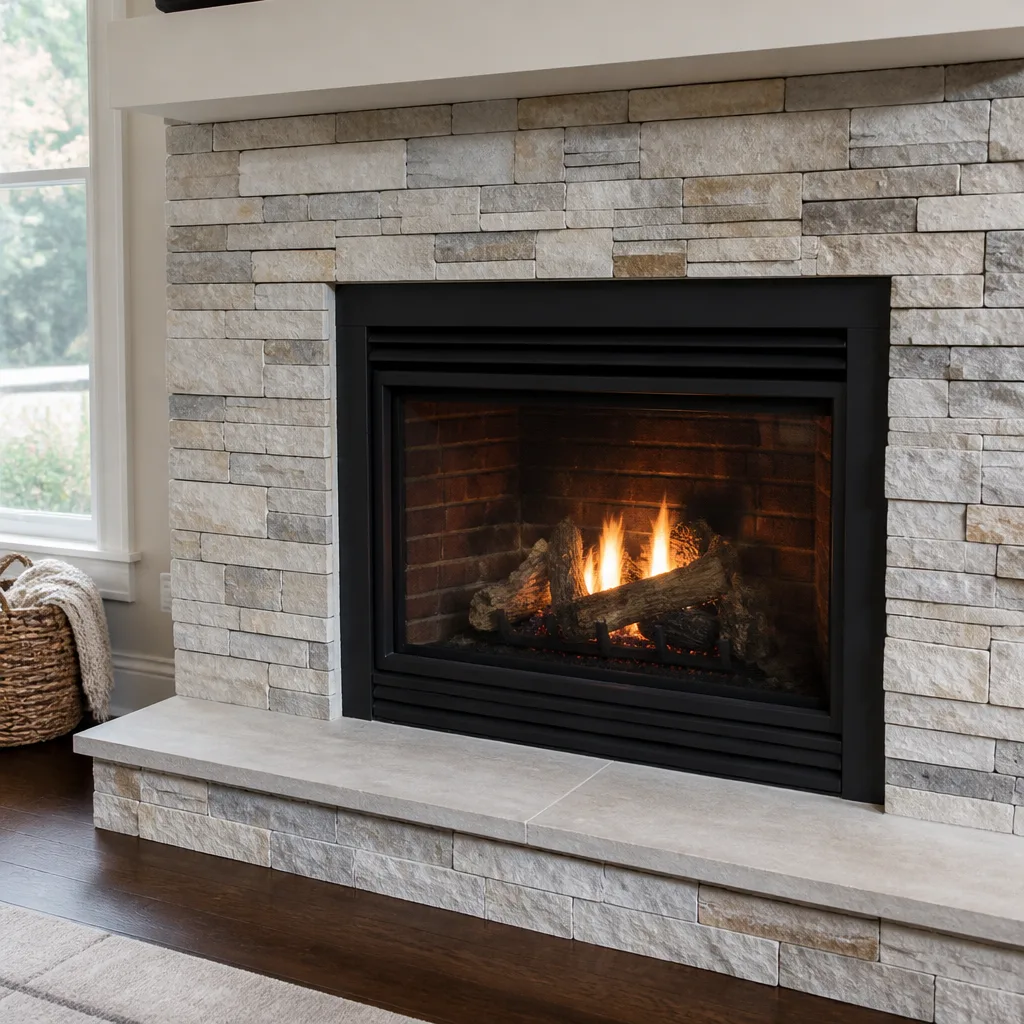
 Gas fireplace service
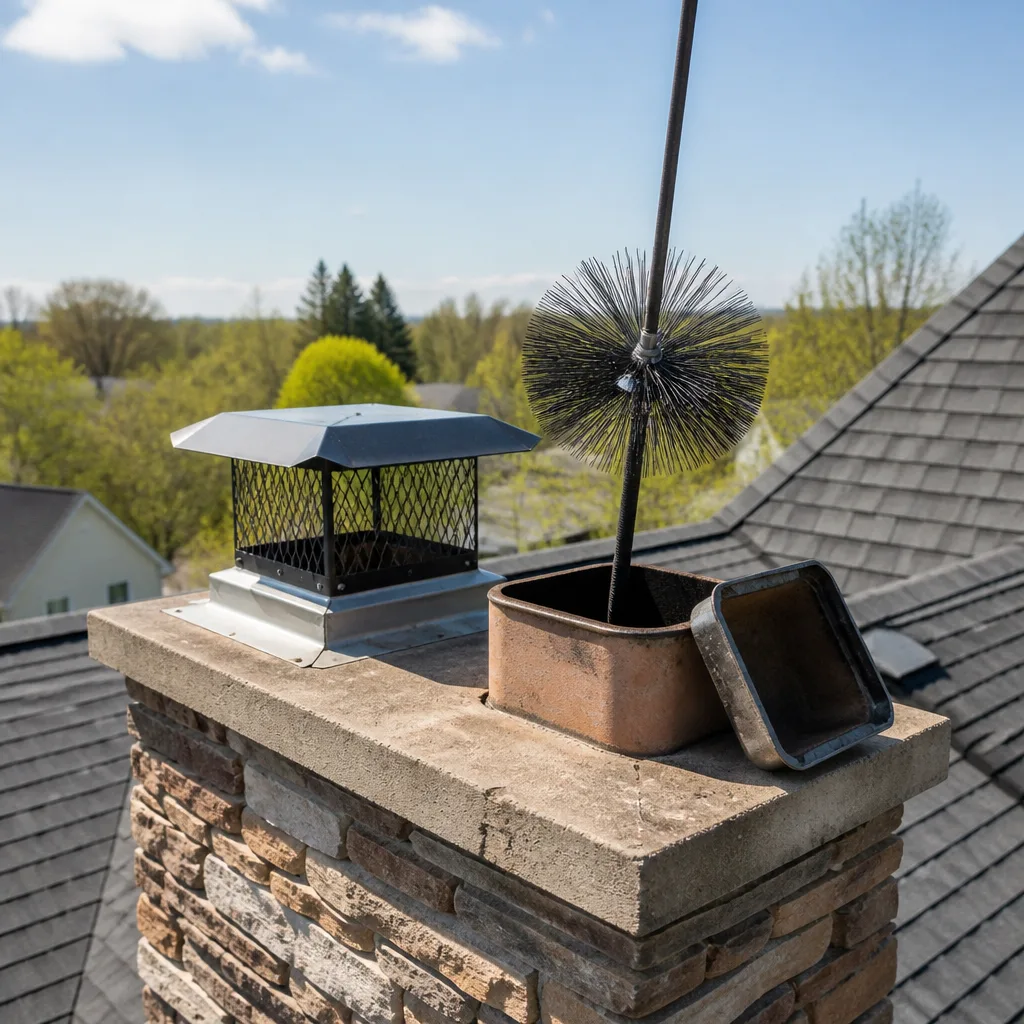 Sweep & inspection
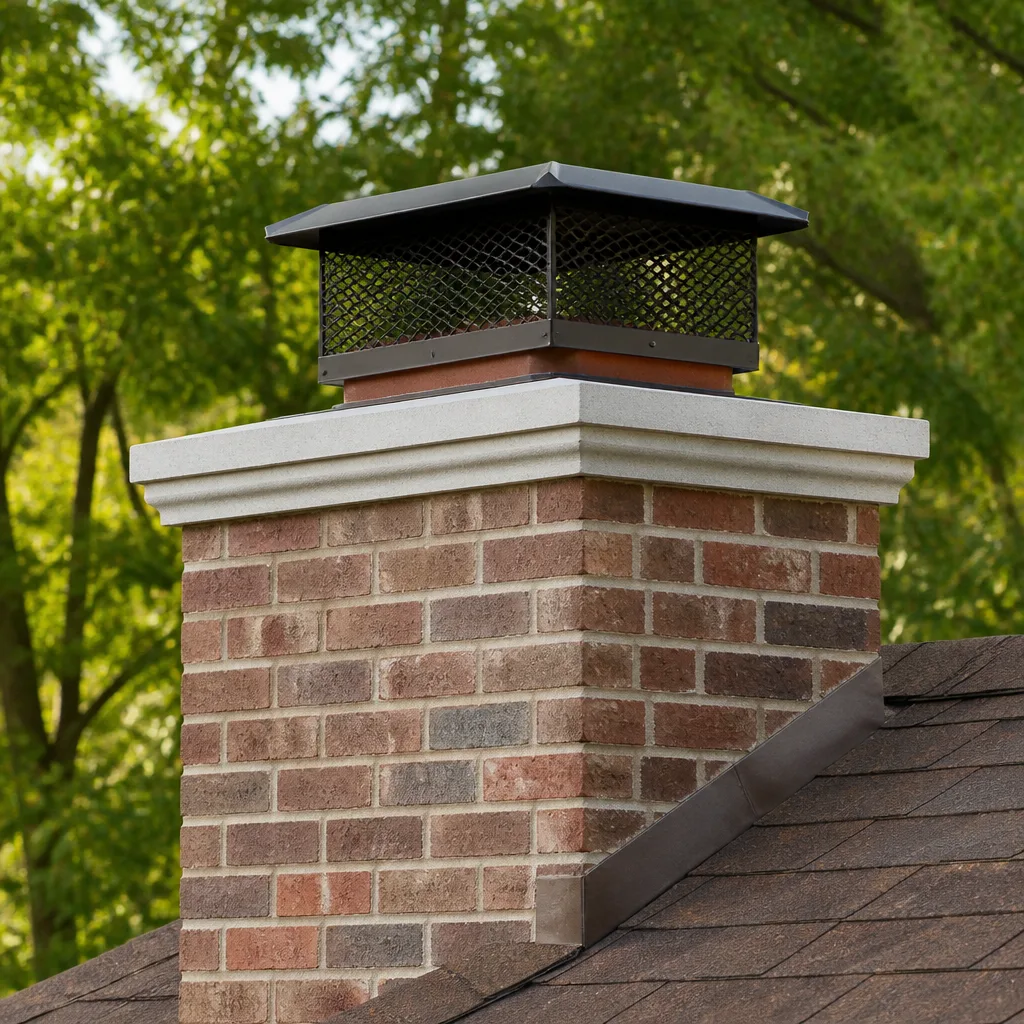 Caps & crowns
 Flue relining
 Masonry repair
Level 1 sweep and inspection to the NFPA 211 annual standard - flue, crown, cap, and flashing checked and photographed
Chimney sweep logs do not sweep chimneys. They loosen some creosote - which then falls where a brush and vacuum still have to collect it.
Why Glendale Homeowners Choose HeatShield Chimney Cleaning
We provide independent HeatShield chimney cleaning and resurfacing service in Glendale, AZ. HeatShield is a cast refractory resurfacing system applied over damaged firebox mortar joints and smoke-chamber walls, and we service it from the product’s own application specs rather than any franchise playbook. What sets our work apart is diagnosis: in Glendale’s hard-water, high-heat-delta environment, we’ll tell you honestly whether your firebox is a genuine resurfacing candidate or a rebuild case, because a brand-agnostic specialist is free to make that call either way. Our technicians have up to 8 years of experience. To be clear, Chimney Sweep Glendale is not affiliated with, authorized by, or a dealer for HeatShield. We’re an independent provider, and we say so up front.
Why Trust Chimney Sweep Glendale for Your HeatShield Chimney Cleaning?
HeatShield isn’t a product you can eyeball from the hearth rug. It’s a proprietary refractory material, and the difference between a repair that holds for years and one that blisters off by next season lives in surface prep, moisture control, and cure time. Our technicians have worked with this material long enough to know the signs. They can tell when a mortar joint is recessed too deep to coat properly, when a firebox wall has lost enough of its refractory face to reject a bond, and when a previous coating was laid over damp masonry and is quietly waiting to delaminate. That judgment is what you’re really paying for.
HeatShield is one of the professional-grade brands we work with. We also service DuraFlex liner systems and Gelco products, so a HeatShield job in Glendale never gets handed off to a second contractor halfway through. Sweep, inspect, repair: one team, one set of eyes.
Parts matter here too. Because HeatShield is proprietary, genuine product has to come from the manufacturer’s supply chain. There’s no meaningful aftermarket equivalent, and thinning it out with generic refractory cement is a failure waiting to happen. We don’t cut corners on material and we don’t pretend a cosmetic patch is a real resurfacing. What we do is warranty-safe service: our work respects the cure and application requirements the product was engineered around, so the repair behaves the way it’s supposed to.
Styles & brands we work with
- Sweep & inspection
- Caps & crowns
- Flue relining
- Masonry repair
- Gas fireplace service
Common HeatShield Chimney Cleaning Problems We Fix in Glendale
HeatShield problems tend to repeat. The material is good; the failures we see in Glendale’s housing stock almost always trace back to how it was applied or what it was applied over. Here are the ones that show up most often.
- Delaminated or blistered coating. The refractory layer releases from the firebox wall in sheets or bubbles when it was applied over still-damp mortar or the surface wasn’t prepped properly. It looks intact from a distance and crumbles at a touch. This is a prep failure, not a material failure, and fixing it means stripping the loose layer back to sound masonry before anything goes on again.
- Hairline cracking at the floor-to-wall transition. Expansion stress concentrates right where the firebox floor meets the walls, and thin cracks open there over heating and cooling cycles. Small cracks can be innocuous, but they let moisture into the joint behind the coating, and that’s where real damage starts. Knowing which cracks matter takes a trained eye and a good light.
- Coating applied too thin over recessed joints. When mortar joints are deeply washed out and the coating is skimmed on, the joint stays exposed and the repair is cosmetic only. You get a tidy-looking firebox that fails the first hard burn season. Proper prep means bringing the substrate back to something the refractory can actually key into.
- Smoke-chamber resurfacing that bridges a corbel ledge too abruptly. The corbel is the stepped shelf inside the smoke chamber, and parging over it too steeply creates a lip that catches soot, slows the draft, and makes a sweep harder than it needs to be. A proper smoke-chamber job follows the corbel’s geometry instead of fighting it.
- Resurfacing done where the masonry couldn’t hold it. Spalled brick or a firebox wall hollowed out behind the face won’t bond to anything, no matter how careful the application. That’s a rebuild, and honest advice says so rather than selling a coating that fails in a season.
How a typical HeatShield job usually goes in Glendale
A homeowner notices crumbling mortar between firebox bricks, a gritty dust settling on the hearth, and a faint smoke smell after fires. A sweep finds recessed joints and a firebox wall that has lost its refractory face. The usual cause is decades of thermal cycling plus moisture wicking through a cracked crown, not one bad fire. A qualified pro typically cleans and profiles the firebox, repairs the crown and joint mortar, then applies cast refractory resurfacing only where the substrate is sound enough to hold it, and recommends a rebuild where it isn’t.
HeatShield Parts & Our Repair-vs-Replace Approach
Choosing parts for HeatShield equipment is simpler than it sounds, because there’s really only one option: genuine material from the manufacturer’s supply chain. HeatShield is a proprietary refractory, and cutting it with generic refractory cement is a recipe for a repair that fails early. We don’t claim to stock OEM parts or keep boxes of genuine HeatShield on a shelf. What we do is source properly and install with quality parts that actually fit the product, then stand behind the application.
The bigger question is whether to repair or rebuild. Resurfacing makes sense when the underlying brick and mortar are sound enough to bond to. If the firebox masonry is spalled past that point, a coating bought this year will fail by next, and we’ll tell you so. A rebuild is more work and more money, but it’s the honest answer when it’s the right one. This is where a brand-agnostic specialist earns their keep: no incentive to force a HeatShield job onto a chimney that can’t hold one.
If you’re weighing repair against replacement, call us and we’ll walk you through what we find.
Our HeatShield Service Process – Step by Step
- 1
Diagnosis. We start with a Level 2 inspection where the firebox condition warrants it, checking the firebox, smoke chamber, flue, and crown together. HeatShield failures rarely sit in isolation. A cracked crown lets moisture in behind the firebox wall, which drives the delamination you’re seeing inside.
- 2
Repair and prep. Loose coating comes off. Recessed joints get repointed with refractory mortar. The crown gets repaired or sealed so the firebox stays dry. Only then does resurfacing go on, and only over substrate that will hold it.
- 3
Application. Cast refractory goes in at the right thickness and profile, following the corbel geometry inside the smoke chamber rather than bridging it. We respect cure time, which matters in Glendale’s dry heat because the material has to cure evenly, not just dry on the surface.
- 4
Test. We check draft, look for soot-catching ledges, and confirm the joints and transitions look the way they should before we call the job done.
- 5
Documentation. You get a clear account of what we found, what we fixed, and what to watch. Warranty-safe practice means keeping records of exactly which materials went in and how.
See the difference
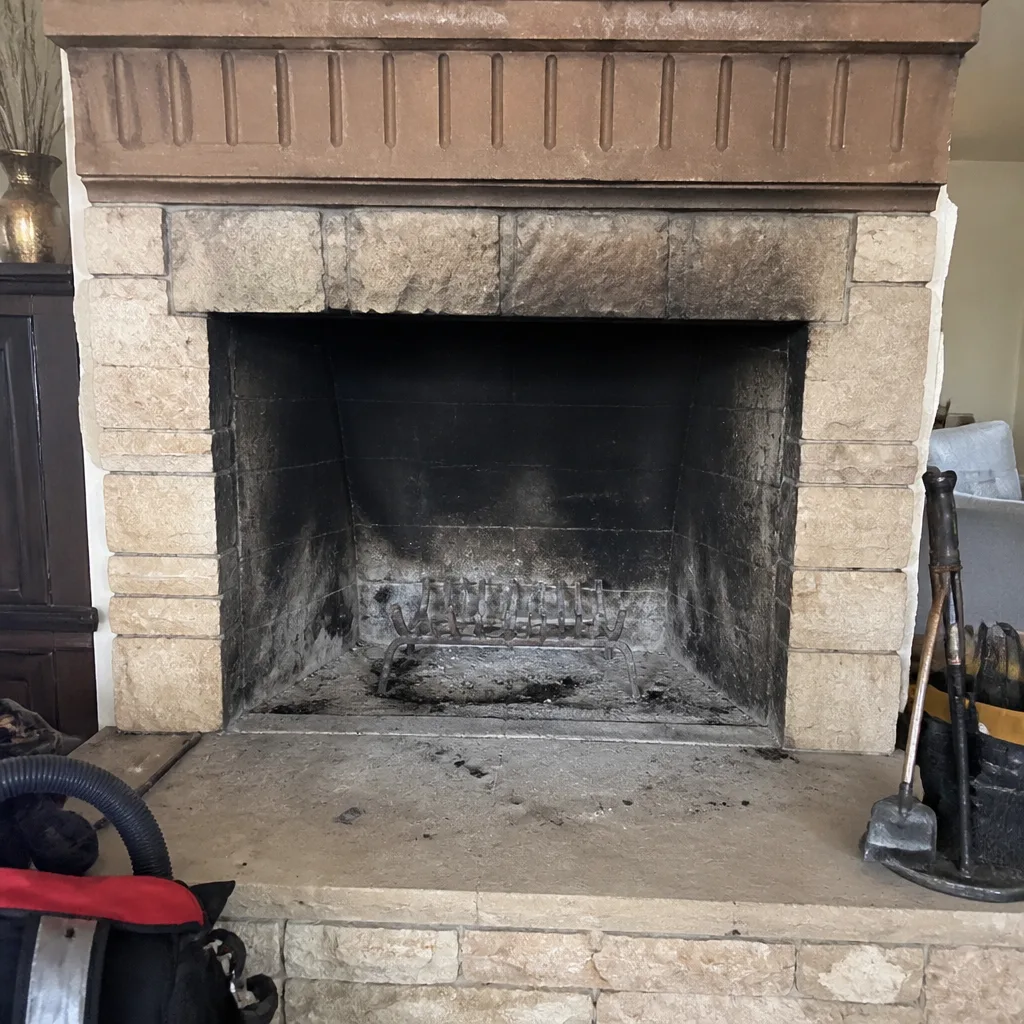 Before
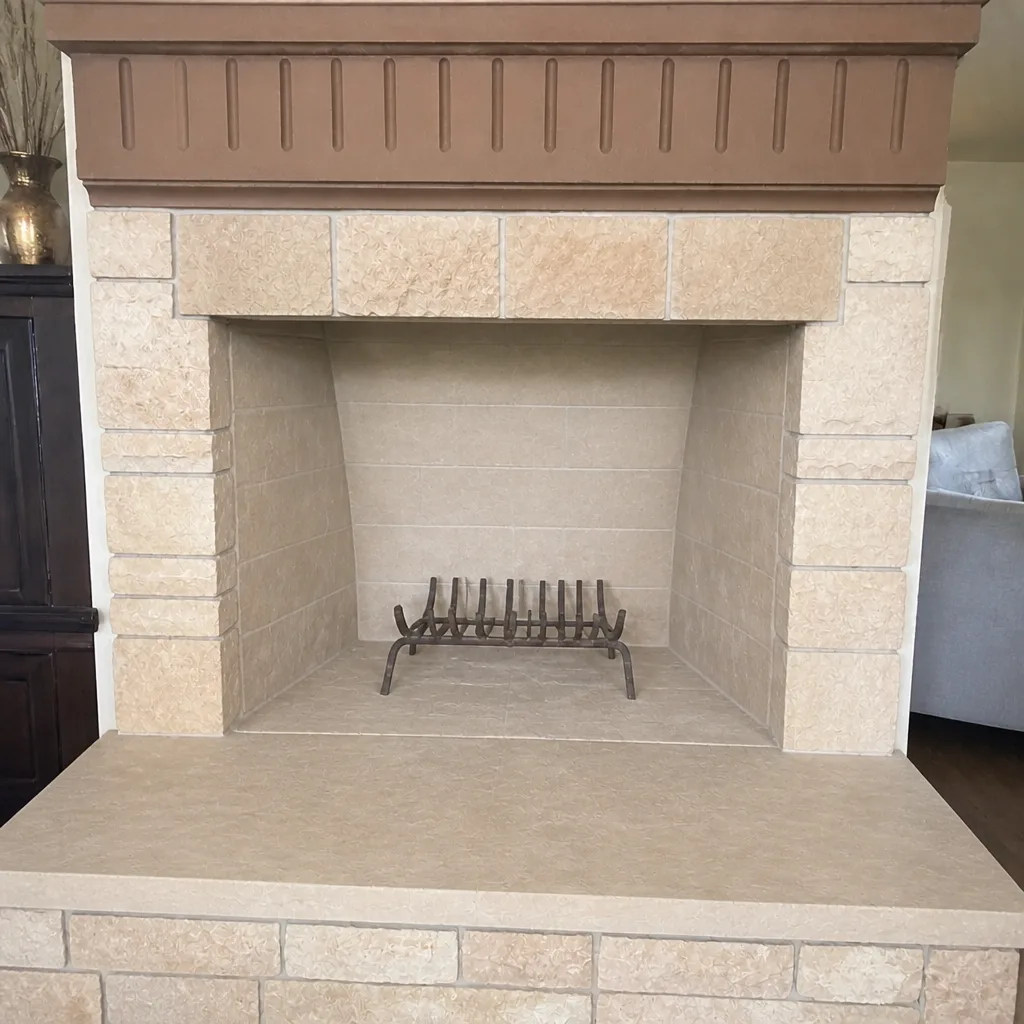 After
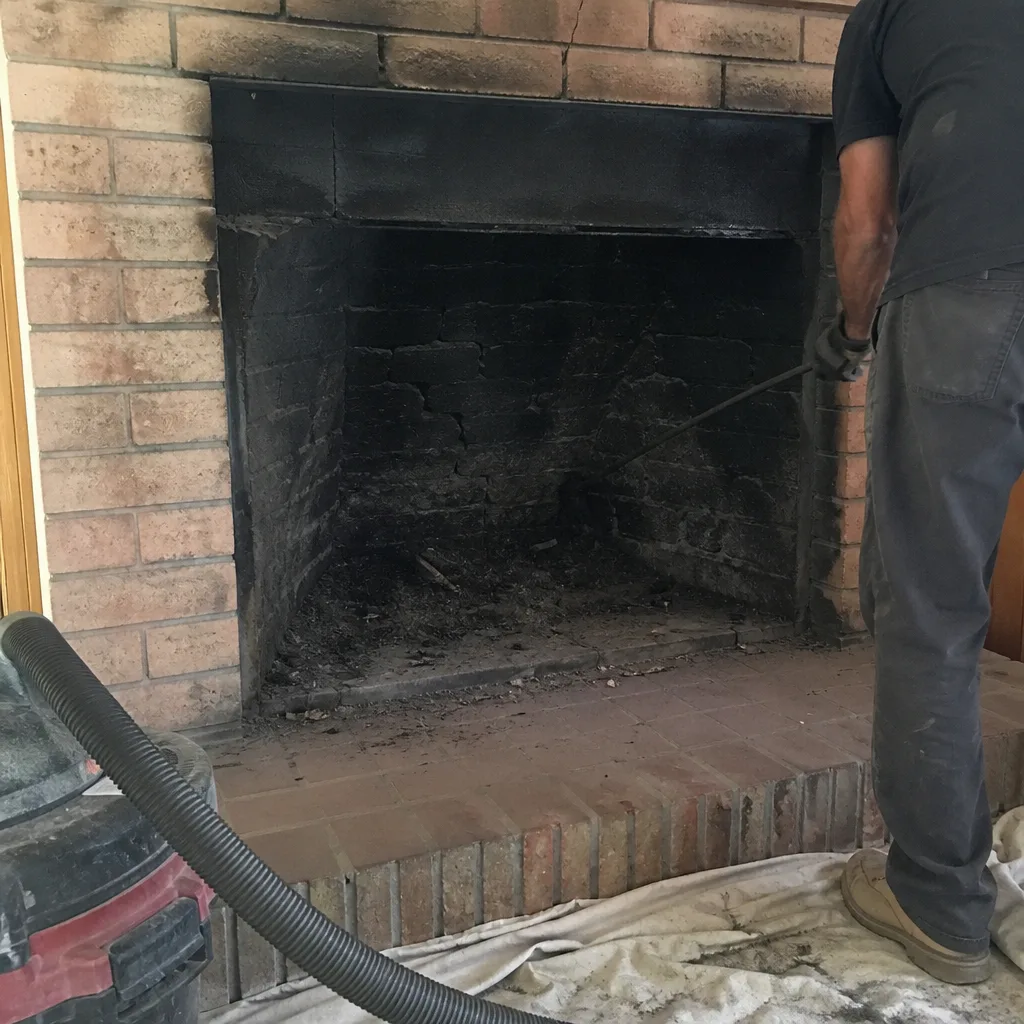 Before
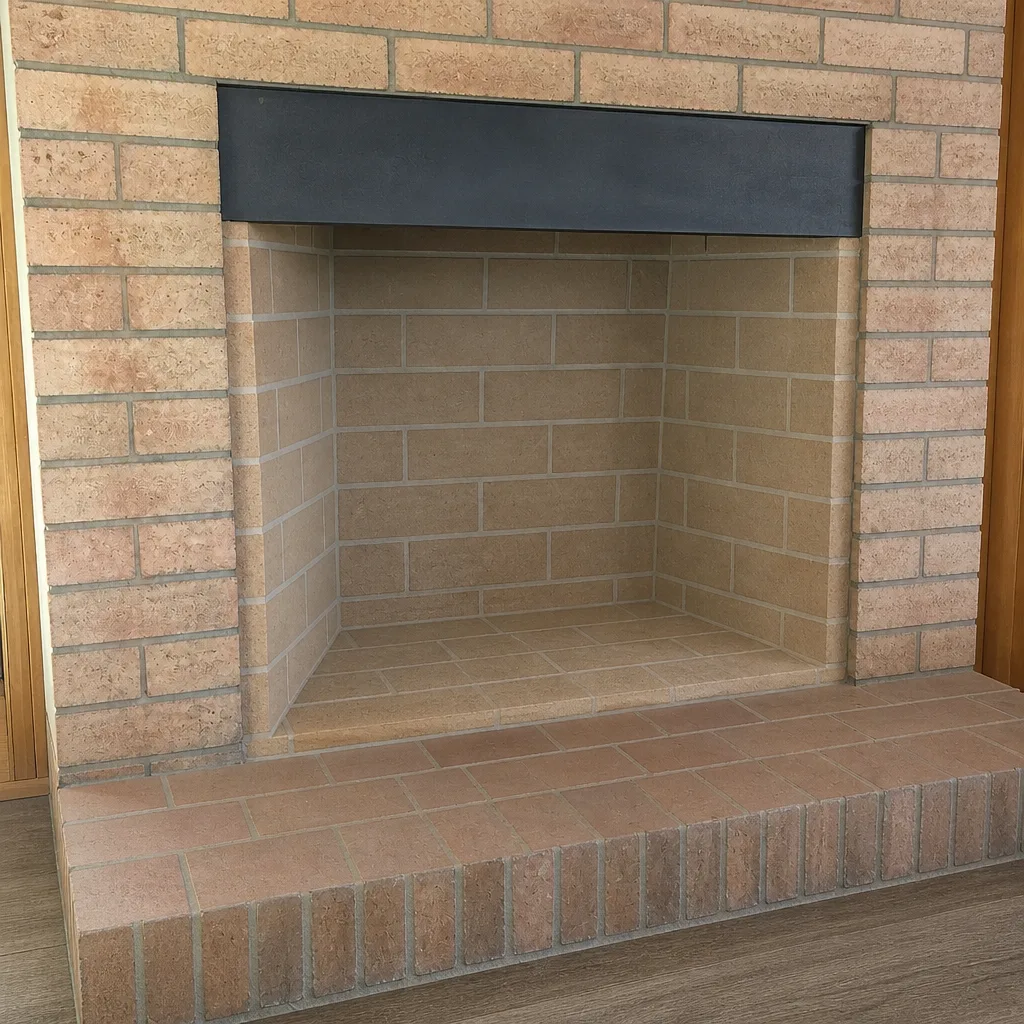 After
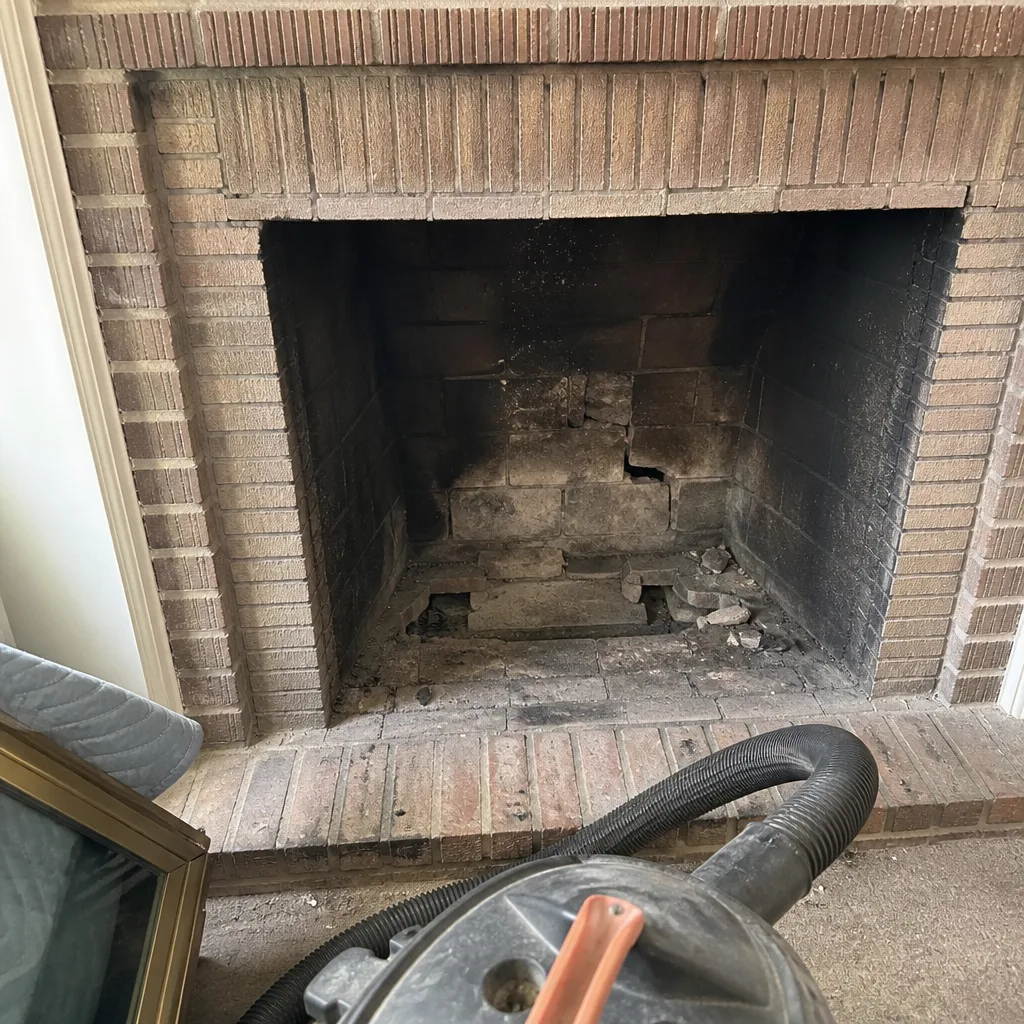 Before
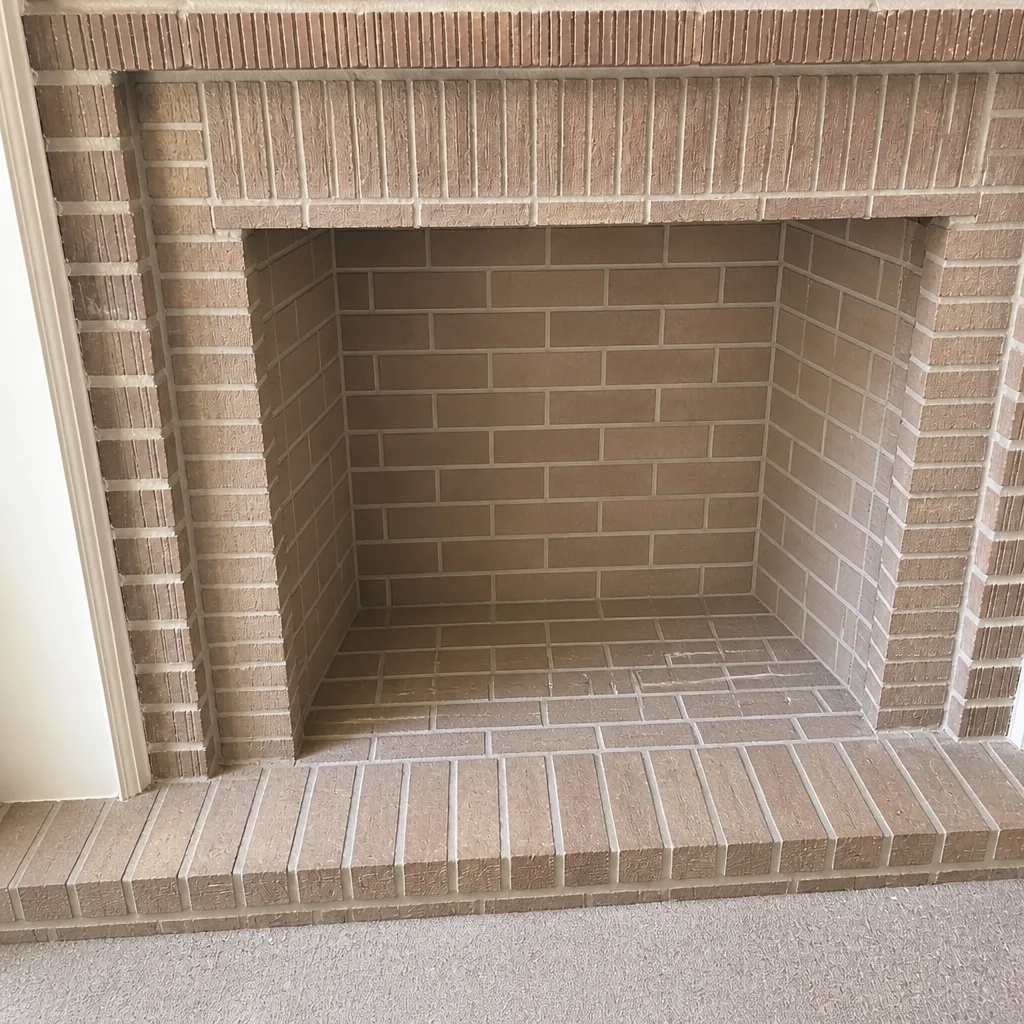 After
HeatShield Products We Service & Install in Glendale
We service and install the HeatShield product types that come up in Glendale chimney work most often. The kinds of HeatShield products we cover include firebox resurfacing (the cast refractory liner applied over mortar joints), smoke-chamber resurfacing (parging over corbeled masonry), crown repair using refractory crown mix, and joint repair inside fireboxes using refractory mortar. Most jobs combine two or three of these. A firebox resurfacing without a crown repair usually fails, because moisture keeps getting in behind the new coating. We treat them as one system for that reason. Firebox repair, crown repair, and Level 2 inspection are the sub-services we do most of on HeatShield chimneys in Glendale.
We Also Service These Brands
HeatShield isn’t the only name-brand material in our toolkit. We install DuraFlex flexible liner systems for relining work, and we service Gelco products in the same visit when they’re part of the chimney. Being a multi-brand specialist means we recommend the material that fits the job, not the brand we happen to carry. That’s how a HeatShield chimney gets the right repair rather than a forced one.
FAQs – HeatShield Chimney Cleaning Service in Glendale
Is my HeatShield resurfacing a permanent fix for a cracked firebox? No. HeatShield resurfacing is a long-lasting repair, not a permanent one, because heat cycling and moisture will keep working on the firebox. A properly applied job with a sound substrate holds up for years, but it’s still a repair, and it needs to be checked periodically. The crown that lets moisture in behind it needs to stay sealed for the repair to last.
Can HeatShield be applied over a firebox that already has a previous refractory coating? Not directly. A previous coating has to come off first, because new material laid over an old layer that’s already delaminating will fail the same way. If the old coat is sound and fully bonded, it may be possible to prep and recoat, but only a hands-on inspection tells you which situation you’re in.
Does HeatShield work in Glendale’s summer heat and monsoon humidity? Yes, with the right application. Glendale’s heat is hard on cure timing, and monsoon-season humidity affects moisture in the masonry, so the material has to go on when the substrate is properly dry. That’s a scheduling and prep question, not a product limitation.
How soon can a fireplace be used after HeatShield is applied? It depends on the cure. The material needs time to set and dry fully before the first fire, and that window is set by the product’s application specs, not by convenience. We’ll tell you exactly how long to wait before you light the first burn.
Is HeatShield resurfacing covered by a chimney sweep’s workmanship guarantee? That depends on the sweep, not the product. HeatShield itself is material from the manufacturer’s supply chain, and the application is our work. What we can tell you is that we stand behind the application: proper prep, correct thickness, and honored cure time are the reasons a resurfacing job holds. Ask any contractor what their workmanship coverage looks like before you book.
How much does HeatShield chimney cleaning cost in Glendale? There’s no flat rate, because the cost depends on what the firebox needs: a sweep and inspection alone is one thing, a firebox resurfacing plus crown repair is another, and a smoke-chamber job with reset corbel adds more. We give you a written estimate for the specific work before anything starts, and the estimate is free. Call (833) 734-6139 for an exact quote. We answer 24/7. Fast dispatch from 7am to 7pm, Sunday through Friday.
Book Your HeatShield Service in Glendale, AZ
HeatShield resurfacing done right depends on prep, moisture control, and honest diagnosis of whether your firebox can hold the repair. That’s the work we do in Glendale. Call (833) 734-6139. We answer 24/7. Fast dispatch from 7am to 7pm, Sunday through Friday. Estimates are free.
Written by the team at Chimney Sweep Glendale.