
Last updated November 15, 2026
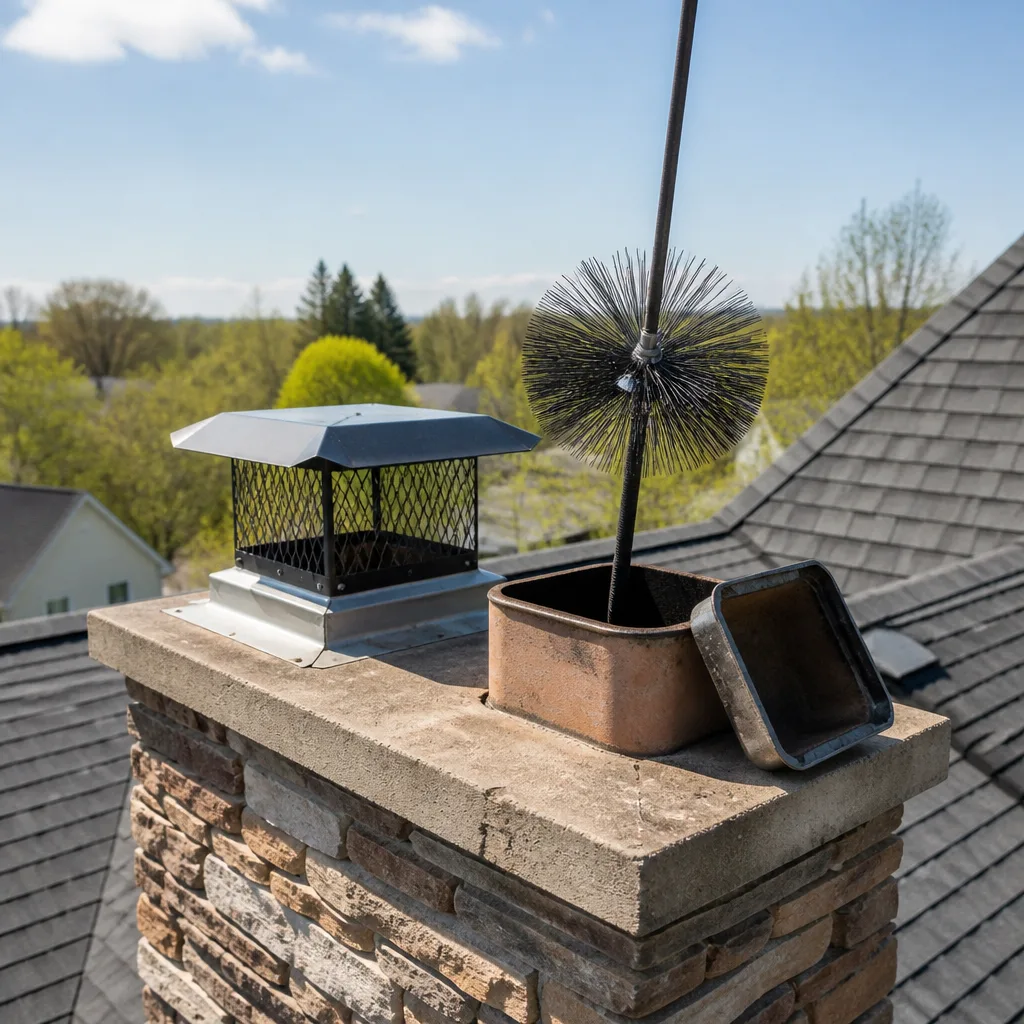 Sweep & inspection
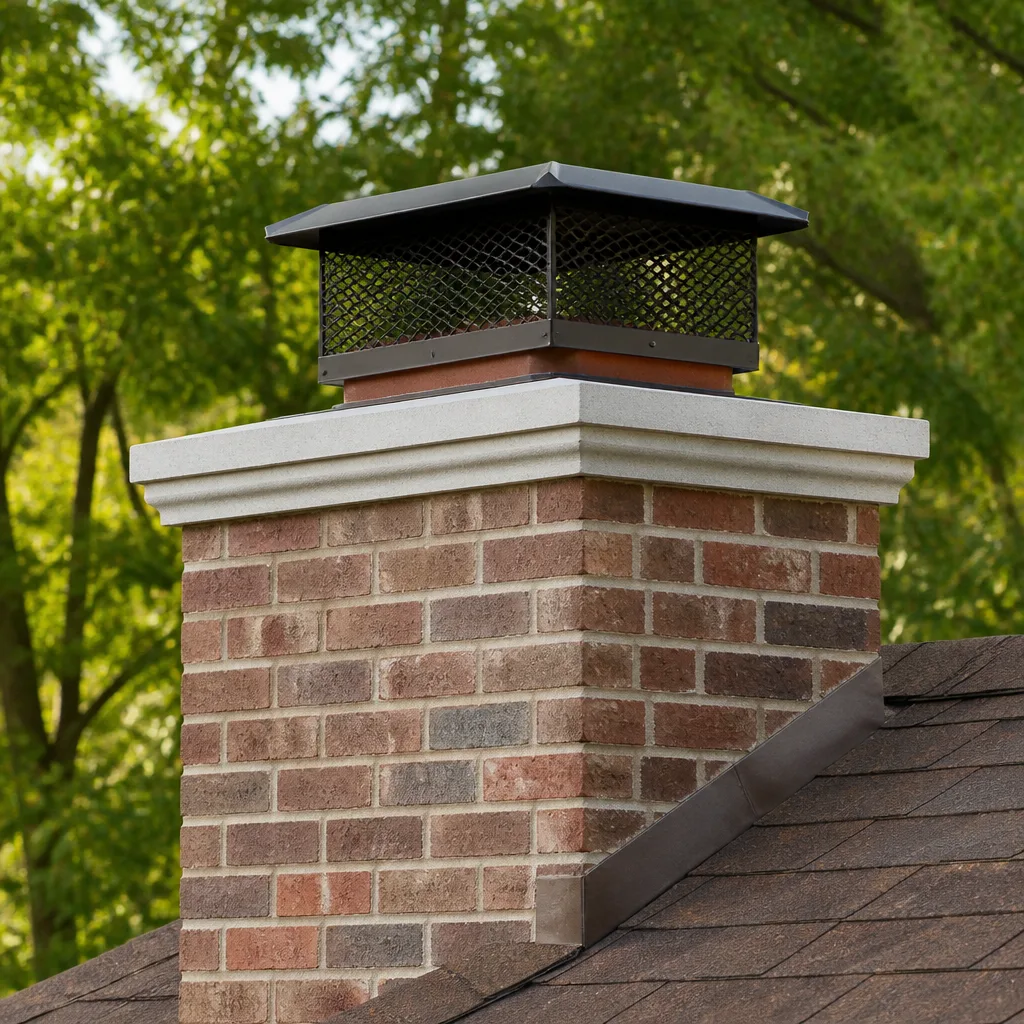 Caps & crowns
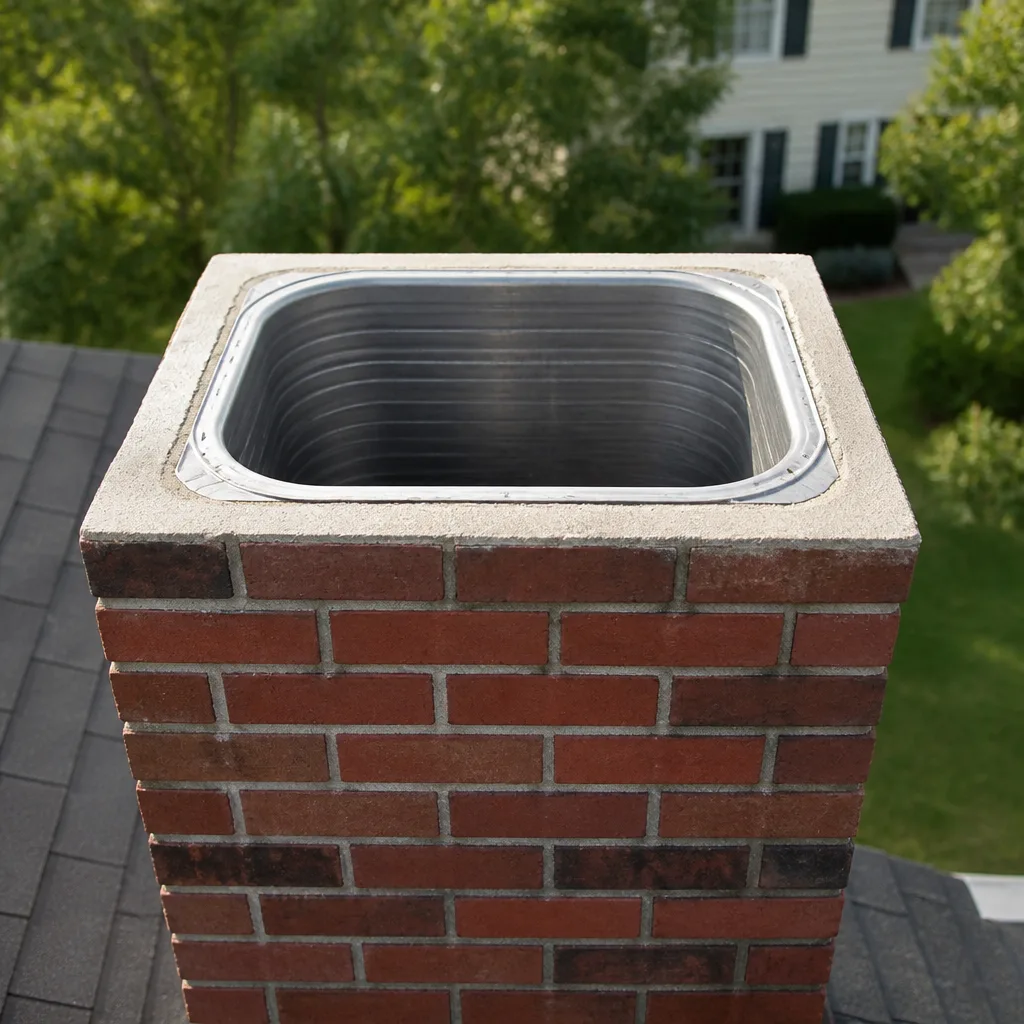 Flue relining
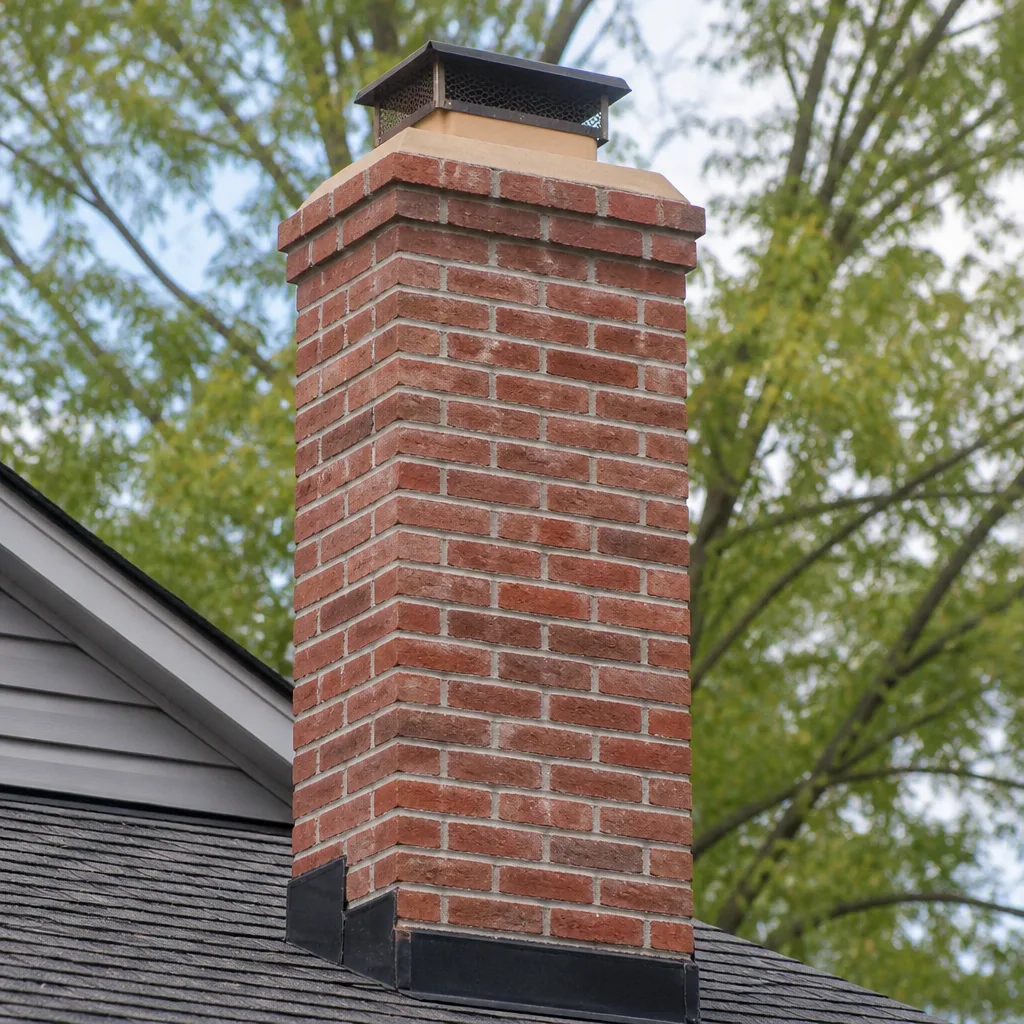 Masonry repair
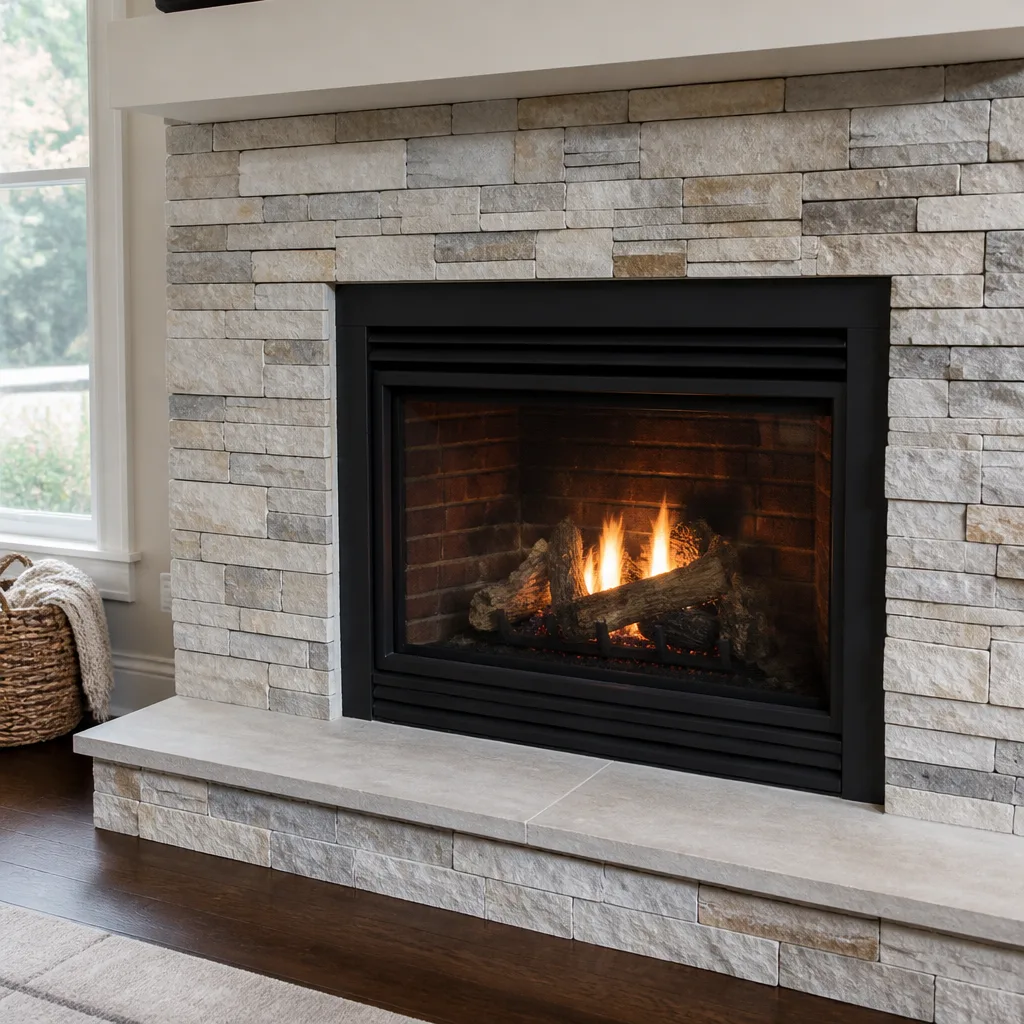 Gas fireplace service
Level 1 sweep and inspection to the NFPA 211 annual standard - flue, crown, cap, and flashing checked and photographed
Chimney sweep logs do not sweep chimneys. They loosen some creosote - which then falls where a brush and vacuum still have to collect it.
Chimney Cleaning Warning Signs: A Glendale Homeowner’s Reference Guide
White staining on your chimney’s exterior isn’t a cosmetic problem. It’s efflorescence, and it means water is moving through your masonry from the inside out. In Glendale’s monsoon climate, that staining is often the first visible sign of a structural moisture problem that has been developing quietly for a season or two.
Most chimney warning-sign guides are written for cold, wet climates. They talk about freeze-thaw damage, ice damming, and snow loads. None of that applies here. Glendale chimneys fail differently. Thermal shock from triple-digit summers, dust and debris carried on monsoon winds, and long idle months that invite animals in. This guide is built around the failure patterns we actually see in Glendale, and it will teach you which symptoms demand immediate action and which can wait for your next scheduled sweep.
Quick Answer
The most serious chimney warning signs in Glendale are white efflorescence staining, spalling brick, cracked cap seals, smoke rolling back into the room, and strong odors that persist between fires. Any of these points to a moisture, draft, or creosote problem that should be inspected before your next burn. Sounds of scratching or a sudden ammonia smell usually mean animals or insects have moved in, especially after a chimney sits idle through a Glendale summer. Structural symptoms like loose brick, a leaning stack, or a damper that won’t seal are the ones that can’t wait.
Styles & brands we work with
- Sweep & inspection
- Caps & crowns
- Flue relining
- Masonry repair
- Gas fireplace service
Table of Contents
- Exterior Warning Signs: What Desert Conditions Do to Masonry
- Interior Warning Signs During and After Burning
- Sounds and Smells: Animal and Insect Intrusion
- What Your Damper Is Telling You About the Smoke Chamber
- Immediate Repair vs. Monitor Until Next Sweep
- Why Glendale Chimneys Fail Differently Than National Guides Describe
- Common Mistakes to Avoid
- When to Call a Professional
Exterior Warning Signs: What Desert Conditions Do to Masonry
Walk outside and look at your chimney the way you’d look at a roof. The exterior tells you what’s happening inside the flue, often before you notice anything from the fireplace. Glendale’s climate creates a specific pattern of exterior wear, and once you know what to look for, most of it is visible from the ground with a pair of binoculars.
Efflorescence: The White Staining That Means Water
Efflorescence is a chalky white deposit that appears on brick or mortar when water dissolves salts inside the masonry and carries them to the surface as it evaporates. On a Glendale chimney, it usually shows up after the monsoon season, when driving rain finds its way into cracks in the crown, around the cap, or through degraded mortar joints. The stain itself is harmless. What it reveals is not. Water is getting in, and it’s finding a path out through your masonry instead of draining away from it.
If the staining is powdery and brushes off, moisture is currently active. If it’s crusty and won’t come off, the problem has been building for a while. Either way, the fix isn’t a coat of sealer over the stain. The fix is finding where the water enters and closing that path.
UV-Bleached Mortar
Arizona sun is hard on mortar. Over years of full-sun exposure, the mortar joints between bricks can bleach, chalk, and crumble. When you can scrape mortar out with a screwdriver or see it receding from the brick faces, the joints are no longer doing their job. Water enters more easily, and the brick above loses support. Repointing with a proper mortar mix restores the joint, and it’s one of the most cost-effective ways to catch a problem before it moves into the chimney structure itself.
Spalling Brick From Thermal Expansion
Spalling is when the face of a brick flakes off, pops, or peels away in layers. In cold climates this is usually blamed on freeze-thaw. In Glendale, the more common driver is thermal expansion and contraction. A chimney surface that bakes in full afternoon sun and cools sharply overnight goes through thousands of expansion cycles. Brick that has absorbed moisture expands differently than dry brick, and the surface layer eventually breaks away. Spalling is a structural signal. If it’s confined to a few bricks, a mason can replace them. If it’s widespread, the chimney is losing its protective shell.
Cap Seal Cracking
The chimney cap and crown sit at the top of the stack, fully exposed. The seal between the crown and the flue is where water most often gets in. Look for a visible gap, a cracked crown, or a cap that’s loose or rusted through. A cap that has failed lets rain straight into the flue, which is the fastest path to interior damage. The other warning sign at the top of the stack is a missing or damaged spark arrestor. If you can see the flue opening from the ground, the cap isn’t doing its job.
Interior Warning Signs During and After Burning
The fireplace itself tells you a great deal, if you know which symptoms mean what. Some interior signs point to a simple draft issue. Others point to creosote buildup at a stage where a chimney fire becomes a real risk. Here’s how to tell them apart.
Smoke Rollback
Smoke rolling out of the fireplace opening instead of going up the flue is the warning sign most homeowners notice first, because it’s impossible to miss. In Glendale, smoke rollback usually has one of four causes:
- A blocked or partially blocked flue. Debris, a bird nest, or heavy creosote is narrowing the passage.
- A closed or partly closed damper. Check this first before assuming anything worse.
- Pressure imbalance. In tightly sealed homes, the chimney can’t draw against the house. Cracking a nearby window during startup is a legitimate short-term test.
- Cold-flue startup on a warm evening. In Glendale’s high-heat air, a flue that has sat at 100°F all day can behave unpredictably on the first fire of the evening. Pre-warming the flue with a rolled newspaper torch helps establish draft.
If rollback persists after the fire has been burning for ten minutes, stop burning and get the flue inspected. Persistent rollback almost always means restricted airflow, and a restricted flue is a chimney fire waiting for the right conditions.
Odor Patterns That Track Creosote Stage
Creosote progresses through stages, and each stage has a characteristic smell. This progression is worth learning because it tells you how urgent a sweep actually is.
- Light, flaky creosote (Stage 1) has a faint woodsmoke smell that mostly disappears when the chimney is cold. A routine sweep removes it easily.
- Brittle, crunchy creosote (Stage 2) smells sharper and lingers longer between burns. It’s harder to remove and burns readily.
- Glazed, tar-like creosote (Stage 3) produces a strong, acrid, almost chemical odor that persists even when the fireplace hasn’t been used in weeks. This stage is the most dangerous because it’s highly flammable and requires specialized removal. Strong creosote odor plus a restricted flue is a stop-burning condition until it’s swept.
If creosote has moved past easy removal, the liner itself may need restoration. We use HeatShield for resurfacing and DuraFlex liner systems for relining because these are the products chimney professionals specify, not the cheapest option on the shelf.
Creosote Risk in Glendale’s Burn Pattern
Here’s a detail most guides skip. Creosote accumulates fastest when a fire burns cool and smolders. Many Glendale households burn occasional evening fires and let the wood smolder out rather than burn hot. That pattern produces more creosote per cord than a hot, frequent-fire burn. If you burn occasional small fires, don’t assume your chimney needs fewer sweeps than a heavy burner’s. It may need more.
Sounds and Smells: Animal and Insect Intrusion
A Glendale chimney that sits idle through the summer is an open, sheltered cavity full of warm air. That’s an invitation to animals and insects. The signs of intrusion are usually audible or olfactory before they’re visible, and catching them early prevents the worst outcome: a blocked flue discovered the first time you try to light a fire.
Sounds That Mean Something Is Living Up There
Put your ear near the fireplace on a quiet morning. If you hear scratching, fluttering, chirping, or a low rustling that isn’t wind, an animal has likely entered through a missing or damaged cap. Birds, squirrels, and bats are common. The sound of a lot of small movement can also mean a nest of insects or yellowjackets has moved in. Any of these is worth a call before the first cold evening.
Smells That Signal Intrusion
Odors are the other telltale sign. A sharp ammonia smell usually means bat guano or urine. A nest odor, like dried grass, dust, or a faint decay smell, is common when a bird has nested in the flue. If you smell something vaguely chemical or sweet, it could be a dead animal in the chase. In Glendale’s heat, these smells intensify quickly, and the flue blockage that comes with them is a genuine draft hazard.
Why Summer Idle Time Matters
The chimney sits warm and open after a spring sweep, and animals move in during the hottest weeks. Then the first fire of the season arrives, and the flue is blocked. Checking the cap and giving the flue a look before the season starts is the single most useful habit for a Glendale homeowner. A proper cap with a spark arrestor and appropriate mesh screening prevents the problem at the source.
What Your Damper Is Telling You About the Smoke Chamber
A damper that feels stiff, loose, or won’t seal fully is sending you information about the condition of the area above it. The damper sits at the throat of the fireplace, and the smoke chamber is the transition zone between the firebox and the flue. When that zone degrades, the damper is often the first component to show it.
Three Damper Symptoms and What They Mean
- Stiff or hard to move. Rust, soot buildup, or warping. In a Glendale chimney, a damper can seize after a hot summer if moisture has been reaching it. A stiff damper isn’t a crisis, but it needs to be freed and checked so it will close completely.
- Loose or rattling. The damper frame or plate has come free of its seat. A loose damper can’t close the flue fully, which lets conditioned air out and heat in, and it can’t open cleanly, which affects draft. The cause is often corrosion in the frame or a damaged pivot.
- Won’t seal fully when closed. Debris, warping, or a misaligned plate. A damper that won’t seal means the fireplace can’t be closed off when the chimney is idle, letting air in and pests move more freely.
What the Smoke Chamber Above Is Doing
When a damper is out of alignment, the smoke chamber above it often has the same problem: rough, cracked, or deteriorated surfaces that catch creosote and slow the smoke. The smoke chamber is the inside of that sloped steel-or-masonry area you can’t easily see. A stiff or worn damper is the reason to have a technician look at the smoke chamber, not a reason to force the handle. Repair here is best done with proper materials. Gelco and Famco both make components designed specifically for this part of the system, and a proper resurfacing job is a different category of work than a general handyman brush-and-go.
If a chimney has structural symptoms, exterior or interior, deep expertise matters. If you’re also looking at exterior masonry, our chimney repair service can assess and restore the stack itself.
Immediate Repair vs. Monitor Until Next Sweep
Not every warning sign is a stop-burning emergency, and not every warning sign can be watched. The practical distinction is simple: signs that affect structure, safety, or the firebox seal need action now. Signs that are cosmetic or early-stage can often wait for the next scheduled sweep without any real risk.
Signs That Need Immediate Attention
- Creosote at Stage 2 or Stage 3. Stop burning until it’s swept. This is the most common cause of chimney fires, and it’s not worth the risk.
- Spalling brick with visible movement. If brick is falling away or the stack is leaning, don’t use the fireplace until a professional evaluates it.
- A failed damper that won’t close or open. Get it evaluated. A stuck damper can cause smoke rollback on every fire.
- Animal intrusion with a blocked flue. Never light a fire when the flue is blocked. Have the nest removed and the flue swept and inspected first.
- Smoke rollback that persists after ten minutes of burning. Restricted airflow is a real hazard and needs inspection.
- White efflorescence combined with any visible moisture on interior walls. Active water intrusion can damage the surrounding structure.
Signs You Can Watch Until the Next Sweep
- Light, flaky Stage 1 creosote. A routine sweep removes it. This is what routine maintenance is for.
- Faint efflorescence with no interior moisture. Schedule a sweep and have it evaluated at that visit.
- A stiff but movable damper. It should be freed and checked soon, but not before you can get it booked.
- A slightly faded mortar joint. Have it repointed at the next visit before it becomes a real issue.
- A small amount of rust on the cap. Rust is a sign to inspect, not a reason to stop using the fireplace.
Why Glendale Chimneys Fail Differently Than National Guides Describe
National chimney content is written for the Northeast, the Midwest, and the rainy Northwest. It’s built around freeze-thaw, ice damming, and snow. None of those forces is at work in Glendale. When you read a national guide and it tells you to look for the damage signs that come with freezing, you’re reading a page for a homeowner in a different climate. Desert conditions produce a different failure pattern entirely.
The Forces Actually at Work Here
- Thermal expansion and contraction. Intense daytime heat and cooler nights cause repeated expansion cycles. This is the main driver of spalling and mortar failure in Glendale, not freezing.
- Monsoon moisture. The rains arrive in concentrated bursts. Water hits a hot chimney, soaks in through any crack, and then leaves as vapor, carrying salts with it. That’s the efflorescence pattern.
- UV exposure. Full sun degrades mortar, seals, and the cap over years of exposure. The sun is a maintenance variable here, not a seasonal one.
- Long idle periods. Fireplaces that sit unused through the hot months become corridors for animals and insects. Ice and snowfall don’t enter the picture.
- Dust and debris loads. Wind carries fine dust and debris that settles in the flue and in the smoke chamber, adding to the creosote accumulation that always affects draft.
We work with Glendale homeowners and see this pattern again and again. The most important thing to understand is that the standard national checklist misses almost all of it. A locally accurate symptom guide means looking at efflorescence first, spalling second, animals third, and creosote throughout. If you’re unsure what you’re looking at, a chimney sweep visit with a camera inspection will show you exactly where the problem is, in plain language. Learn more about our Glendale service area and how we work.
Common Mistakes to Avoid
- Treating efflorescence as a stain to be covered. Sealing over chalky white staining traps moisture in the masonry. The fix is finding the water path and closing it, not painting over the symptom.
- Assuming occasional small fires mean less creosote. Cool, smoldering fires in Glendale actually produce more creosote per cord than hot, frequent burns. Sweep on a schedule, not on a guess.
- Lighting a fire after hearing noises in the flue. A blocked flue causes smoke to backup into the house and can create a serious hazard. Have the flue cleared and inspected first.
- Ignoring UV-weakened mortar because the brick looks solid. The face of the brick can look fine while the mortar behind it is failing. Check the joints with a light scrape before assuming all is well.
- Confusing a cap problem with a crown problem. A missing or rusted cap lets water and animals in. A cracked crown lets water into the masonry itself. Both are fixable, but they require different fixes.
- Waiting until creosote is glazed before calling. Stage 3 creosote is harder to remove and more hazardous to burn under. A routine sweep catches it while it’s still easy to handle.
- Letting a general handyman handle a chimney repair. Chimney systems have their own materials and fit standards. A handyman may be well-meaning, but chimney repair done with the wrong components can fail and leave you with the same problem.
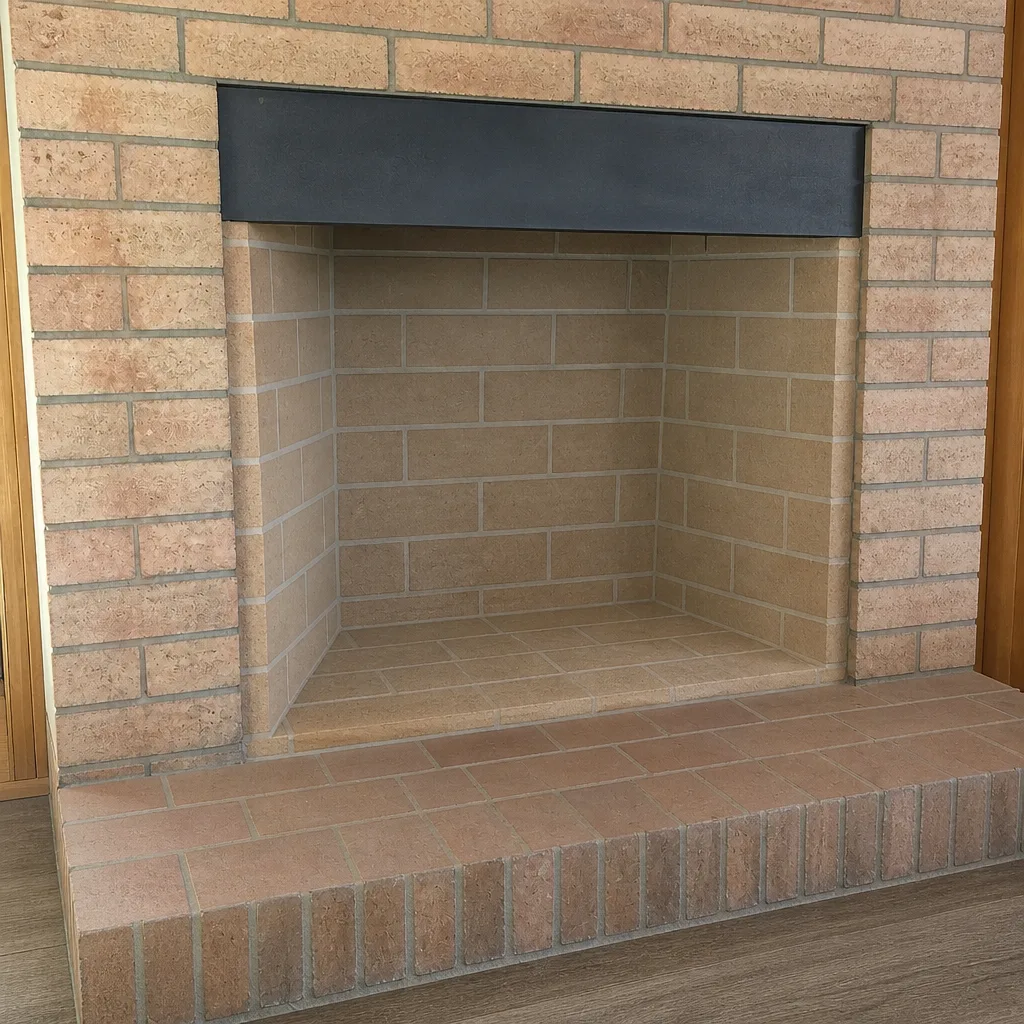
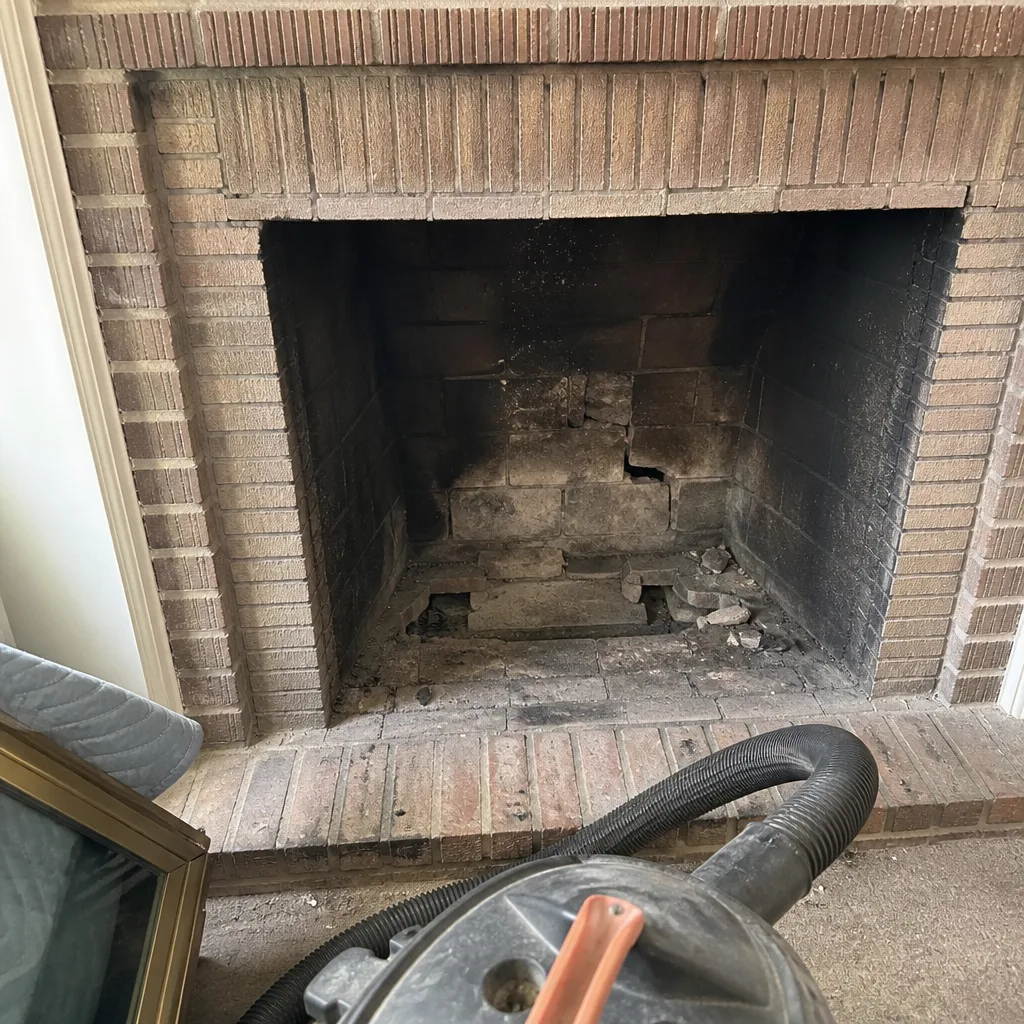
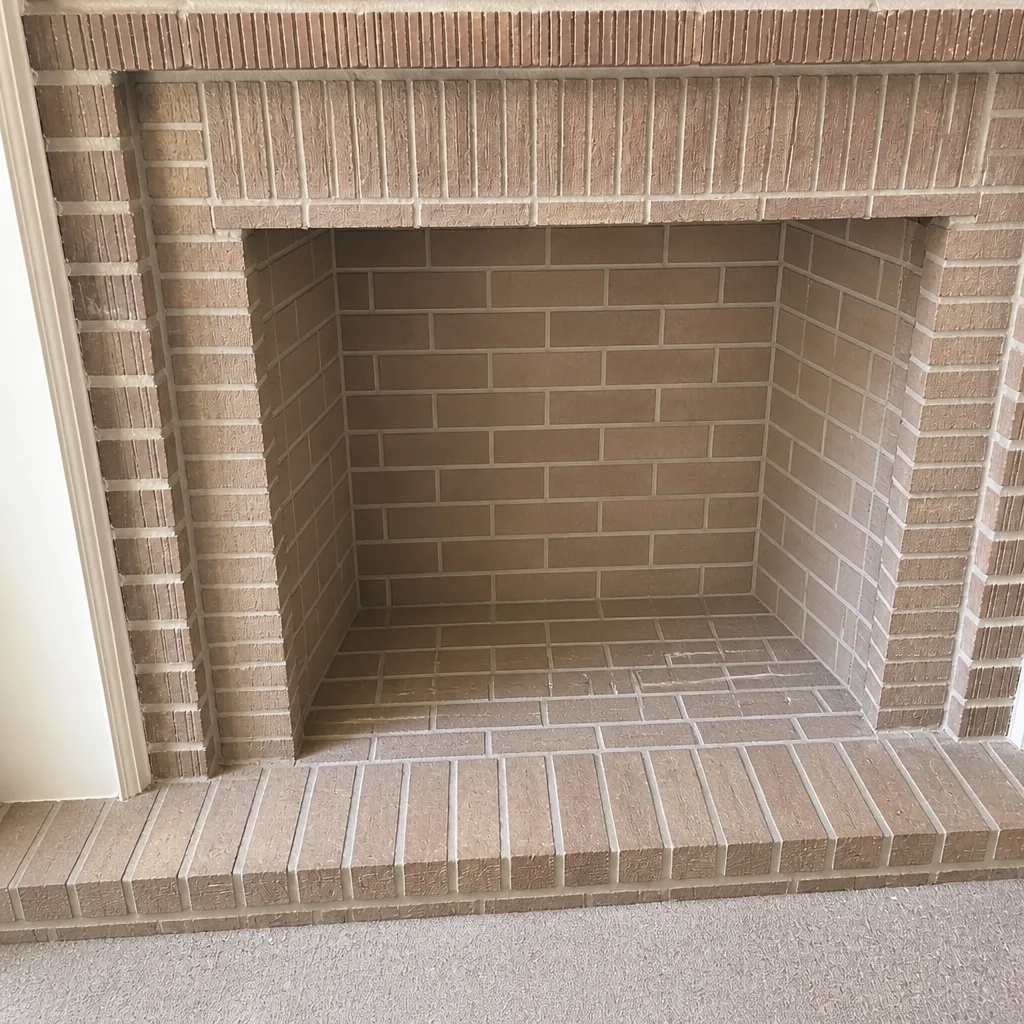
See the difference
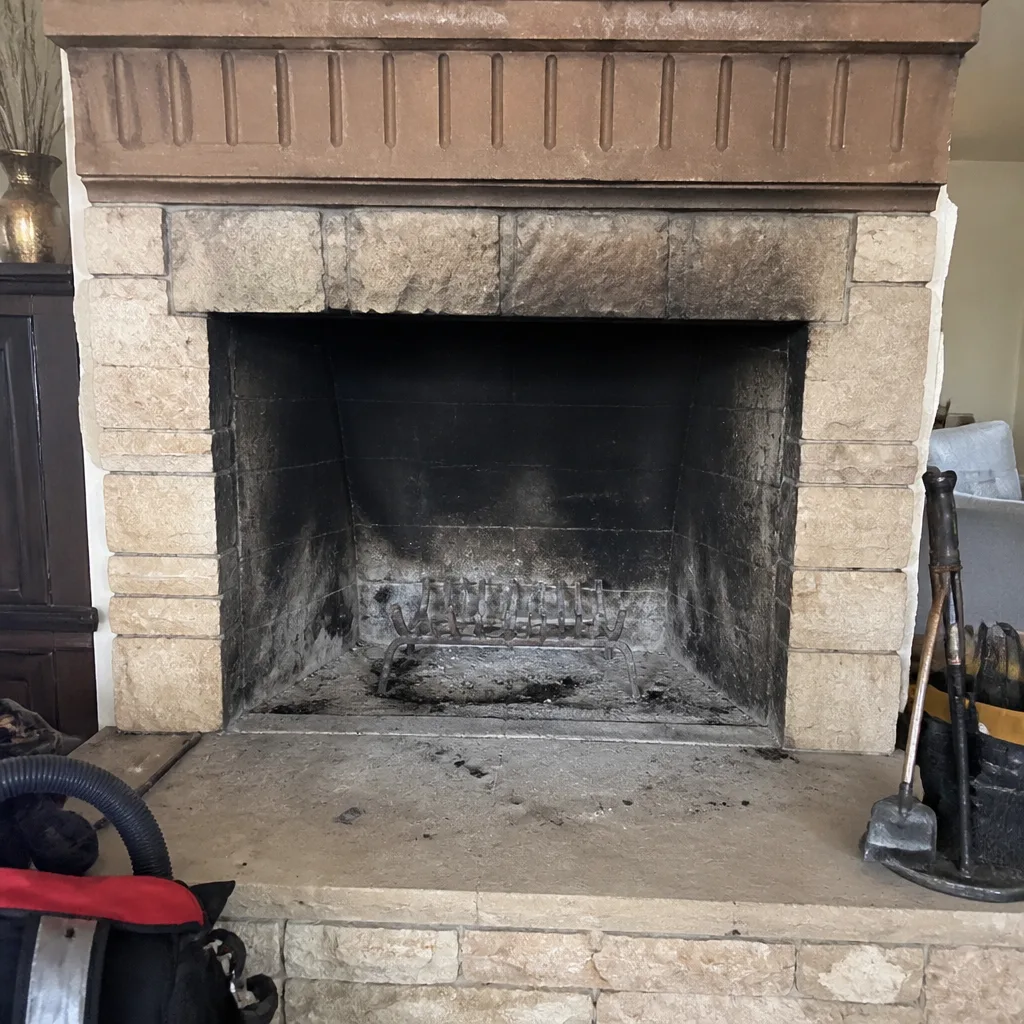 Before
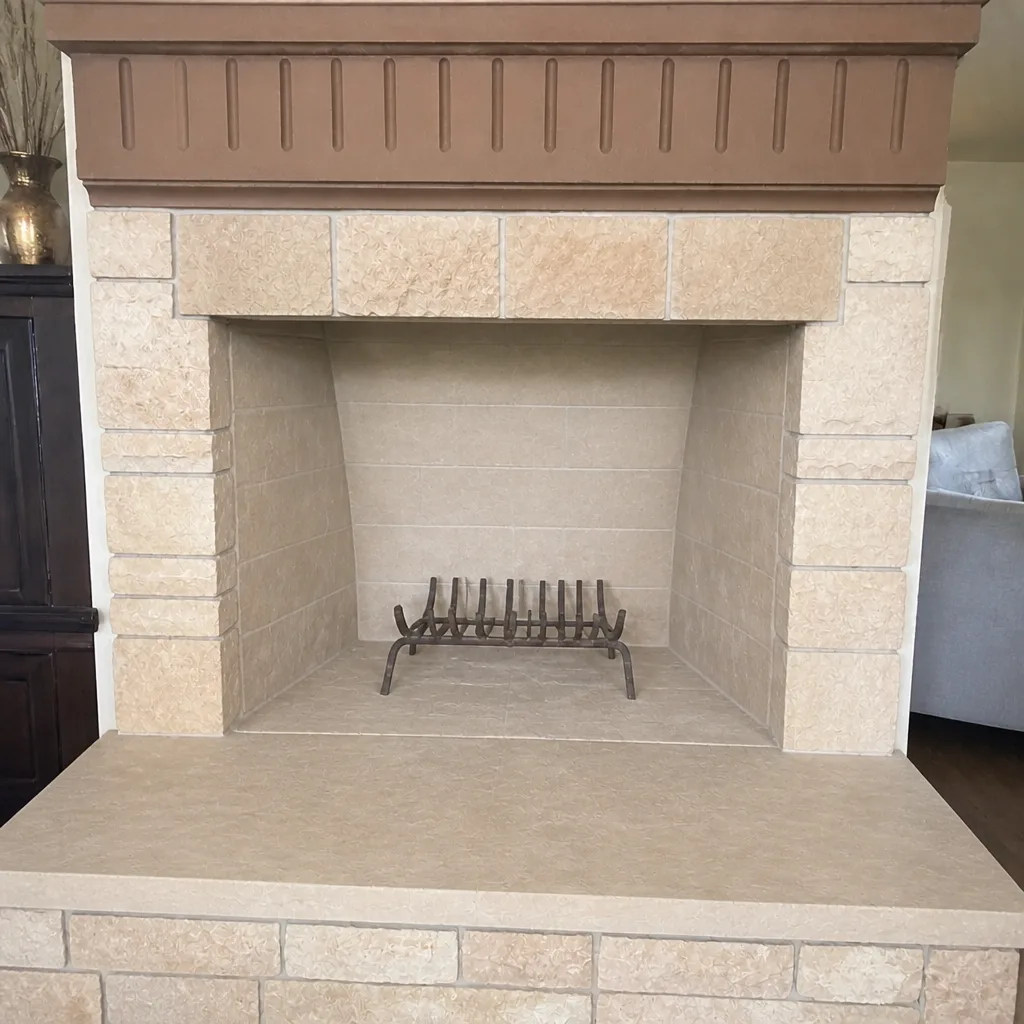 After
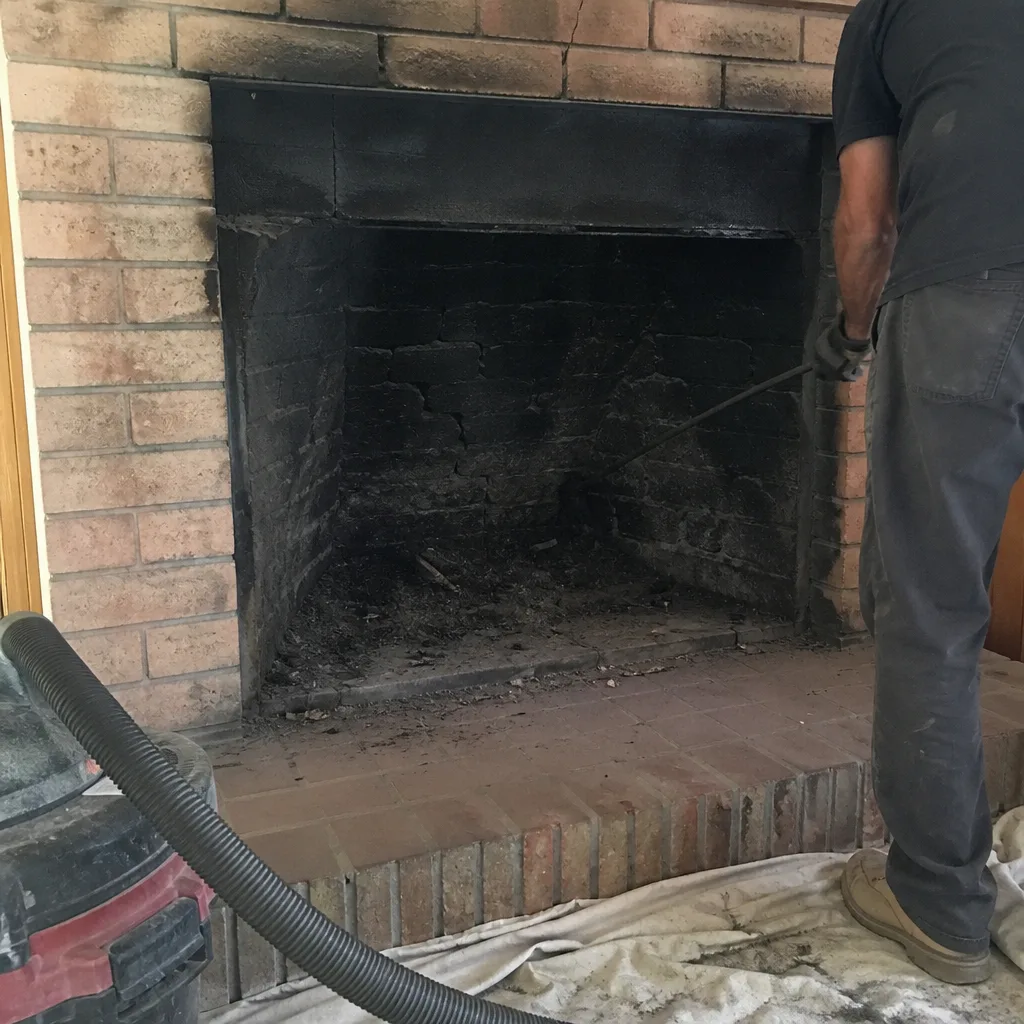 Before
 After
 Before
 After
When to Call a Professional
Call a professional when you see spalling brick, cracked cap seals, persistent smoke rollback, or any sign of animal intrusion. Stage 2 or Stage 3 creosote, a damper that won’t seal, and white efflorescence combined with interior moisture are all reasons to book a visit before you light the next fire. If you’re not sure what you’re looking at, that’s a reason to call too. Chimney Sweep Glendale offers free estimates in Glendale, with a camera inspection and photo report so you can see exactly what we found. Call (833) 734-6139. We answer 24/7. Fast dispatch from 7am to 7pm, Sunday through Friday.
Frequently Asked Questions
A standard chimney sweep in Glendale typically runs in the $150 to $300 range, with the exact cost depending on the flue condition and whether a camera inspection is part of the visit. The written estimate you get before any work sets the final price, and there’s no surprise cost added after the job. Call (833) 734-6139 for an exact quote. Estimates are free.
Not necessarily. A liner needs replacing when the existing one is cracked, deteriorated, or the wrong material for what you burn, and the camera inspection will show you exactly why. We won’t recommend a liner without video and photographic evidence of the condition, and we’ll tell you plainly when the current liner is serviceable. If relining is required, we install DuraFlex flexible liner systems because that’s what professional chimney technicians specify. Call (833) 734-6139 to schedule an inspection. Estimates are free.
Most wood-burning chimneys in Glendale should be swept once a year, and gas-burning fireplaces should be inspected annually as well. If you burn occasional fires that smolder out, you may build creosote faster than a heavy burner and should be swept on schedule rather than waiting for symptoms. The sweep is done on a booked visit, and the right time is before the burn season, not in an emergency. Call (833) 734-6139. We answer 24/7. Fast dispatch from 7am to 7pm, Sunday through Friday.
Skipping a sweep lets creosote accumulate to Stage 2 and Stage 3, which is the condition most chimney fires start under, and it lets small problems like UV-weakened mortar and a failing cap go unnoticed. Carbon monoxide risk rises when the flue is restricted by creosote or a blocked passage. The cost of prevention is far lower than structural repair. Call (833) 734-6139 to book a sweep. Estimates are free.
Efflorescence itself is harmless, but it’s a signal that water is moving through the masonry, which can lead to spalling and structural damage if it’s ignored. In Glendale, it often shows up after monsoon rain finds a crack in the crown or mortar. Have it inspected, and don’t seal over it. Call (833) 734-6139 to schedule an inspection. Estimates are free.
Some homeowners do light maintenance, but a thorough sweep with a camera inspection isn’t a DIY job, and we don’t recommend getting on the roof or working inside the flue yourself. Creosote at Stage 2 and 3 requires specific removal methods, and the inspection is where the real value is. Call (833) 734-6139 to book a sweep. Estimates are free.
The Bottom Line
Glendale chimneys fail in patterns that national guides don’t describe. White efflorescence means water is moving through your masonry. Spalling brick means thermal expansion is breaking down the shell. UV-weakened mortar lets water in even when the brick looks solid. Inside, persistent odors and smoke rollback tell you what’s happening in the flue, and animals that move in during the idle summer are common here. The damper and smoke chamber are often the first place a structural issue shows. Learn these symptoms and you’ll know which ones can wait for your next sweep and which ones mean stop burning until it’s inspected. Chimney Sweep Glendale handles the sweep, the inspection, and the repair in a single visit, with brand-name materials you can look up.
If you’re seeing any of these warning signs, or you’re simply due for a sweep before the next burn season, call (833) 734-6139. We answer 24/7. Fast dispatch from 7am to 7pm, Sunday through Friday. Chimney Sweep Glendale offers free estimates, and our technicians have up to 8 years of experience. Estimates are free.
Written by the team at Chimney Sweep Glendale.