
Last updated November 15, 2026
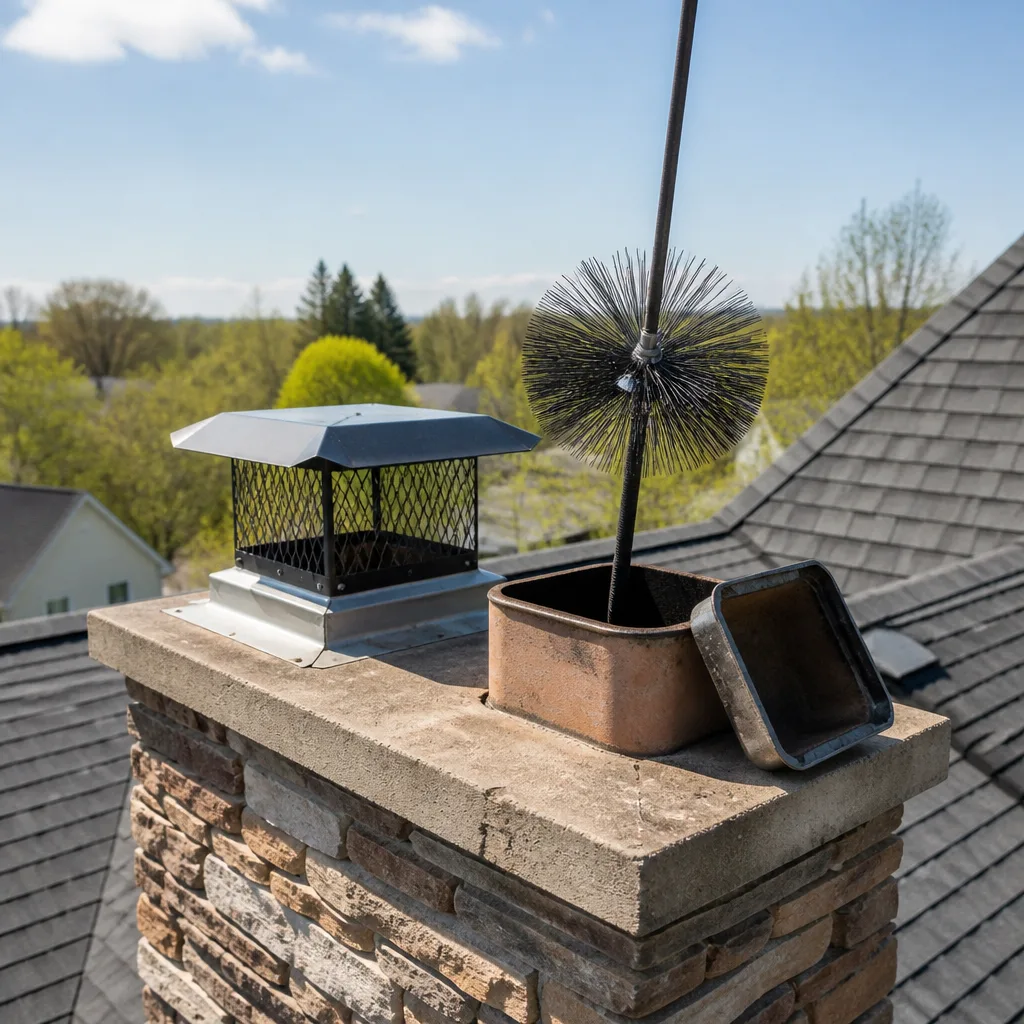 Sweep & inspection
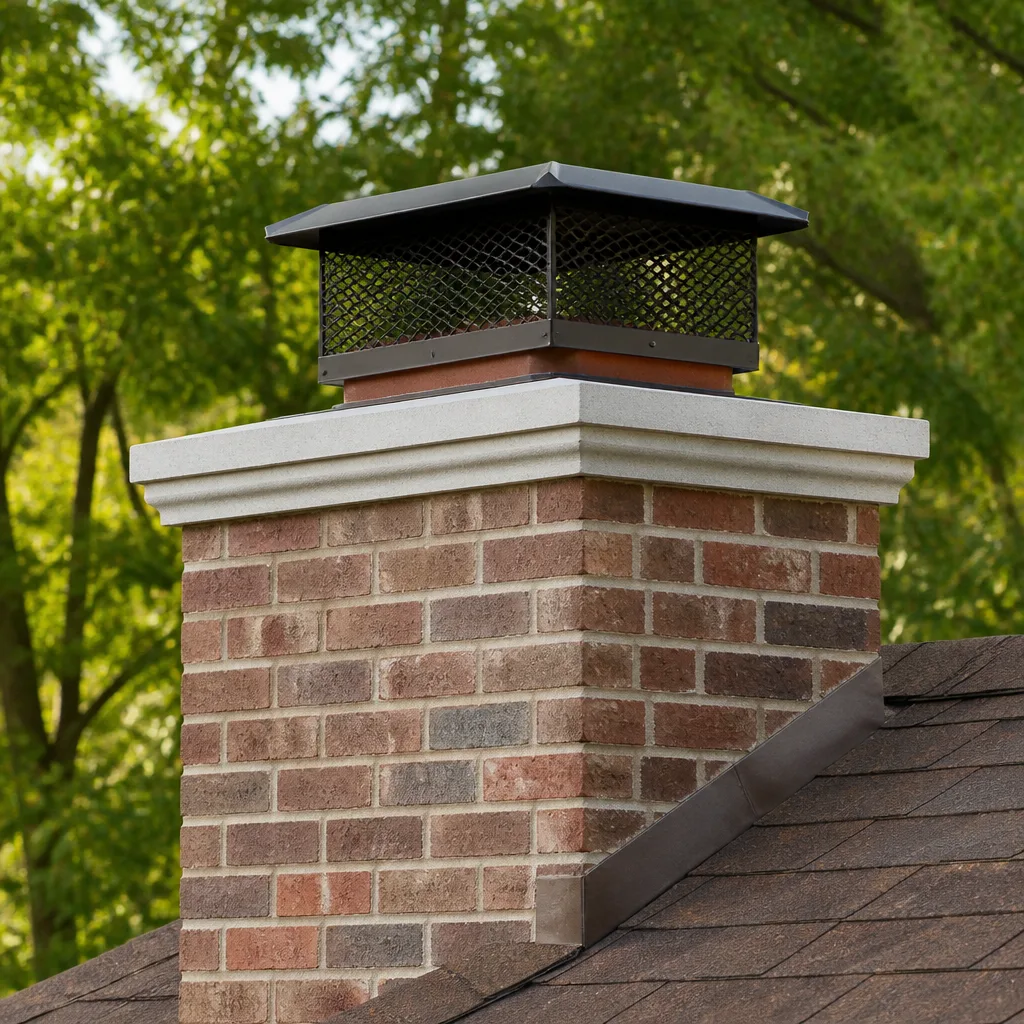 Caps & crowns
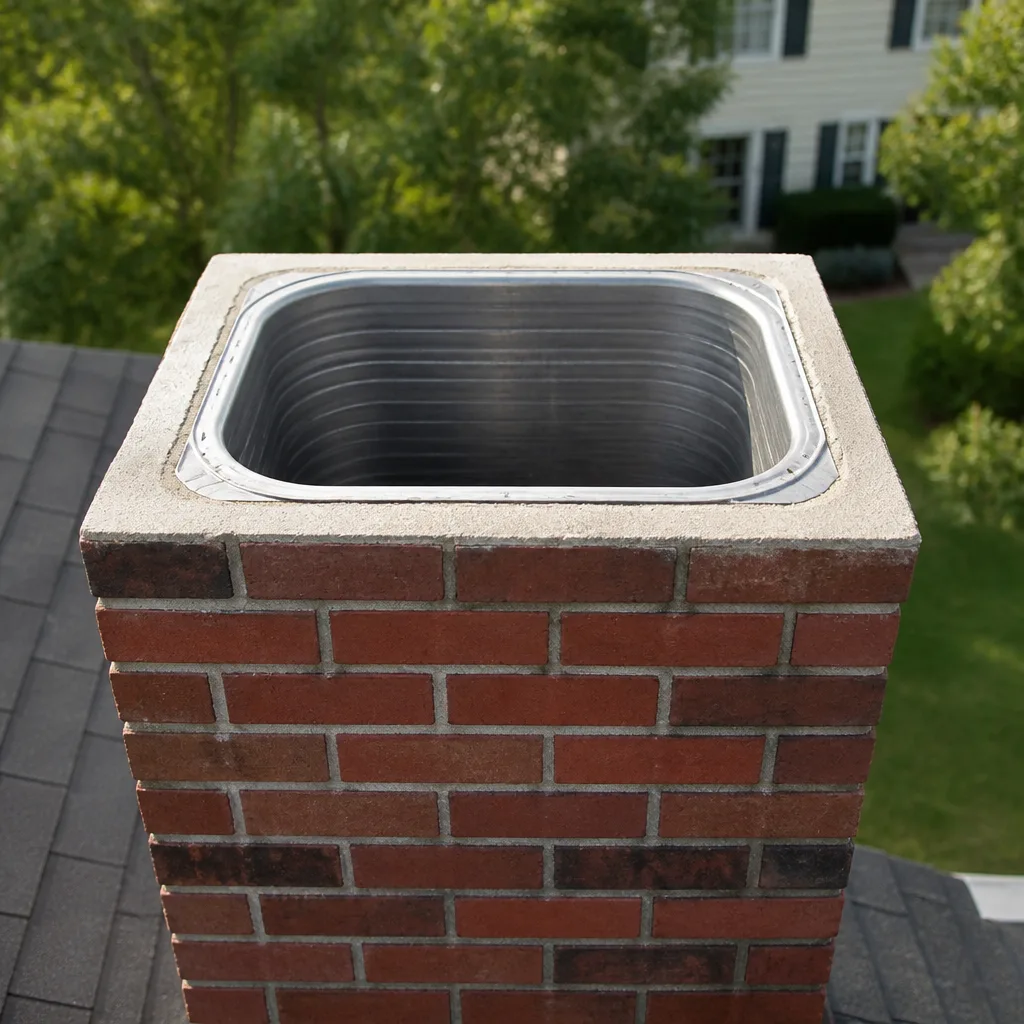 Flue relining
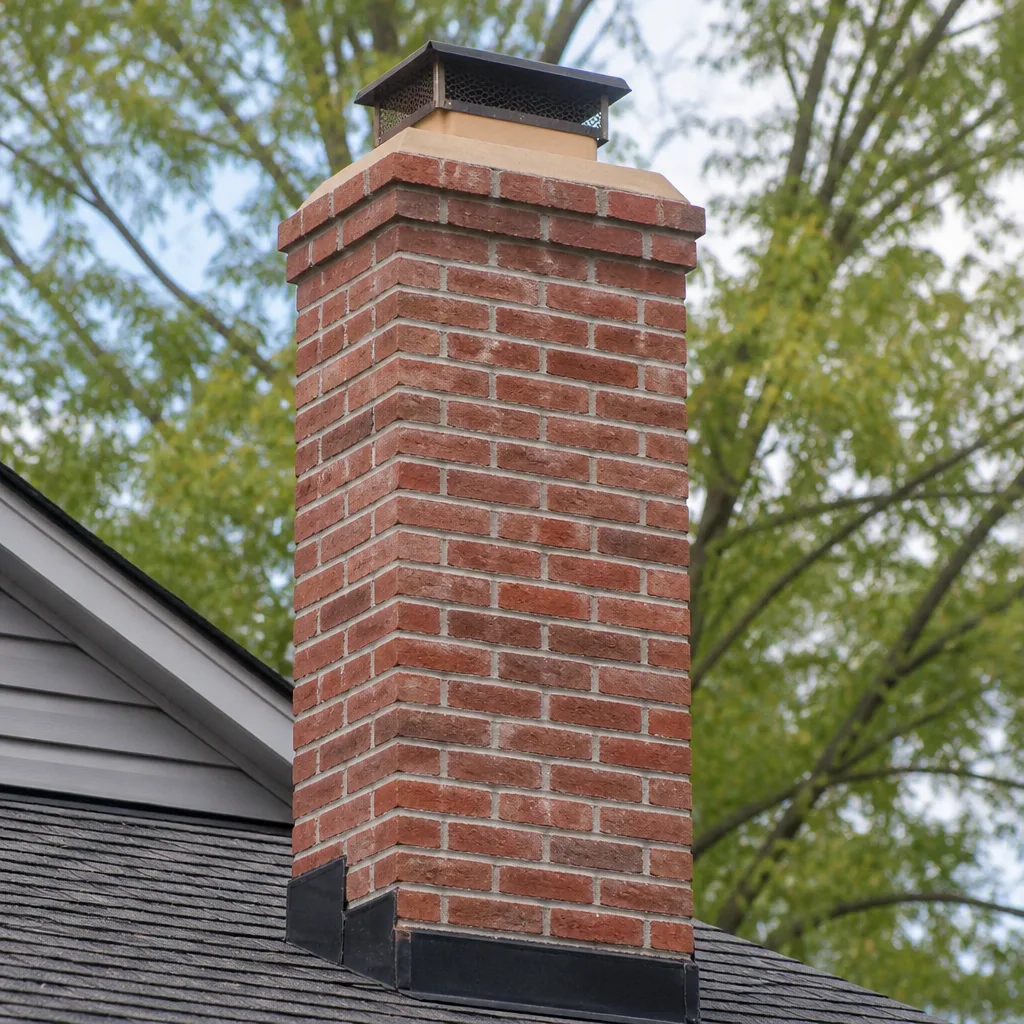 Masonry repair
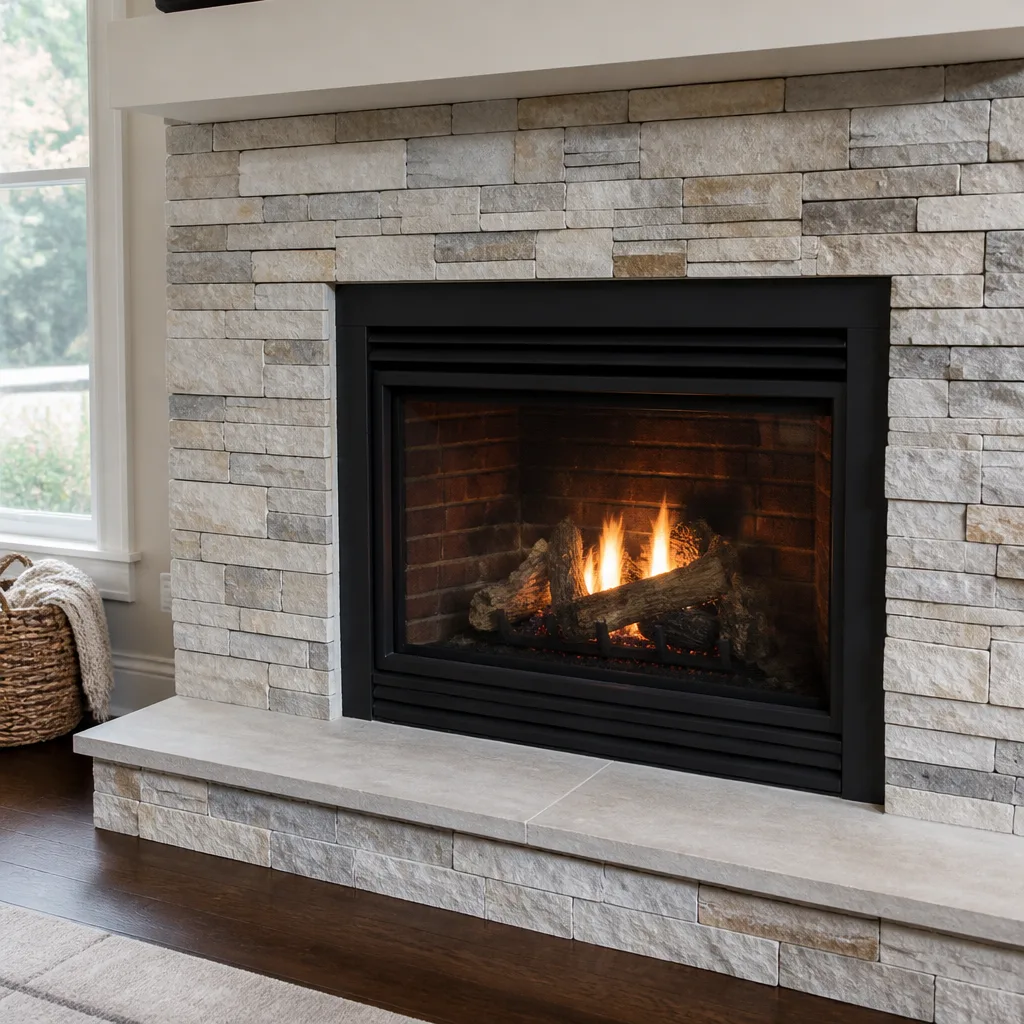 Gas fireplace service
Level 1 sweep and inspection to the NFPA 211 annual standard - flue, crown, cap, and flashing checked and photographed
Chimney sweep logs do not sweep chimneys. They loosen some creosote - which then falls where a brush and vacuum still have to collect it.
Chimney Sweep Maintenance Checklist for Glendale Homeowners
The standard “annual sweep before winter” advice was written for Ohio. In Glendale, the chimney hazard calendar runs backwards: your system takes its hardest hit in summer, not fall. Monsoon winds drive dust, grit, and roof debris into caps and flues from June through September, long before you light the first fire. By the time winter arrives, the damage is often already done and hidden. This guide gives you a checklist tied to Glendale’s actual climate events, not a generic seasonal template. You’ll learn what you can safely check yourself, what needs a trained technician, and when in the local calendar each task matters most.
Quick Answer
A proper chimney maintenance checklist for Glendale homeowners follows four annual checkpoints: pre-monsoon (May), post-monsoon (October), pre-burn season (November), and post-burn season (spring). Each checkpoint covers cap and crown inspection, damper function, flue condition, and creosote buildup. Visual checks you can do yourself catch surface problems; anything involving the flue interior, spring-loaded parts, or structural cracking requires a sweep with camera tools.
Styles & brands we work with
- Sweep & inspection
- Caps & crowns
- Flue relining
- Masonry repair
- Gas fireplace service
Table of Contents
- Why Glendale’s Chimney Calendar Runs Backwards
- Checkpoint 1: Pre-Monsoon (May)
- Checkpoint 2: Post-Monsoon (October)
- Checkpoint 3: Pre-Burn Season (November)
- Checkpoint 4: Post-Burn Season (Spring)
- What You Can Safely Check vs. What Needs a Pro
- Cap and Crown Inspection Criteria for Arizona Conditions
- Damper Function Tests and Dust-Related Wear
- Replacement Intervals for Name-Brand Chimney Components
Why Glendale’s Chimney Calendar Runs Backwards
Most chimney maintenance guides assume a cold-weather climate where the threat is freeze damage and snow intrusion. Glendale doesn’t work that way. Our summers are the punishing season. From June through September, monsoon storms push dust and debris against rooflines, thermal expansion cycles stress masonry, and the dry heat bakes out whatever moisture the summer rains introduced. A chimney that sits through a Glendale summer without inspection can accumulate enough grit and surface damage to create real problems by the time you want to burn.
The second thing that makes Glendale different is the dust. Fine desert dust settles into every gap, hinge, and bearing surface on your chimney assembly. Dampers, in particular, wear faster here than in humid-climate homes because the abrasive grit works into the pivot points and the dry air doesn’t wash it away. If you’ve owned a chimney in a wetter part of the country, the maintenance rhythm you learned there doesn’t transfer cleanly to a Glendale home.
What that means practically is that your four annual checkpoints land differently on the calendar than the national advice suggests. The heaviest inspection burden falls right after monsoon season and right before burn season, with lighter checks in spring and early summer. We’ve watched enough Glendale chimneys to know the pattern: the homes that get inspected in October and November are the ones that don’t surprise anyone in January.
This checklist is built around those four checkpoints. Each one covers the specific components worth examining at that moment in Glendale’s year, so you’re not doing the same generic walkthrough four times but rather catching each component when it’s most vulnerable.
Checkpoint 1: Pre-Monsoon (May)
The pre-monsoon check in May is about preparation. Monsoon season in Glendale brings wind-driven rain and dust that will find every gap in your chimney system. Your job in May is to make sure there are no gaps to find.
- Inspect the cap from the ground. Use binoculars from your yard. Look for a missing cap, a loose cap, or a cap with visible rust or bent edges. A cap that isn’t secure will let debris and water straight into the flue during monsoon winds.
- Check the crown for surface cracks. The crown is the concrete or mortar cap on top of the chimney. Fine hairline cracks are normal; any crack wide enough to slide a coin into is not, and it should be repaired before the rains arrive.
- Clear roof debris away from the chimney base. Glendale trees and wind-blown material collect at the chimney-roof junction. Clear it before it becomes a moisture trap.
- Close the damper and look for daylight around it. A damper that doesn’t seat fully will let dust blow inside during monsoon storms. If you see light, note it for the technician.
- Look at the flashing, the metal seal where the chimney meets the roof. Lifted or missing flashing is the single most common pre-monsoon leak source on a Glendale chimney. You can spot it visually, but you shouldn’t climb up to fix it.
The May checkpoint is the one most homeowners skip because the fireplace is the last thing on their mind in warm weather. But it’s the checkpoint that protects the other three. A missing cap in May becomes a water-damaged flue by October, and by the time you notice the smell or the draft problem, you’re looking at a real chimney repair instead of a simple cap replacement. That’s the pattern we see most often in the Glendale homes we inspect.
Checkpoint 2: Post-Monsoon (October)
October is the recovery check. Monsoon season has passed, and whatever it did to your chimney has now settled in. This is the checkpoint where the most problems get caught, and it’s the one Glendale homeowners should treat as their primary annual inspection.
- Full cap and crown inspection. Look for new spalling, which is flaking or crumbling concrete on the crown surface. Spalling after a Glendale summer is common and needs attention before winter.
- Look for water staining on the interior walls. Brown streaks or dark patches on the fireplace surround or the flue walls mean monsoon water got in somewhere.
- Check the firebox for cracks. The firebox is the chamber where the fire burns. Cracks in the firebox masonry or the brick joints need evaluation before you burn again.
- Test the damper movement. Open and close it several times. It should move smoothly. Stiffness or grinding after a dust-heavy summer means grit has worked into the mechanism.
- Smell the flue when the fireplace is cold. A strong creosote or soot smell on a cold day means the flue needs cleaning before burn season, not after.
The October check is also the right time to schedule a chimney sweep if you haven’t had one in the past year. Glendale homes burn more in a single season than many homeowners in milder climates realize, and creosote accumulates faster than most people expect. Getting the sweep done in October means you start the burn season with a clean flue and a fresh inspection report in hand.
This is where our inspection process earns its keep. We run a camera through the flue so you can see, on-screen, exactly what we’re seeing. You don’t take our word for it, and nothing gets recommended without visual evidence you can look at yourself.
Checkpoint 3: Pre-Burn Season (November)
November is the final safety gate before you start burning regularly. Everything on this checklist exists to make sure that the first fire of the season doesn’t turn into the first chimney problem of the season.
- Confirm the sweep is complete. If you got your October sweep, confirm the report is clean. If you didn’t, book now before the season’s demand crowds the calendar.
- Test the smoke draft. On a calm, cold morning, light a small piece of paper in the fireplace and watch the smoke. It should rise up the flue cleanly. Smoke that rolls into the room means a draft problem.
- Check the damper seal and the firebox gasket. A cold fireplace should not have airflow coming down the flue. Turn off the HVAC and feel for draft around the damper frame.
- Verify smoke detector and carbon monoxide detector function. Chimney fires and carbon monoxide are the two reasons this checklist matters. Both detectors should be tested before the first burn and both should be on the same floor as the fireplace.
- Stock burn-ready firewood. Properly seasoned wood burns cleaner and produces less creosote. This is a chimney maintenance step, not just a comfort one.
Carbon monoxide risk deserves a straight word here. A gas fireplace flue that vents improperly can send carbon monoxide into the home. A wood-burning chimney with a blocked or damaged flue can do the same. This isn’t a scare tactic, it’s just the reason we take the November check seriously. The tools to prevent both problems are simple: a clean flue, a functioning draft, and a working CO detector. If any of those three is in doubt, that’s a reason to call before you light a fire.
The November checkpoint is also when creosote becomes a real fire hazard rather than a maintenance item. Glazed, sticky creosote, the kind that builds up when wood smolders instead of burning hot, is combustible. A chimney fire can start from a buildup that’s been sitting in the flue since last season. The specific reason for the November check is to make sure that buildup is gone.
Checkpoint 4: Post-Burn Season (Spring)
The spring check is the closing inspection. The burn season has ended, and the chimney has just been worked hardest. What you do in spring sets up the system for the summer ahead, which in Glendale means setting up for the season that actually stresses the chimney.
- Look for fresh soot on the damper and surrounding masonry. New staining after the burn season is normal, but heavy or greasy buildup suggests the flue needs attention sooner rather than later.
- Check for bird or animal activity in the flue. Spring is when birds look for nesting sites. A cap with a proper screen prevents occupation; a missing or damaged one invites it.
- Inspect the exterior for new mortar joint erosion. Winter burn cycles cause thermal expansion. Spring is when that damage becomes visible at the masonry joints.
- Clean out the ash bed. Leaving a thick ash bed through the warm months traps moisture against the firebox floor. Clear it and leave a thin protective layer.
- Schedule any repair work found since fall. Spring is the ideal window for structural repairs because it lets the work cure before pre-monsoon weather arrives.
Spring is also the best time of year to sit down with a Chimney Sweep Glendale technician and talk through the long-term condition of your system. If there’s a repair that can wait, we’ll tell you it can wait. If there’s a repair that shouldn’t wait, we’ll show you on camera why. That’s the value of doing the checklist yearly, because each spring check adds to a record that makes the next decision easier.
What You Can Safely Check vs. What Needs a Pro
There’s a real line between chimney maintenance you can do yourself and work that requires a trained technician with specialized tools. The line isn’t about competence, it’s about safety. Anything involving the flue interior, the structural masonry, or the firebox requires a pro. Everything else is visual observation you can do from the ground or from inside the room.
Safe for homeowners to check:
- Cap condition, visible from the ground with binoculars
- Crown surface for cracks, from the ground
- Damper movement by hand, opening and closing
- Odor from a cold firebox and flue
- Draft behavior using the small-paper test
- Staining or discoloration on interior walls
- Ash level in the firebox
Needs a trained technician with tools:
- Flue interior inspection, especially with a camera
- Creosote measurement and cleaning
- Firebox masonry crack evaluation
- Flue tile damage or gaps
- Structural crown and masonry repair
- Liner condition and any relining work
- Damper mechanism replacement
The reason for the line is simple: the dangerous parts of a chimney are the ones you can’t see from where you’re standing. A chimney fire or carbon monoxide problem doesn’t start from a visible cap crack; it starts from a flue condition that only a camera catches. We use HeatShield for liner restoration when the camera shows the liner needs it, because it’s a resurfacing system with documented performance, not a brush-and-hope fix. You can’t verify any of that yourself, which is exactly why you should be able to see the report.
Our technicians have up to 8 years of experience in chimney-specific work, and every job is a chimney job. No divided attention. That matters when the camera shows something ambiguous, because the person looking at it has seen it many times before.
Cap and Crown Inspection Criteria for Arizona Conditions
The cap and crown take the most abuse of any exterior chimney component in Glendale. Between the summer UV and the thermal expansion from our temperature swings, these two parts age faster here than most homeowners realize.
Cap criteria: A proper cap fits snugly, has intact screens on all sides, and shows no significant rust on the top. Failures to look for include a missing cap entirely (common after high-wind monsoon events), a cap that’s shifted off-center, torn screen mesh, and rust-through on the top plate. A cap that’s failing in any of these ways is no longer keeping out what it’s meant to keep out. Replacement with a brand-name model like a Gelco cap gives you a part with a documented spec instead of a hardware-store substitute.
Crown criteria: The crown should shed water away from the flue. A healthy crown has continuous mortar or concrete with no wide cracks, no crumbling edges, and no separation from the flue tile. Failures to look for:
- Hairline cracks: normal, monitor but don’t panic.
- Wide cracks (coin-width or more): water intrusion source, needs repair.
- Spalling: flaking or crumbling concrete surface, a sign of thermal cycling damage.
- Missing mortar at the crown-flue joint: allows water directly into the flue assembly.
The reason cap and crown failures matter so much in Glendale specifically is monsoon timing. Damage that would drip slowly through a rainy season in other climates gets hit with a concentrated blast of wind-driven rain in a matter of hours here. A wide crown crack that would be tolerated elsewhere is a fast path to a soaked flue in Glendale. That’s why the pre-monsoon check exists: catch it in May and it’s a small repair; catch it in October and it’s often a bigger one.
Any crown repair above hairline level is a professional job. The work requires getting on the roof, matching materials, and applying the repair so it holds. It’s not a step you should take on yourself.
Damper Function Tests and Dust-Related Wear
The damper is the single component most affected by Glendale’s dust environment. Where a humid-climate home might go a decade without damper trouble, a Glendale home can see stiffness and seal failure in half that time because grit works into the pivot points and the dry air doesn’t rinse it clear.
How to test your damper safely:
- Make sure the fireplace is cold and has no fire or embers.
- Reach up into the firebox and locate the damper handle or lever.
- Open and close the damper several times. It should move smoothly through the full range, with no grinding, catching, or slipping.
- Close the damper fully and feel the seal. Airflow coming down the flue means the seal has failed.
- With the damper closed and HVAC off, look for daylight around the edges. Daylight means leakage.
What failure looks like: stiffness is the first sign; then catching; then complete failure to seat. Any of those means the damper needs evaluation. A stuck-open damper is a draft problem all winter. A stuck-closed damper means smoke back-drafts into the room the moment you light a fire. Neither is a situation you want to discover on a cold evening.
Damper replacement is a professional job, and it’s a good example of why brand-name parts matter. A Lyemance damper, or a Gelco top-mount unit, has documented fit specifications. Generic damper hardware often fits “close enough,” which in practice means it works until the first thermal cycle and then starts slipping. When we replace a damper, we use the brand that matches the fireplace opening and the flue geometry, because the fit is the whole point.
The other reason to address damper wear early is that a leaking damper works against your home’s energy efficiency year-round, not just during burn season. Glendale homes with an unsealed damper lose conditioned air up the flue all summer while the AC is running. It’s one of the small leaks that adds up.
Replacement Intervals for Name-Brand Chimney Components
Brand-name components have a real advantage in maintenance planning: you can look up the intended service life. Generic substitutes don’t give you that information, so you’re guessing. Here’s how we think about the replacement intervals on the components we work with most.
Caps (Gelco and Famco lines): A properly installed brand-name cap typically holds up for many years, but the Glendale sun and monsoon cycle shorten that. The cap is one of the parts we see fail most often because of high-wind exposure. If the cap is showing rust-through on the top plate or torn screens, replacement is due. The brand matters because it gives you a specific model number you can look up and compare.
Dampers: In a humid climate, a damper might last a decade. In Glendale’s dust, we see stiffness and seal failure much sooner. A damper should be replaced when it can no longer seat fully or when the mechanism no longer moves smoothly. Top-mount damper installation is generally a better fit for Glendale because it keeps the mechanism above the firebox, where grit settles less.
Flue liners: A sound liner can last for the long haul, but damage from a chimney fire, moisture intrusion, or missed maintenance can force replacement earlier. When replacement is needed, DuraFlex flexible liner systems are the product line we recommend for relining because they’re made for the job, not adapted to it. A generic liner that’s “close but not quite” the right size creates a fit problem the next person has to deal with.
Crowns and mortar: Crown repair intervals are condition-based, not time-based. When the camera or the roof-side inspection shows damage past hairline cracks, the crown is done and needs a real repair. HeatShield comes into the picture when the liner side of the system needs resurfacing, and Copperfield products fit into the crown and masonry side of repair work when we need brand-name mortar and crown components.
The consistent theme: brand-name parts give you a documented spec and a traceable failure history. Generic substitutes don’t. When a chimney is a system you’re supposed to inspect every year, the parts with a spec sheet are the ones that make the maintenance checklist work.
Common Mistakes to Avoid
- Skipping the pre-monsoon check. It’s the least intuitive checkpoint in Glendale and the most important one for preventing water damage. If you only do one annual check, do October, but don’t skip May.
- Trusting a “sweep” that never goes on the roof. A brush run through the firebox without a camera inspection of the flue is not a full sweep. Ask what they check and whether you’ll see a report.
- Replacing a cap with a generic model. A hardware-store cap that fits “close enough” is the reason caps fail two seasons early in Glendale. Match the brand to the flue.
- Burning unseasoned wood to save a little money. Wet wood smolders and lays down glazed creosote in the flue, which is the exact condition a November check exists to prevent.
- Ignoring a stiff damper because it “still works.” Stiffness in Glendale is usually the start of a failed seal. Address it in the fall, not on the first cold night of the season.
- Assuming fall is the dangerous season. In Glendale, monsoon summer is the season that damages the chimney. The burn season reveals the damage, it doesn’t cause it.
- Never looking at the camera report. If a technician recommends liner work, ask to see the footage. A camera report you can watch is the standard, and any recommendation should be backed by it.
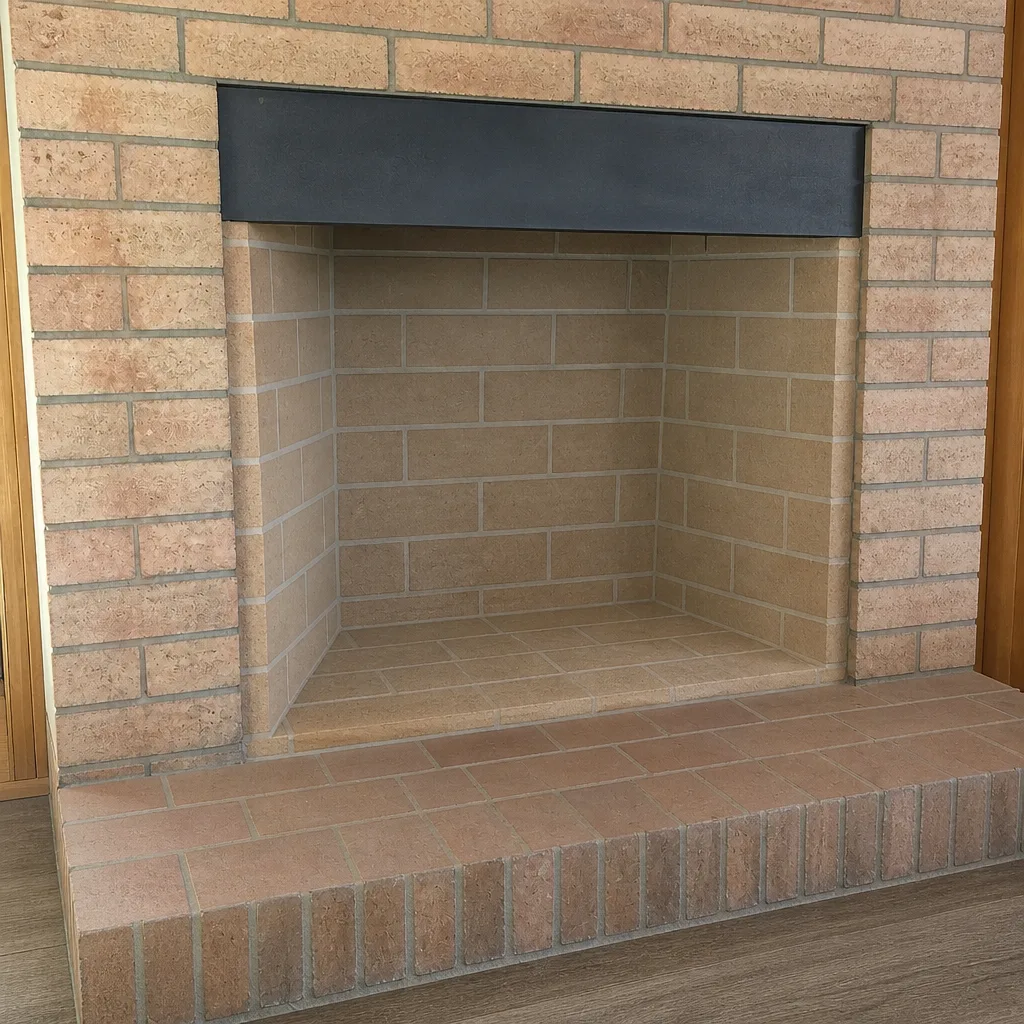
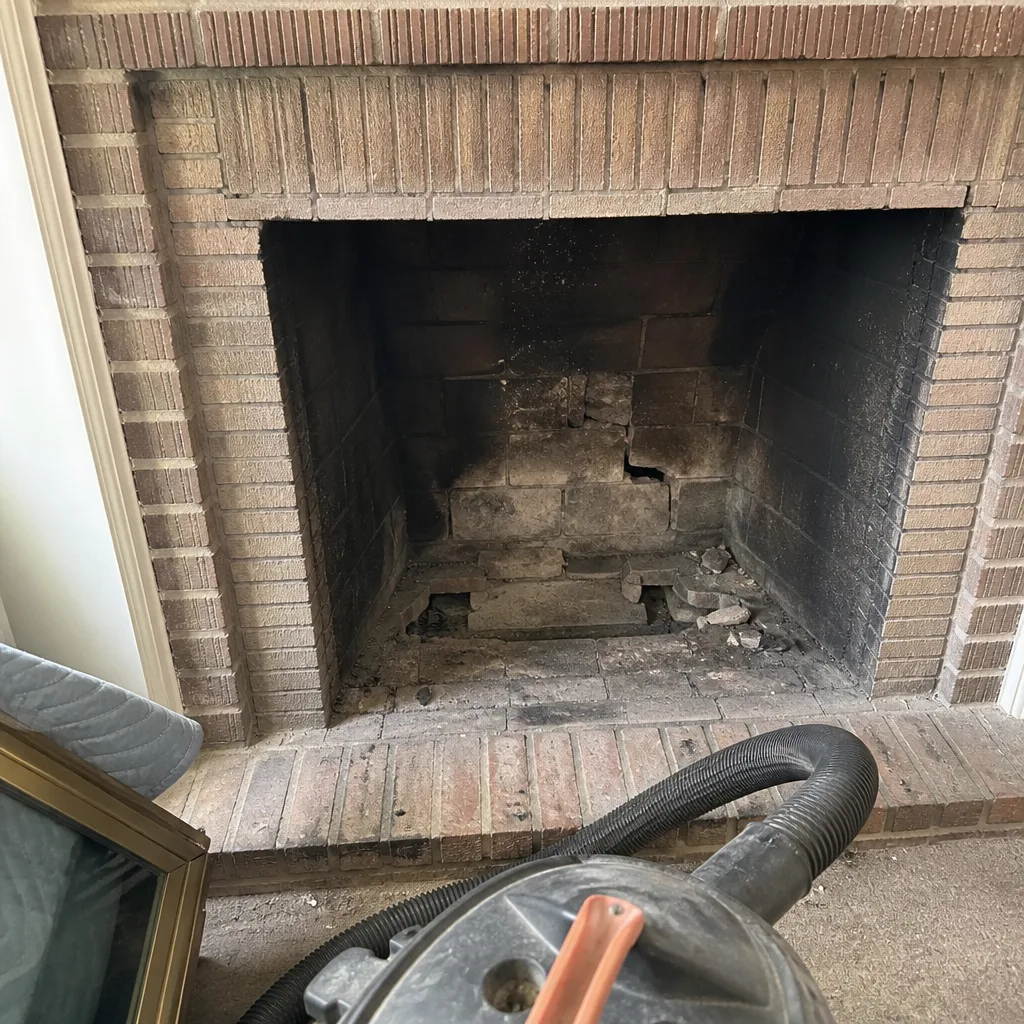
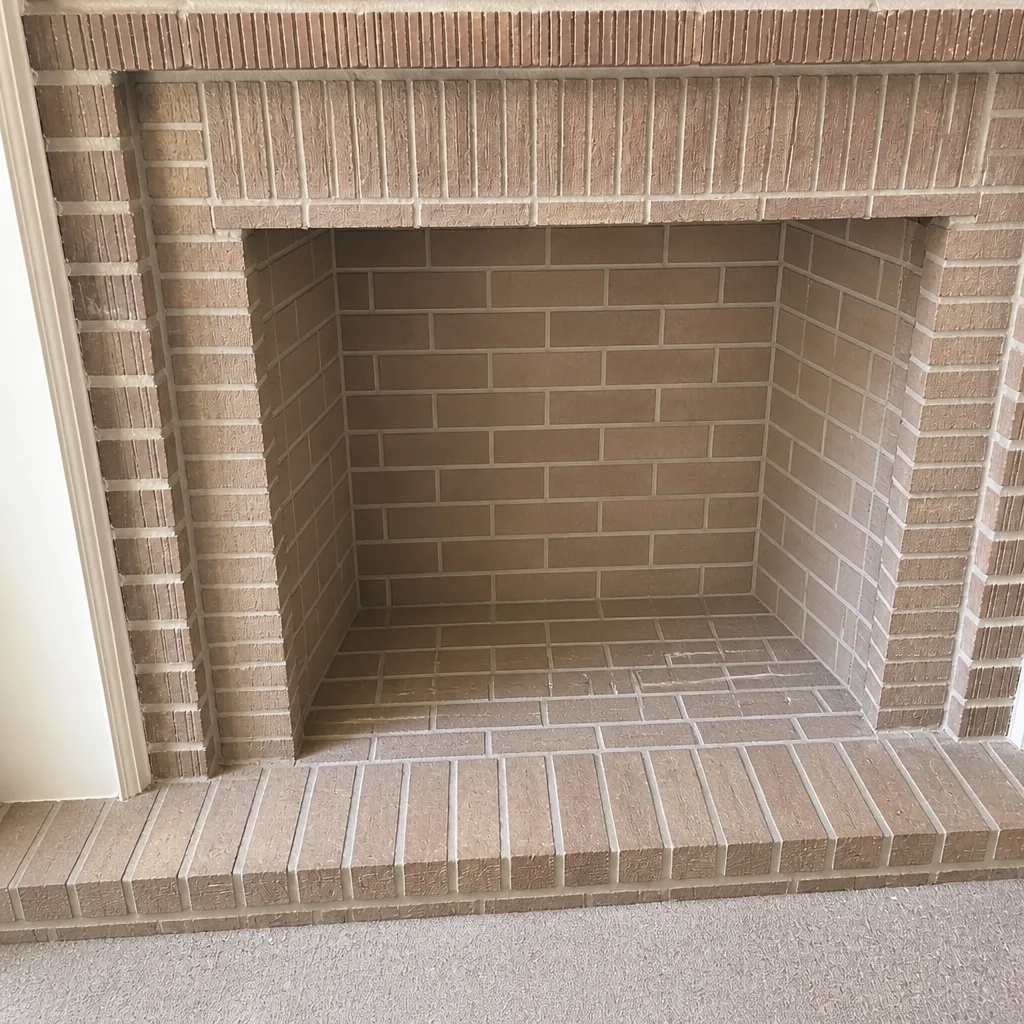
See the difference
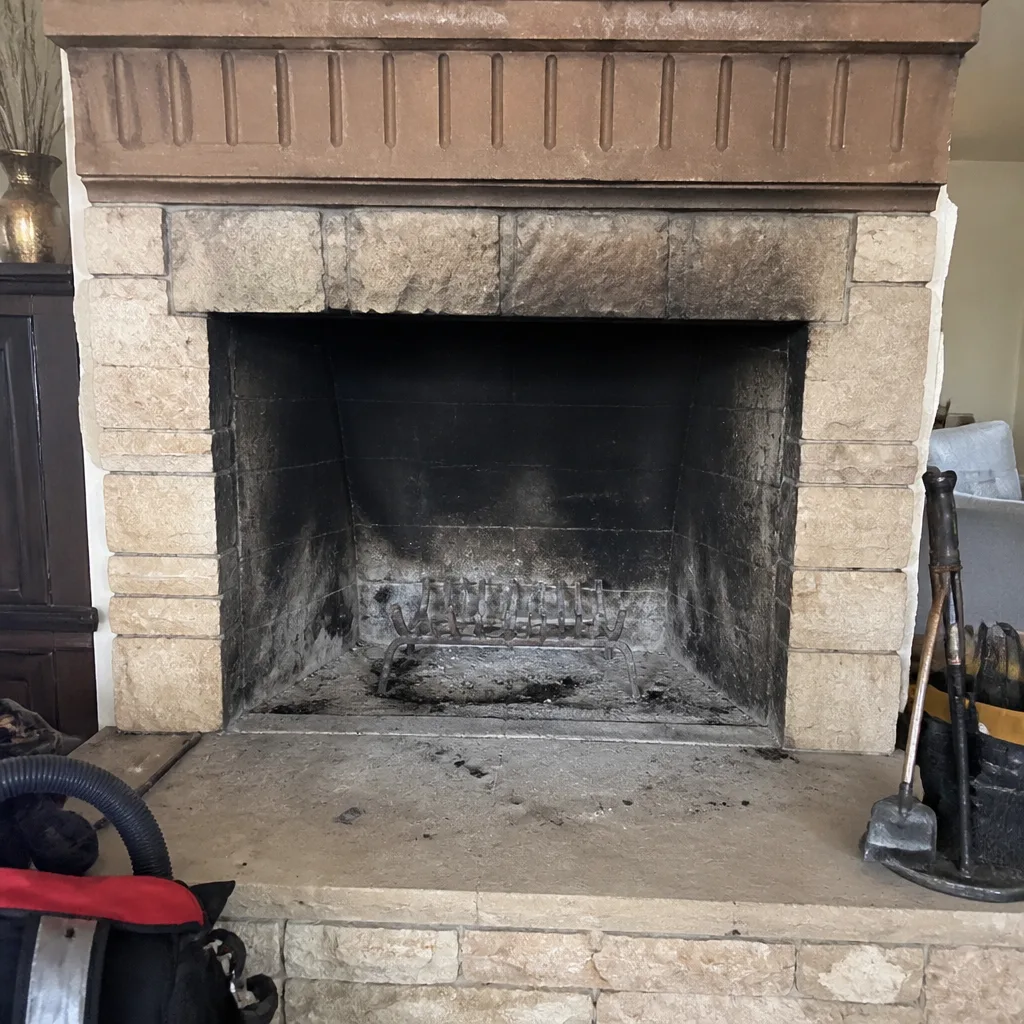 Before
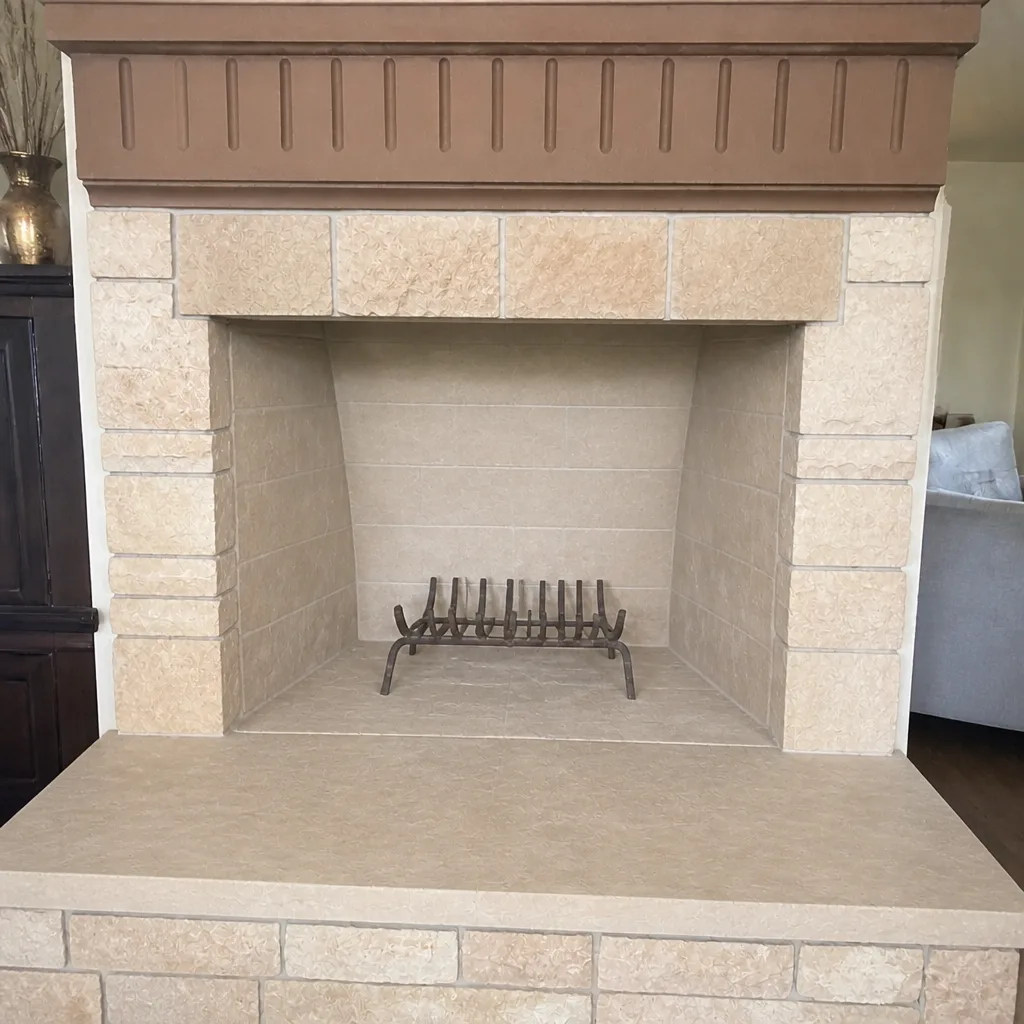 After
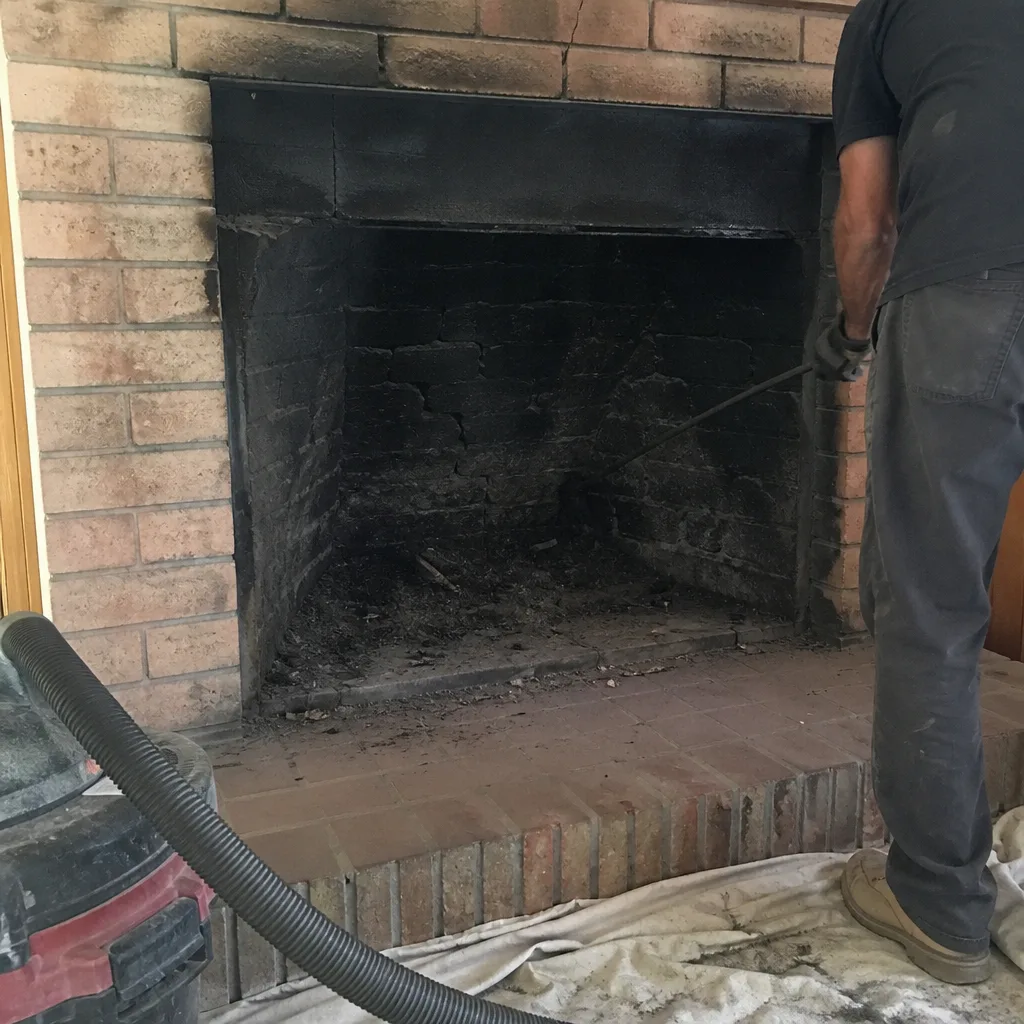 Before
 After
 Before
 After
When to Call a Professional
Call a professional when you smell creosote from a cold fireplace, when you see daylight or feel cold air coming past a closed damper, when any crack in the crown is wide enough to slide a coin into, when you see water staining on the surround, or when it’s simply been more than a year since the last inspection. Call before burn season, not after. If someone recommends liner or masonry work that you can’t verify, ask for the camera footage, and call us for a second opinion. Chimney Sweep Glendale offers free estimates in Glendale, and our inspection process shows you exactly what we found before we recommend anything. Call (833) 734-6139. We answer 24/7. Fast dispatch from 7am to 7pm, Sunday through Friday.
For a broader look at the services behind this checklist, or if you’re in a neighboring part of the Glendale area, our team handles sweep, inspection, and repair start to finish. One team, one trade, one report you can read.
Frequently Asked Questions
Once a year for most Glendale homes, with a full inspection timed to October. Homes that burn heavily through the winter may need an additional check after the season. The annual sweep is the floor, not the ceiling. If you skip a year, the missed creosote stays in the flue and the next season starts with a hazard in place. Call (833) 734-6139 for an exact quote: estimates are free.
Creosote builds up in the flue, the crown and cap take damage from monsoon weather, and the damper slowly loses its seal. Any of those can turn a small maintenance item into a bigger repair. The flue is the one that carries real fire and carbon monoxide risk, which is why the annual checklist isn’t optional. Call (833) 734-6139 for an exact quote: estimates are free.
You need a new liner when the camera inspection shows the existing liner has failed, and you should see that footage before you agree. We don’t recommend liner work without visual evidence you can watch. If the liner is sound, the answer is no. If it’s failed, the answer is yes, and it’s a safety decision, not an aesthetic one. Call (833) 734-6139 for an exact quote: estimates are free.
It closes the gaps that monsoon wind-driven rain will exploit. In Glendale, the pre-monsoon check in May is when we catch missing caps, loose flashing, and crown cracks before they cause water damage. Catching these in May turns a big repair into a small one. Call (833) 734-6139 for an exact quote: estimates are free.
Yes, with limits. You can visually check the cap and crown from the ground with binoculars, check the damper by hand, look for staining, and test the draft with a small paper fire. Anything inside the flue, any structural masonry work, and any component replacement needs a trained technician. Call (833) 734-6139 for an exact quote: estimates are free.
Caps, dampers, and liners should all be brand-name. Those are the components where fit and documented specifications matter most, and where generic substitutes fail faster in Glendale’s dust and sun. We work with DuraFlex, HeatShield, Gelco, Olympia Chimney, Famco, and Copperfield because they give you a spec number to look up and a warranty to lean on. Call (833) 734-6139 for an exact quote: estimates are free.
The Bottom Line
The right chimney maintenance checklist for a Glendale home runs on a different calendar than the national advice. Pre-monsoon check in May, post-monsoon in October, pre-burn in November, post-burn in spring. Caps, crowns, dampers, and flues are the four components each check should touch, and the line between what you check and what a technician checks matters for safety. Brand-name components make the whole checklist easier to plan because the intervals are documented. Sweep, inspect, repair, all in one trade. That’s what this checklist is built to support.
Written by the team at Chimney Sweep Glendale.