
Last updated November 15, 2026
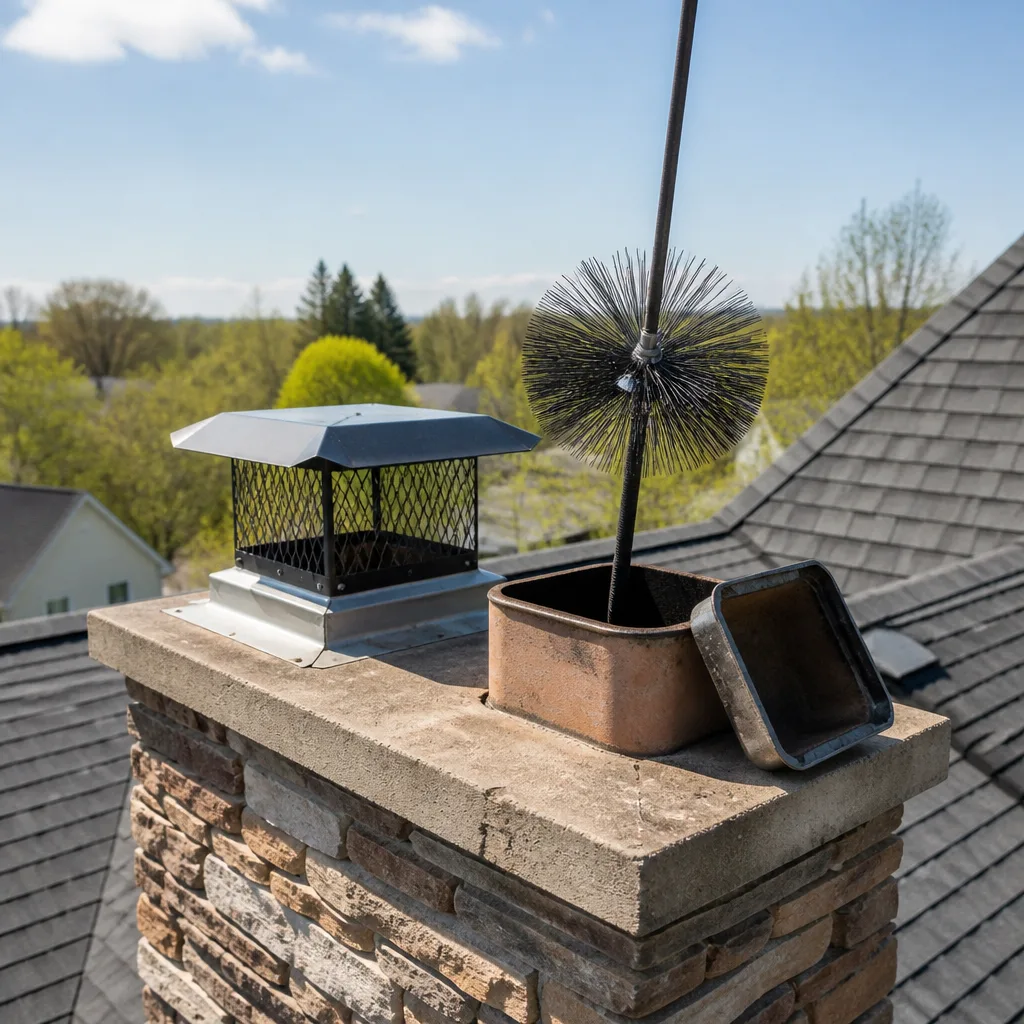 Sweep & inspection
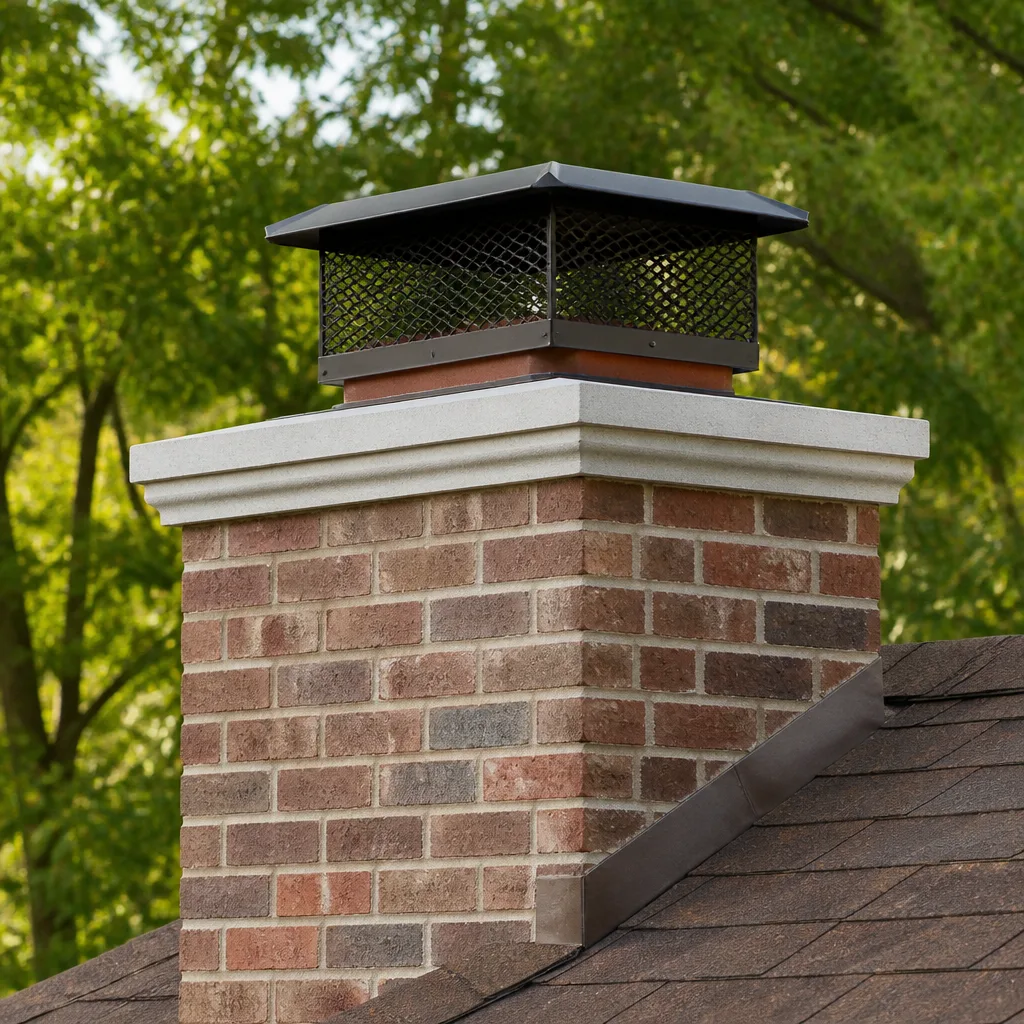 Caps & crowns
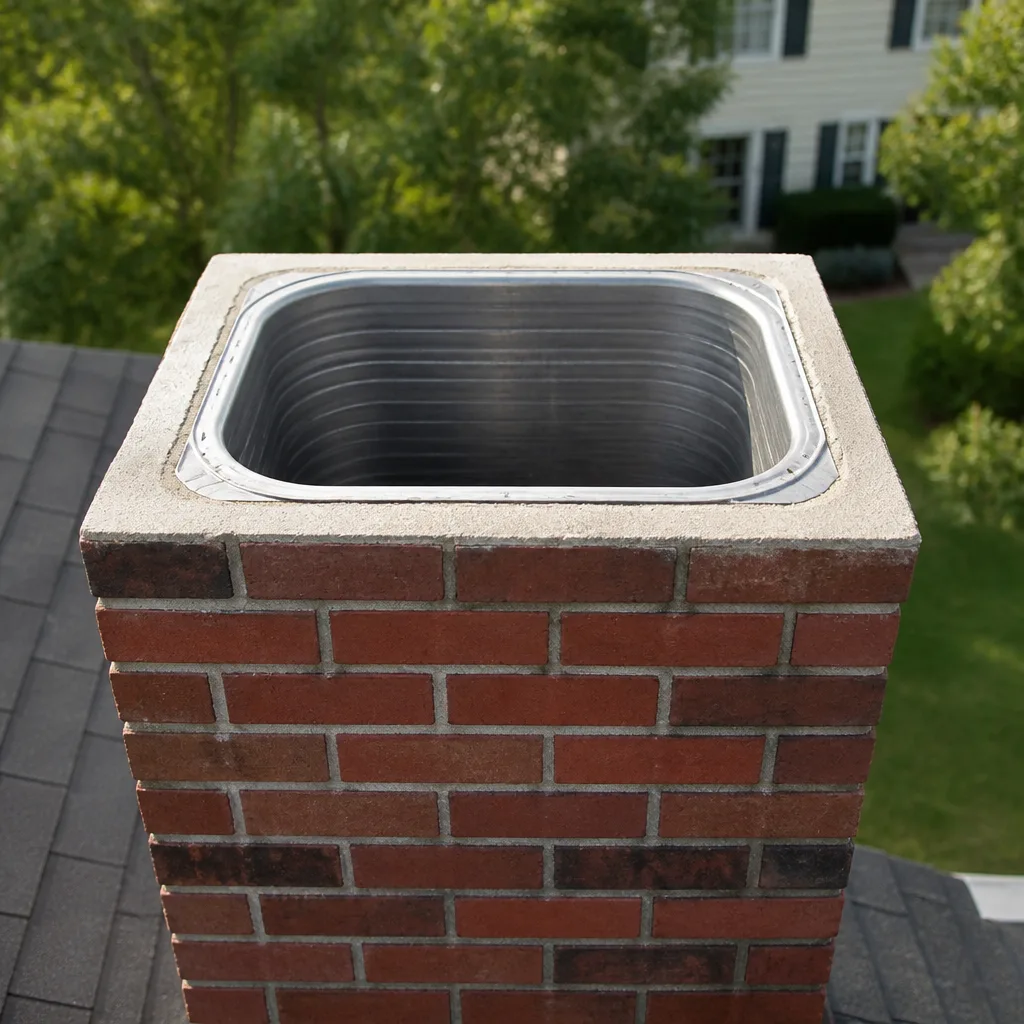 Flue relining
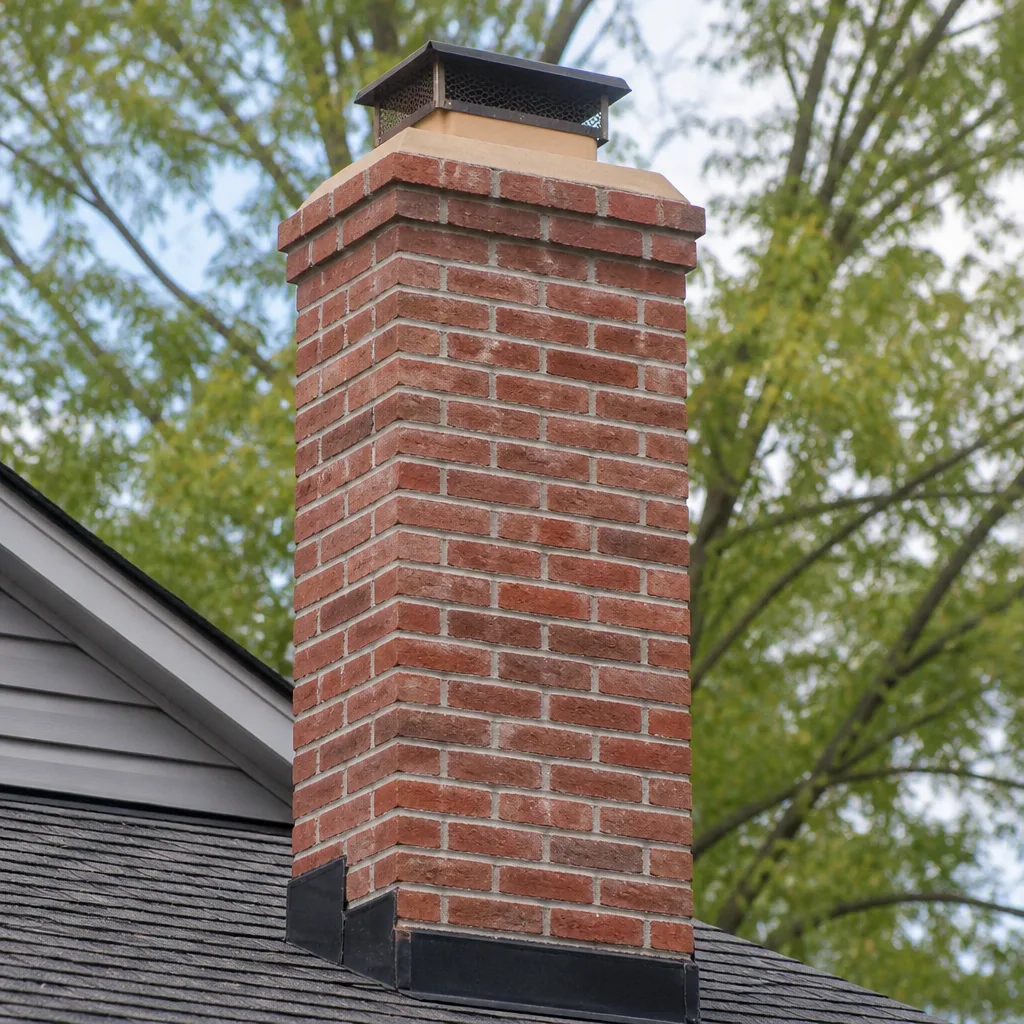 Masonry repair
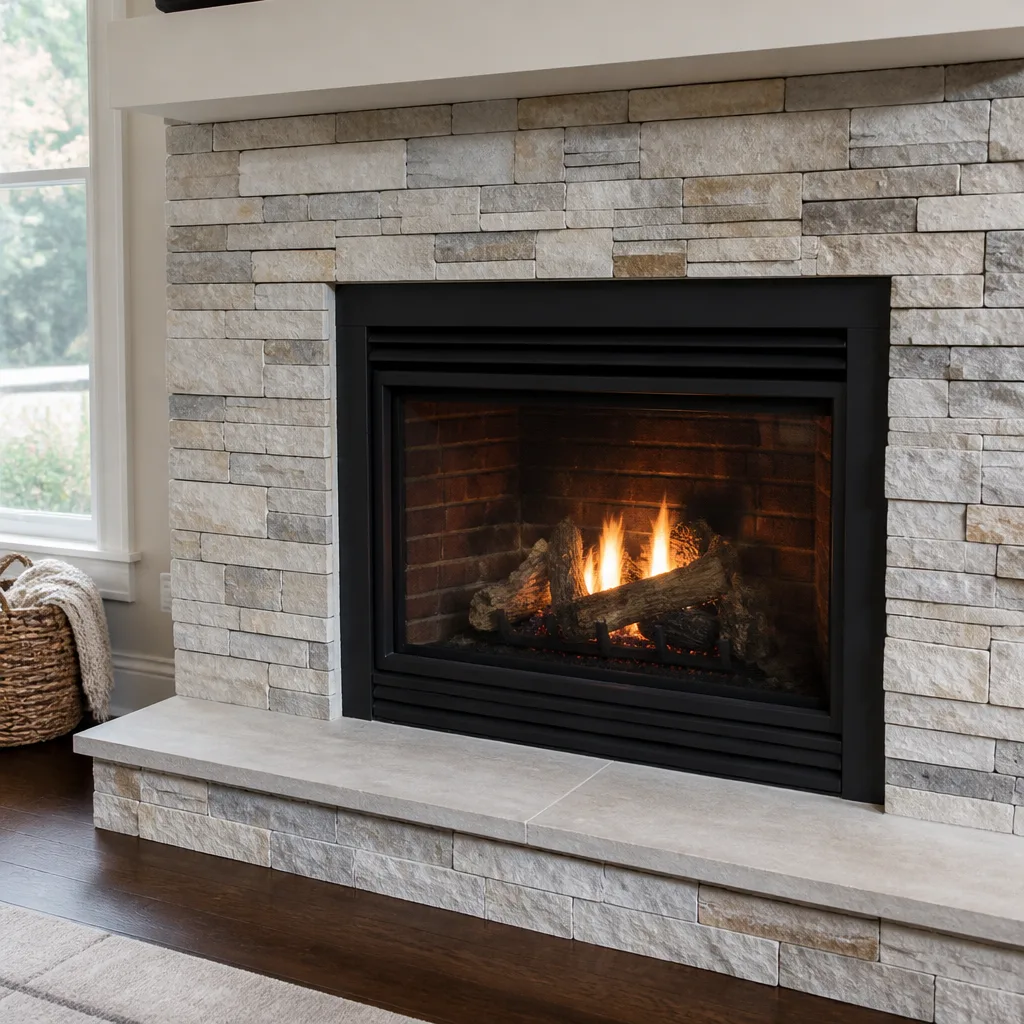 Gas fireplace service
Level 1 sweep and inspection to the NFPA 211 annual standard - flue, crown, cap, and flashing checked and photographed
Chimney sweep logs do not sweep chimneys. They loosen some creosote - which then falls where a brush and vacuum still have to collect it.
Choosing the Right Chimney Cleaning Brand: A Buyer’s Guide for Glendale
Two chimney caps can sit on the same shelf at the same price, and only one of them will still be doing its job after a few summers in Glendale. The difference isn’t marketing. It’s metal gauge, coating thickness, and whether the part was engineered for a chimney or adapted from something else. Most homeowners never learn this until rust stains show up on the ceiling below the flue. This guide is written to close that gap. You’ll learn which parts of a chimney system depend most on brand quality, what specific brands like HeatShield and Gelco actually do, and the exact questions to ask before anyone installs anything on your house in Glendale.
Quick Answer
The right chimney brands are the ones manufactured specifically for chimney systems and backed by a documented warranty: HeatShield for liner resurfacing, DuraFlex for flexible relining, Gelco and Olympia Chimney for caps and dampers, Famco and Copperfield for venting components. A contractor who names the brand, gauge, and warranty on your written estimate is specifying real components. A contractor who quotes “a cap” or “a liner” without detail is guessing, and you’ll pay for that guess later.
Styles & brands we work with
- Sweep & inspection
- Caps & crowns
- Flue relining
- Masonry repair
- Gas fireplace service
Table of Contents
- Why brand selection matters more in Glendale than most homeowners expect
- The four chimney components where brand choice matters most
- HeatShield vs. generic mortar: what liner repair actually means
- Chimney caps: Gelco, Olympia Chimney, and the gauge question
- Waterproofing and sealants: ChimneySaver vs. hardware-store silicone
- How to ask a contractor what they’re installing: a seven-question script
- What professional-grade component selection looks like in a written estimate
- Common mistakes to avoid
Why brand selection matters more in Glendale than most homeowners expect
Glendale gets roughly three hundred days of direct sun a year, and that sun is unforgiving to anything metal or polymeric sitting on a roof. A chimney cap painted with a thin coating fails differently here than in a milder climate: instead of gradual wear, you get coating blistering and then rust along the seams, and once moisture gets behind the paint the failure accelerates. The roof sees big day-to-night temperature swings too, and those cycles work on sealants, flashing, and mortar joints the same way repeated flexing works on a paperclip. Material that barely notices this cycle will slowly crack under it.
What that means for you as a buyer is simple. In Glendale, the spec on the part matters more than the price on the invoice, because a cheap part fails years sooner and you pay twice. The brands we work with – DuraFlex, HeatShield, Gelco, Olympia Chimney, Famco, and Copperfield – are the ones specifying coatings, alloys, and formulations for exactly this kind of exposure. That’s not a brand loyalty thing. It’s what holds up.
There’s a second reason brand matters in Glendale. This is a market with a lot of homes built in different decades, from mid-century ranch tracts to newer construction, and chimney systems vary enormously. Some have clay tile liners, some have pre-fabricated metal flues, some have masonry chimneys with older construction methods. A generalist with a brush and a prayer doesn’t know which system you have, let alone which component belongs inside it. A brand-specific company knows immediately, because each product is engineered for a specific flue type.
If you want to understand the basics of what a chimney inspection is looking for before we go further into brands, our Chimney Sweep Glendale page covers what a proper inspection involves.
The four chimney components where brand choice matters most
Not every part of a chimney is equally sensitive to brand selection. The weather-facing metal and the flue-lining system are where quality differences show up fastest. Here’s where we tell homeowners to focus their attention.
1. Flue liners
The liner carries combustion gases up and out of the house. When a liner cracks, hot gases and creosote can reach the chimney structure, and that’s a fire pathway. Repairing a liner with a generic mortar smear is not repair; it’s cosmetic. Professional-grade liner repair uses HeatShield, which is engineered as a resurfacing system for clay tile liners. Full relining uses a flexible stainless liner like DuraFlex. There are no good substitutes for either.
2. Chimney caps
Caps keep rain, animals, and debris out of the flue. A cheap cap is usually stamped from thin galvanized steel with a sprayed finish. A professional cap from Gelco or Olympia Chimney is built to a heavier gauge with a finish designed to survive years of UV. The difference shows up as rust streaks down the chimney face, and occasionally as a cap that lifts off in a strong gust. Glendale’s monsoon season is the practical test.
3. Waterproofing sealants
Water is the number one enemy of a masonry chimney. A hardware-store silicone spray may bead water for a season or two, then chalk and fail invisibly. Vapor-permeable masonry waterproofing like ChimneySaver lets the brick breathe while keeping bulk water out, which matters because trapped moisture inside brick causes spalling. Sealant choice is a real category of professional judgment, not a preference.
4. Damper systems
A damper that doesn’t seal properly lets heated air escape in winter and outside air in during summer. Top-sealing dampers are typically brand-engineered assemblies, and the fit against your specific flue matters. A loose fit means an energy leak you can’t see.
If you’d like a professional opinion on which of these categories applies to your house, a Glendale inspection covers all four in one visit.
HeatShield vs. generic mortar: what liner repair actually means
Here’s a question that separates a chimney specialist from a handyman: when you need the inside of a clay tile flue repaired, what product goes in? The wrong answer is “mortar.” The right answer is HeatShield, or a stainless liner system, depending on what the flue actually looks like after cleaning.
Clay tile liners crack. That’s normal, and it’s not automatically a crisis. What matters is whether the cracks and gaps are isolated or whether the liner has begun to fail structurally. HeatShield is a resurfacing system: it goes on as a formulated compound applied over the existing tile, bonds to it, and forms a new smooth, sealed surface. Its purpose is to restore the gas-tight integrity of a liner without tearing the whole thing out. The result is a compliant flue that performs like a fresh liner.
A generic mortar repair cannot do that. Mortar is designed to sit between bricks, not to line the inside of a flue. It doesn’t bond to the tile the same way, it doesn’t have the same thermal properties, and within a few heating seasons it will crack again. You will have paid twice: once for the patch, once for the actual repair.
The reason we specify HeatShield is straightforward. It’s what professional chimney technicians across the country use when a liner needs resurfacing rather than replacement. It comes with documented specs you can look up. It fits the flue because it’s engineered to. The alternative is an unbranded compound with no published spec and no accountability.
When HeatShield is right, and when it isn’t
- HeatShield is right when the clay tiles are cracked or have gaps but the liner structure is still sound. It’s also right when the flue is the correct original size and doesn’t need to be resized.
- HeatShield is not right when the clay has failed and needs to come out, when the flue is the wrong size for the appliance, or when the chimney has no liner at all. Those situations call for a full DuraFlex reline or reconstruction.
- The determination is not a guess. It comes from a camera inspection that shows you the actual condition of the flue. You should see what we see, and the recommendation should follow from it.
We use HeatShield because it’s what a professional chimney tech specifies for this job, not because it’s the cheapest option. It isn’t. You’re paying for a system that will still be doing its job ten years from now. For a look at the full scope of repair work, see our chimney repair page.
Chimney caps: Gelco, Olympia Chimney, and the gauge question
Chimney caps are the most commonly replaced chimney component, and they’re also the one where the price gap between a professional-grade cap and a cheap stamped one is smallest relative to the quality gap. That’s why the cap is a useful test case for understanding how brand selection works.
Here’s what actually differs between a Gelco or Olympia Chimney cap and a generic alternative in the same price bracket:
- Gauge. Exterior chimney caps are stainless or heavy-gauge galvanized, specified at a thickness that resists denting and warping. A generic cap may be noticeably thinner, and it will flex.
- Finish. Professional products are powder-coated or stainless-finished for UV and moisture exposure. Cheap caps often use a sprayed enamel that fails at the first monsoon or after a season of sun.
- Fit tolerance. Caps are built to a specific flue dimension. A correctly fitted brand cap on your flue closes tightly against the crown and doesn’t allow water intrusion at the edges. A one-size cap often doesn’t, and the gap shows up as staining on the chimney exterior within a season or two.
- Fastener and sealing hardware. The screws and sealant provided with a professional-grade cap are part of the product. Generic kits often include the cheapest possible hardware, and that hardware is exactly where a cap starts to fail.
The difference becomes obvious about two monsoon seasons after installation. Coating stripes and rust at the seams, lifted edges, and water intrusion at the crown are the typical failure signs. If you notice any of those, the cap needs to come off and be replaced with something built to spec. Our technicians have up to 8 years of experience sizing and fitting caps on every flue type we see in Glendale, from clay-tile masonry to prefabricated metal systems.
For a full overview of the brands we stock and train on, see chimney sweep services and ask what specifically goes on your flue.
Waterproofing and sealants: ChimneySaver vs. hardware-store silicone
Every chimney waterproofing product claims to keep water out. The real question is whether it lets water vapor escape, because brick that can’t breathe develops spalling and efflorescence – the crusty white staining that signals moisture trapped inside masonry. A waterproofing solution that seals brick airtight is a solution that damages it.
Hardware-store silicone spray is the wrong tool here. It sits on the surface as a film, doesn’t bond into the masonry pores, and typically chalks off within a season or two. From the homeowner’s perspective, that looks like “the waterproofing just stopped working.” From a structure’s perspective, it never worked properly to begin with. Silicone also traps moisture if it’s applied over damp masonry, which makes the spalling worse.
ChimneySaver is a vapor-permeable masonry waterproofing designed specifically for chimney and brick applications. It penetrates the masonry rather than sitting on top of it, forms a bonded treatment within the pores, and allows moisture to escape as a gas while keeping liquid water out. It’s the product professional chimney technicians specify because it actually addresses what masonry needs.
On a Glendale roof, the practical difference is how the treatment holds up under intense UV and heat cycling. A vapor-permeable masonry treatment is a permanent solution applied correctly; a sprayed silicone is maintenance you’ll repeat, or fail to repeat, until the brick tells you it wasn’t enough. We’d rather specify the treatment once.
Waterproofing safety and scope
Waterproofing sealants are safer to specify than to apply: the roof work involved in getting to the chimney is the risk, not the product. A chimney treatment involves being on a pitched roof at height, and that’s a trained professional’s job. If a chimney cap or crown is already failing, waterproofing alone won’t fix it; it protects masonry, not a broken crown. The right order of operations for any Glendale chimney is: inspect, repair structural defects, then waterproof.
How to ask a contractor what they’re installing: a seven-question script
You don’t need to be a chimney expert to hold a contractor accountable for quality. You need a short script and a willingness to ask. Here’s the exact sequence we suggest to homeowners in Glendale:
- What brand are you installing? If the answer is silence or “our own brand,” ask for details. A real branded product from a known manufacturer has a name and a spec sheet.
- What gauge or formulation is it? For a cap, ask the gauge of the steel. For a sealant or waterproofing, ask whether it’s vapor-permeable. For a liner, ask the alloy. If they can’t answer, they don’t know what they’re installing.
- Is this product manufactured for chimney applications specifically, or adapted from something else? Many cheap components began life as venting or roofing hardware adapted for chimneys. That’s a red flag.
- What’s the warranty and who backs it? Professional components carry manufacturer warranties. Unbranded substitutes carry the contractor’s verbal promise. Get the manufacturer’s name and the length of coverage.
- Can I see the inspection photos with the estimate? A brand-conscious contractor will have a camera inspection and a documented recommendation. A generalist won’t.
- Will you put the brand and model on the written estimate? Good contractors do. It’s also how you can verify for yourself later.
- What happens if this fails? The answer should involve a specific product and a specific process, not “we’ll come back out.”
Practice that sequence once on a written estimate. The gap between a specialist’s answer and a generalist’s becomes obvious immediately. For more on the full inspection and cleaning process, our team is happy to talk through what we’d recommend for your specific flue. If you’d like to know what’s happening with your chimney before you call anyone, read the guide on our Glendale service hub: Chimney Sweep Glendale.
What professional-grade component selection looks like in a written estimate
The clearest way to tell whether a chimney contractor is specifying real parts or making it up is the written estimate. The two versions look fundamentally different, in ways that a homeowner doesn’t need any prior knowledge to spot.
A generalist’s estimate reads like this: “Replace chimney cap. Sweep flue. Reseal crown. $X.” There’s no brand, no gauge, no product, no warranty, and no camera evidence. You’re being asked to write a check and take the contractor’s word that what they installed is adequate.
A spec-conscious estimate reads like this: “Install Gelco [model] stainless cap sized X”xY” for [flue type]. Replace crown with [product or compound]. Apply HeatShield resurfacing to the flue following camera inspection – see attached photos. Warranty: [manufacturer + length].” Every line is verifiable. You can look up the product. You can ask about the gauge and the specification. You can see the photos of what was found.
What should always appear on a professional chimney estimate
- Brand and model of every component being installed
- The reason for the recommendation, tied to inspection findings and photos
- Manufacturer warranty terms, separate from any workmanship guarantee
- Line-item pricing that separates the part from the labor
- A written scope of what’s included and what’s not (crown, flashing, cap, liner, damper)
A written estimate sets the final price, and it’s the document that protects both sides. If a contractor can’t give you that, the cheaper number on the invoice isn’t really cheaper. Our team provides written estimates with the component names on them, so you know exactly what’s going on your chimney.
Safety first: what’s genuinely dangerous
There’s a reason we keep coming back to brands and specs on a page about chimney cleaning. Chimney problems are air-quality and fire problems at once. Creosote deposits accumulate in a flue every time you burn wood, and creosote is what fuels chimney fires. A flue with cracked tile or a failed liner allows combustion gases – including carbon monoxide, which you cannot smell or see – to escape into the structure of the house instead of up and out. Those aren’t scare-stories; they’re why a chimney needs both a proper cleaning and a proper inspection, and why the materials that end up in the flue matter.
This is also why nothing here should be treated as a do-it-yourself guide. Working inside a hot flue, climbing a pitched roof, and dealing with combustion appliances are all jobs for a trained professional. If a chimney has any visible damage or you’ve never had it inspected, don’t guess. Call a professional.
Common Mistakes to Avoid
- Choosing on price alone. A cheap cap and a professional-grade cap often sit within the same dollar range, but the difference in gauge and finish means years of difference in service life. In Glendale’s sun and monsoon cycle, that gap closes fast.
- Accepting “a cap” on the estimate with no brand named. A generic stamped cap is not the same product as a Gelco or Olympia Chimney cap, and it will not last as long. Ask for the brand, gauge, and warranty in writing.
- Letting generic mortar be used to patch a liner. Mortar is not a liner repair product. It will crack, and you’ll pay for a real repair within a few heating seasons. Insist on HeatShield or a DuraFlex reline depending on the flue condition.
- Applying a cheap silicone waterproofing to brick. Hardware-store silicone traps moisture inside masonry and causes spalling rather than preventing it. Ask whether the waterproofing is vapor-permeable, and expect a ChimneySaver-class treatment.
- Skipping the inspection report and photos. An estimate that quotes work without a camera inspection is a guess. You should see what’s in your flue, and you should be told what can safely wait.
- Not asking what happens if the part fails. A manufacturer warranty is a real document. A verbal guarantee is not. Get the manufacturer and the coverage in writing.
- Calling a generalist for chimney work. Chimney systems are their own trade. Someone who sweeps a chimney as one of a list of services is not a chimney specialist, and the materials they use reflect that.
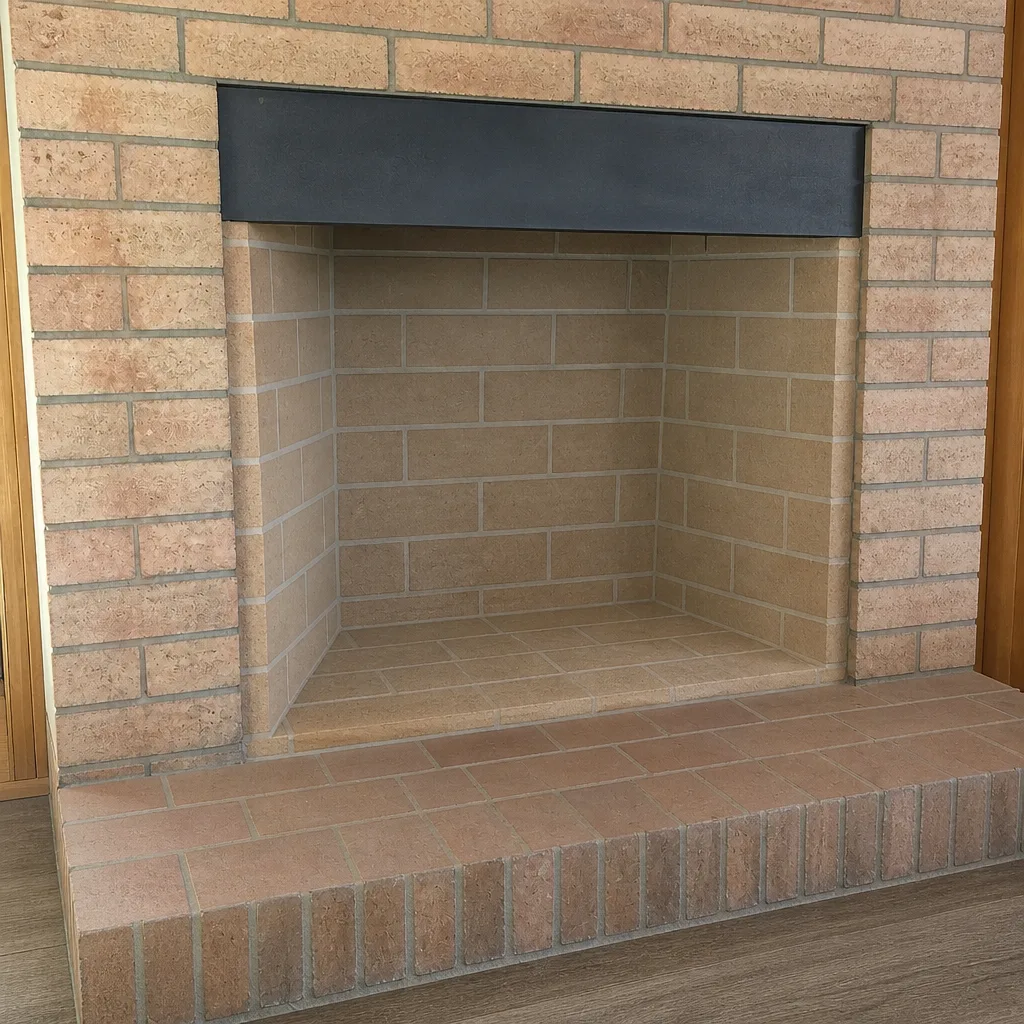
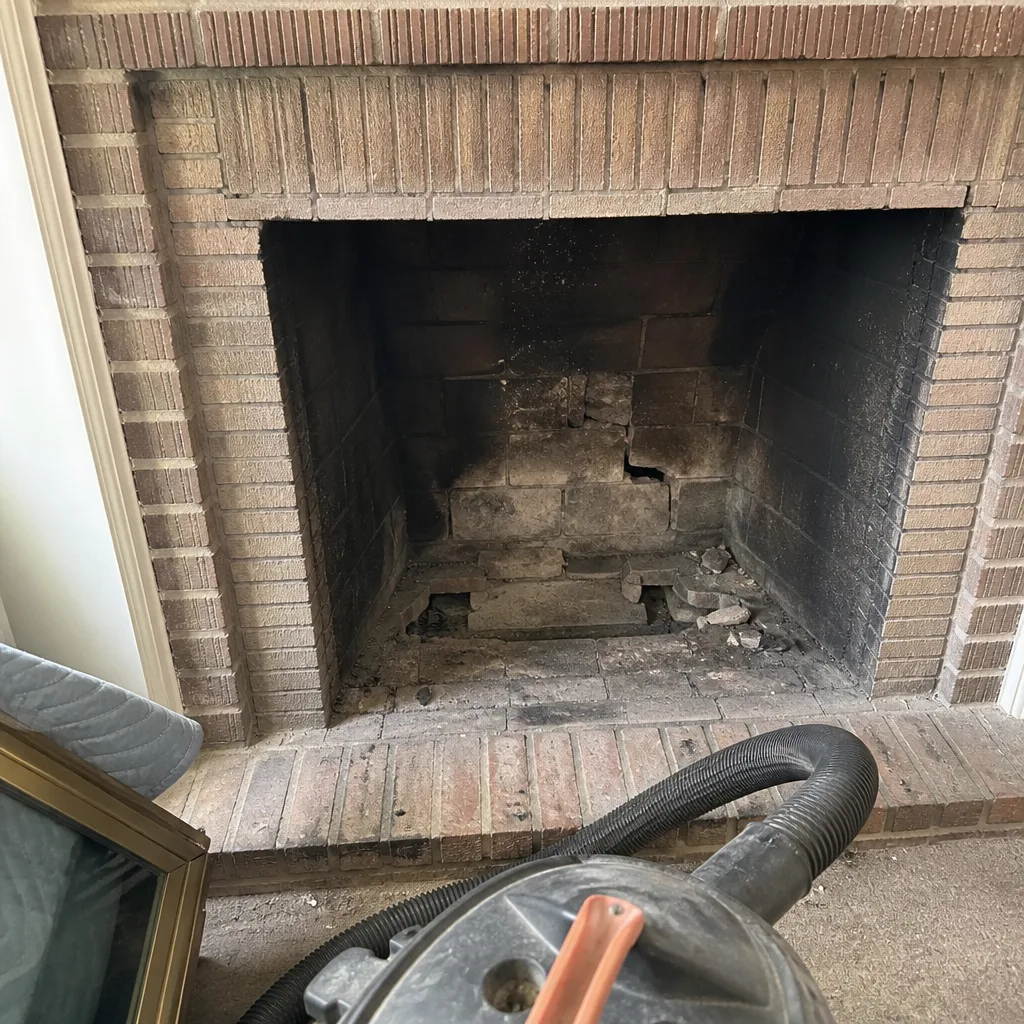
See the difference
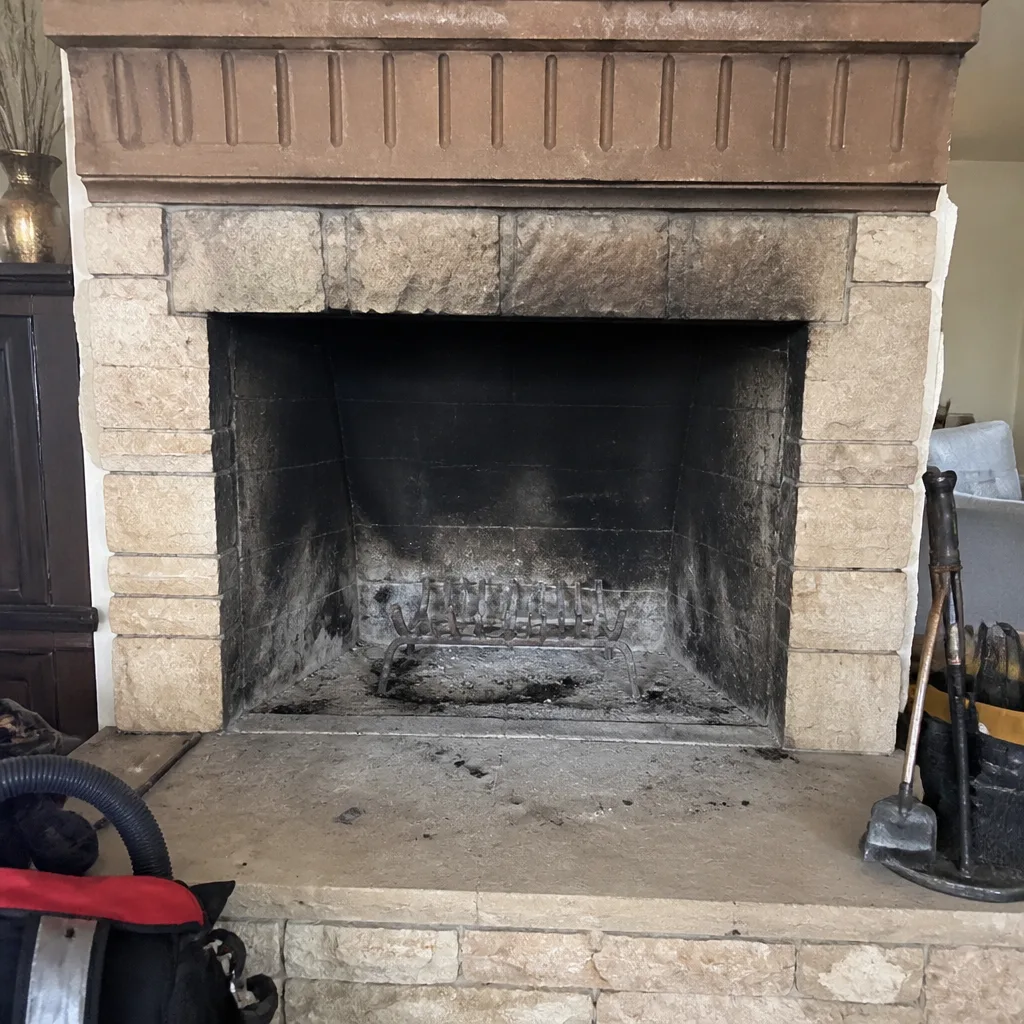 Before
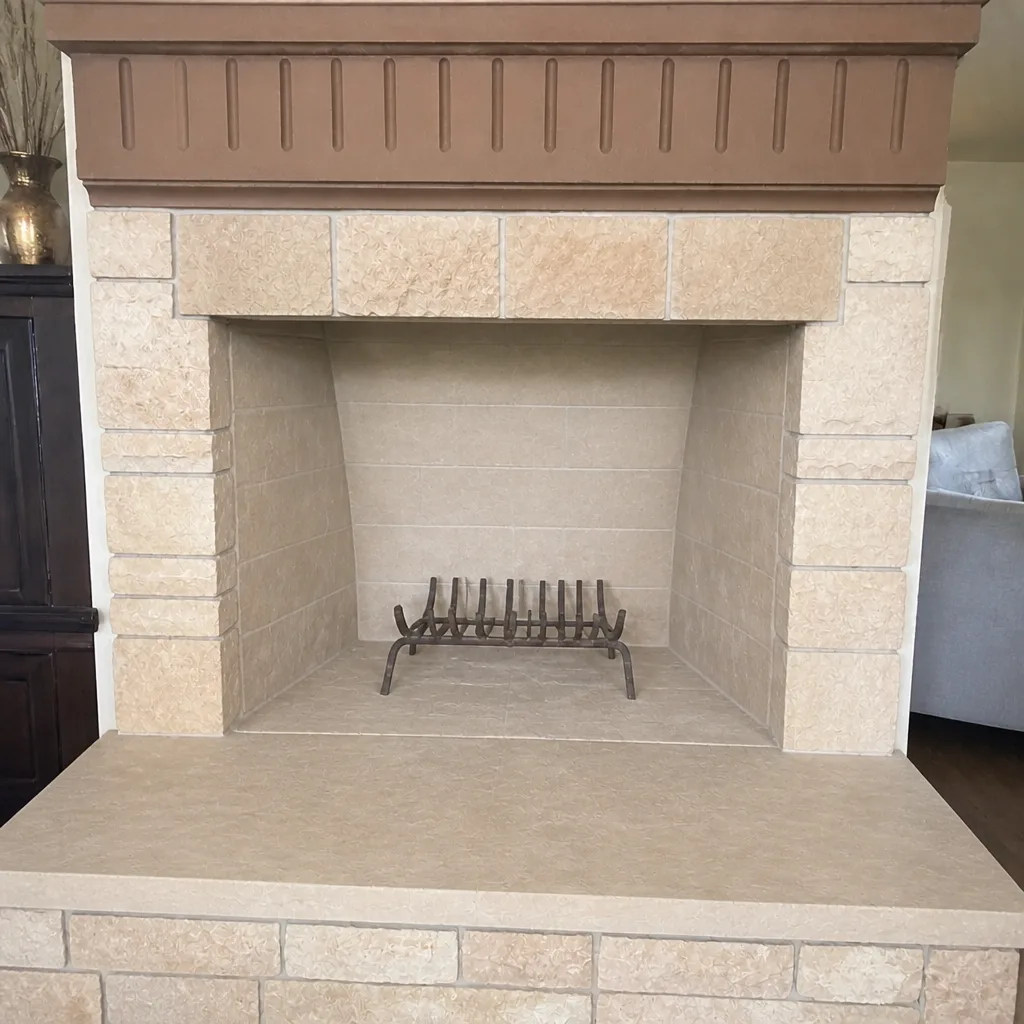 After
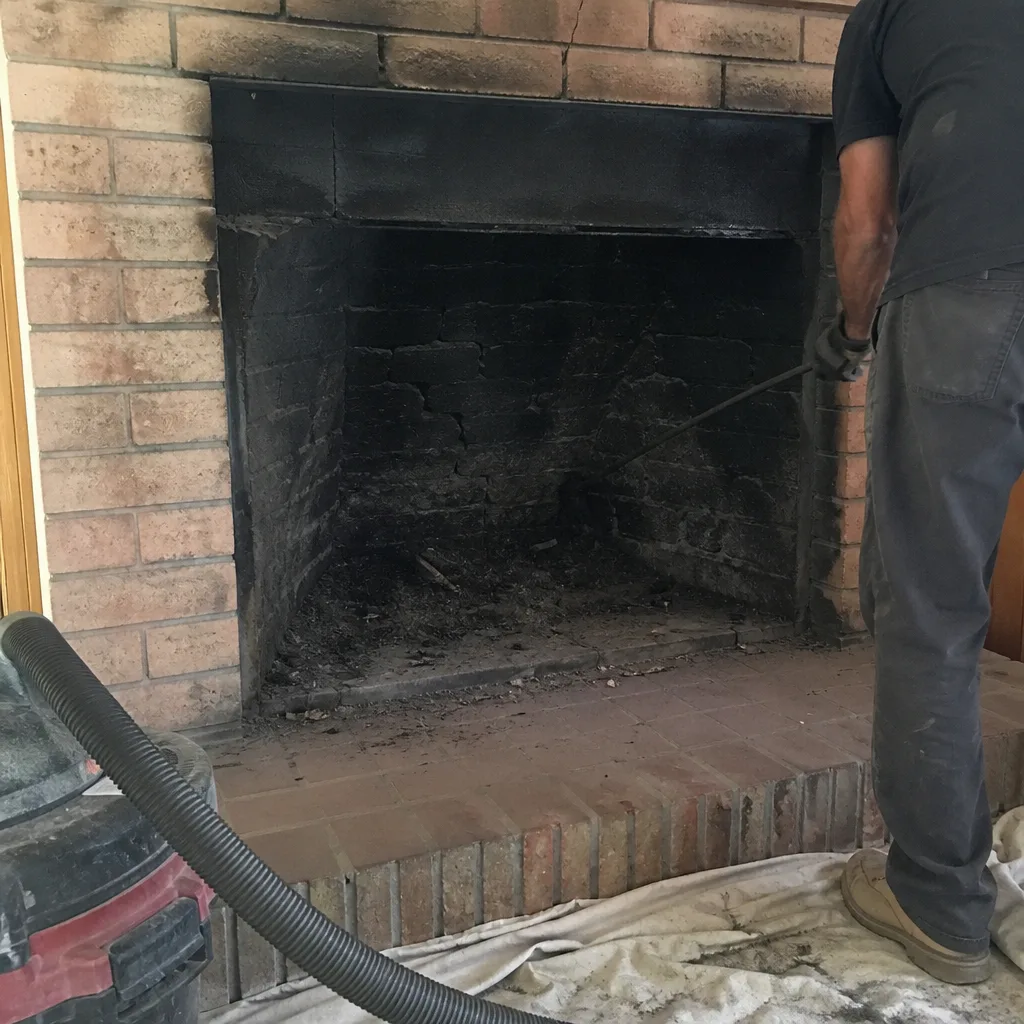 Before
 After
 Before
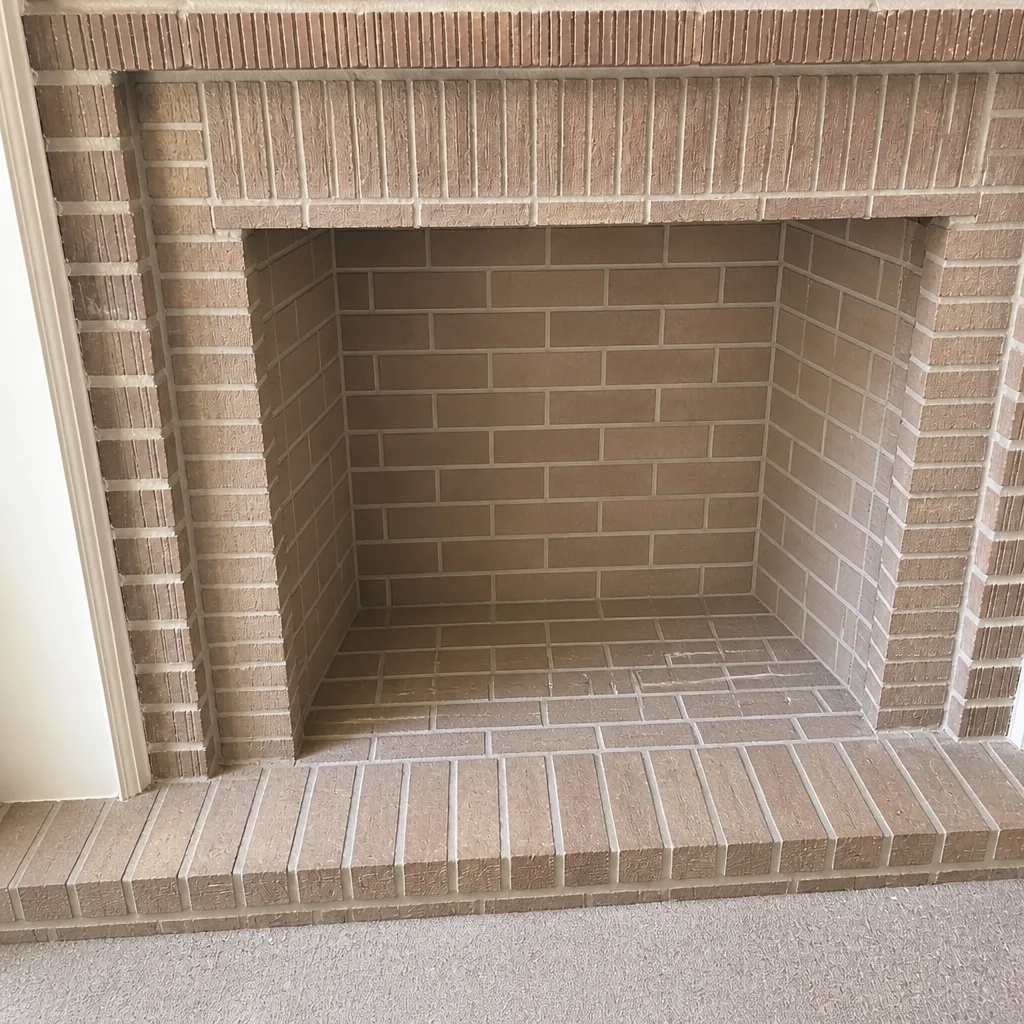 After
When to Call a Professional
Call a professional when a chimney hasn’t been inspected in a year of burning, when you notice rust or water staining on the exterior or ceiling near the flue, when the cap is loose or missing, when you see cracked or flaking masonry, or when you smell smoke or a musty odor inside the house. Those are all signs that need a camera inspection and a written recommendation. Don’t wait for a visible problem if you’ve been burning regularly all winter. Regular sweeping and inspection are how the system stays safe, and the brands that go into any repair are how it stays safe afterward.
Chimney Sweep Glendale offers free estimates in Glendale. Call (833) 734-6139. We answer 24/7. Fast dispatch from 7am to 7pm, Sunday through Friday.
Frequently Asked Questions
The best options are brands engineered specifically for chimney systems: HeatShield for liner resurfacing, DuraFlex for flexible relining, Gelco and Olympia Chimney for caps and dampers, Famco and Copperfield for venting components, and ChimneySaver for masonry waterproofing. Each is a named product with published specifications you can look up and a manufacturer warranty you can request. “Best” here means specifically engineered for the application, not just the one a contractor happens to stock. Call (833) 734-6139 for an exact quote – estimates are free.
Chimney sweeping in Glendale is a per-job service, priced by a written estimate after the technician sees the flue. The cost depends on the chimney type, the amount of creosote, and whether any repair work is needed afterward. We don’t quote over the phone because a quote without an inspection isn’t a real price. Call (833) 734-6139 for an exact quote – estimates are free.
Not always. Many liners can be resurfaced with HeatShield, which restores the gas-tight integrity of a cracked clay tile flue without full replacement. A full DuraFlex reline is the right call when the existing liner has failed, when there’s no liner at all, or when the flue is the wrong size for the appliance. The determination comes from a camera inspection, and you should see the photos that justify the recommendation. If the liner is sound, we’ll tell you it can safely wait. Call (833) 734-6139 for an exact quote – estimates are free.
Annual inspection and sweeping is the standard recommendation, and for regular wood burners we suggest it at least once per burning season. Gas appliances also need periodic inspection because a flue can still be blocked or damaged even without creosote. Annual scheduling is the simple rule. Call (833) 734-6139 for an exact quote – estimates are free.
Creosote keeps building up in the flue, and when it reaches a certain level it becomes a fuel source for a chimney fire. A cracked liner or blocked flue also allows carbon monoxide to enter the home, which has no smell and no warning. Those are the two risks we take seriously. Skipping a sweep doesn’t cause an immediate problem, but it removes the maintenance that keeps those risks low. Call (833) 734-6139 for an exact quote – estimates are free.
Glendale’s intense UV and daily temperature swings stress metal and sealants harder than milder climates do. A generic cap with a thin enamel finish can fail in two monsoon seasons, while a Gelco or Olympia Chimney cap at the same price point has the gauge and finish to last. Choosing professional-grade components from the start is cheaper than replacing low-grade ones early. Call (833) 734-6139 for an exact quote – estimates are free.
The Bottom Line
The chimney brands that end up on your house are a practical choice, not a marketing one. HeatShield, DuraFlex, Gelco, Olympia Chimney, Famco, Copperfield, and ChimneySaver are engineered for chimney applications and carry manufacturer specs and warranties. Generic substitutes don’t, and in Glendale’s sun and monsoon environment the failure shows up quickly as rust, water intrusion, and cracked liners. Ask for brand, gauge, and warranty in writing on every estimate. Look at the camera inspection photos before agreeing to repair. If the component isn’t specified, don’t pay for it. That one habit will do more for your chimney’s safety than any other consumer choice you make.
Contact Us
If you’d like a straight answer about what your chimney needs, call Chimney Sweep Glendale at (833) 734-6139 for a free estimate. We’ll show you what’s in your flue, name the components going in, and tell you honestly if any of it can wait. We answer 24/7. Fast dispatch from 7am to 7pm, Sunday through Friday.
Written by the team at Chimney Sweep Glendale.