
Last updated November 15, 2026
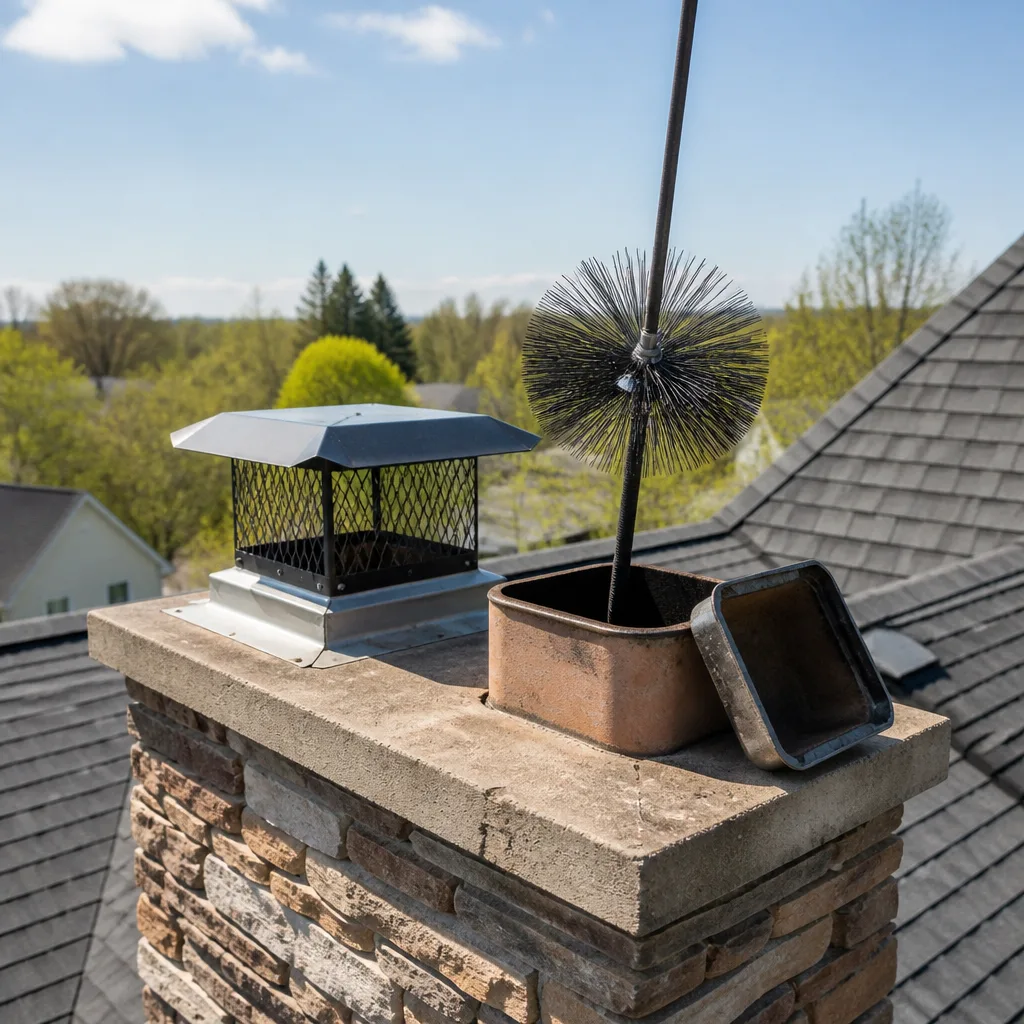 Sweep & inspection
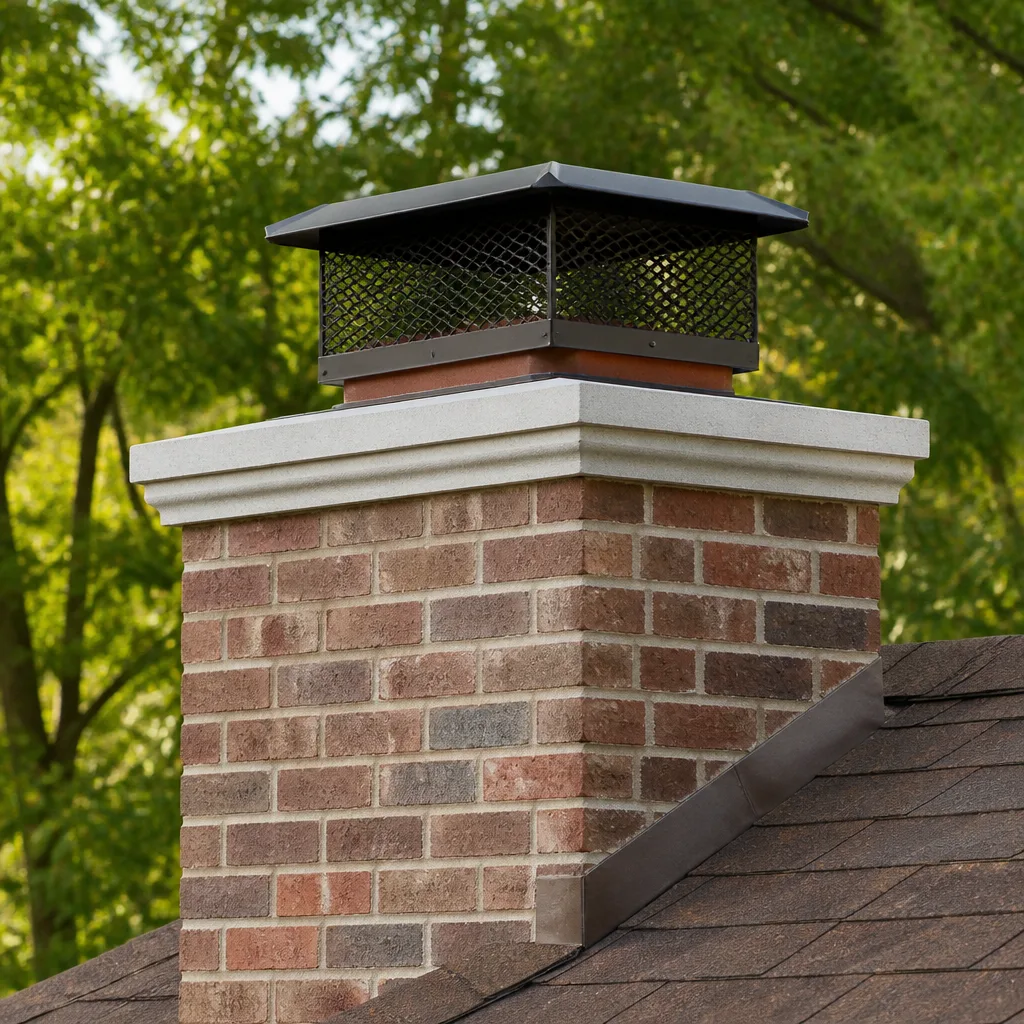 Caps & crowns
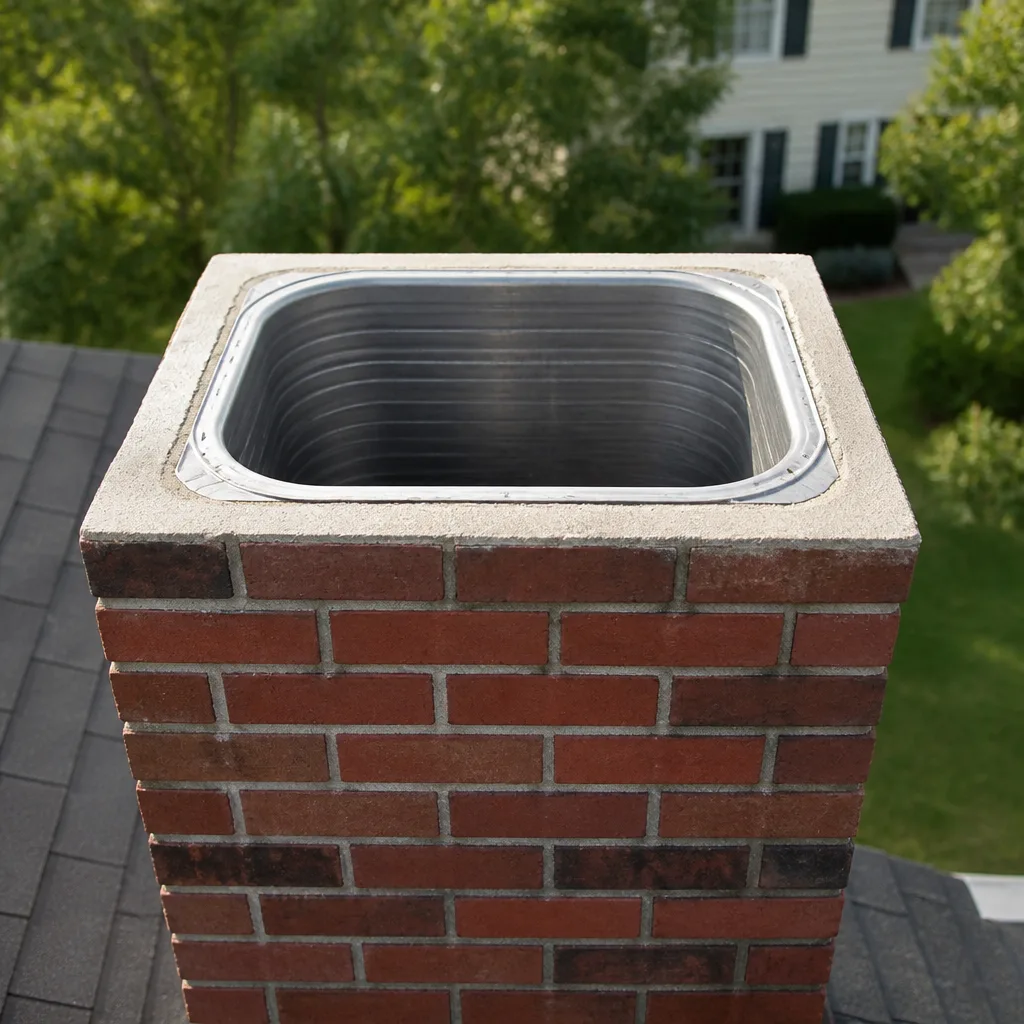 Flue relining
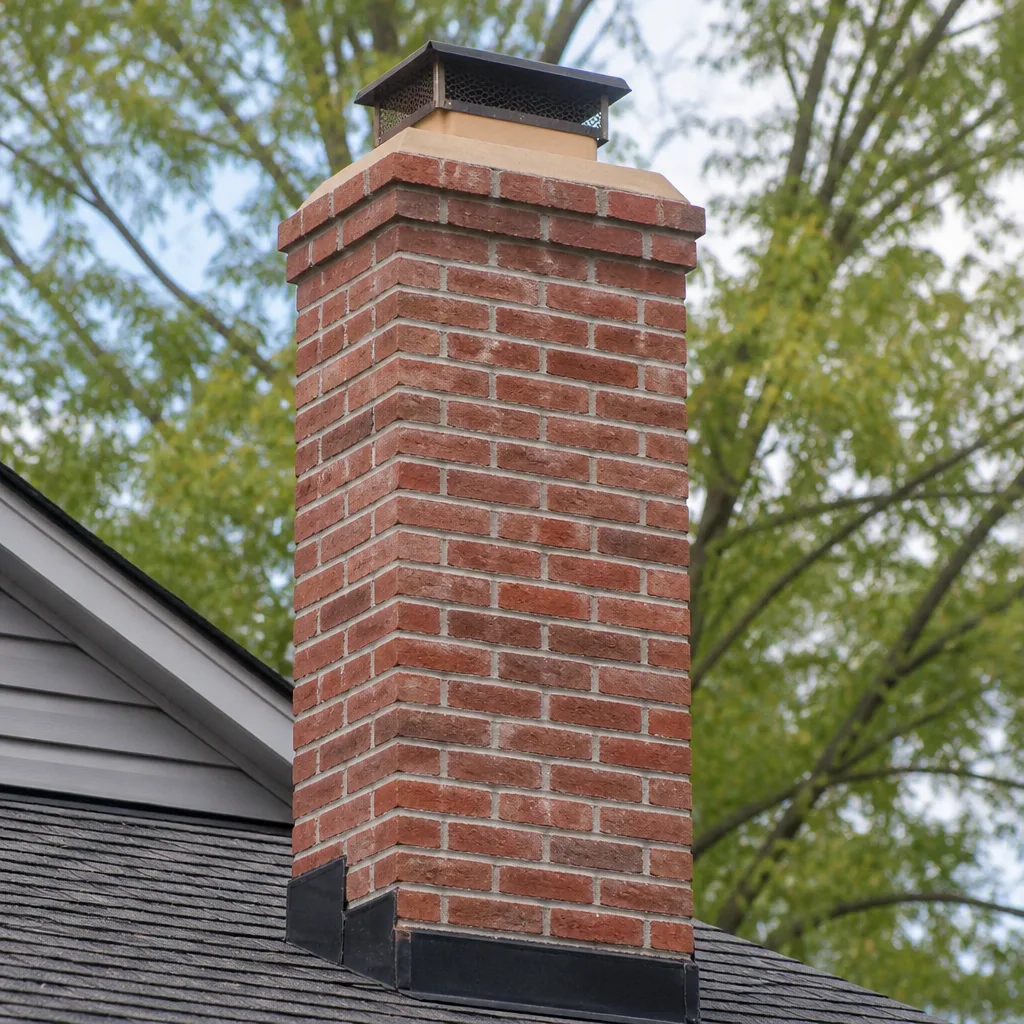 Masonry repair
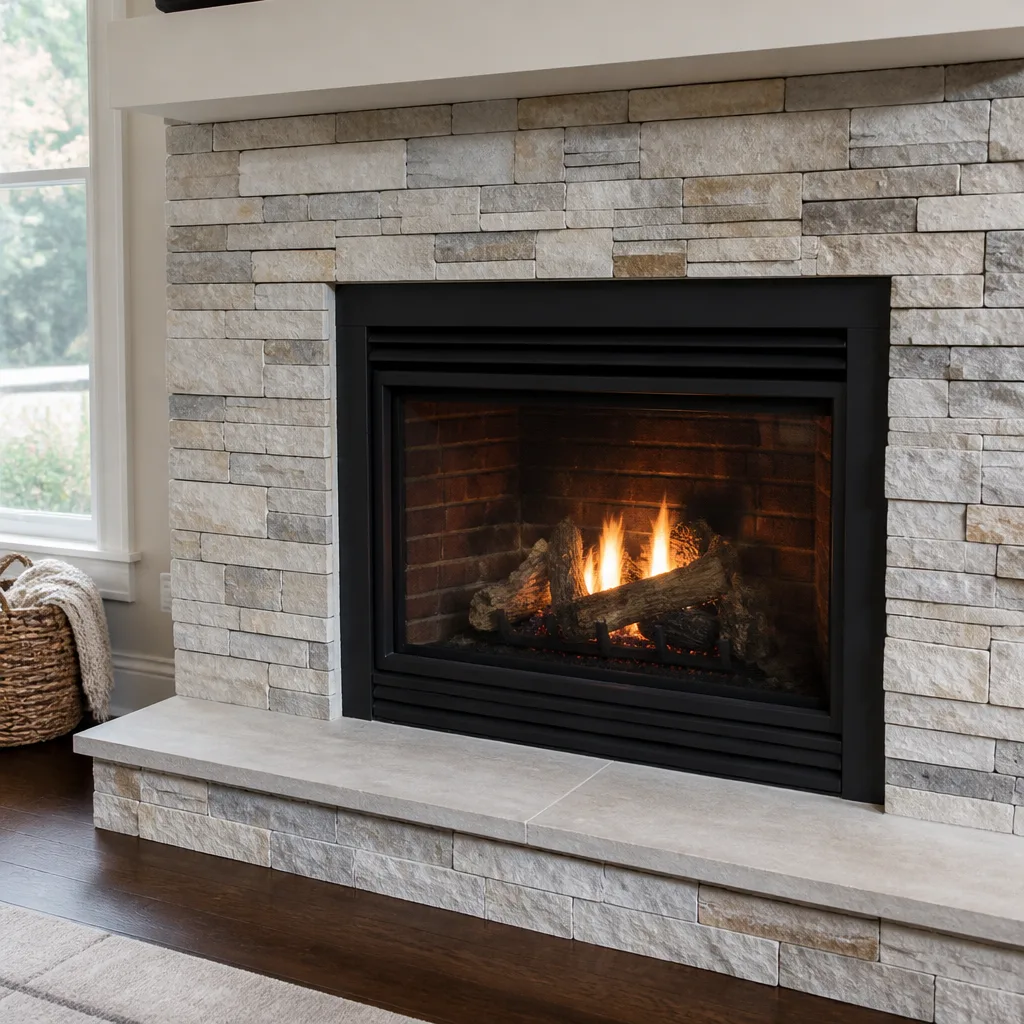 Gas fireplace service
Level 1 sweep and inspection to the NFPA 211 annual standard - flue, crown, cap, and flashing checked and photographed
Chimney sweep logs do not sweep chimneys. They loosen some creosote - which then falls where a brush and vacuum still have to collect it.
How to Hire a Chimney Cleaning Contractor in Glendale: A Step-by-Step Guide
There’s no licensing requirement in Arizona specifically for chimney sweeps, which means the person quoting your chimney cleaning may have learned the job last month. Here’s how to filter for the ones who didn’t. Most homeowners judge a chimney contractor by price and politeness, but neither tells you whether the person on your roof knows how a liner is supposed to be sized or can name the cap they’re installing. This guide breaks down the credentials worth checking, the material questions worth asking, and the quote patterns that should make you pause, so that when someone climbs onto your Glendale roof, you already know what to look for.
Quick Answer
To hire a chimney cleaning contractor in Glendale, verify three things before booking: CSIA certification, NFI certification where gas appliances are involved, and proof of active liability insurance. Then ask what brand of liner, cap, and sealant they install. A contractor who can name specific industry brands and produce a written inspection report is a specialist; one who can’t is likely a generalist sourcing generic parts. Price alone won’t tell you the difference, but these checks will.
Styles & brands we work with
- Sweep & inspection
- Caps & crowns
- Flue relining
- Masonry repair
- Gas fireplace service
Table of Contents
- Why Hiring the Right Chimney Contractor Matters in Glendale
- The Three Credentials That Actually Matter
- How to Verify Credentials Before You Book
- Questions to Ask About Materials and Brands
- Red Flags in a Chimney Cleaning Quote
- What a Professional Inspection Report Should Contain
- How to Compare Bids When Contractors Scope Jobs Differently
- What to Expect on Inspection Day
Why Hiring the Right Chimney Contractor Matters in Glendale
Glendale’s climate quietly shapes what happens inside a chimney. Winters are mild, which means many homeowners burn less frequently but still rely on a wood-burning fireplace through the cooler months, and a chimney that’s used intermittently builds creosote in uneven layers. That glazed, hardened creosote is the kind that ignites. Because Glendale doesn’t get the deep freezes that force seasonal sweeping routines elsewhere, it’s easy to let a year slip by without anyone looking at the flue.
At the same time, the local market for chimney work includes a lot of generalists. Handymen who added chimney sweeping to a broader service list, roofers branching into caps, and unlicensed operators working without certification all compete for the same jobs. That’s not a knock on handymen in general. It’s a recognition that chimney systems are their own trade, with their own failure modes: a liner sized wrong for the appliance, a cap that doesn’t vent properly, a crown that channels water into the masonry. A generalist can clean a flue. Knowing whether that flue is safe to use is a different skill.
Glendale homeowners who heat with gas face an additional consideration: gas appliance venting is its own specialty, and the person servicing it should understand combustion air, draft, and spillage. Those aren’t things you pick up on a general handyman job. When you hire for chimney work in Glendale, you’re really hiring for a narrow, specific body of knowledge. The rest of this guide is about confirming you’ve found it.
The Three Credentials That Actually Matter
Three credentials separate a chimney specialist from a generalist. Each one is verifiable, and each one tells you something different about the person you’re hiring.
- CSIA certification. The Chimney Safety Institute of America certifies chimney sweeps through an exam and a code of ethics. A CSIA-certified sweep has demonstrated knowledge of inspection standards, venting, and safety. You can confirm certification through the CSIA’s public directory rather than taking a contractor’s word for it.
- NFI certification. The National Fireplace Institute certifies technicians by fuel type: wood, gas, and pellet. If your Glendale home has a gas fireplace or gas appliance venting into the chimney, NFI gas certification is the credential that shows the technician understands combustion and venting for that fuel.
- Verifiable insurance. Liability insurance and workers’ compensation protect you if something goes wrong on your roof or in your chimney. Ask for a certificate of insurance and call the insurer to confirm it’s active. A contractor who hesitates to provide one is telling you something.
In our experience, the contractors who hold all three are easy to identify because they volunteer the information before you ask. The ones who don’t hold them tend to describe their experience in vague terms and steer the conversation back to price. For a fuller picture of what a certified chimney sweep actually does during a visit, that’s worth reading before you book.
How to Verify Credentials Before You Book
Verification takes about ten minutes and it’s the single highest-value step in this whole process. Here’s the order we recommend:
- Look up CSIA certification. Use the CSIA’s online directory to confirm the contractor or their company appears. Certification is held by individuals as well as companies, so confirm the person who will actually be on your roof.
- Check NFI certification if you have gas. The NFI directory works the same way. If your fireplace is gas, this step isn’t optional.
- Request the certificate of insurance. Ask for it by email and check that the policy is current and that the coverage type matches the work: general liability for property protection, workers’ comp for anyone on your roof.
- Ask who actually performs the work. Some companies subcontract. If a subcontractor shows up, their credentials matter, not just the company’s.
- Confirm the scope in writing. Before anyone arrives, get an email or text confirming what’s included: sweep, inspection, camera check, and a written report.
One more thing worth asking: whether the technician has specific experience with your type of chimney. A masonry fireplace with a clay tile liner is a different job from a prefabricated metal chimney, and a factory-built unit has its own venting requirements. In Glendale, you’ll find both types in the housing stock, along with gas inserts added to older fireplaces. A specialist will ask you what you have before quoting, because the answer changes the work.
Questions to Ask About Materials and Brands
A contractor who can’t name the brand of liner, cap, or sealant they install is likely sourcing generic substitutes. That matters because name-brand chimney components come with documented specifications, proper fitment for the application, and manufacturer backing if something fails. Unbranded parts come with none of that, and you have no way to look up what you’re getting.
Ask these questions directly and listen for specific answers:
- “What brand of liner do you install?” A specialist should answer without hesitation. We use DuraFlex flexible liner systems for relining because they’re specified by chimney professionals for the job, with documented sizing and a product you can look up.
- “How do you resurface a damaged flue?” The industry-standard answer is HeatShield, a resurfacing system designed for liner restoration. If the answer is a generic sealant or “we’ll parge it,” ask for the product name and spec sheet.
- “What brand of cap and damper do you use?” Famco and Copperfield are two names you’ll hear from specialists. Neither is exotic; both are standard trade brands. What matters is that the contractor can name one.
- “Can you show me the product literature?” Any contractor working with professional-grade materials can produce a spec sheet or manufacturer documentation.
The principle is simple: chimney repair done with name-brand materials you can look up is repair you can trust. A contractor who says “we use the best stuff” without a brand name is telling you they don’t know or don’t want you to check. Neither is reassuring when the work is inside your chimney, behind a wall, and impossible to inspect once it’s done. If you’re comparing a repointing job against a relining job, our guide to chimney repair walks through which materials fit which problem.
Red Flags in a Chimney Cleaning Quote
Most bad chimney quotes aren’t obviously bad. They look like good deals. Here’s what to watch for:
- An unusually low flat rate. A sweep-only price that’s noticeably below other quotes usually means the inspection, camera check, and written report aren’t included, or that a “free” inspection comes with a hard upsell. Low isn’t efficient; it’s a different scope.
- A quote given without seeing the chimney. A chimney sweep can give a ballpark over the phone, but a repair estimate without a look at the flue is a guess. Anyone who quotes a liner replacement sight-unseen is selling, not diagnosing.
- “You need a new liner” with no evidence. Liner replacement is sometimes genuinely necessary. But you should see the camera footage or photos that justify it before you agree. A recommendation you can’t verify is a recommendation you can’t trust.
- No written inspection report offered. A verbal summary is a liability. If the contractor won’t put findings in writing, you have no record if problems surface later.
- Pressure to decide on the spot. Chimney work is rarely so urgent that it can’t wait for a second opinion. If a contractor says it can’t, that’s a reason to get one.
- Vague material answers. “We use a high-grade liner” is not an answer. Ask for the brand.
- No physical address or verifiable business presence. In a market with a lot of informal operators, this is a basic filter.
None of these red flags is proof of bad work on its own. Together, they tell you whether the person you’re talking to is a specialist or a salesperson with a brush.
What a Professional Inspection Report Should Contain
An inspection report is the document you’ll rely on if anything goes wrong later. It should be specific enough that a second contractor could read it and understand your chimney without climbing up. Here’s what a proper report includes:
- The inspection level performed. Chimney inspections are classified by level, and the report should state which one was done and why.
- Photos or camera footage of the flue interior. Not just a summary judgment: actual images of what the technician saw, including the firebox, damper, smoke chamber, and flue.
- Findings written in plain language. Creosote level, any cracks in the liner, crown condition, cap and spark arrestor status, and whether the chimney is safe to use as-is.
- Recommendations tied to evidence. If a repair is recommended, the report should point to the finding that justifies it.
- A clear statement of what can safely wait. Good reports distinguish between urgent safety issues, maintenance items, and things to monitor. Not everything found needs fixing now, and a report that says otherwise is worth questioning.
Ask for the report in writing, by email, and keep it. If you sell your Glendale home, a documented inspection history is a useful record. If you ever need to make a warranty claim on a liner, the report is the paper trail. For a walkthrough of what a thorough Chimney Sweep Glendale inspection covers, that page lays out the full process.
How to Compare Bids When Contractors Scope Jobs Differently
The hardest part of hiring is comparing quotes that aren’t for the same thing. Three contractors can quote wildly different prices and all be honest, because they’re scoping three different jobs. Before you compare numbers, confirm what’s included. Use this framework:
- Sweep only. A basic cleaning. No inspection, no camera, no report. Appropriate for a chimney that was cleaned recently and is in known-good condition, but it tells you nothing about the flue beyond what’s visible.
- Sweep plus inspection. Cleaning plus a visual inspection, often with a camera, and a written report. This is the standard for most Glendale homeowners who burn regularly. It gives you both a clean flue and a documented condition assessment.
- Full system assessment. Everything above, plus closer evaluation of the appliance connection, venting, and any components flagged in the inspection. Appropriate when the chimney hasn’t been serviced in a while, when you’ve just moved into a home, or when a repair is being planned.
Once you know the scope, compare on equal footing. A quote for a full system assessment will reasonably be higher than a sweep-only quote, and the difference isn’t overcharging, it’s the extra work. The question to ask each contractor is: “What does your price include, and what would you add if I asked for a full assessment?” If the answers line up, the comparison is fair. If one contractor’s sweep-only price comes with a “free” inspection, ask what the inspection covers and whether it comes with a written report. Often it doesn’t.
It also helps to know what market rates in Glendale look like, so you can tell a fair price from an outlier in either direction. That’s covered in our Glendale service overview, which breaks down typical ranges for sweeps, inspections, and repairs.
What to Expect on Inspection Day
Knowing what a professional visit looks like helps you spot when something’s off. A typical appointment runs in a predictable sequence. The technician starts by laying drop cloths to protect your floor and furniture, then checks the firebox and damper before moving up the flue with brushes and a HEPA vacuum to contain dust. The camera inspection follows the sweep, because a clean flue is what lets the camera see the liner condition clearly.
What you should see from there:
- The technician reviews the camera footage with you, not just describes it.
- You’re told what’s fine, what needs watching, and what needs fixing, in that order.
- If a repair is recommended, you get a written estimate with the product brands named.
- The visit ends with a written report sent to you, not just a verbal summary at the door.
A sweep and inspection usually takes an hour or two depending on the chimney and the level of inspection. If the technician finds something that needs repair, they shouldn’t be doing that repair before you’ve seen the evidence and agreed to the estimate. Urgency to fix on the spot is worth questioning, though genuinely hazardous findings, like a blocked flue or a compromised liner, may need to be addressed before the fireplace is used again. That’s a safety call, not a sales call, and a specialist will explain the difference.
Our technicians have up to 8 years of experience, and every job we handle stays within the chimney trade, so the person at your fireplace isn’t splitting their attention between chimneys and unrelated home repairs. Sweep, inspect, repair: the same team handles it start to finish without handing you off.
Common Mistakes to Avoid
- Hiring on price alone. The cheapest quote is often the narrowest scope. A low sweep price that skips the camera inspection and written report saves money up front and leaves you without a record of your chimney’s condition.
- Not verifying insurance. In a market with many informal operators, an uninsured contractor on your roof is a risk you carry. Ask for the certificate and confirm it’s active.
- Accepting a verbal inspection summary. “It looks fine” is not a report. Without written findings and photos, you have nothing to compare against next year and nothing to show a buyer if you sell.
- Agreeing to liner work without seeing the evidence. Liner replacement is sometimes necessary, but you should be shown the reason. A recommendation you can look at is one you can trust.
- Skipping the material question. If you don’t ask what brand of liner or cap is being installed, you may end up with an unbranded substitute and no way to look up its specs.
- Comparing bids without comparing scope. A sweep-only quote and a full assessment quote aren’t the same job. Line up the scopes before you line up the prices.
- Neglecting gas appliance venting. If your Glendale home has a gas fireplace or gas water heater venting into the chimney, confirm NFI gas certification. It’s a separate skill from wood flue sweeping.
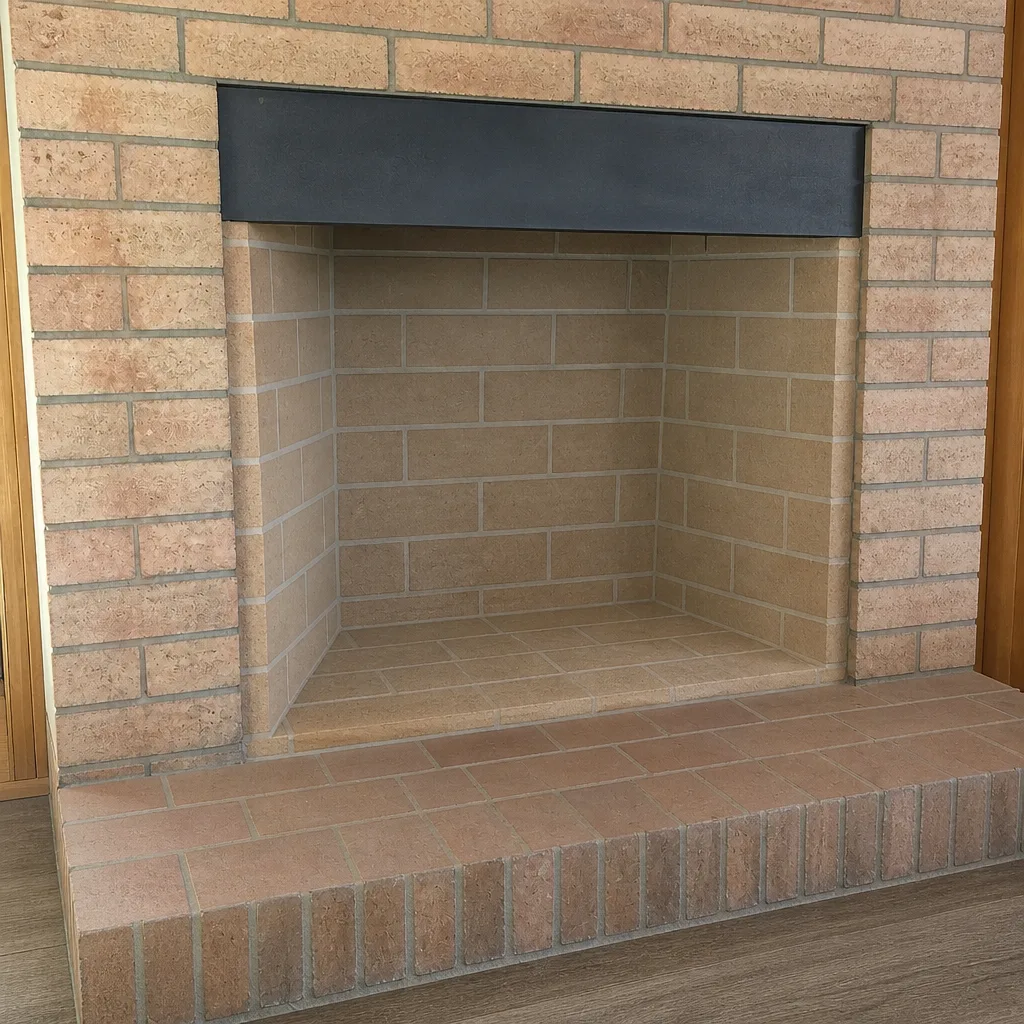
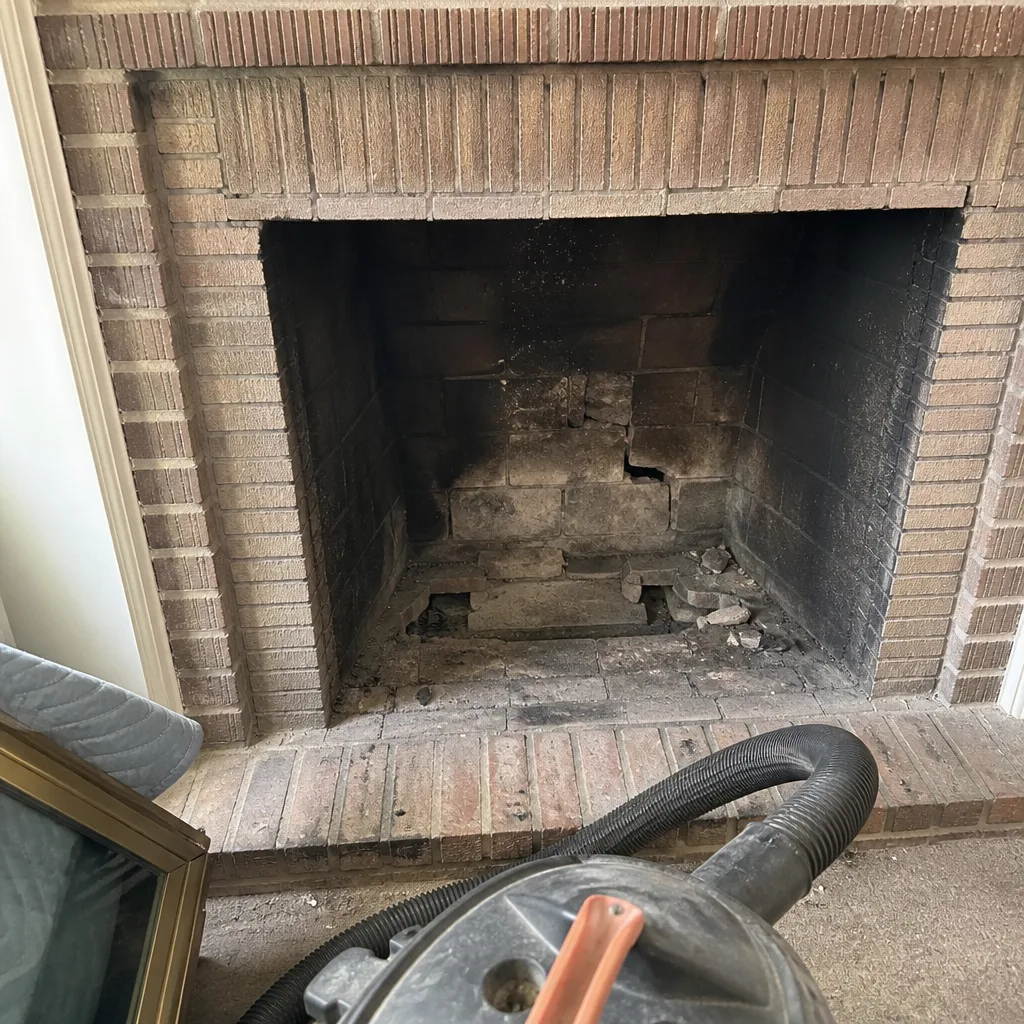
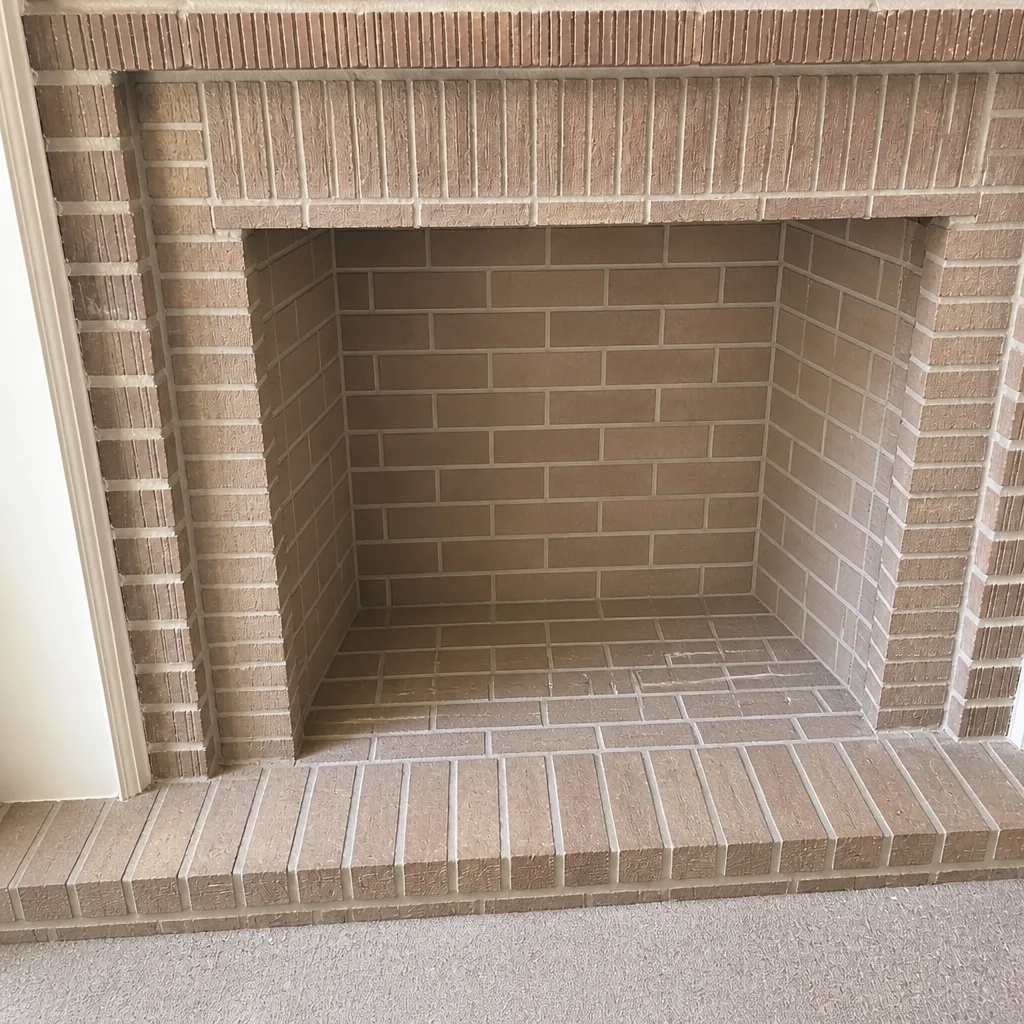
See the difference
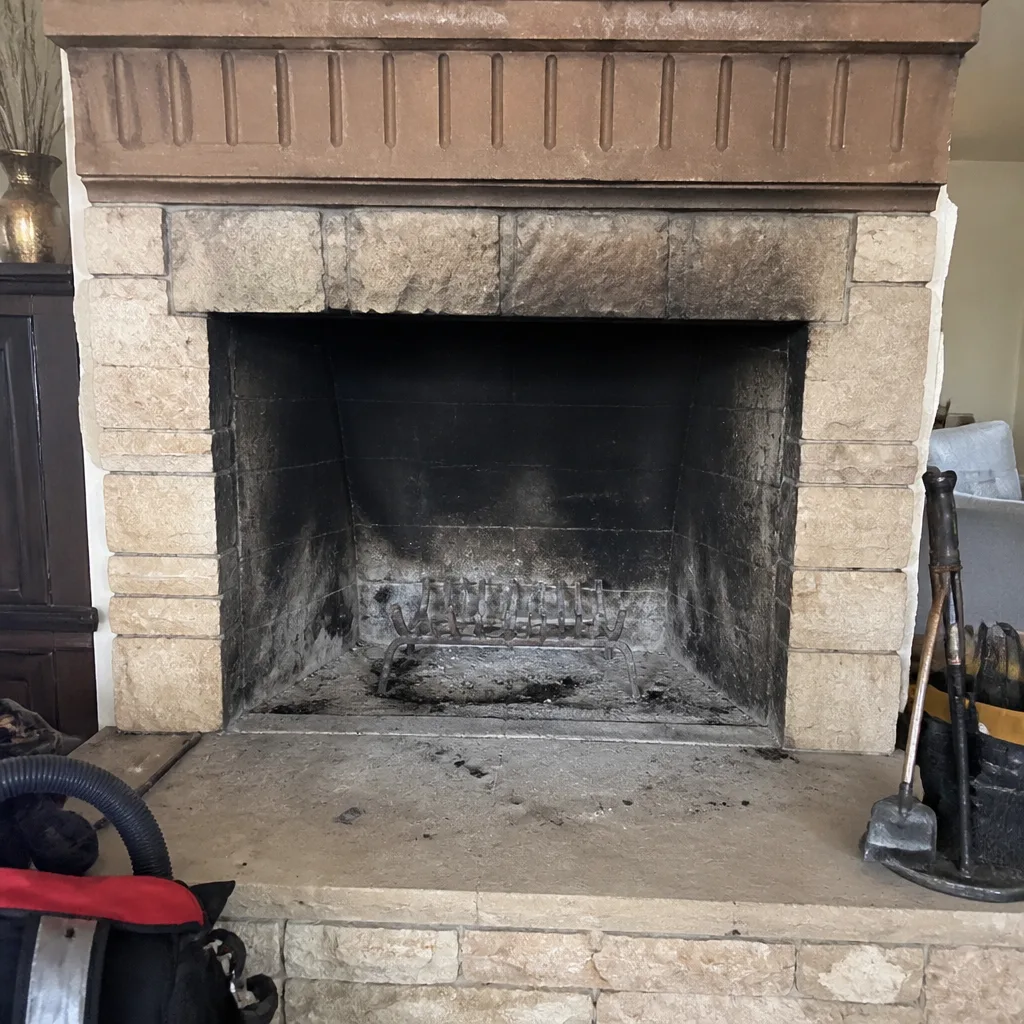 Before
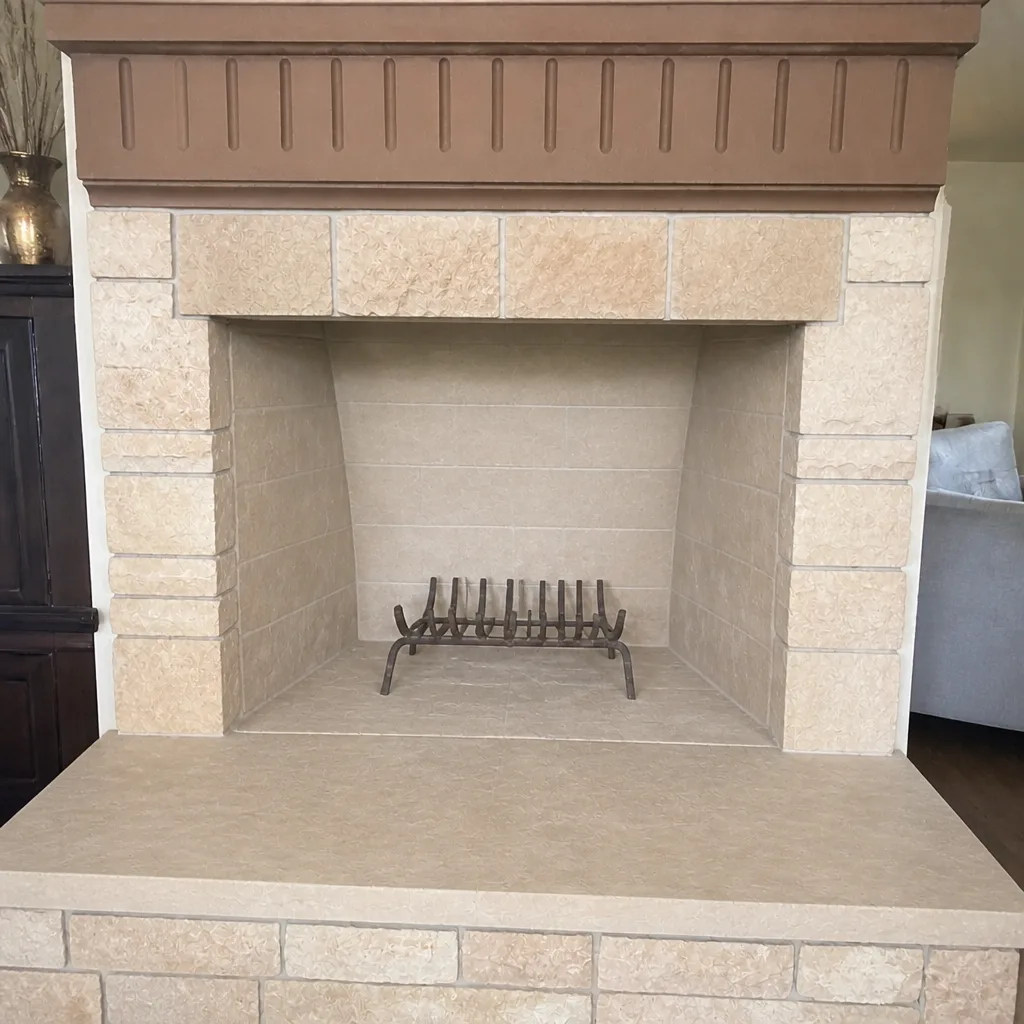 After
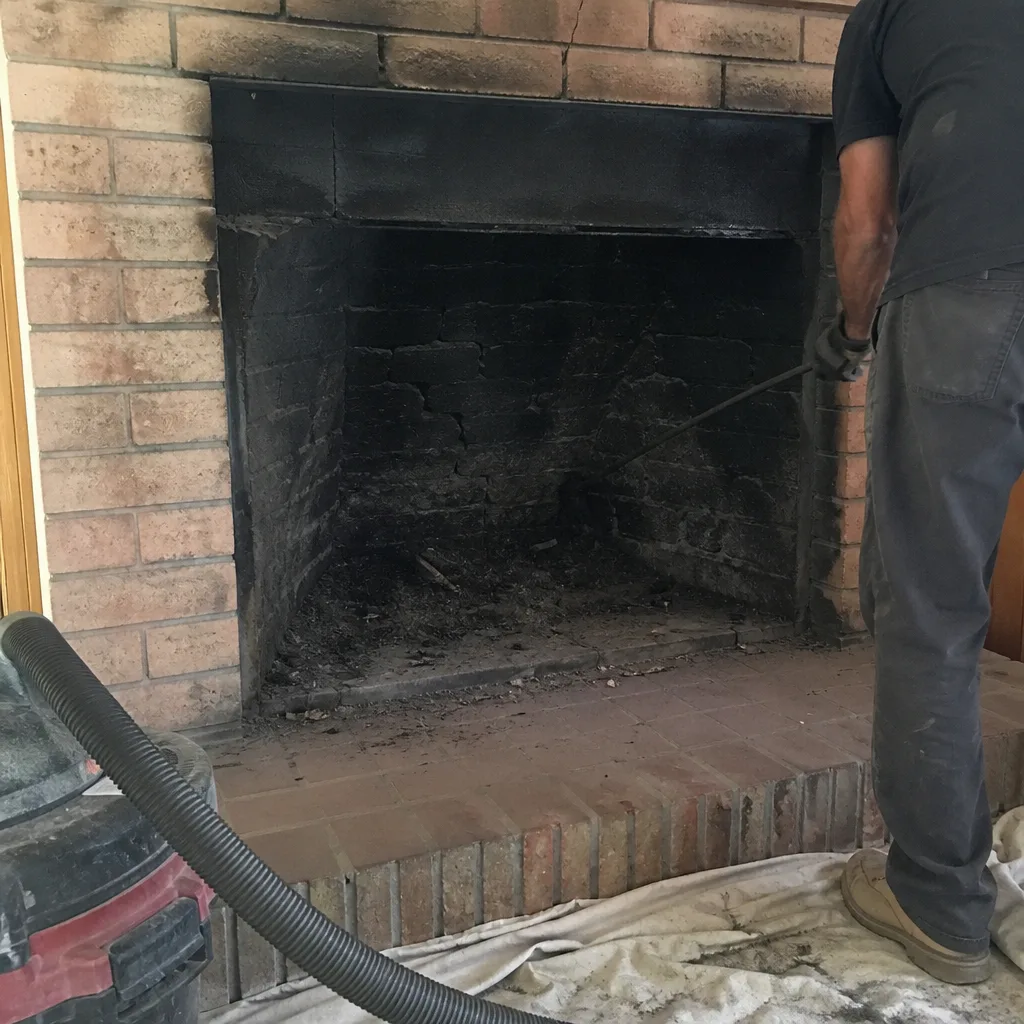 Before
 After
 Before
 After
When to Call a Professional
Some chimney situations shouldn’t wait for a convenient weekend. Call a professional if you smell a strong creosote odor in warm weather, if smoke backs into the room when you light a fire, if you see cracked or missing masonry, or if you’ve never had the chimney inspected since moving in. A chimney fire that went out on its own still leaves damage worth checking, so any sign of one, including puffy creosote or a warped damper, warrants an inspection. Gas appliance venting that’s never been checked is another reason to book a visit.
Chimney Sweep Glendale offers free estimates in Glendale. Call (833) 734-6139 for a free estimate. We answer 24/7. Fast dispatch from 7am to 7pm, Sunday through Friday.
Frequently Asked Questions
A chimney sweep in Glendale typically runs in the low-to-mid hundreds, with the exact price depending on the chimney’s condition and whether an inspection is included. A sweep-plus-inspection visit costs more than a sweep alone because it includes camera work and a written report. The estimate sets the final price, and you’ll get it in writing before anyone books the job. Call (833) 734-6139 for an exact quote. Estimates are free.
Only if the inspection shows actual damage: cracks, gaps, or deterioration that a camera can document. A liner replacement is a real repair, not a routine upsell, and you should see the footage that justifies it before you agree. If the liner is sound, you don’t need one. If it’s damaged, using the fireplace without fixing it is a risk worth taking seriously. Our team shows you what we found before recommending anything. Call (833) 734-6139 to book an inspection.
Most chimneys should be swept once a year if you burn regularly, and that timing holds even in a mild climate because creosote accumulates with use, not with cold weather. If you burn occasionally, an annual inspection still makes sense; a sweep can be done based on what the inspection finds. A chimney with heavy use or a history of creosote buildup may need more frequent attention. Call (833) 734-6139 to schedule an inspection.
Creosote builds up inside the flue, and in its hardened, glazed form it’s the fuel that chimney fires burn. A blocked or narrowed flue can also send smoke and carbon monoxide back into the living space instead of up and out. These aren’t hypothetical risks; they’re the reasons annual inspection is the standard. Skipping a year is sometimes harmless, but you won’t know without looking. Call (833) 734-6139 to get an inspection on the calendar.
No. Arizona doesn’t have a state-specific licensing requirement for chimney sweeps, which is exactly why certification is worth checking for yourself. CSIA certification is voluntary, and it’s the clearest signal that a sweep has been tested on inspection standards and safety. Confirm it through the CSIA’s directory rather than taking a contractor’s word for it. If you’d like to book with a certified team, call (833) 734-6139.
Yes. Estimates are free, and the price is set per job by the written estimate so you know the cost before work starts. A proper estimate is based on an inspection of your actual chimney, not a phone quote; anyone quoting a repair without looking is guessing. Call (833) 734-6139 for a free estimate. We answer 24/7, with fast dispatch from 7am to 7pm, Sunday through Friday.
The Bottom Line
Hiring a chimney contractor in Glendale comes down to three checks and one question: CSIA certification, NFI certification if you have gas, verifiable insurance, and what brand of liner and components they install. Those checks separate the specialists from the generalists, and they take ten minutes. Beyond that, insist on a written report with photos, compare quotes by scope rather than price, and never agree to liner work you haven’t seen evidence for. A chimney that’s cleaned, documented, and repaired with named materials is a chimney you can use with confidence.
Chimney Sweep Glendale handles sweeping, inspection, and repair as a single trade, with name-brand materials throughout. Call (833) 734-6139 for a free estimate. We answer 24/7. Fast dispatch from 7am to 7pm, Sunday through Friday.
Written by the team at Chimney Sweep Glendale.