
Last updated November 15, 2026
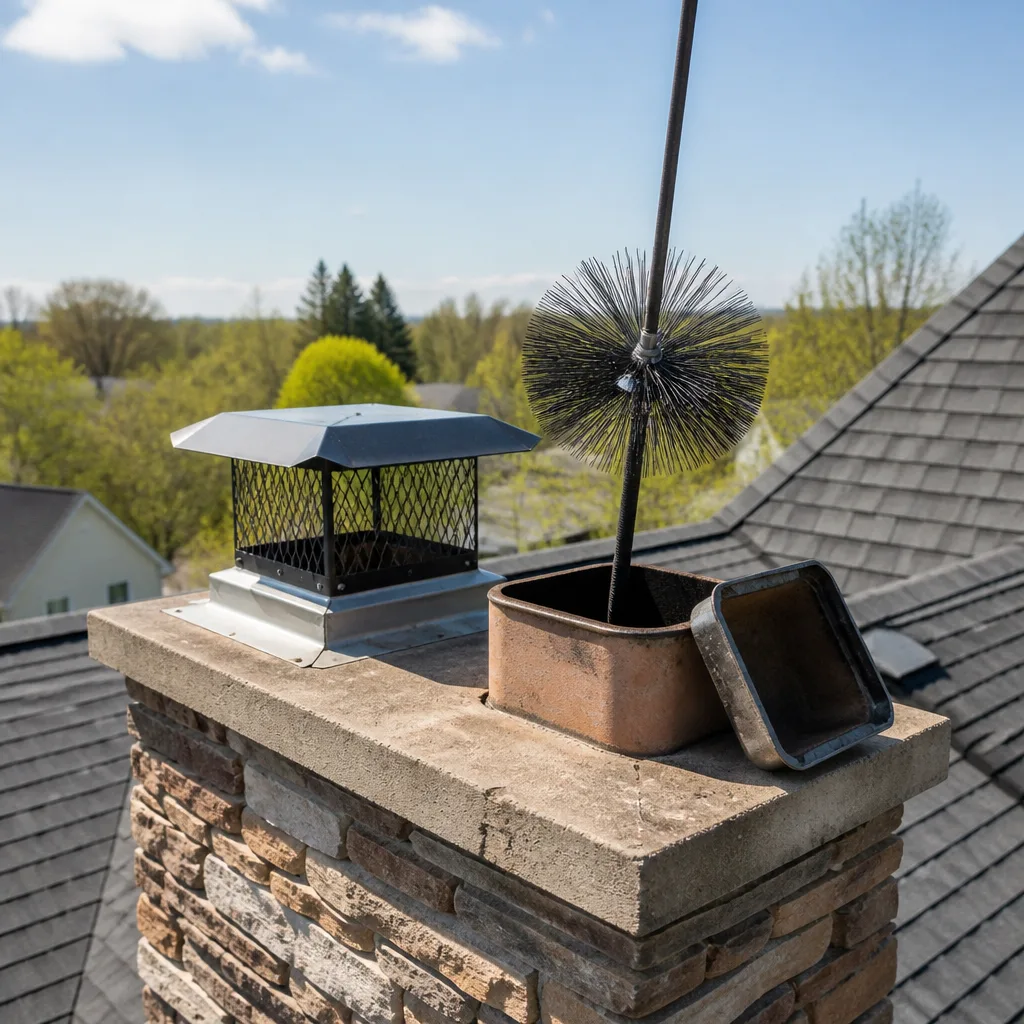 Sweep & inspection
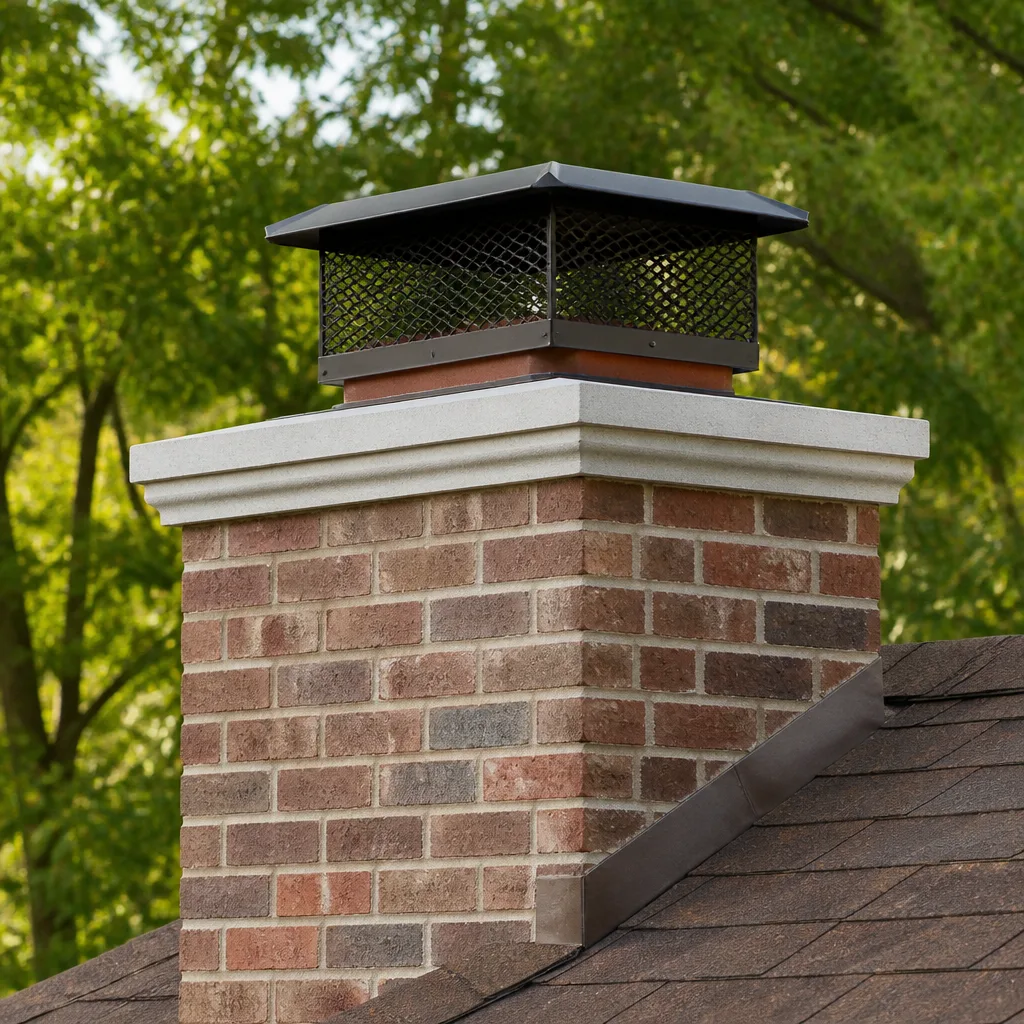 Caps & crowns
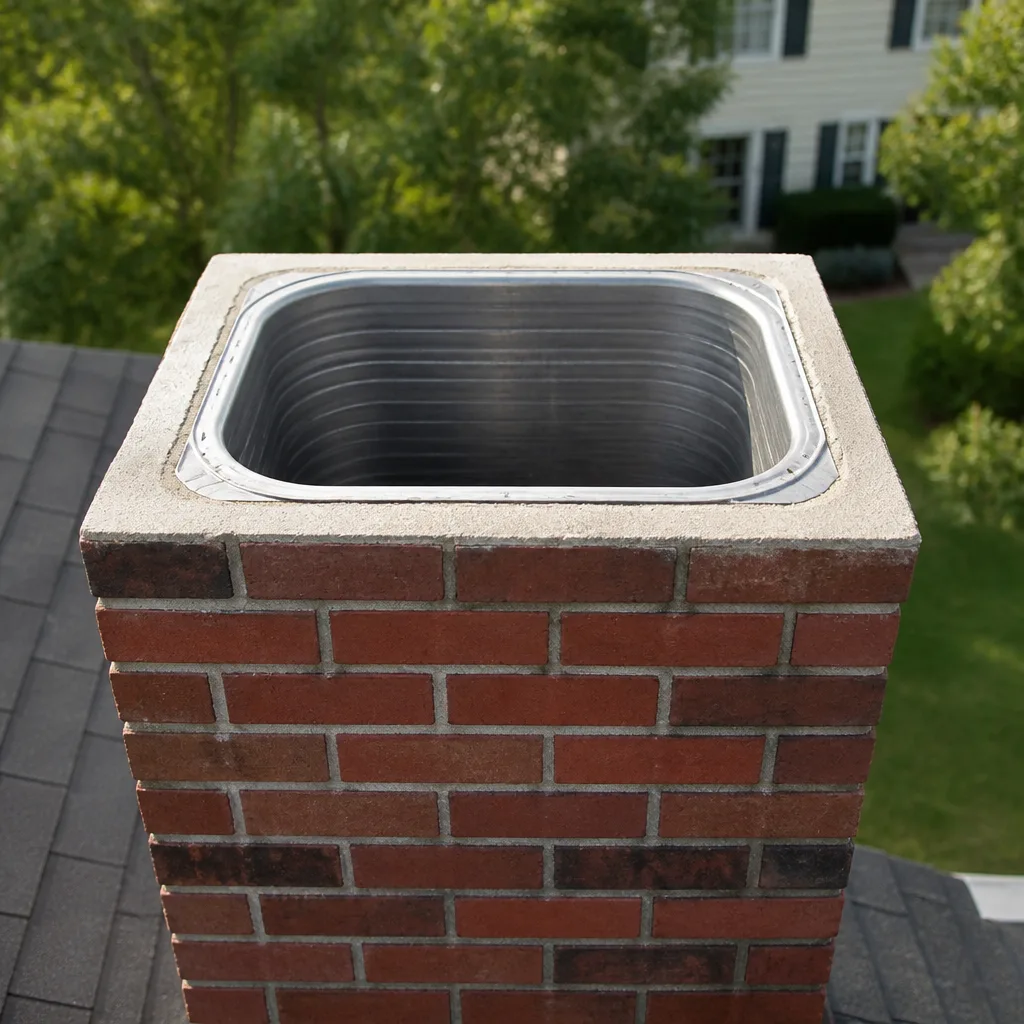 Flue relining
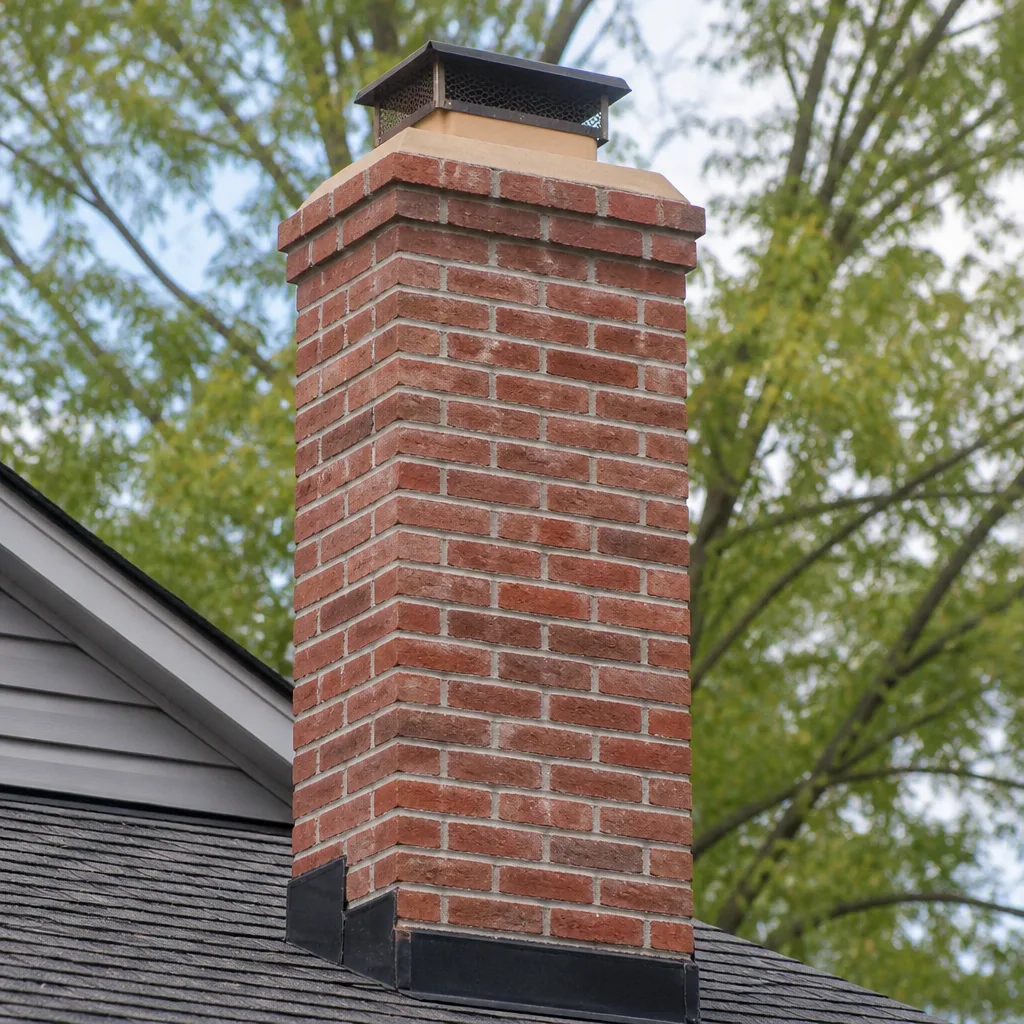 Masonry repair
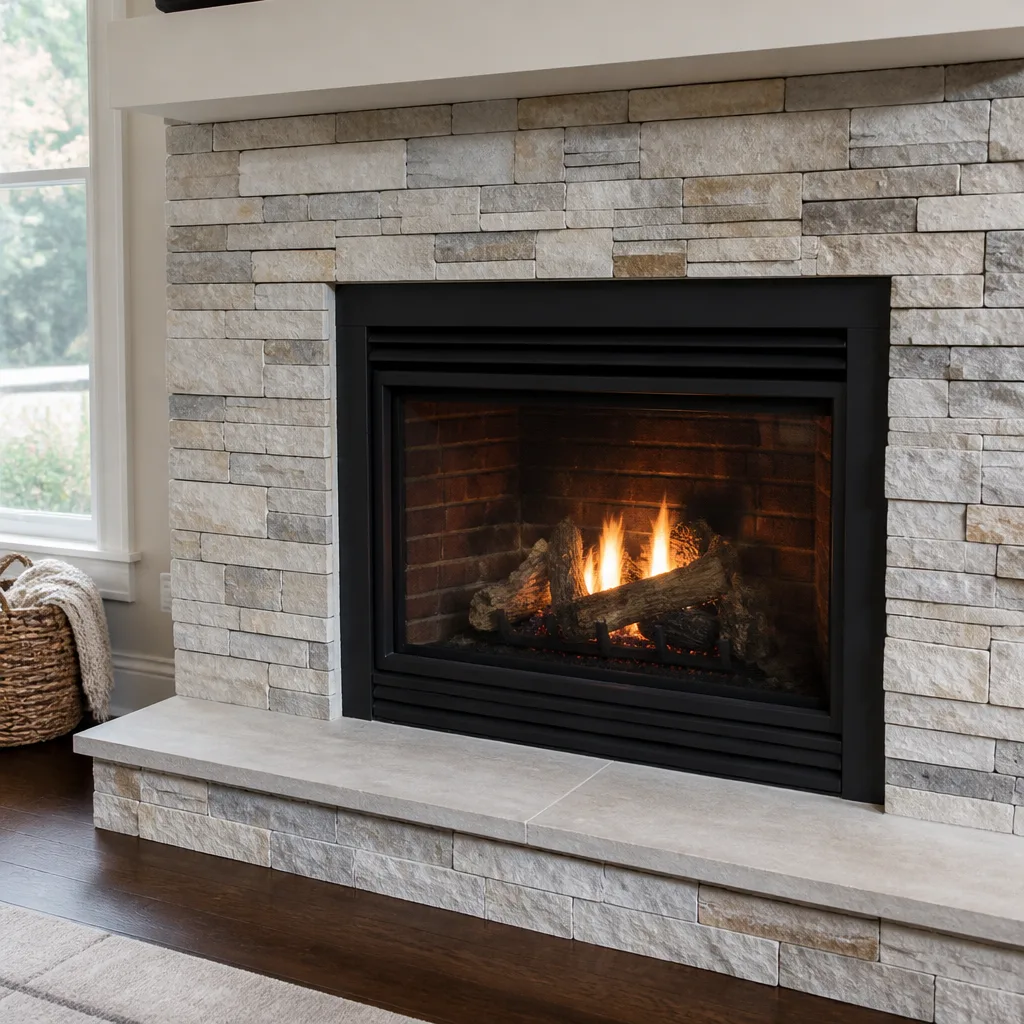 Gas fireplace service
Level 1 sweep and inspection to the NFPA 211 annual standard - flue, crown, cap, and flashing checked and photographed
Chimney sweep logs do not sweep chimneys. They loosen some creosote - which then falls where a brush and vacuum still have to collect it.
Chimney Cleaning Emergency Preparedness Guide for Glendale Homes
A chimney fire doesn’t always sound like a roar and look like an inferno. In many cases it sounds like a low rumble or crackling you might attribute to the fire itself, and by the time visible signs appear outside, structural damage to the flue liner is already done. That gap between what a chimney fire actually looks and sounds like and what most people imagine is where homes get into real trouble. This guide covers the before, during, and immediately-after actions that decide whether a chimney event stays contained or escalates into a structure fire. We’ll walk through how to recognize an active fire, what to do in the first five minutes, what a Glendale Fire Department crew expects to find when they arrive, and what has to happen before the fireplace is safe to use again.
Quick Answer
If you suspect a chimney fire, get everyone out of the house, call 911, and don’t try to fight it with water from the roof. Recognize it by a low rumble, crackling that sounds mechanical, a hot smell that isn’t wood smoke, or puffs of dark smoke coming from joints and seams you’ve never seen smoke escape before. After any chimney fire, the flue must be inspected at Level 2 before the fireplace is used again, because a fire that seemed small can still crack a clay liner or distort a metal one. Regular sweeping that clears Stage 2 and Stage 3 creosote is what prevents most of these events from starting in the first place.
Styles & brands we work with
- Sweep & inspection
- Caps & crowns
- Flue relining
- Masonry repair
- Gas fireplace service
Table of Contents
- How to Recognize an Active Chimney Fire
- The First Five Minutes: What to Do and What Not to Do
- After the Fire: Why a Level 2 Inspection Comes Next
- Why Stage 2 and Stage 3 Creosote Are the Real Emergency
- What Glendale Fire Department Expects Homeowners to Have in Place
- Pre-Season Prevention Steps That Cut Your Risk
- Carbon Monoxide: The Quiet Companion Problem
- Why Materials Matter When It’s Time to Repair
How to Recognize an Active Chimney Fire
Most homeowners expect a chimney fire to announce itself. The reality is that many start quietly and burn hot in an oxygen-starved flue, which means the sound and smoke signatures are subtle. Learning the cues ahead of time is what makes them useful when the stakes are real. Here’s what our technicians tell homeowners to watch and listen for during the heating season in Glendale, where wood-burning fireplaces still get regular use on cool desert nights.
The sounds:
- A low, persistent rumble that feels like it’s coming from the walls, not the firebox
- Crackling that sounds mechanical or rhythmic, like metal ticking or popping
- A roaring or humming noise that grows after you’ve closed the glass doors
- Creaking or groaning from the chimney structure itself as metal expands from heat
The smells:
- A hot, sharp, almost chemical odor that isn’t the usual wood smoke smell
- Smoke in the room that wasn’t there before, especially from the direction of the flue
- An asphalt or tar smell, which can indicate heated creosote off-gassing from the chimney wall
The visual cues:
- Dense smoke drifting from the top of the chimney, particularly dark or gray smoke when you weren’t burning wet wood
- Sparks or embers exiting the top of the chimney
- Smoke or heat damage appearing at seams, joints, or the thimble where the flue meets the wall
- Popping or blistering paint on the exterior chase
- A puffy, spongy warped cap or visible deformation of the crown
The quiet, slow-burn scenario matters most. A fire that starts in a flue packed with Stage 3 creosote can burn for many minutes before it produces anything exceptional from the outside. The liner is already taking heat damage while the homeowner notices nothing. That’s why we treat “I thought I heard something” as a real signal, not a guess. If you hear or smell something you can’t explain, close the firebox doors, get out, and call 911. The chimney sweep at chimney sweep level rarely finds the aftermath of a chimney fire by accident; we find it after someone followed their gut.
The First Five Minutes: What to Do and What Not to Do
The first five minutes separate a contained event from an escalating one. The order of operations matters, and it’s different from an ordinary house fire because the fire is inside a flue that’s been designed to concentrate heat. Here is what to do, in order, when you believe a chimney fire has started.
- Get everyone outside first. Adults, children, pets. No one stays to watch, film, or grab a document. You can replace items; you can’t replace people.
- Call 911 from outside. Use a cell phone or a neighbor’s line. Tell the dispatcher it is a possible chimney fire and give the full address. Glendale Fire Department crews know how to look at a chimney from the ground and know what to check for at the roof and interior.
- Close the firebox doors, not the flue damper. Shutting the air supply at the firebox starves the fire of oxygen and slows it. Closing the damper on the other hand can force heated smoke and carbon monoxide backward into the room. If you’re not sure how to work your damper under pressure, leave it alone.
- Don’t spray water down the flue from the roof. A sudden steam event against a hot clay liner can crack it. It can also burn the person on the roof. Let the pros handle it.
- Do not use a chimney fire extinguisher without a plan. A chimney-specific extinguisher can buy time for a small fire, but only if it’s positioned and you know how to use it. Most homes don’t have one ready, and improvising in the heat of the moment creates a second emergency.
When the fire is small, contained, and the firebox doors are closed, you may be able to self-extinguish by closing the firebox and letting the fire die on its own air. But you only make that call when a firefighter or a technician tells you it’s small. If there’s any doubt, treat it as large. In our experience across Glendale, the homes that come through a chimney fire with only cosmetic damage are the ones where the homeowner called 911 quickly rather than trying to handle it in the living room.
After the Fire: Why a Level 2 Inspection Comes Next
A chimney that has experienced a fire cannot be used again until a Level 2 inspection is completed. That isn’t a suggestion from the chimney trade, it’s the baseline assumption that keeps homes standing. A Level 2 inspection is what fire departments and insurers will ask about after an event, and it’s what tells you whether the flue is still operational.
Here’s what a Level 2 inspection looks for after a chimney fire:
- Liner integrity. Clay tile liners crack under the heat of a fast chimney fire. A crack through the flue wall means carbon monoxide and heated smoke can reach the inside of the house, and it means the fireplace can’t be safely used again until that’s addressed.
- Metal liner condition. A stainless liner can survive a fire but can also be distorted or warped, or have a seam open up. Inspecting it requires camera access from the top down and the bottom up.
- Joints and thimble contact. Where the flue passes through a wall or ceiling, fire can exploit hidden openings. The inspection looks specifically at those transitions.
- Creosote and external smoke staining. New smoke staining around seams and masonry tells you the fire pushed heat or smoke through paths that weren’t there before.
- The crown and exterior chase. Heat can crack the crown, pop the spark arrestor cap off, or deform the chase cover. Those repairs are part of returning the chimney to service.
- Chase cover and cap condition. A warped or missing cap is both a water intrusion risk and a sign the fire reached the top.
When a Level 2 inspection turns up a compromised liner, the fix is usually a reline, not a spot repair. The team at chimney repair uses products from DuraFlex and HeatShield for exactly this reason: they allow a liner or resurfacing job to be specified, documented, and warrantied. A repair done with an unidentified material leaves you guessing what’s inside your chimney the next time it’s inspected.
Why Stage 2 and Stage 3 Creosote Are the Real Emergency
The phrase “chimney cleaning emergency” is really about creosote. Creosote is the residue from burning wood, and it accumulates in three forms. Stage 1 is a light soot that brushes away easily. Stage 2 is a flaky, crusty deposit that comes off with a proper sweep. Stage 3 is a glazed, hardened layer that’s essentially a fuel load adhered to the inside of the flue. Stage 3 is what ignites most chimney fires, and it’s what a routine sweep prevents before there’s any emergency to manage.
Why this matters in Glendale specifically: the burning season here is shorter than in colder climates, but it’s not absent. Cool desert nights in the winter months mean a lot of fires are burned in a rush, sometimes with less-dry wood, sometimes with the firebox damped down for a long, low burn overnight. A long, low, smoldering burn is the exact condition that produces Stage 3 creosote faster than a hot, clean fire. That’s the pattern our technicians see in homes across Glendale: fewer burns, but heavier deposit per burn.
What reduces the risk:
- Burning only seasoned, dry wood with visible cracks and low moisture content
- Avoiding long, smoldering burns with the air damper nearly closed
- Scheduling a sweep before the cool season begins, not in the middle of it
- Having the flue inspected on the same visit so the creosote stage can be identified and documented
Here’s the part homeowners find surprising: a routine sweep isn’t cosmetic. It is the single most effective chimney-fire prevention step available, and it’s also the least expensive. Stage 3 has to be removed mechanically before it can ignite, and once it’s gone, your flue is back to a surface you can trust.
What Glendale Fire Department Expects Homeowners to Have in Place
Fire departments respond to what they find, and what they find is shaped by whether homeowners have done the basics beforehand. For chimney-related calls in Glendale, the expectations aren’t exotic, but they are specific, and having them in place is what makes an emergency a managed event rather than a disaster.
- Working smoke alarms and a carbon monoxide detector on every level of the home. A chimney fire can produce smoke or CO on an interior level before the fire is visible from outside. The detector is what gives you those first crucial minutes.
- Clearance compliance. The firebox, hearth, and any combustibles near the fireplace have to be clear. Furniture, kindling, and decorations staged too close are what a firefighter sees when they arrive, and it changes their approach.
- Professional maintenance records. Having your last sweep and inspection report on hand tells the responding crew the chimney was maintained and tells you exactly what the last technician saw. After an event, insurers and adjusters will ask how the flue was maintained, and those records answer the question cleanly.
- A working damper and a familiar firebox. Knowing how your damper operates before an emergency is not the time to learn. If you can’t tell which way is open from the handle position, get that sorted during a sweep visit.
- A clear address visible from the street. In Glendale neighborhoods like North Glendale, where driveways can sit back from the street, an illegible house number costs minutes.
If your fireplace hasn’t been inspected in a while, or you’re not sure what the last sweep found, that’s the moment to schedule one. A Chimney Sweep Glendale inspection gives you a written picture of what’s in there, in plain language, so you walk into the season with facts instead of assumptions. The Glendale climate is mild, but a chimney doesn’t know what season it is when a fire starts inside it.
Pre-Season Prevention Steps That Cut Your Risk
Prevention is where the emergency stops before it starts. The steps below are what we recommend to Glendale homeowners every year before the first cool evening fire, and each one is something you can act on now rather than after a scare.
- Book a sweep and inspection before burning season. Early fall is when the schedule is easiest and when a technician has time to properly document what he finds. If creosote has been building for multiple seasons, you want to know before the first burn, not after.
- Burn dry wood only. Wood that’s been split and stacked for at least a full season, ideally longer, burns hotter and cleaner. Wet wood produces more creosote and more smoke, both of which increase fire risk.
- Avoid overnight smoldering burns. Damping the fire down for an all-night burn is one of the biggest drivers of Stage 3 creosote in Glendale homes. Let fires burn normally and let them die down on their own.
- Test smoke and CO detectors. Replace the batteries at the start of the season and check that each unit actually sounds. A silent CO detector is not doing its job.
- Inspect the cap and chase cover. Look for a missing cap, a warped spark arrestor, or visible damage to the chase. Water intrusion and heat damage both start at the top.
- Keep a three-foot clearance around the hearth. Nothing combustible should sit within that zone, and that includes decorations, magazines, and that stacked blanket.
- Keep your last inspection report on file. Having the report is what lets a technician, an insurer, or a responding crew understand your flue at a glance.
Prevention isn’t a season-long project. It’s a sweep, a few habits, and a working detector. Those three things are what prevent most chimney fires, and they’re the reason a sweep is a maintenance task, not a sales pitch.
Carbon Monoxide: The Quiet Companion Problem
A chimney crack, a blocked flue, or a fire that distorts the liner can all create an opening for carbon monoxide to enter the living space. CO is invisible and has no smell, which is why the detector matters. It’s also why a Level 2 inspection after a fire is not optional: the same event that cracks a liner can reopen a path for CO and smoke to escape indoors.
What to watch for:
- A CO detector alarm at any time, but especially when a fire is burning
- Headaches, nausea, or drowsiness that resolve when you leave the room or house and return when you come back
- Soot staining around the firebox, at the thimble, or on the front of the fireplace
- A fire that’s suddenly harder to start or that pulls poorly when before it drew well
If a CO detector sounds, get everyone outside and call 911, then call your gas utility if you have a gas fireplace. If you suspect the chimney is the source, a chimney repair visit after the event will find the opening and get it sealed. In Glendale, we’ve seen this scenario respond very well to a reline once the problem is identified: a DuraFlex or HeatShield system corrects the path, and the detector goes back to being a thing you test once a year instead of a thing you worry about.
Why Materials Matter When It’s Time to Repair
Most of the homeowners we talk to after a chimney fire have a decision to make: what do we repair this with? The answer matters more than most people realize, because the repair has to survive the next fire, not just this one. Generic sealants and unbranded liners may pass a visual check during the installation and then fail underneath the heat load. Brand-name components are what let a technician spec a system with known performance characteristics, documented installation requirements, and a manufacturer’s backing you can look up.
That’s why we work with the six brands we trust on this trade, including Gelco, Olympia Chimney, Famco, and Copperfield alongside our liner and resurfacing standards. It’s not about name-dropping. It’s about being able to say: this is the material, this is the spec, this is the manufacturer behind it, and here is the documentation. A homeowner who’s just been through a chimney fire deserves that level of traceability, both for their own confidence and for their insurer’s.
Chimney repair done with name-brand materials you can look up, not mystery compounds. That’s a standard we hold in every Glendale fireplace we touch, whether the job is a simple sweep or a full reline after a fire event.
Common Mistakes to Avoid
- Trying to put the fire out alone. Most homeowners don’t have the training or equipment to extinguish a chimney fire safely. The first call is 911, not the garden hose.
- Closing the damper during a chimney fire. It restricts airflow but also forces heated smoke and CO back into the room. Close the firebox doors, not the flue.
- Using the fireplace again before a Level 2 inspection. A quiet fire that produced no visible damage can still have cracked a clay liner. The only way to know is to look.
- Trusting a visual inspection from the ground. A glance at the chimney cap tells you almost nothing. A Level 2 inspection uses a camera and reaches the surfaces a flashlight can’t.
- Skipping the sweep because the fire “seems fine.” Stage 3 creosote produces no symptoms until it ignites. A sweep is the way you find out it’s there.
- Letting a fire smolder overnight in a damped-down firebox. This pattern produces the heaviest creosote in Glendale homes and is one of the most preventable causes of an eventual chimney fire.
- Removing the smoke or CO detector after a false alarm without investigating. If a detector is chirping or alarming, find out why before disabling it.
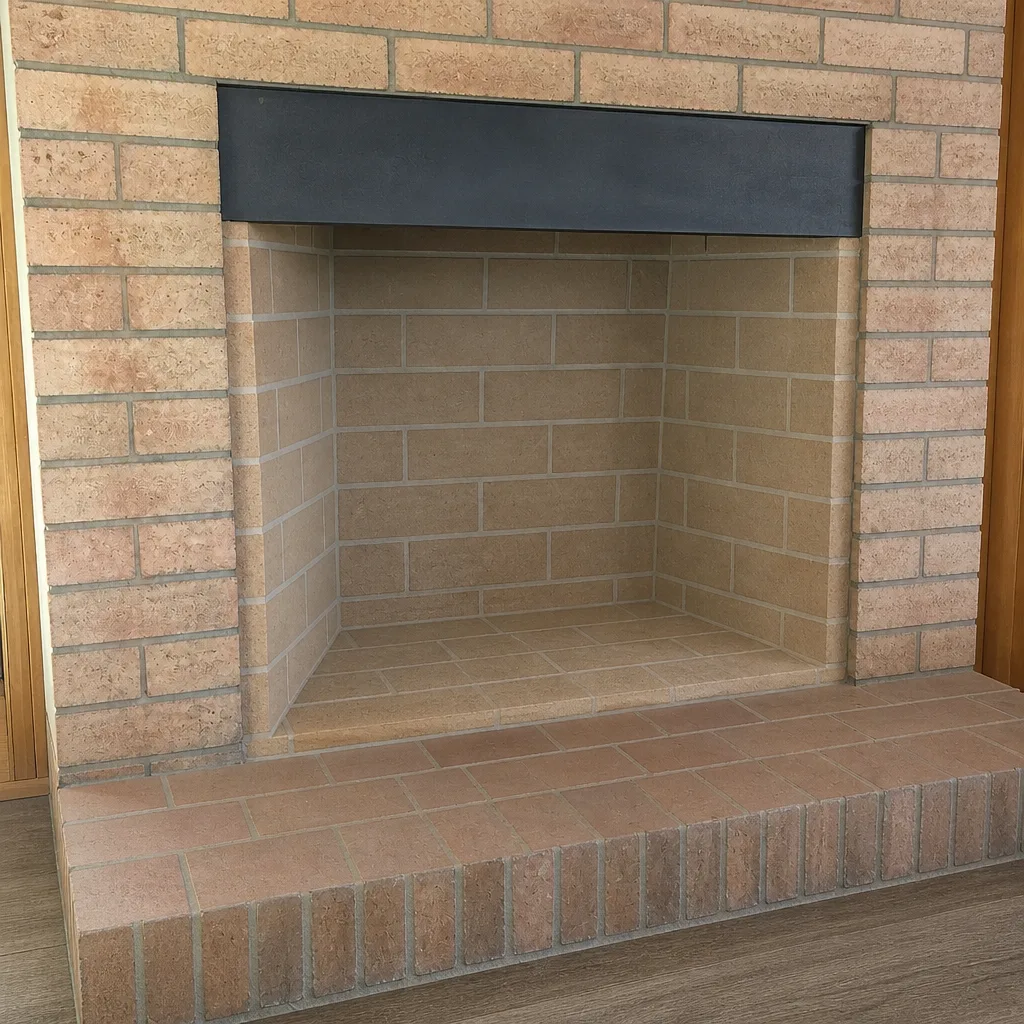
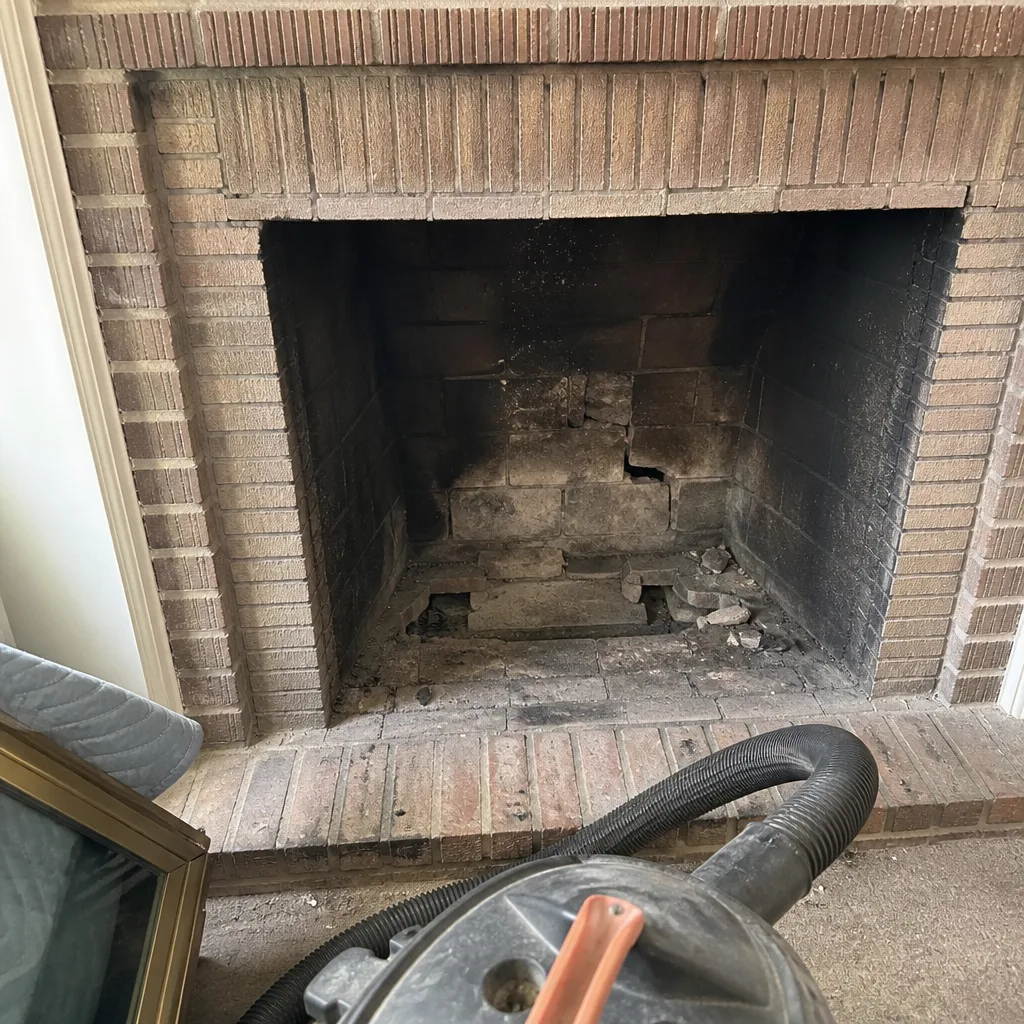
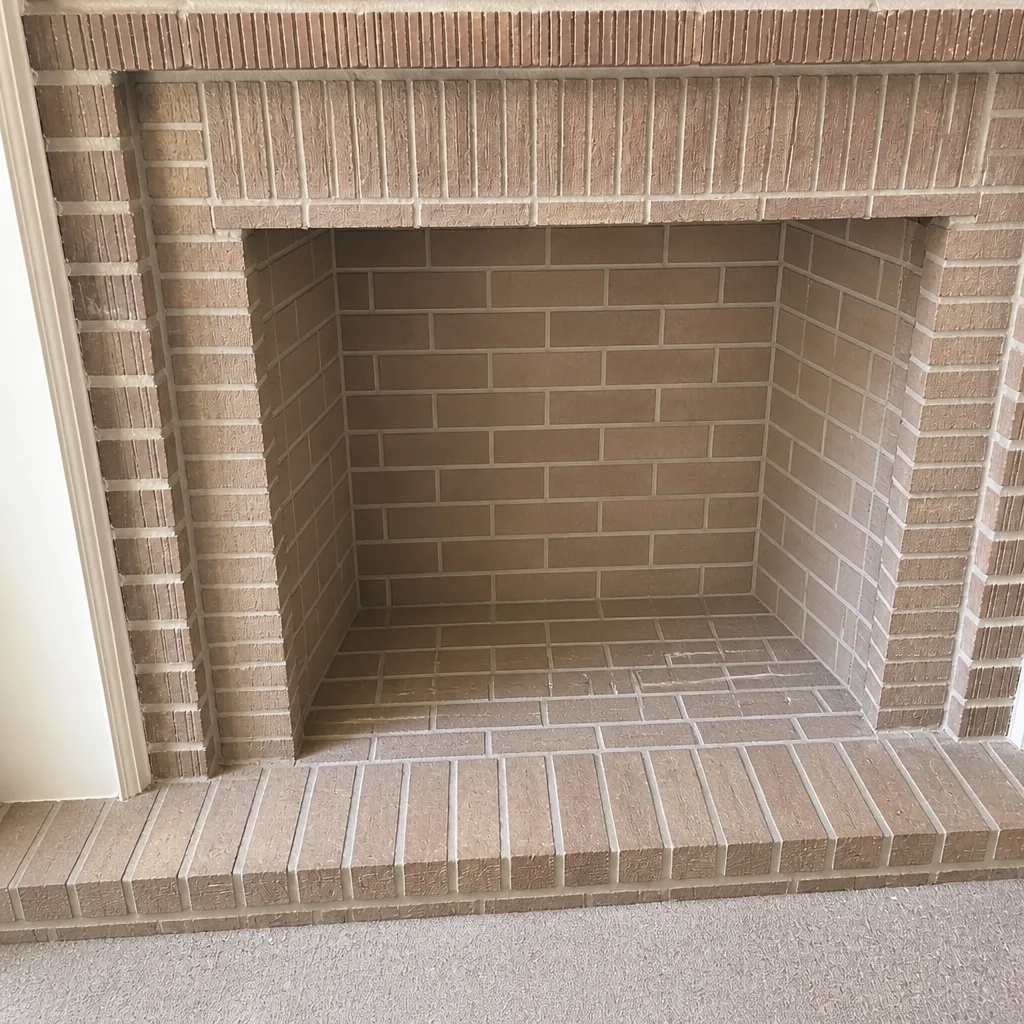
See the difference
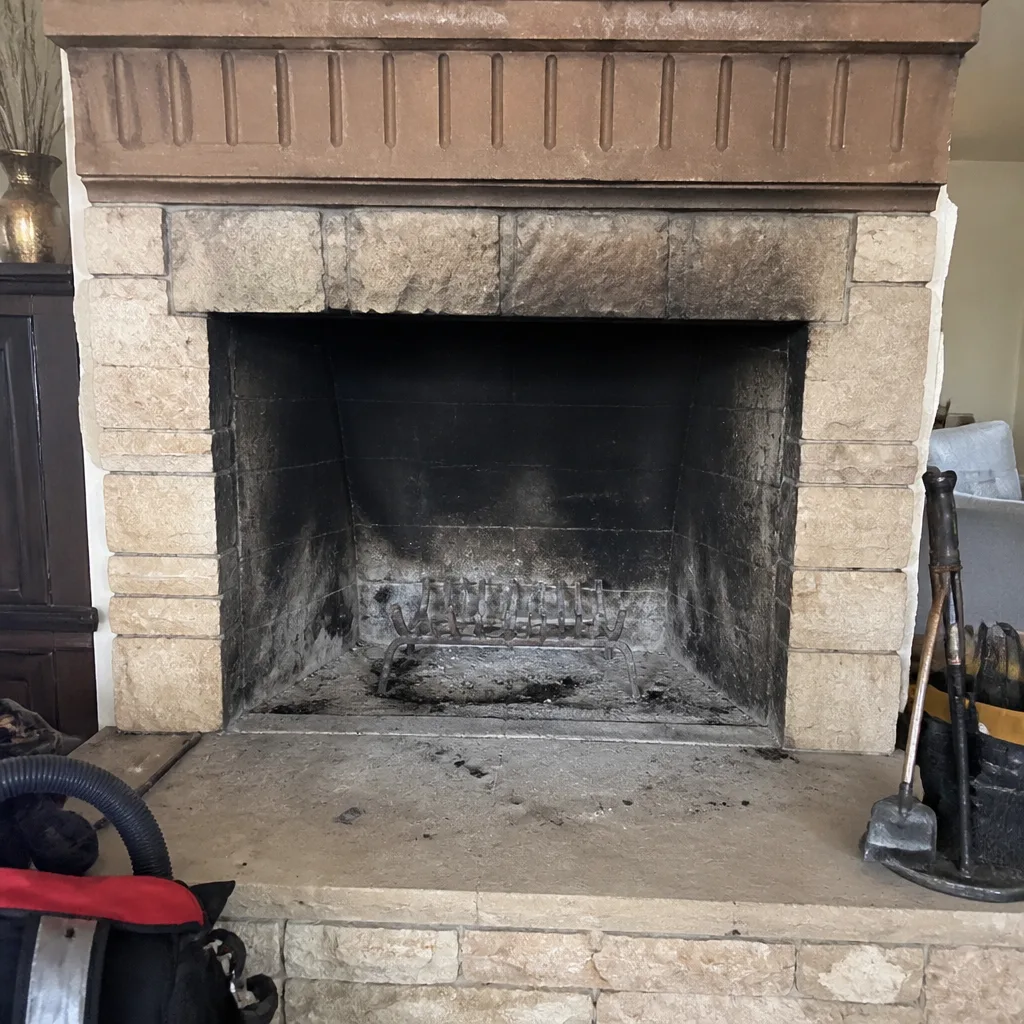 Before
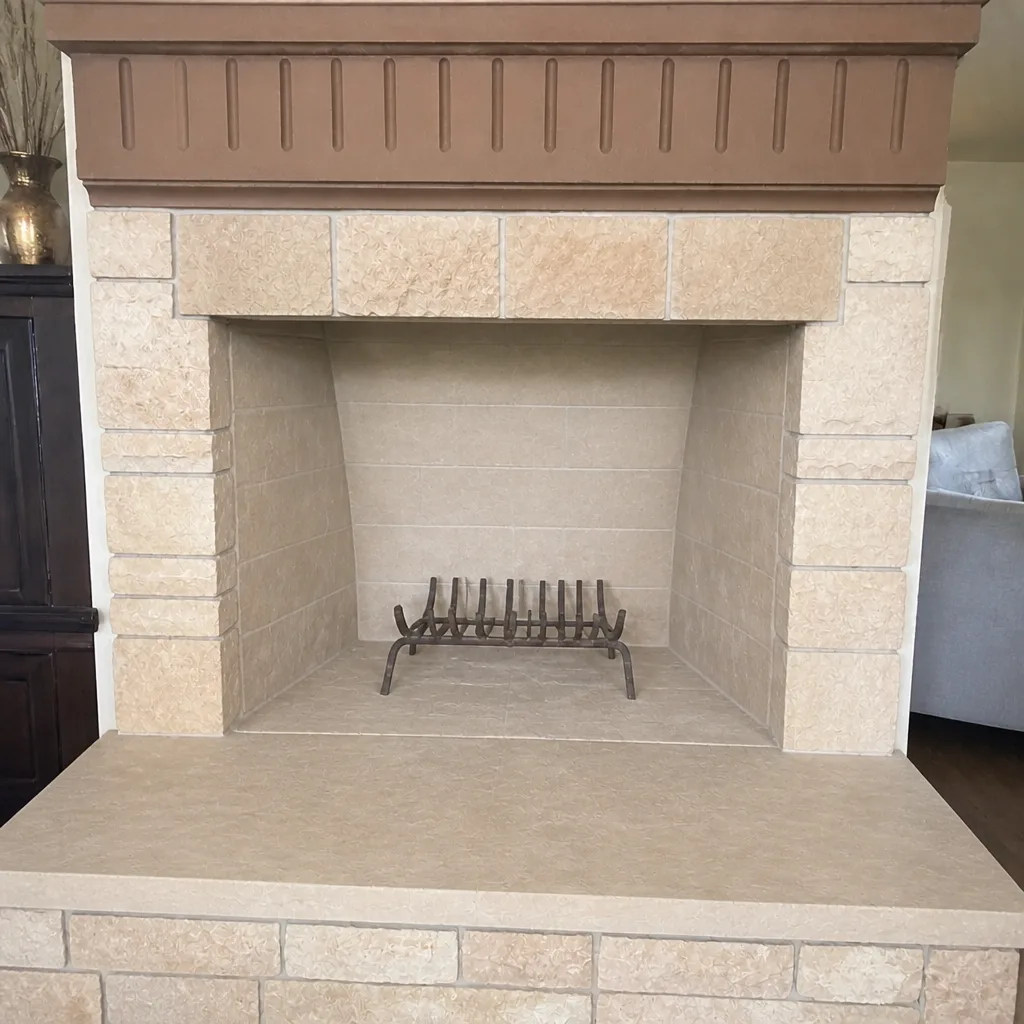 After
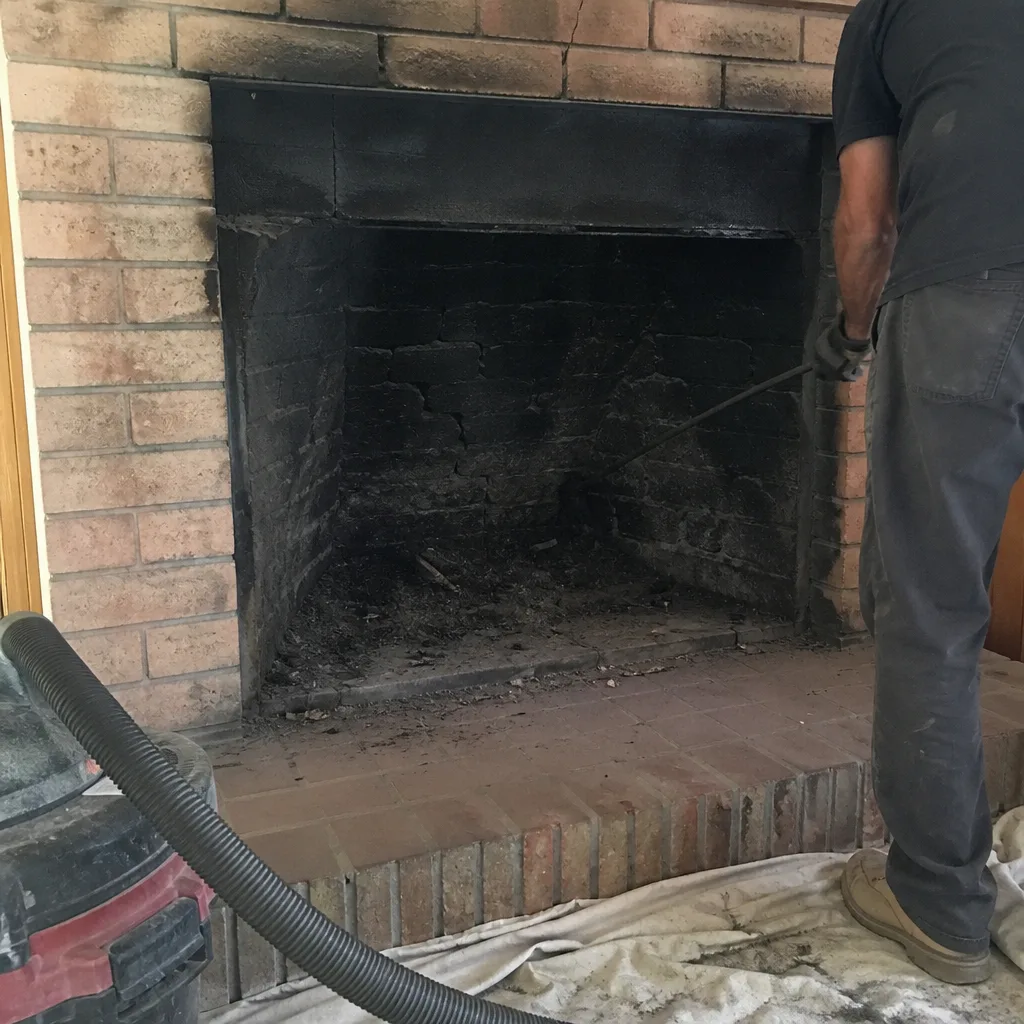 Before
 After
 Before
 After
When to Call a Professional
Call a professional whenever the fireplace is behaving in a way you can’t explain: poor draft, smoke coming from the wrong place, a smell that isn’t wood smoke, a CO alarm, or a chimney fire that has already happened. Call us before the first fire of the season if it’s been more than a year since your last sweep, if you’re not sure what the last technician found, or if you just bought a Glendale home with a fireplace and want an honest picture of what’s inside it. Chimney Sweep Glendale offers free estimates in Glendale. Call (833) 734-6139. We answer 24/7. Fast dispatch from 7am to 7pm, Sunday through Friday.
Frequently Asked Questions
Signs include puffs of smoke at seams or the thimble, warped paint, a warped cap, new smoke staining, a hot smell that isn’t wood smoke, and a low rumble or crackling during a burn. The only way to confirm is a Level 2 inspection. If you suspect it happened, treat the fireplace as out of service until the inspection tells you otherwise. Call (833) 734-6139 for an exact quote on the inspection. Estimates are free.
Call 911 when the fire is not clearly small and contained, or when you have any doubt at all. Self-extinguishing is only reasonable for a small fire with the firebox doors already closed, and only when you already have the right equipment. The cost of a false alarm is minor; the cost of a misjudged fire is a structure fire. Call (833) 734-6139 for an exact quote on a follow-up inspection. Estimates are free.
Not until a Level 2 inspection has confirmed the liner is intact and the flue is safe to use. In practice that’s usually days rather than hours, because the inspection has to reach the liner and the joints properly. Rushing it is how a small event becomes a structural one. Call (833) 734-6139 for an exact quote on a post-fire inspection. Estimates are free.
Sweep at least once a year during the season you use the fireplace, and more often if you burn heavily. In our experience, Glendale homes often burn fewer fires but heavier ones, so the creosote load per burn is higher than in colder climates. Annual sweeping is the baseline; if Stage 2 or Stage 3 deposit is found, a sweep may need to happen sooner. Call (833) 734-6139 for an exact quote on a sweep. Estimates are free.
It cracks clay tile liners, distorts metal liners, and opens seams that were tight before. That’s why a fire that seemed minor can leave the flue out of service. The liner is the barrier between the fire and the framing of the house, and once it’s compromised, the fireplace cannot be used safely until it’s relined or resurfaced. Call (833) 734-6139 for an exact quote on the repair. Estimates are free.
Working smoke and CO detectors on every level, three feet of clearance around the hearth, a legible address visible from the street, and records from your last sweep and inspection. Those four things are what the responding crew and your insurer will look for, and they’re what makes an emergency a manageable event rather than a serious one. Call (833) 734-6139 for an exact quote on a pre-season inspection. Estimates are free.
The Bottom Line
A chimney fire isn’t usually the roar and flame most people picture. It’s a rumble, a crackle, a smell, or a puff of smoke at a seam, and the window to respond is short. Recognize the signs early, get everyone out, call 911, close the firebox doors rather than the damper, and treat the fireplace as out of service after any event until a Level 2 inspection has confirmed the liner is intact. Prevention is the same conversation on the front end: a sweep that removes Stage 2 and Stage 3 creosote is what stops most events before they happen. That’s a routine, affordable job done by a specialist, and it’s the reason our technicians have up to 8 years of experience focused on chimneys rather than split across a dozen home services. Call (833) 734-6139. We answer 24/7. Fast dispatch from 7am to 7pm, Sunday through Friday.
Written by the team at Chimney Sweep Glendale.