
Last updated November 15, 2026
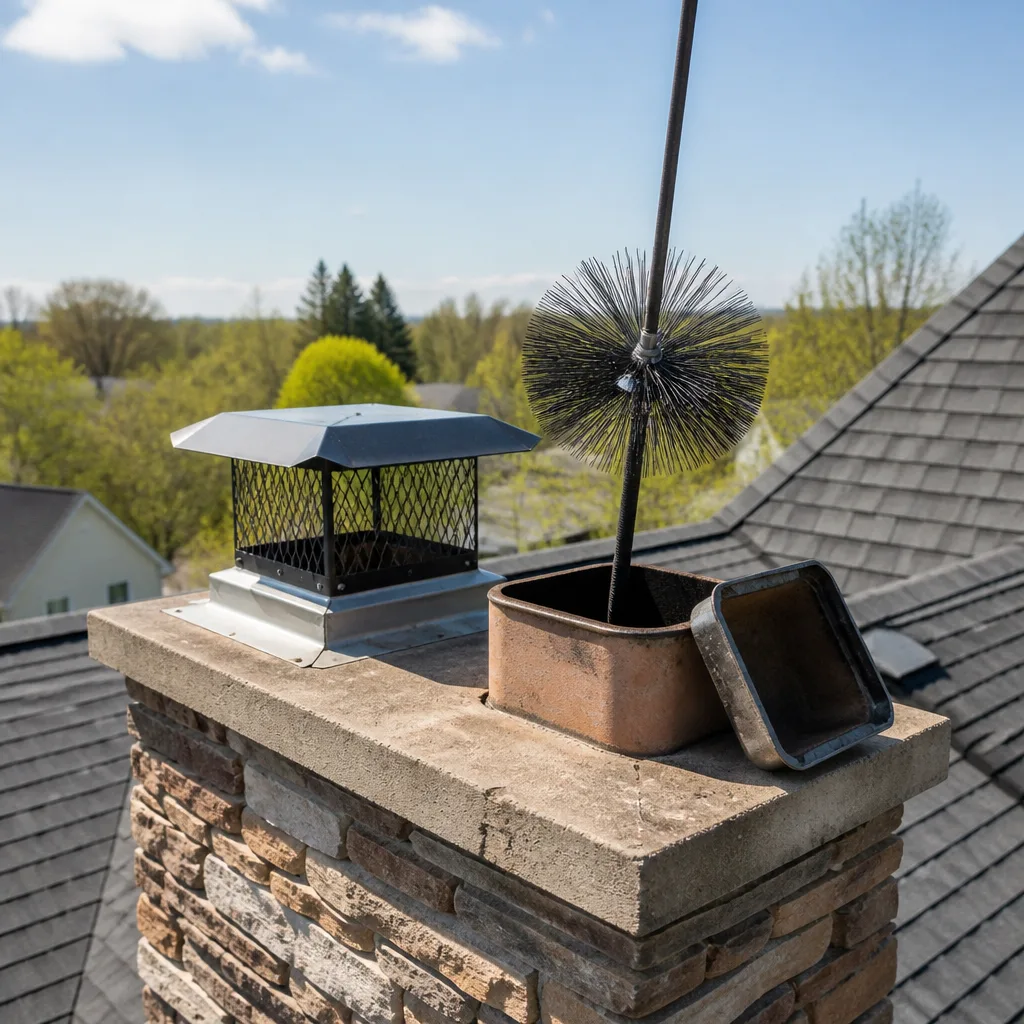 Sweep & inspection
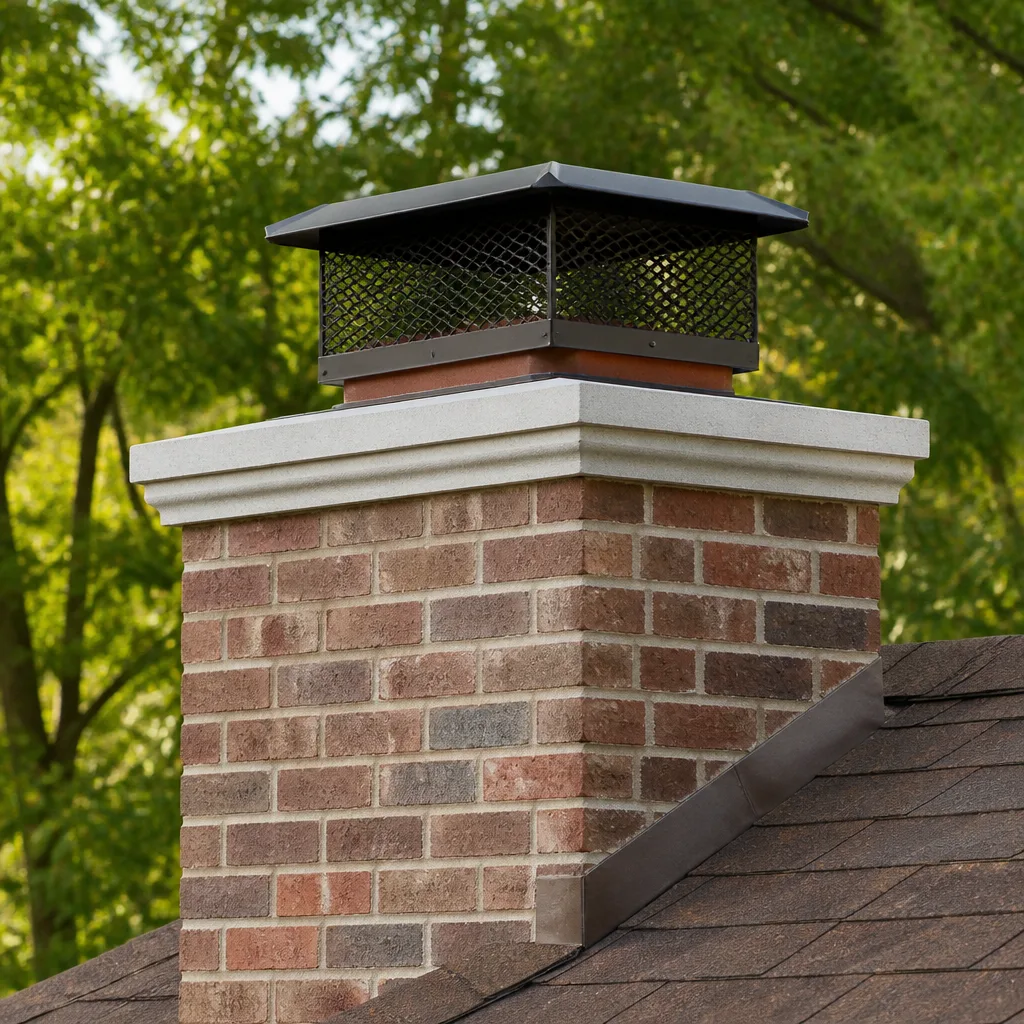 Caps & crowns
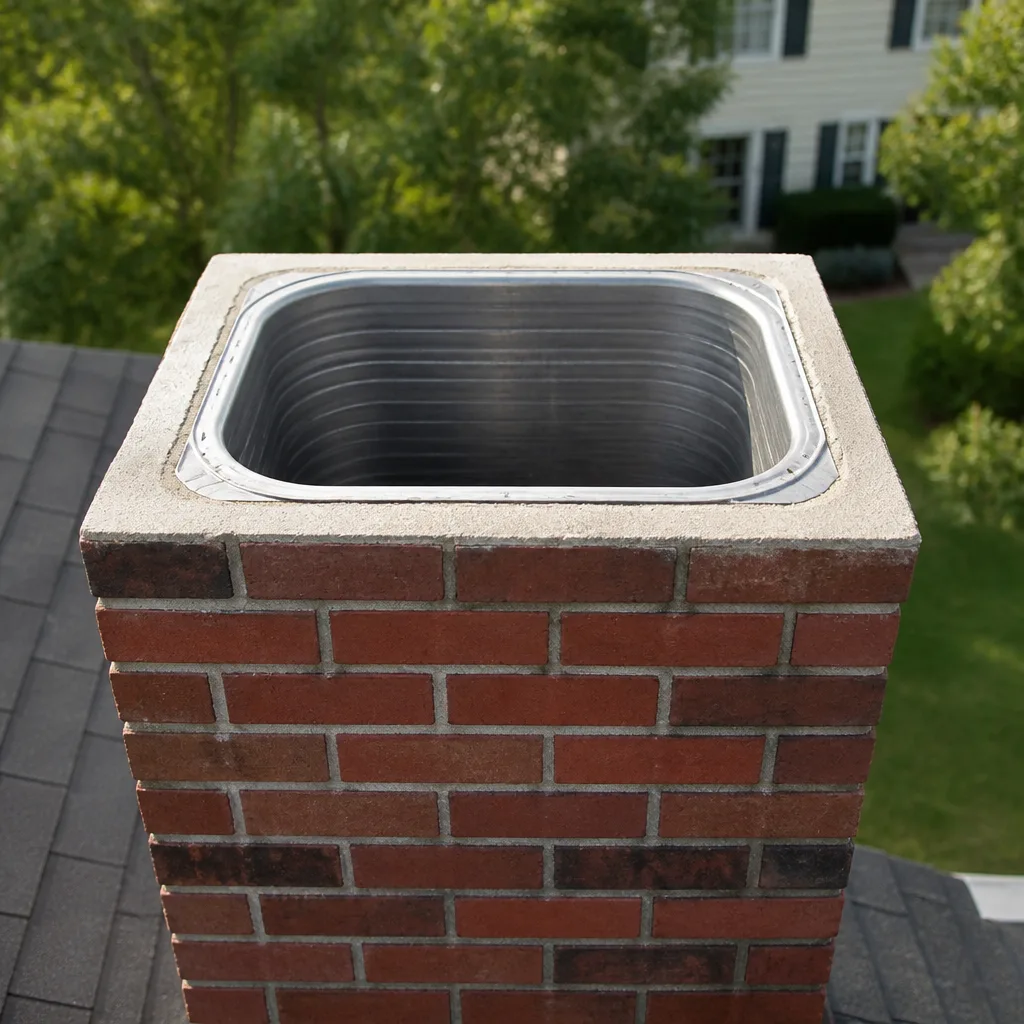 Flue relining
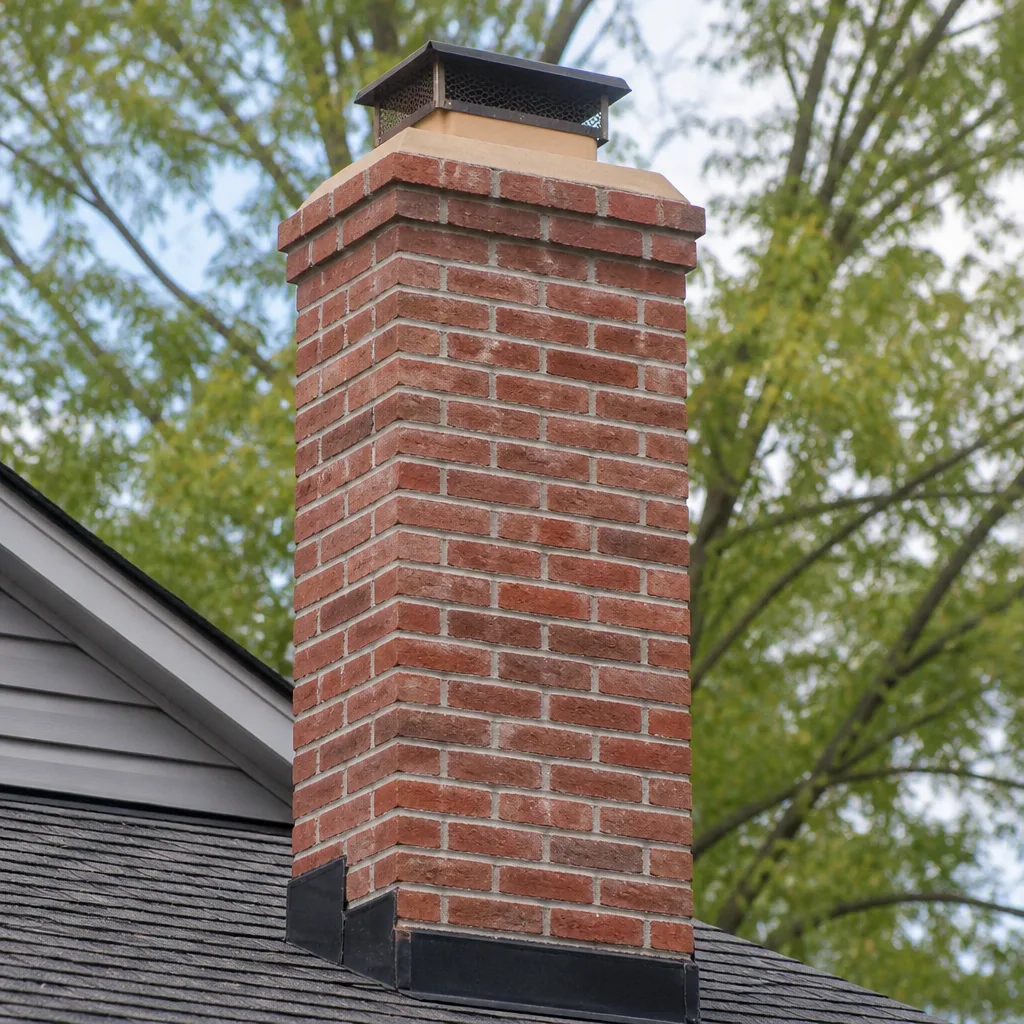 Masonry repair
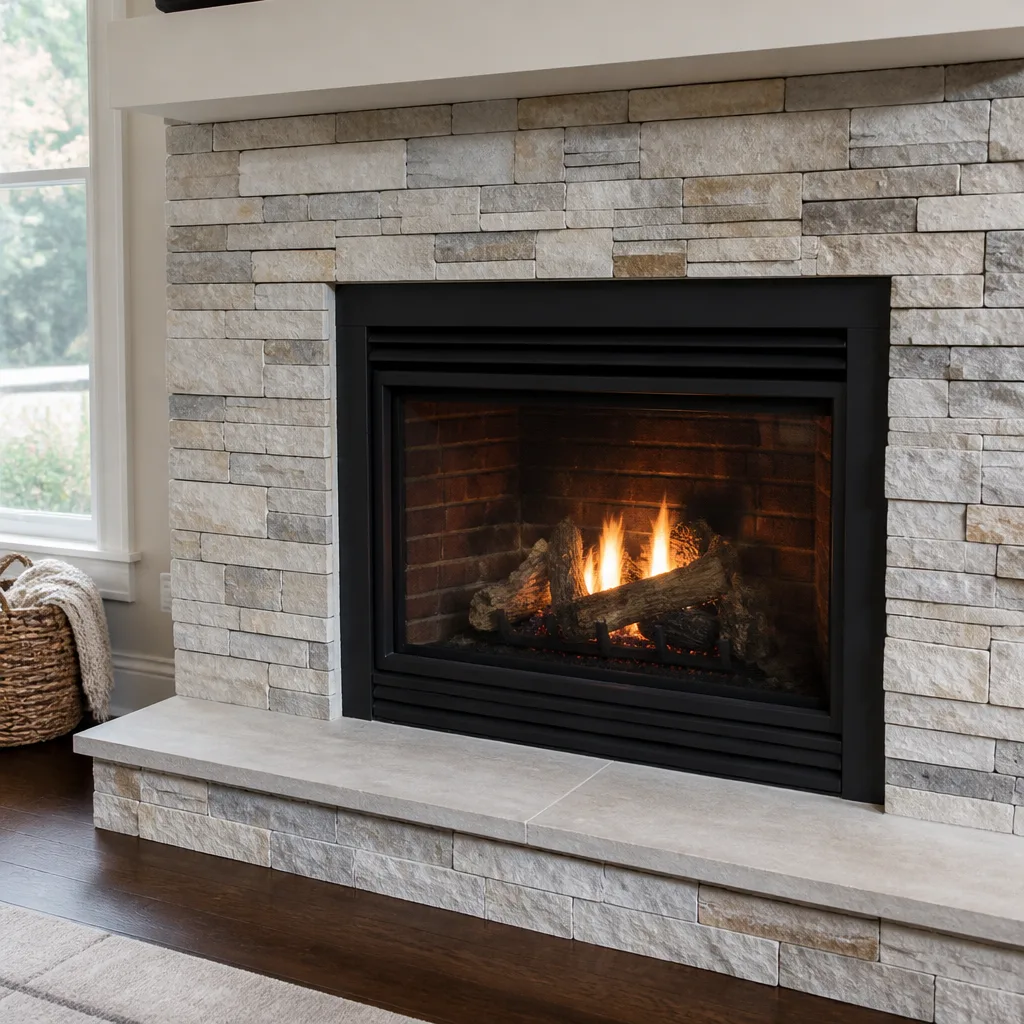 Gas fireplace service
Level 1 sweep and inspection to the NFPA 211 annual standard - flue, crown, cap, and flashing checked and photographed
Chimney sweep logs do not sweep chimneys. They loosen some creosote - which then falls where a brush and vacuum still have to collect it.
Chimney Cleaning Permits, Codes & Inspections in Glendale, AZ: What You Need to Know
A chimney cleaning turns into a code issue the moment the technician finds a cracked flue tile and replaces it. That single component swap can require a City of Glendale building permit, and most homeowners have no idea. The sweep itself is a maintenance task; the repair it uncovers is construction work, and the two sit on opposite sides of a regulatory line that hardly anyone explains clearly. When you know exactly where that line falls, you can ask better questions, keep your paperwork straight, and avoid the unpermitted repairs that come back to bite you at resale or after a chimney fire. This guide draws the line precisely for Glendale homeowners.
Quick Answer
Routine chimney cleaning and inspection in Glendale, AZ do not require a permit. Liner replacement, structural masonry repair, chase modification, and any work that alters the chimney’s structure or fire-rating do require a City of Glendale building permit, and that work must pass a final inspection. A Level 2 inspection becomes code-required after a chimney fire, after any event that may have damaged the chimney, and during a real estate transaction.
Styles & brands we work with
- Sweep & inspection
- Caps & crowns
- Flue relining
- Masonry repair
- Gas fireplace service
Table of Contents
- Which Chimney Services Need a Permit in Glendale?
- How Arizona’s Adoption of the IRC Affects Your Chimney
- What Is a Level 2 Inspection and When Is It Required?
- How Unpermitted Chimney Repairs Affect Your Insurance
- What Documentation to Keep After a Permitted Repair
- How Glendale’s Desert Climate Shapes Chimney Wear
- Where Cleaning Ends and Repair Begins
Which Chimney Services Need a Permit in Glendale?
Routine chimney cleaning and inspection do not require a permit in Glendale. Liner installation, structural masonry repair, and any change to the chimney’s footprint or fire-rating do. That’s the short version. The complication is that a cleaning visit often reveals a problem that crosses the line, which is why the two categories matter to a homeowner.
Permit-exempt work, in our experience, covers the maintenance side of the trade:
- Routine sweeping of a wood-burning flue
- Visual (Level 1) and camera-assisted (Level 2) inspections
- Removing creosote, soot, and bird or animal nests
- Replacing a spark-arrestor screen or a chimney cap of the same specification
Work that triggers a City of Glendale building permit includes:
- Relining a flue with a new flexible liner or cast-in-place liner
- Replacing damaged flue tiles or rebuilding the flue
- Structural masonry repair to the chimney stack, crown, or chase
- Any change to the chimney’s height, footprint, or fire-rating
- Converting a wood-burning fireplace to a gas appliance vent
The key distinction: maintenance keeps a chimney working as built; repair changes what it is. When a sweep finds a hairline crack in a flue tile, the right response is not to seal it on the spot. It’s to document it, tell the homeowner plainly, and let the owner decide whether to pursue a permitted repair. Relining is a building permit process, and we’d rather explain that up front than spring it after the fact. If you want a straight assessment of what you’re looking at, schedule a chimney sweep and ask for a written report of findings.
How Arizona’s Adoption of the IRC Affects Your Chimney
Arizona has adopted the International Residential Code (IRC) as the basis for residential construction standards, and the chimney provisions in that code cover clearances, liner specifications, and cap requirements for one- and two-family homes. Glendale enforces those standards through its building department on new construction and permitted alterations. The IRC is what an inspector opens when checking a chimney, and it’s the reference that determines whether a repair passes.
Three parts of the IRC matter most for chimney work in Glendale:
- Clearances. The code specifies minimum distances between a chimney and combustible materials – framing, sheathing, roof decking. A repair that shifts a chimney closer to framing or inadequately shields combustibles will fail inspection.
- Liner specifications. A flue must be lined with a material rated for the appliance and fuel type it serves. A flexible stainless liner must meet the standard called out for the appliance. Substituting an unrated liner voids the code compliance and, in practice, the insurance coverage.
- Cap requirements. A chimney cap is more than a rain cover. The IRC calls for a spark arrestor on solid-fuel chimneys, and the cap has to be sized and attached so it doesn’t create a clearance problem or obstruct drafting.
For Glendale homeowners, the practical takeaway is that a permitted chimney repair is inspected against a specific code, not against a technician’s judgment. We use DuraFlex flexible liner systems for relining work because the product specs match what the code requires and what an inspector can verify. The paperwork that comes with a name-brand liner is part of the reason we specify it. Chimney repair with a documented paper trail is a different product than a patch job, and we write the estimate so you can see exactly which is being proposed.
What Is a Level 2 Inspection and When Is It Required?
A Level 2 inspection is a camera-assisted examination of the entire flue, from the firebox to the top of the chimney, and it’s required by code after a chimney fire, after any event that may have damaged the chimney, and during a real estate transaction. A Level 1 inspection is a visual check of accessible portions of the chimney; a Level 2 goes further with a video scan of the flue interior. A Level 3 inspection goes beyond that and is reserved for situations where concealed areas must be opened up – for example, after a fire that damaged the surrounding structure.
In Glendale, a Level 2 inspection comes up in three recurring situations:
- After a chimney fire. Even a small flue fire can crack tiles or warp a liner. A visual check won’t catch a hairline crack on the inside of the flue; a camera scan will.
- After an exterior event. An earthquake, a lightning strike, or a roof impact can shift a chimney or crack masonry above the roofline. The IRC and local practice treat a Level 2 inspection as the standard response after any such event before the chimney is used again.
- During a real estate transaction. Many lenders and a growing number of home inspectors ask for a Level 2 inspection before a sale closes. Sellers who can produce a recent Level 2 report avoid a scramble in the final week of escrow.
A Level 2 inspection is the tool that separates a maintenance visit from a repair decision. In our experience, the report is also the document a homeowner leans on hardest when a repair estimate is on the table. You see the same footage the technician sees. Nothing gets recommended without evidence you can look at. A proper chimney repair conversation starts there, not with a guess.
How Unpermitted Chimney Repairs Affect Your Insurance
Unpermitted chimney repairs can void insurance coverage for a chimney-related claim, and insurers routinely look for permit records during post-fire investigations. If a fire starts in a flue that was relined without a permit by an unlicensed contractor, the claim investigation will surface that. The insurer has grounds to dispute the claim, and the homeowner absorbs the loss. This is the quiet part of the permit question that most homeowners never hear until it’s too late.
What insurers check after a chimney fire typically includes:
- Permit records for any recent chimney work, pulled from the City of Glendale
- Final inspection sign-off from the building department
- Material specifications for the liner or components installed
- The contractor’s license, bond, and insurance at the time of the work
None of that is exotic. It’s the standard paperwork a permitted job generates. But if the work was done without a permit, none of it exists, and an otherwise legitimate claim can get tied up in review. We’ve seen homeowners discover this after the fact, and it’s an expensive lesson. A permitted repair costs marginally more up front and produces a paper trail that follows the house. An unpermitted repair saves a little now and can cost a lot later.
If you live in one of Glendale’s older neighborhoods and aren’t sure of the repair history on your chimney, the answer is a camera-based inspection, not a guess. It’s the difference between knowing and hoping. If you’re buying or selling, a Level 2 inspection ahead of closing is cheap insurance against a much bigger surprise.
What Documentation to Keep After a Permitted Repair
After a permitted chimney repair, keep the permit number, the final inspection sign-off, and the material spec sheets together in one file. Those three documents are what an insurer, a future buyer, or a home inspector will ask for. The permit number proves the work was authorized; the final sign-off proves it passed; the spec sheets prove what went in. Without them, a permitted repair looks identical to an unpermitted one in a claims investigation.
Here’s the file we suggest homeowners keep, printed and digital:
- The permit application and issued permit number from the City of Glendale building department.
- The final inspection sign-off, showing the work passed.
- Material spec sheets for the liner or components, showing manufacturer and product line – DuraFlex, for example, for a flexible liner.
- The written estimate and invoice, showing scope and cost.
- Before and after photos, including the camera-inspection stills that justified the repair.
- The contractor’s license and insurance details at the time of work.
That file follows the house. It’s what a buyer’s inspector sees, and it’s what tells a future homeowner that the liner actually matches the appliance. If repairs are done on a gas fireplace insert or vented appliance, keep the manufacturer’s installation manual with the spec sheet too; it specifies clearances a technician may need years later.
How Glendale’s Desert Climate Shapes Chimney Wear
Glendale’s desert climate is mild on chimneys in most respects and hard on them in two specific ones: sun exposure and dust. Winters are mild, so freeze-thaw damage isn’t a factor here. The damage patterns we actually see are UV-driven and moisture-driven, and they’re different from what a homeowner in a colder region would face.
The dominant wear factors in Glendale, in our experience:
- UV degradation of caps and seals. The desert sun bakes chimney caps, crown sealant, and any exposed elastomeric membrane. Caulk and crown joints that would last years in a milder climate can crack within a season or two. A cracked crown lets water into the masonry, and that’s what drives most structural repairs here.
- Dust intrusion through a missing or damaged cap. The haboob season blows fine grit that finds every gap. A missing spark arrestor or a poorly fitted cap lets dust into the flue, which settles into the smoke shelf and mixes with creosote residue. The result is a heavier, harder-to-remove deposit.
- Monsoon moisture on flat-topped stacks. Summer monsoon rain can be intense. A crown that drains poorly or a chase with a failed flashing detail will pool water against masonry. That’s a slow leak that damages the flue from the outside in.
- Cooling-season creosote. Glendale’s mild winters mean fireplaces get used intermittently. Intermittent use with a cool flue produces more creosote per fire than a steady hot burn. That’s the deposit that fuels a chimney fire.
The practical advice: check the cap and crown after every monsoon season, and get the flue swept before the burning season starts, not after. A cracked crown can wait a month in the middle of summer. A creosote bed cannot wait once the first cold snap brings the first fire. If you’re not sure of the state of your flue, a sweep and inspection in the fall gives you a real answer before the first burn. Call (833) 734-6139 for a free estimate and a scheduled visit.
Where Cleaning Ends and Repair Begins
Cleaning ends and repair begins the moment the technician has to take something apart to fix it, or replace a component that was code-rated and is no longer rated. A sweep removes deposits. A repair changes a component. That’s the line, and it’s also where the permit question starts. In practice, a homeowner doesn’t need to know the line before booking. The sweep visit produces the evidence that tells you which side of it you’re on.
A typical sweep-and-inspect visit in Glendale goes like this:
- Inspect the firebox, damper, and smoke chamber visually.
- Run a camera down the flue to check for cracks, gaps, or missing mortar.
- Sweep the flue with the appropriate brush for the liner type.
- Vacuum and clean the firebox and smoke shelf.
- Check the cap, crown, and flashing from the roofline or ground level.
- Deliver a written report with photos and any findings that warrant repair.
If the report shows a crack, we tell you the size and where it is. We don’t recommend relining for a hairline crack that has a documented, non-structural remedy. We do recommend a permit-required reline when the lining has actually failed. Knowing the difference saves you money, and the documented report is what makes the difference legible to your insurer or a future buyer. In our experience, homeowners stay calmer when the report is in their hands and the estimate tells them which items are urgent and which can safely wait until next season. Nothing gets recommended without a camera image you can examine. A proper Glendale chimney sweep and inspection, done with camera evidence and a written report, is what keeps the whole process honest.
Common Mistakes to Avoid
- Letting a sweep reline “on the spot.” A reline is a permitted repair. If a technician offers to close it out that day without a permit, that’s the sign to ask for the paperwork first. A permitted job produces a permit number and an inspection.
- Skipping the Level 2 after a chimney fire. A visual inspection won’t reveal a cracked flue tile. A camera inspection will.
- Assuming the cap doesn’t need code compliance. The IRC specifies a spark arrestor and cap attachment, and a repair that violates those specs can fail inspection. Glendale’s desert dust makes a properly fitted cap especially important.
- Paying cash for a repair and asking for no paperwork. Without a permit and final sign-off, an insurer can dispute a chimney-related claim. Keep every document.
- Relining with an unbranded, unexplained product. If the spec sheet doesn’t name a manufacturer and a product line, the installation can’t be verified years later. DuraFlex and similar name-brand liners come with documentation the code and insurer both want.
- Waiting until the burning season to inspect. Glendale’s mild winters let homeowners delay, and delay is exactly how a small crack becomes a structural repair. Sweep in the fall, not after the first chimney fire.
- Assuming a gas fireplace needs no inspection. Vented gas appliances have their own venting code, clearances, and inspection requirements. A gas insert installed without a permit can be a clearance issue you can’t see.
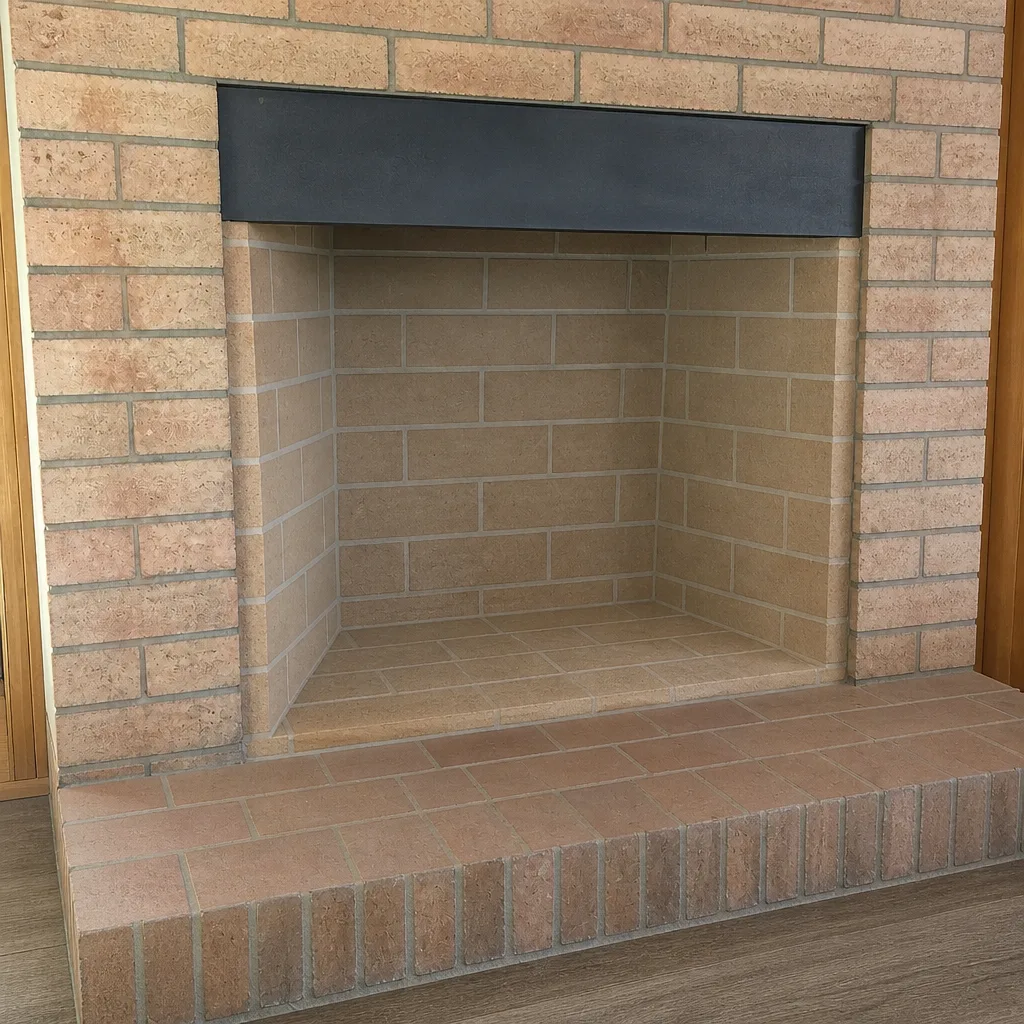
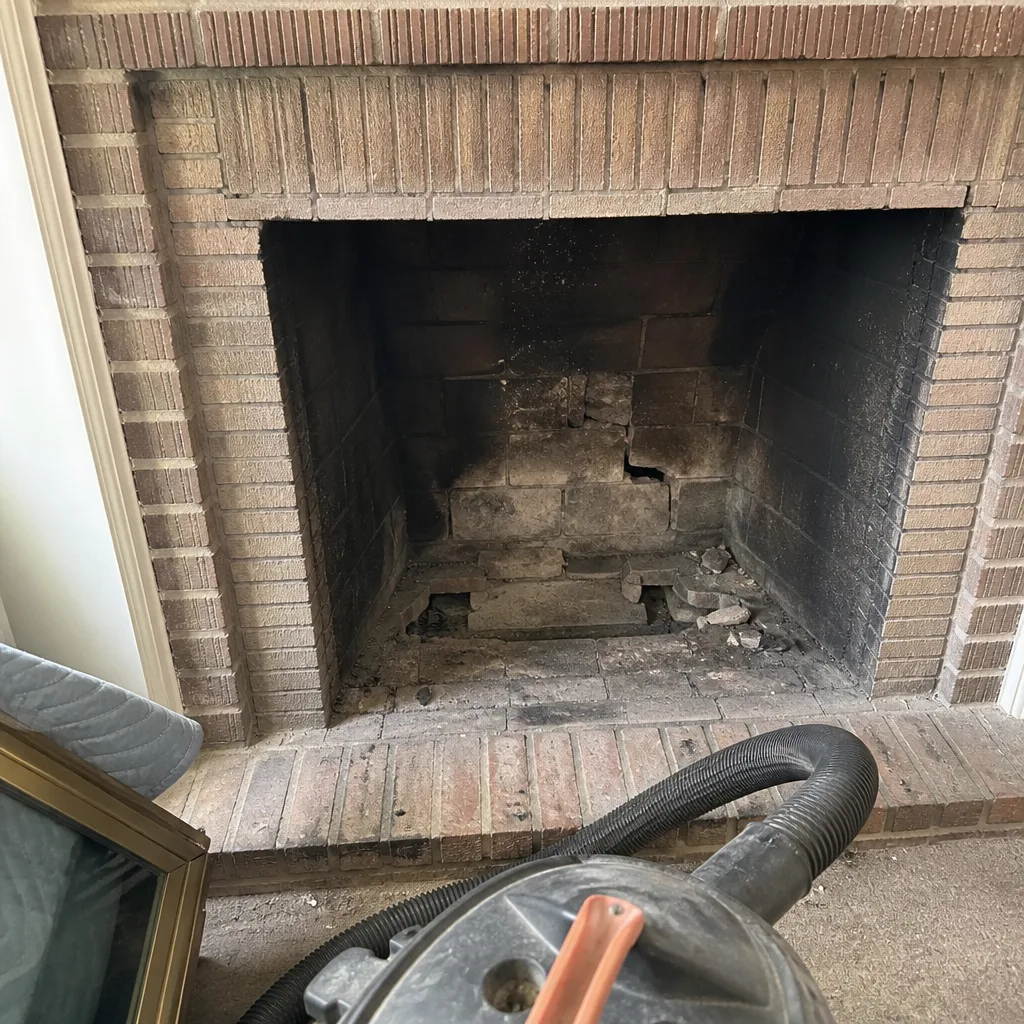
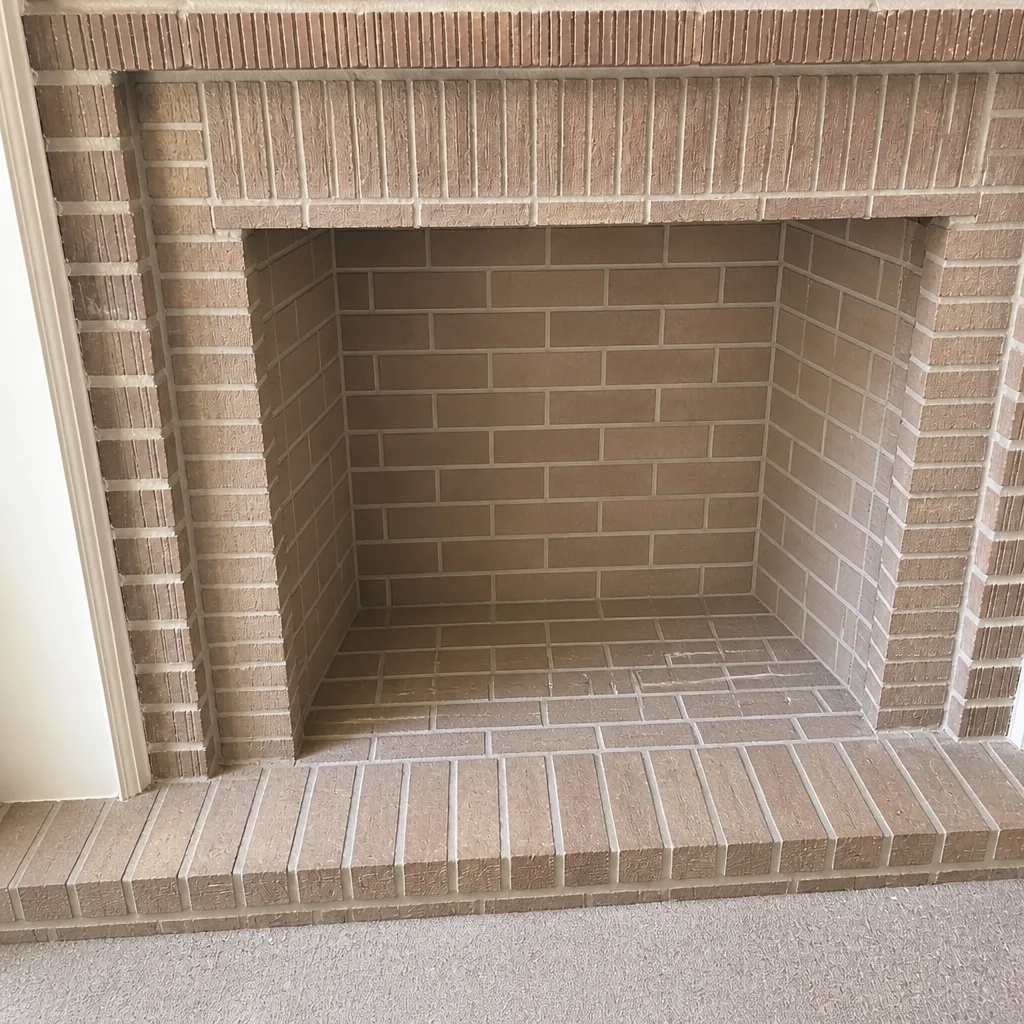
See the difference
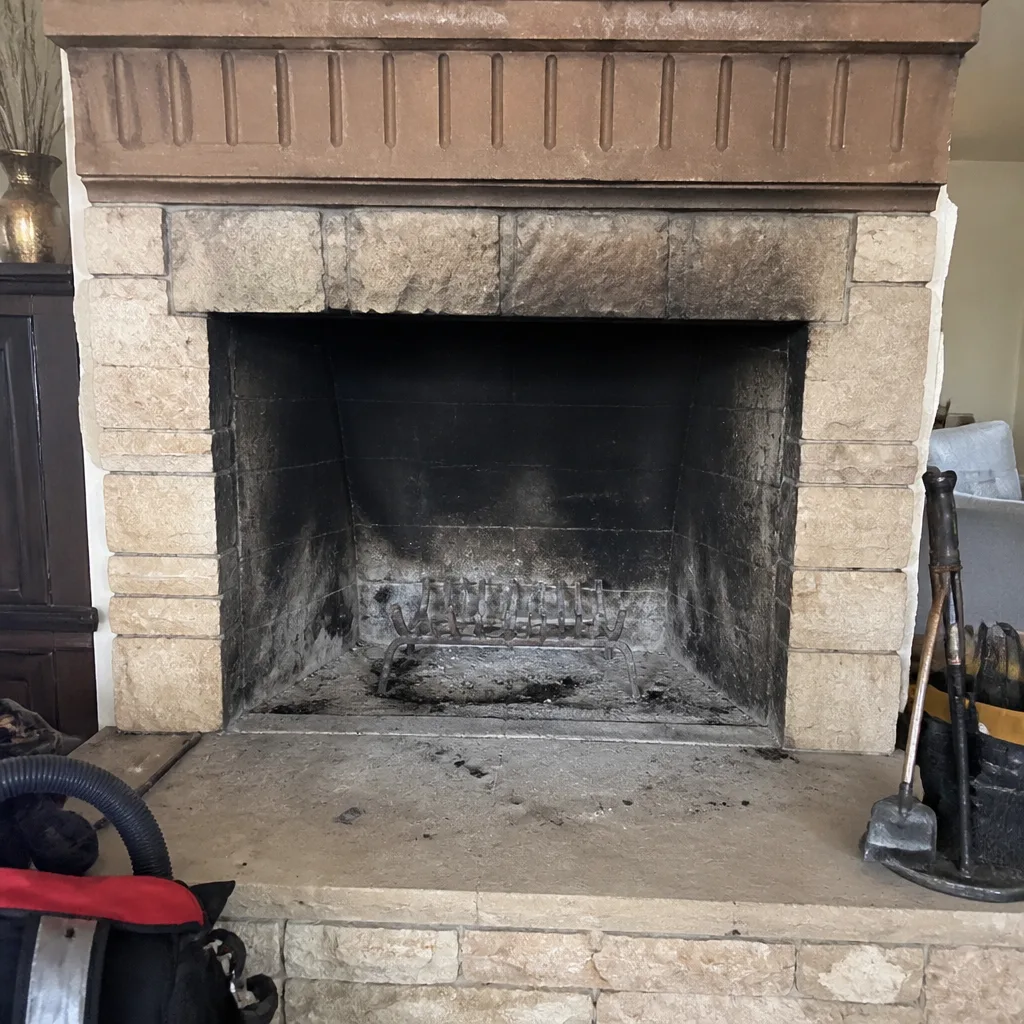 Before
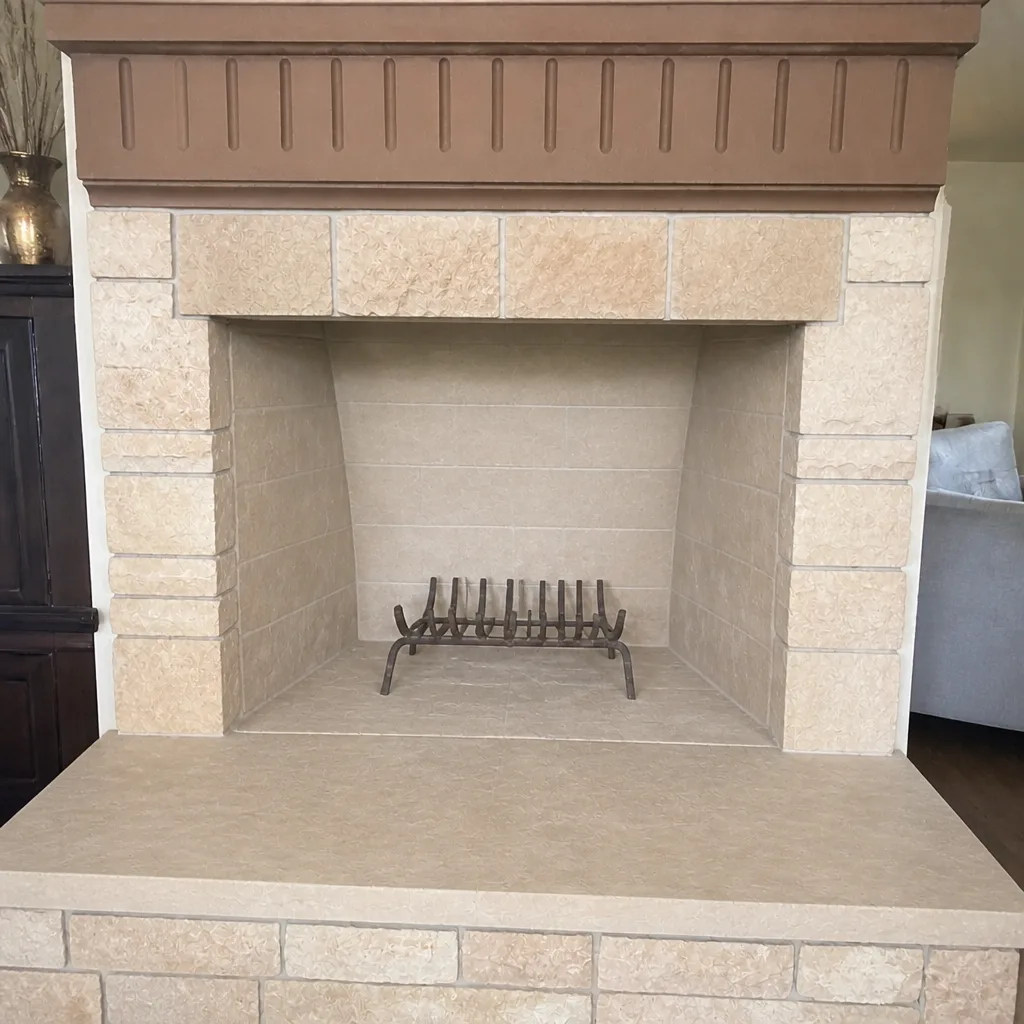 After
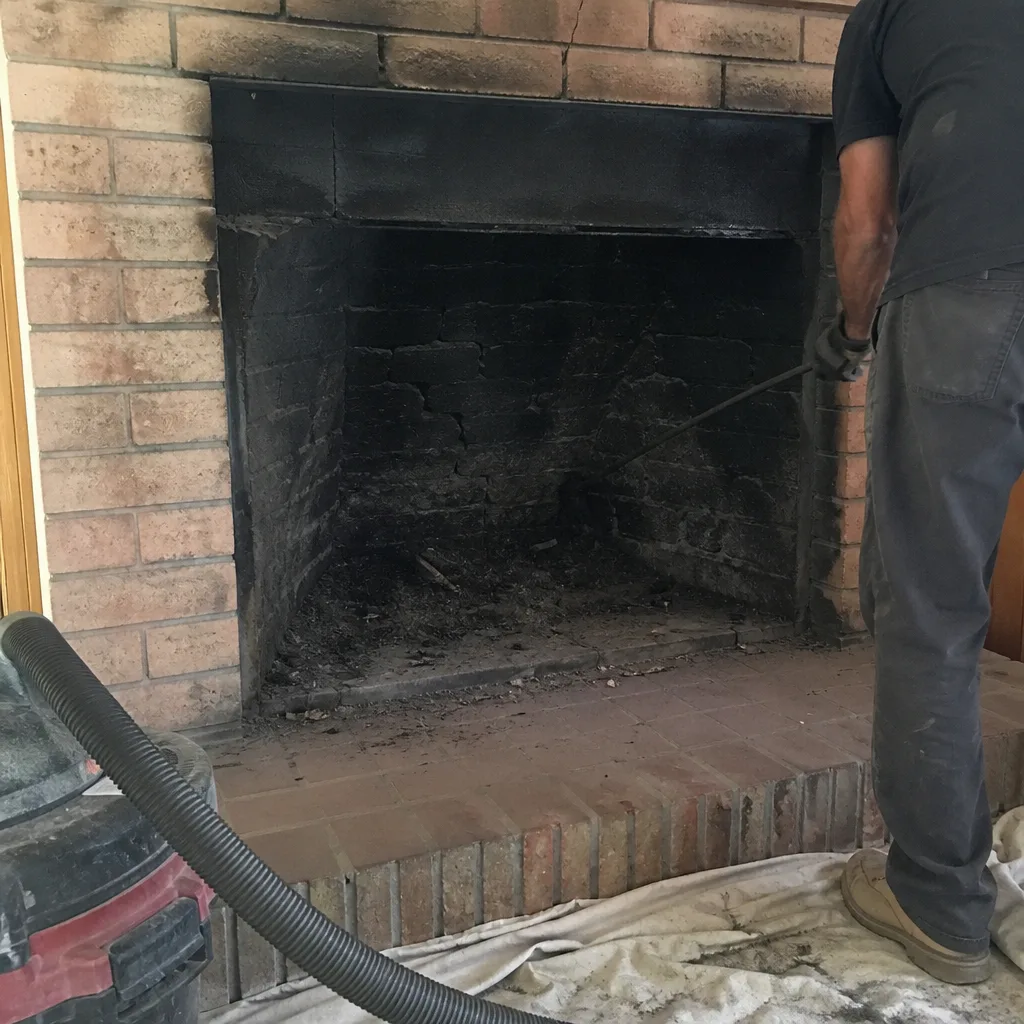 Before
 After
 Before
 After
When to Call a Professional
Call a professional any time you’re not sure where a finding sits on the permit line, and especially after a chimney fire, after any exterior event that may have damaged the chimney, or before a real estate transaction closes. A camera-based inspection is the difference between a documented repair and a guess. If a repair is on the table, ask for the written report and the estimate side by side, and check that permit-required work is being handled as permitted work. In our experience, homeowners who ask that one question early avoid most of the expensive surprises later. Chimney Sweep Glendale offers free estimates in Glendale – call (833) 734-6139.
Frequently Asked Questions
No. Routine chimney cleaning and visual or camera inspection do not require a permit in Glendale. A permit is triggered when the work changes the chimney’s structure, fire-rating, or lining – such as relining, structural masonry repair, or flue-tile replacement. Call (833) 734-6139 for an exact quote if you’re unsure whether a repair is permit-required; estimates are free.
Liner replacement, structural masonry repair, flue-tile replacement, chimney chase modification, and any change to the chimney’s footprint or fire-rating all trigger a City of Glendale building permit. A sweep that only removes deposits does not. Call (833) 734-6139 and we’ll tell you plainly which side of the line your job sits on – estimates are free.
Yes, in three situations: after a chimney fire, after an exterior event that may have damaged the chimney, and during a real estate transaction. A Level 2 inspection uses a camera to check the entire flue interior. If none of those apply, a Level 1 visual inspection during a routine sweep usually suffices. Call (833) 734-6139 to discuss which level fits your situation – estimates are free.
A wood-burning chimney should be swept at least once a year, and more often if you burn frequently or notice heavy creosote. Glendale’s mild winters mean fireplaces often get used intermittently, which can produce more creosote per fire than steady use. Call (833) 734-6139 to schedule a sweep before the burning season – estimates are free.
Yes. After a chimney fire, insurers routinely check for a permit and final inspection sign-off for recent chimney work. If the work was done without a permit, the claim can be disputed even if the repair itself was sound. Call (833) 734-6139 and we’ll walk you through what documentation to keep – estimates are free.
Skipped inspections let small cracks and creosote buildup go unnoticed, and those are the conditions that lead to a chimney fire or a structural repair you can’t see coming. The permit line doesn’t change – you just find out later, and sometimes with the insurance question attached. Call (833) 734-6139 for an inspection before the first burn – estimates are free.
The Bottom Line
The permit line in Glendale is simple once you see it: cleaning and inspection don’t require a permit; liner, structural, and flue-tile work do. The complications all sit in the repair side of that line, and the way a homeowner navigates them is with a camera inspection, a written report, and a paper trail. Keep the permit number, the final sign-off, and the material spec sheets together. Sweep before the burning season, not after. And when a repair estimate lands on the table, ask which items are permit-required and which can safely wait. Knowing the difference is what protects your home, your insurance, and your resale.
Call (833) 734-6139 for a free estimate. We answer 24/7. Fast dispatch from 7am to 7pm, Sunday through Friday.
Written by the team at Chimney Sweep Glendale.