
Last updated November 15, 2026
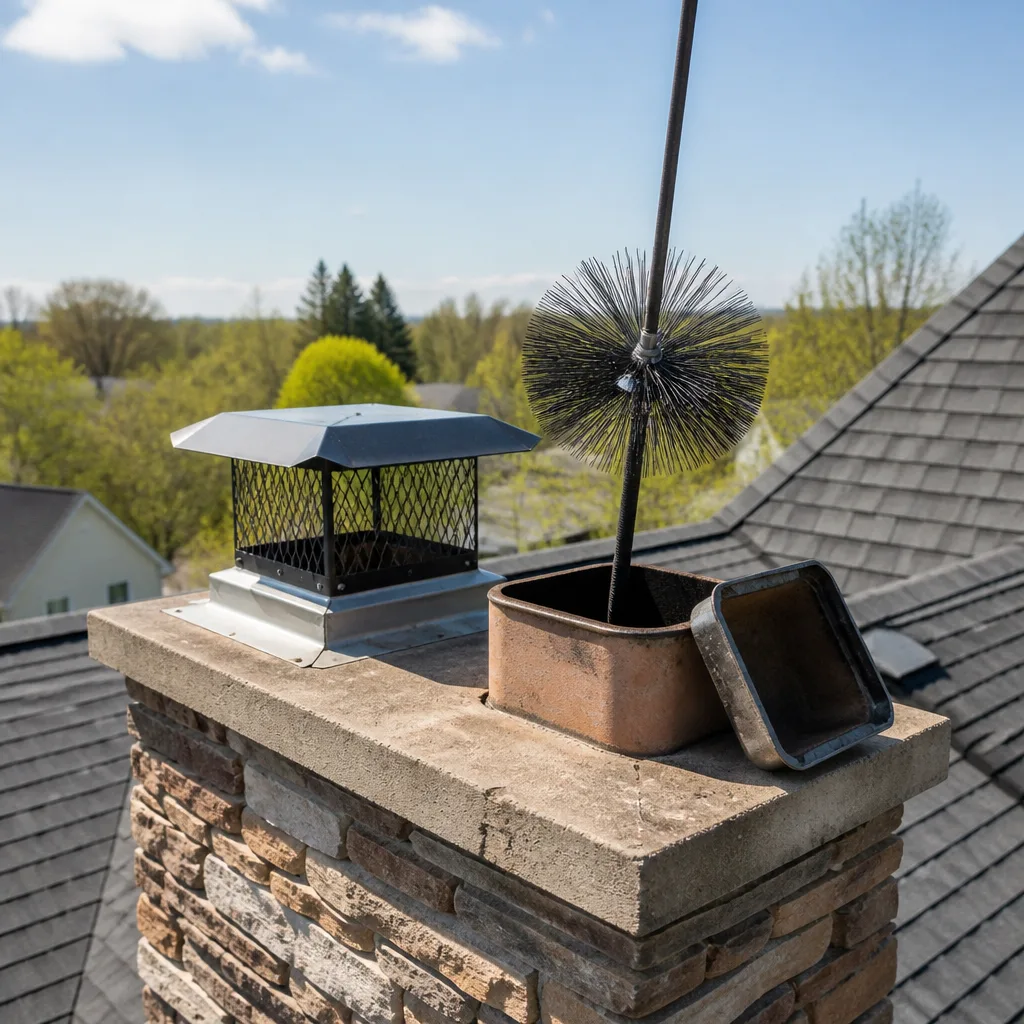 Sweep & inspection
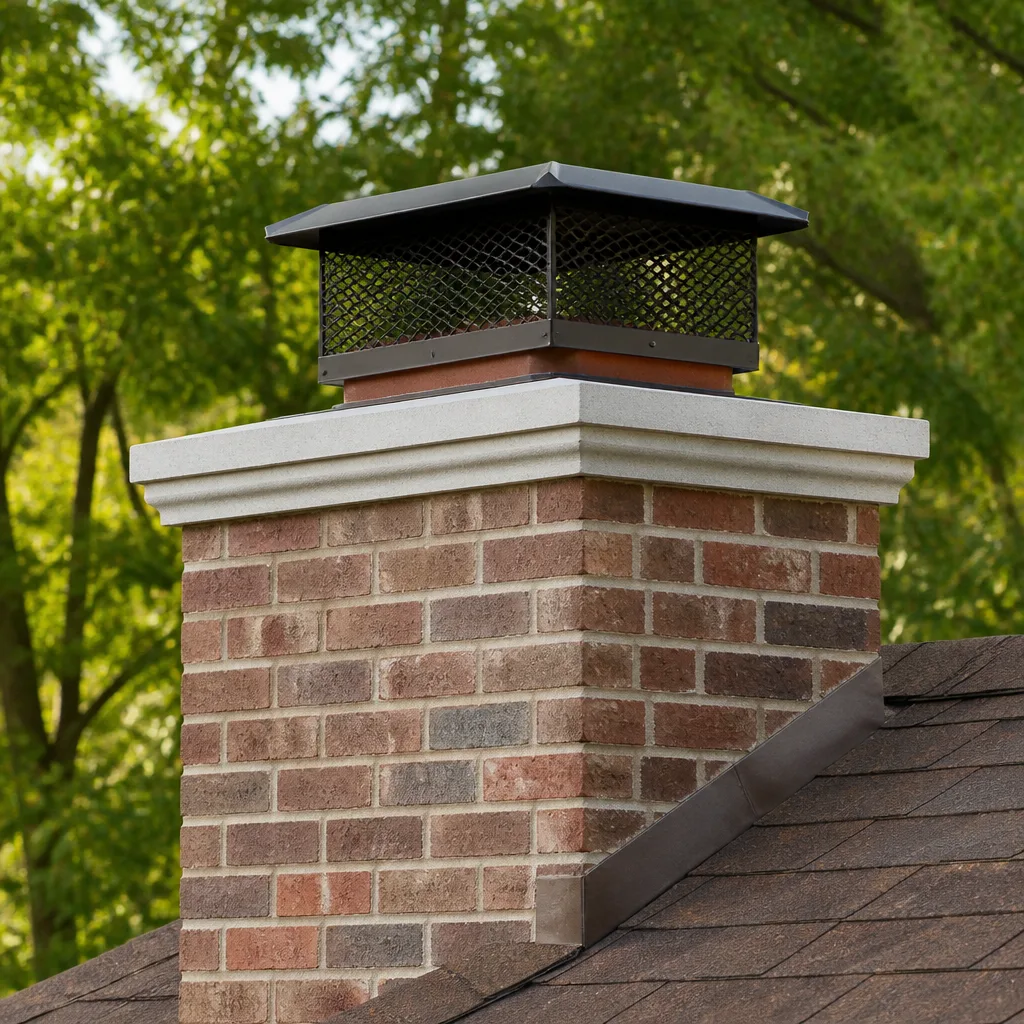 Caps & crowns
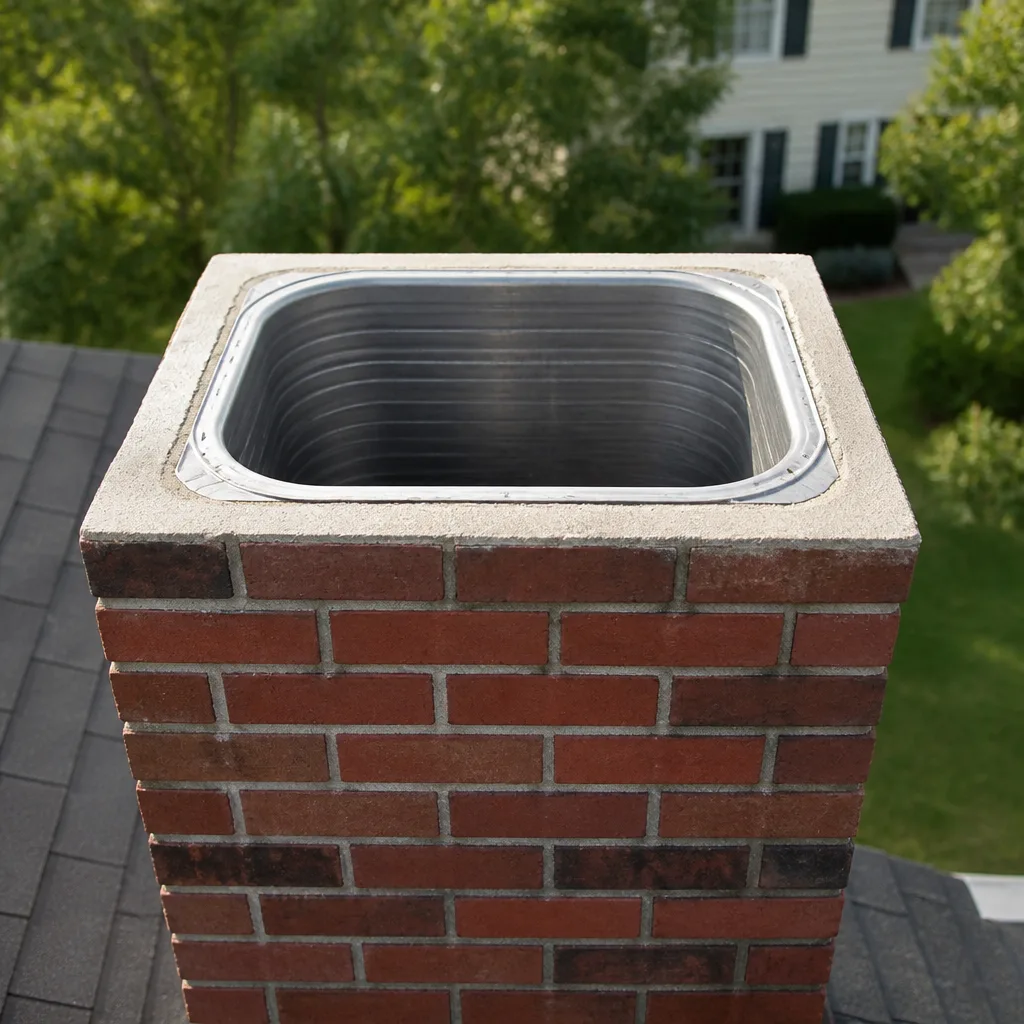 Flue relining
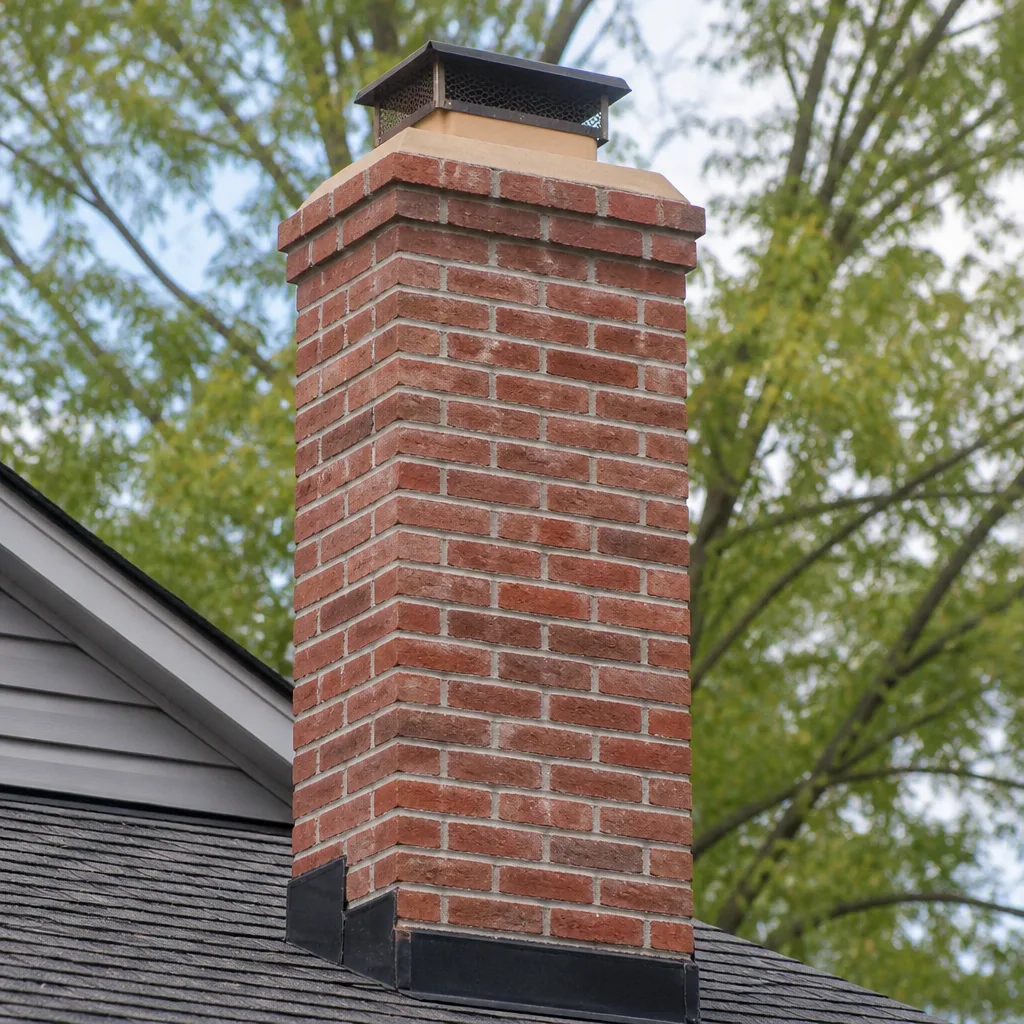 Masonry repair
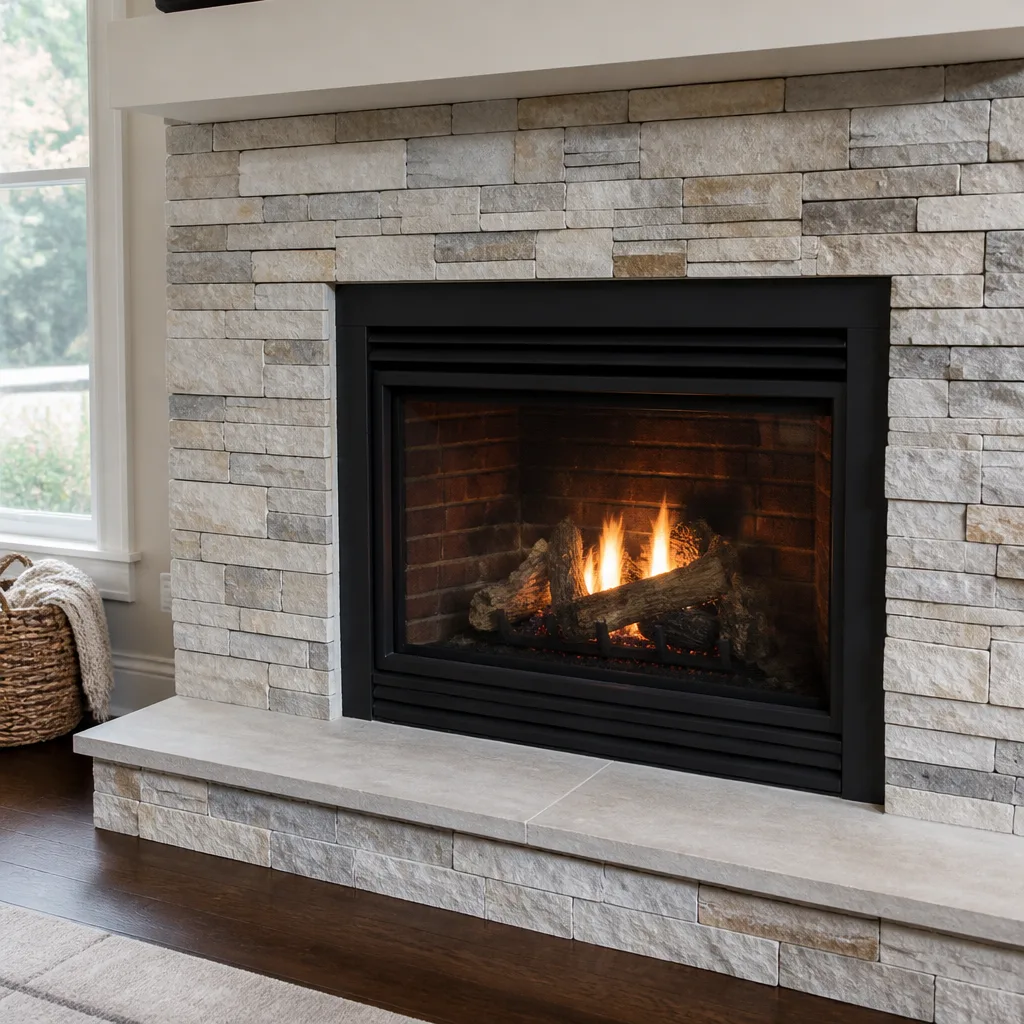 Gas fireplace service
Level 1 sweep and inspection to the NFPA 211 annual standard - flue, crown, cap, and flashing checked and photographed
Chimney sweep logs do not sweep chimneys. They loosen some creosote - which then falls where a brush and vacuum still have to collect it.
Chimney Cleaning Cost Breakdown: The Glendale Homeowner’s Reference for 2026
A $79 chimney sweep quote and a $299 sweep quote aren’t competing for the same job. One is a cleaning. The other is a cleaning, an inspection, documentation, and a professional assessment of what’s inside your flue. Knowing which one you’re buying is the entire ballgame, because a cheap sweep that skips the assessment hands you a receipt without a diagnosis. This reference walks you through what’s actually inside a chimney service quote in the Glendale market for 2026: the sweep-only baseline, the add-ons that matter, how component brands change the math, and how to read a bid line by line so you can tell a fair price from a low-ball opening.
Quick Answer
A standard sweep-only chimney cleaning in Glendale typically runs $150 to $260 in 2026, and a sweep bundled with a Level 2 camera inspection usually lands between $250 and $425. Repair work, liner restoration, and crown sealing are quoted separately because material brand and labor depth drive the number far more than the cleaning itself. The written estimate you receive should itemize every line, and that document, not the phone quote, sets the final price. Call (833) 734-6139 for a free estimate; we answer 24/7.
Styles & brands we work with
- Sweep & inspection
- Caps & crowns
- Flue relining
- Masonry repair
- Gas fireplace service
Table of Contents
- What does a standard chimney sweep cost in Glendale?
- What does a sweep actually include, and what does it leave out?
- What do the common add-ons cost?
- Why component brand changes the cost comparison
- How to read a chimney quote line by line
- What do maintenance agreements actually cost, and when are they worth it?
- What makes chimney care different in Glendale?
- Common mistakes to avoid
What does a standard chimney sweep cost in Glendale?
Plan on $150 to $260 for a straightforward sweep of a wood-burning fireplace or insert in the Glendale market this year. Gas appliance venting sits at the lower end because there’s less creosote volume to clear. A heavily used wood fireplace with a thick glazed layer pushes toward the top of the range, and tall or steep-roofed flues can add labor time.
That number covers a good deal of hands-on work. A technician arrives, lays drop cloths, sets up a HEPA vacuum, and brushes the flue from the top down and the firebox from the bottom up. The damper, smoke shelf, and smoke chamber get hand-scrubbed because those ledges collect creosote that a brush alone won’t reach. The firebox gets swept out. Debris comes off the roof or out the door, and the work area is cleaned before anyone leaves. Most single-flue sweeps take 45 to 90 minutes depending on buildup.
What the baseline price does not include is the piece that often matters most: a camera-based assessment of the flue interior. A brush tells you the flue is cleaner than it was. It doesn’t tell you whether the liner has a gap at a joint, whether the crown is cracking, or whether the smoke chamber has parging that’s spalling off. That distinction is what separates the two quotes in our opening. If you want the full picture at the same visit, ask for a sweep-plus-inspection bundle.
Homeowners in Glendale should also know that a quote much below $150 usually signals one of two things: a shorter scope than you assumed, or a call that’s really a sales appointment. Neither is automatically dishonest. Both deserve a direct question about what’s included.
What does a sweep actually include, and what does it leave out?
A professional sweep removes creosote, soot, and debris from the flue and firebox and verifies that the flue is clear and the damper opens and closes correctly. That’s the scope. Everything beyond that is a separate service.
Here’s what a well-run sweep covers, step by step:
- Protect the floor and hearth with drop cloths and set up negative-pressure equipment so dust doesn’t migrate into the room.
- Inspect from the firebox first to note obvious damage, animal nests, or blockages before brushing begins.
- Brush the flue with the correct-diameter poly or wire brush for the liner type.
- Hand-scrub the smoke shelf and smoke chamber, where creosote clings to angled surfaces.
- Vacuum the firebox and damper area, then remove all debris from the property.
- Do a final visual check of the firebox, damper, and accessible flue, and tell you what was found.
What a sweep-only price typically leaves out: a video camera scan of the full flue (that’s the Level 2 inspection), a written report with photos, an assessment of the crown and chase cover, cap condition, and any recommendation for repair. It also doesn’t include the actual repair if a problem turns up. If your bid doesn’t mention a report, ask whether one is provided and whether it’s written or verbal. A verbal “looks good up there” is worth less than a document you can reference later.
For a deeper explanation of what a proper chimney sweep involves from start to finish, that page goes through the process in detail. The short version: a sweep is a maintenance task, not a diagnosis, and buying it as though it were a diagnosis is where most cost confusion begins.
What do the common add-ons cost?
Add-ons are where most of the price spread between quotes lives. Two contractors can quote nearly the same base sweep and end up $200 apart once you line up what each one includes.
Here’s a rough table of typical Glendale-market ranges for the add-ons you’ll most often see quoted in 2026:
- Level 2 camera inspection (bundled with a sweep): $100 to $175. The camera scan documents the full flue interior, and you should receive photos or video of what was found. This is the single add-on we’d push hardest for, because it’s the only way to know what’s happening above the firebox.
- Level 2 inspection as a standalone visit: $175 to $300. Costs more alone because there’s no sweep labor to share.
- Chimney cap replacement, name-brand hardware: $225 to $450 installed. Stainless or powder-coated caps sized to the flue, with a proper animal screen and mounting.
- Chimney cap replacement, generic hardware: $125 to $225. The gap here isn’t markup. Name-brand caps spec heavier steel, better fasteners, and a manufacturer warranty that survives a wind event. Generic caps are the ones that come loose in a gust and end up in a yard.
- Crown sealing with a proper crown coat product: $300 to $600 depending on crown size and access. A flexible crown coating bridges hairline cracks and moves with the masonry.
- Crown sealing with hardware-store caulk: $100 to $200. It fails within a season or two in valley sun, and you pay again.
- Liner resurfacing with HeatShield: $1,400 to $3,200 depending on flue length, diameter, and whether the damage is isolated or full-length. This is a restoration system specified by chimney professionals, not a patch.
- Flexible relining with DuraFlex: $2,400 to $5,500 for a typical single-flue home, driven by flue height, liner diameter, insulation requirements, and appliance type.
Read those two crown-sealing lines together. The hardware-store option looks like a $200 savings. In practice it’s a $200 delay, because a rigid caulk bead on a masonry crown in Glendale’s summer heat cracks and pulls away, and you’re back to the same problem. That’s the pattern across every add-on on this list: the cheaper option isn’t cheaper, it’s shorter.
Why component brand changes the cost comparison
This is the part of the quote most homeowners skim past, and it’s the part that decides what you’re actually getting. A mortar patch and a HeatShield liner restoration are not two versions of the same repair. They have different labor, different material life, and different warranty backing.
A generic mortar patch on a damaged flue is labor-light and cheap. It also can’t flex with the flue, and it doesn’t restore a smooth, properly sized interior surface. On a flue carrying wood smoke, that means the patch fails at the joints and the problem returns. HeatShield resurfacing is a ceramic-based system applied to the flue interior to rebuild a continuous, smooth surface. It’s specified by chimney professionals because the material properties match the job, and it’s documented. You can look up the product. That documentation is why the price is higher.
The same logic runs through every component line:
- Liners. DuraFlex flexible liner systems are specified across the industry for relining work. An unbranded stainless liner from a jobber may look similar on the surface, but the alloy spec, wall thickness, and manufacturer warranty all differ. When the quote says “stainless liner” with no brand, ask for the brand and the spec sheet.
- Caps and top plates. Gelco and Olympia Chimney both make caps and top-sealing dampers that chimney techs specify by model. That naming matters when a warranty claim comes up.
- Dampers and accessories. Famco energy-top dampers and similar components carry manufacturer documentation. Generic dampers don’t come with a paper trail.
We stock and train on brand-name chimney components because that’s what professional chimney technicians specify, not because they’re the cheapest option. A quote that names DuraFlex, HeatShield, Gelco, Olympia Chimney, or Famco is telling you something specific: the contractor is working from a documented spec, not from whatever was on the shelf. A quote that says “we’ll use a good liner” is telling you something too. For a closer look at what brand-depth repair looks like in practice, the chimney repair page walks through it.
How to read a chimney quote line by line
A fair quote reads like a work order. Read it the same way a contractor reads it: line by line, asking one question per line.
- Sweep line. Ask what it covers. Does it include the smoke chamber hand-scrub and the damper, or is it a flue-brush only? A sweep that skips the smoke chamber leaves the biggest creosote deposit in the system.
- Inspection line. Ask whether it’s a Level 1 visual or a Level 2 camera scan, and whether you receive a written report with photos. If there’s no report, ask what you get instead.
- Cap line. Ask for the brand and model. “Standard cap” means nothing. A Gelco or Olympia cap means something.
- Crown or masonry line. Ask what product is being applied and whether it’s flexible. A flexible crown coating is the correct choice on a masonry crown; a rigid caulk isn’t.
- Liner or repair line. Ask for the system name (HeatShield, DuraFlex), the length being treated, and the manufacturer warranty terms. If the quote says “reline” with no system, the bid is incomplete.
- Labor and disposal line. Ask whether the disposal of old liner or masonry debris is included. Some quotes bury it in the repair line, and some leave it out entirely.
- Total line. Ask whether the price on the page is the price at the end of the job, and whether the contractor will confirm in writing if scope changes. A quote that doesn’t address this is a quote you should expect to change.
The omissions are what to watch most closely. A low-ball bid usually leaves out the inspection report, names no brands, and offers no written confirmation of scope. On the day of service, that omission becomes an upsell conversation. A bid that itemizes and names components has nowhere to hide, which is exactly the point. It’s also what changes the call from a sales visit into a work order.
What do maintenance agreements actually cost, and when are they worth it?
Maintenance agreements in the Glendale market typically run $150 to $300 per year and usually include an annual sweep, a visual inspection, and sometimes a discount on repair work. Whether that’s genuine value depends on one thing: how much wood you burn.
If you use a wood-burning fireplace or insert regularly through the cooler months, an annual sweep is not optional. Creosote accumulates with every fire, and a yearly cleaning keeps the deposit from reaching the stage where it needs a rotary sweep or a chemical treatment. For that usage pattern, a maintenance agreement is essentially prepaying a necessary service, and it’s a reasonable way to stay on schedule.
If you light a fire a handful of times a season, or your fireplace is a gas appliance that sees occasional use, the annual agreement is harder to justify on cost alone. A sweep every couple of years, paired with a proper camera inspection, is a more sensible cadence. The honest answer here is the one your usage pattern gives you, not the one that fills a service calendar.
What’s not up for debate is the safety floor. A wood-burning chimney needs a sweep whenever creosote reaches a quarter-inch on the flue wall, and a camera inspection catches liner damage that a visual check misses. Skipping both for years, then lighting a fire, is how small problems become expensive ones. For general orientation on what a visit covers, the main Chimney Sweep Glendale page is a reasonable starting point.
What makes chimney care different in Glendale?
Glendale’s climate is mild, and that shapes chimney service in ways that matter to your wallet. Winters are cool enough for real fireplace use but rarely severe, which means most households burn intermittently rather than continuously. That creates a specific creosote behavior: intermittent burning with a cool flue produces more of the sticky, glazed creosote than a hot, continuous fire does. Glazed creosote is harder to remove, and it’s the deposit that requires more sweep time and sometimes a chemical treatment before brushing.
Summer heat matters too. Masonry crowns and flue tiles expand and contract through triple-digit afternoons, and hairline cracks in the crown open up. Those cracks let water in, and water in a masonry chimney causes spalling and interior damage that costs far more to fix than the crown coat that would have prevented it. Catching a crown crack early, during a routine sweep-plus-inspection, is one of the cheapest interventions in chimney care.
Across Glendale, from the older homes near downtown to the neighborhoods out toward Arrowhead Ranch and the Westgate area, the chimney stock varies widely. Older masonry chimneys often have clay tile liners that have cracked or separated at the joints. Newer construction frequently uses factory-built systems with their own service requirements. Neither type can be assessed from the ground. A camera scan is how you know which category you’re in. If you’re comparing contractors or looking at nearby service areas, the Glendale page gives a broader look at how our service works in this city.
One more local note: dust and dry air. Wood ash, desert dust, and debris from nearby trees collect in fireboxes and on smoke shelves between seasons. A sweep at the end of the burn season clears it before it can settle and cake, and it means the firebox is clean and ready when the first cool evening arrives. That timing detail costs nothing and saves a harder cleaning later.
Common Mistakes to Avoid
- Treating the cheapest quote as the comparison point. A $79 sweep and a $299 sweep-plus-inspection aren’t the same product. Compare line items, not totals, because the low bid usually has nothing under the inspection row. Ask what’s missing before you assume the difference is markup.
- Accepting a repair recommendation with no camera evidence. If someone tells you the liner is damaged, ask to see the photo or video. A recommendation you can’t verify is a recommendation you shouldn’t pay for. Any technician who works with inspection cameras will show you the footage without a fuss.
- Choosing hardware-store caulk for a crown repair. Rigid caulk on a masonry crown in Glendale’s summer heat dries out, cracks, and lifts. A flexible crown coating costs more up front and lasts, while a caulk bead is a short-term patch that resets the clock on the same problem.
- Skipping the inspection because the sweep “looked fine.” The sweep cleans the flue; the inspection checks the liner, crown, cap, and smoke chamber. Those are separate jobs, and the second one catches damage that a brush never will. If your last visit didn’t include a camera scan, ask for one.
- Buying an unbranded liner to save the line item. An unnamed stainless liner is a mystery spec, with no documented alloy, wall thickness, or warranty. When it fails, you have nothing to claim against. A name-brand system like DuraFlex gives you a spec sheet and a manufacturer behind it.
- Waiting for a problem to announce itself. Creosote doesn’t announce anything. It builds quietly on the flue wall, and the first sign of trouble is often a chimney fire. The annual sweep and inspection exist to catch what creosote and age do before a fire does.
- Assuming a gas fireplace needs no service. Gas appliance venting still needs a sweep and inspection, just on a different cadence. Venting carries combustion byproducts, and the flue and cap still need verification. A gas fireplace that hasn’t been checked in years deserves a look.
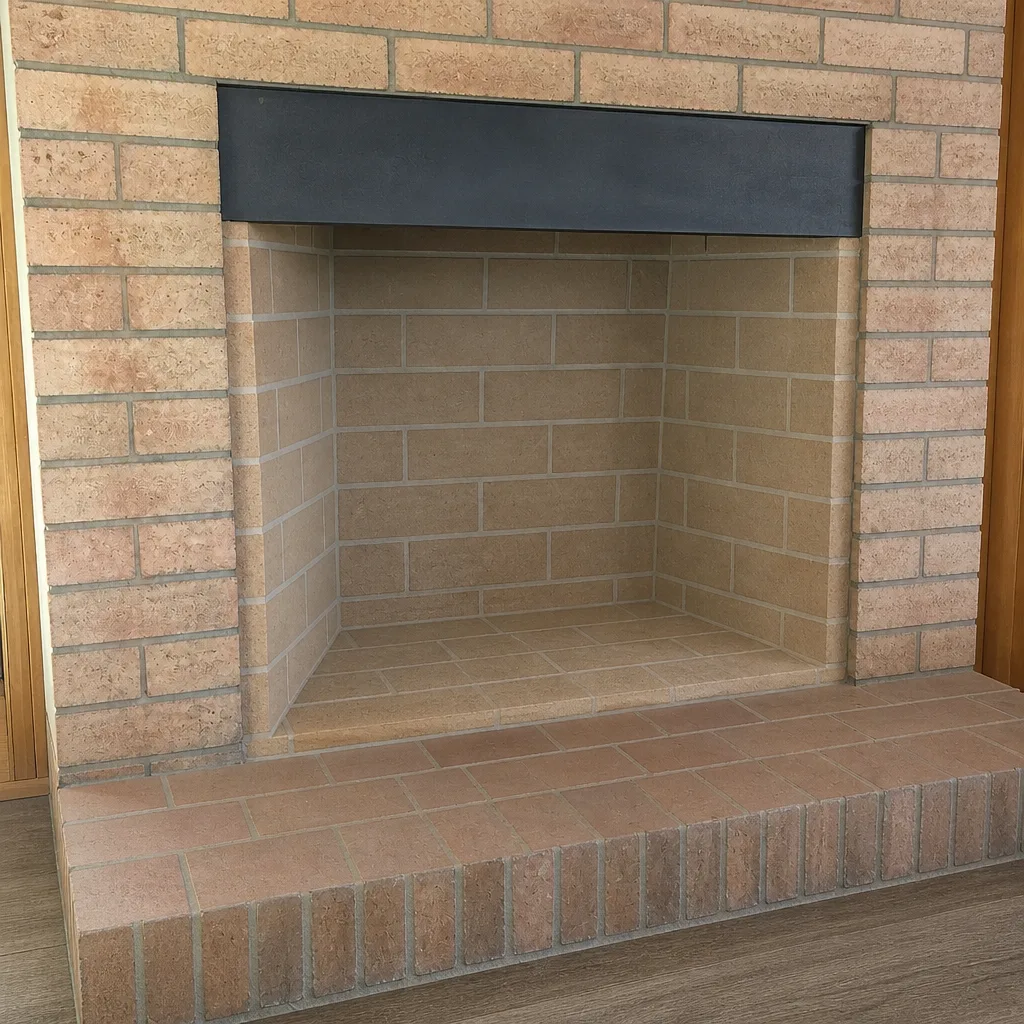
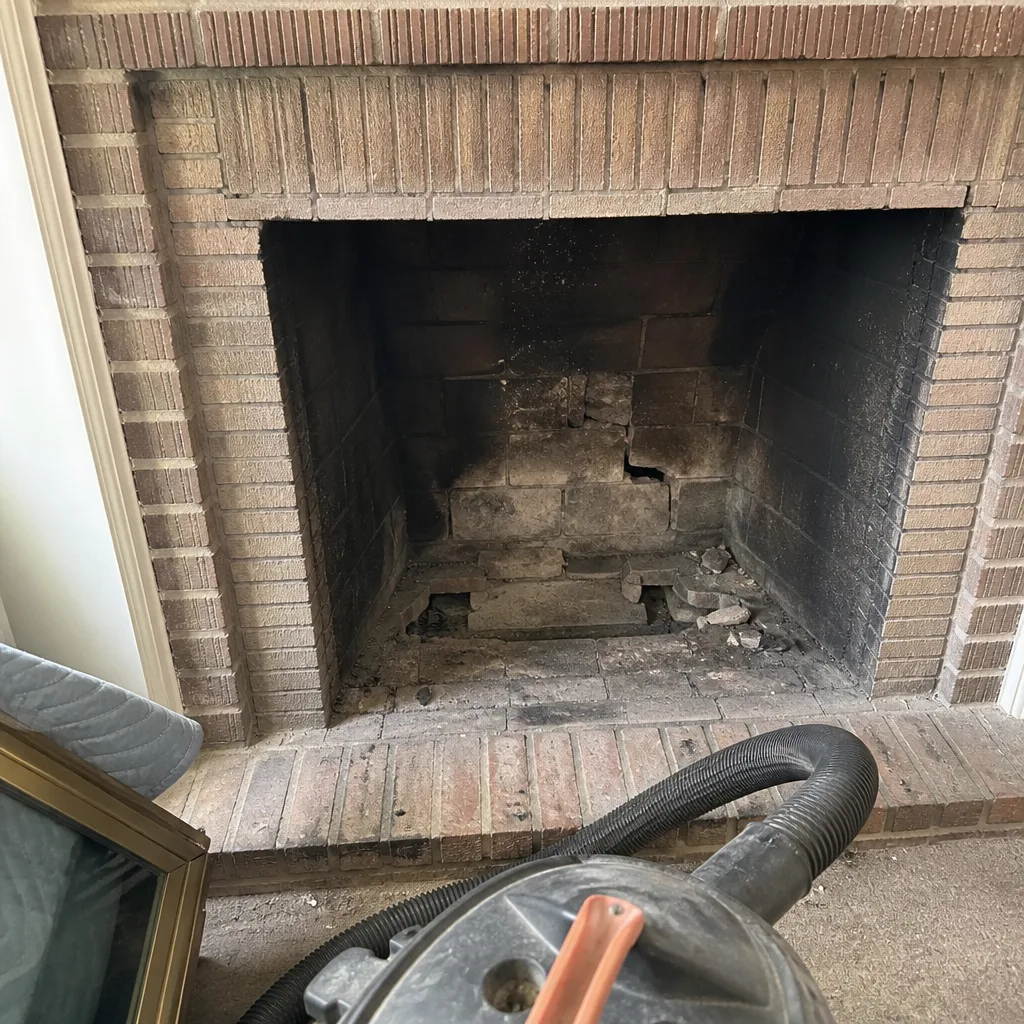
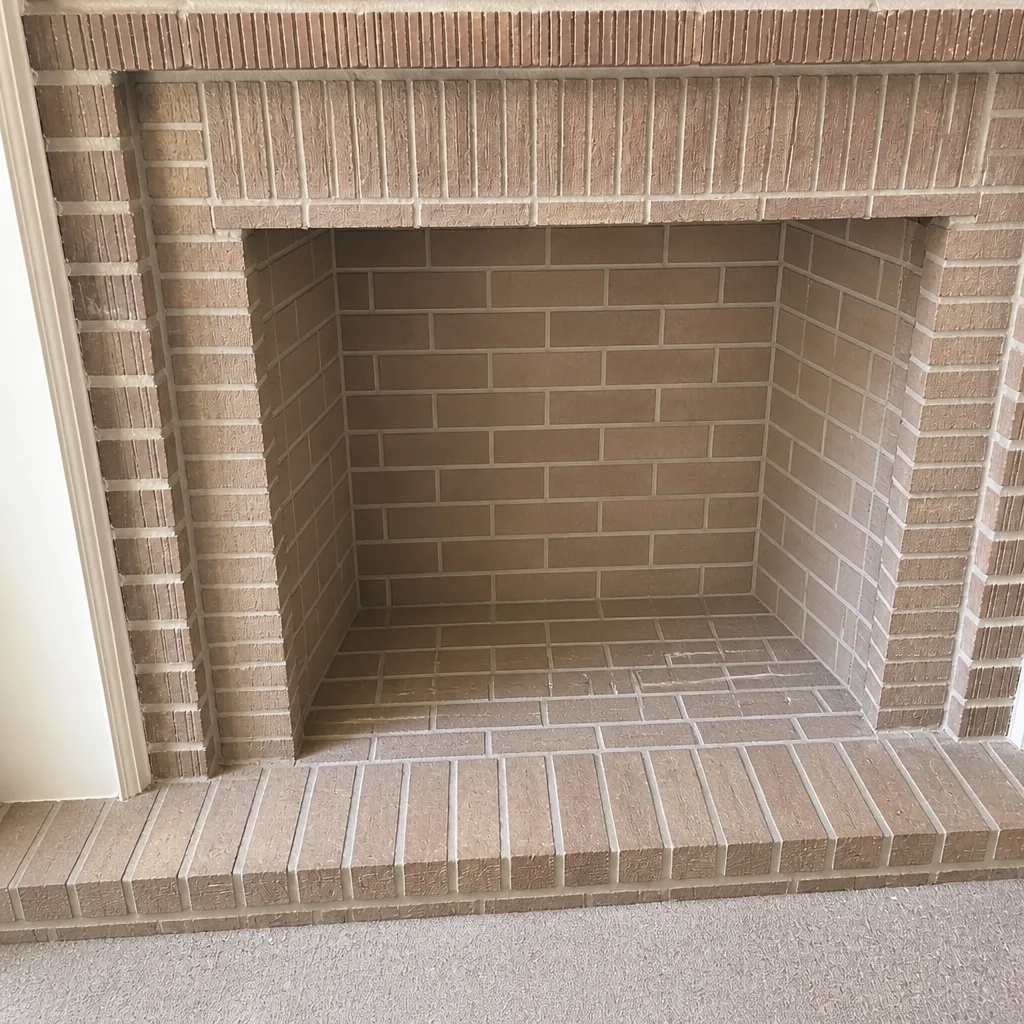
See the difference
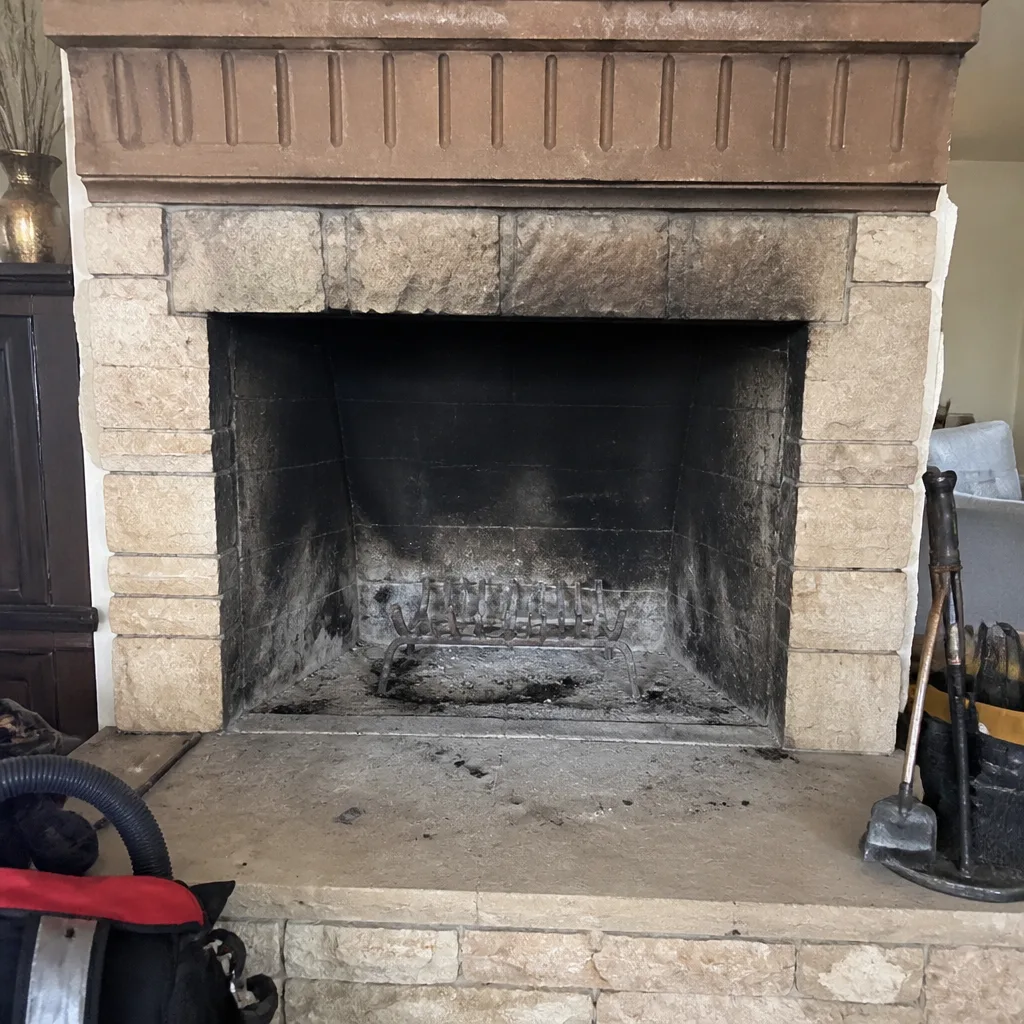 Before
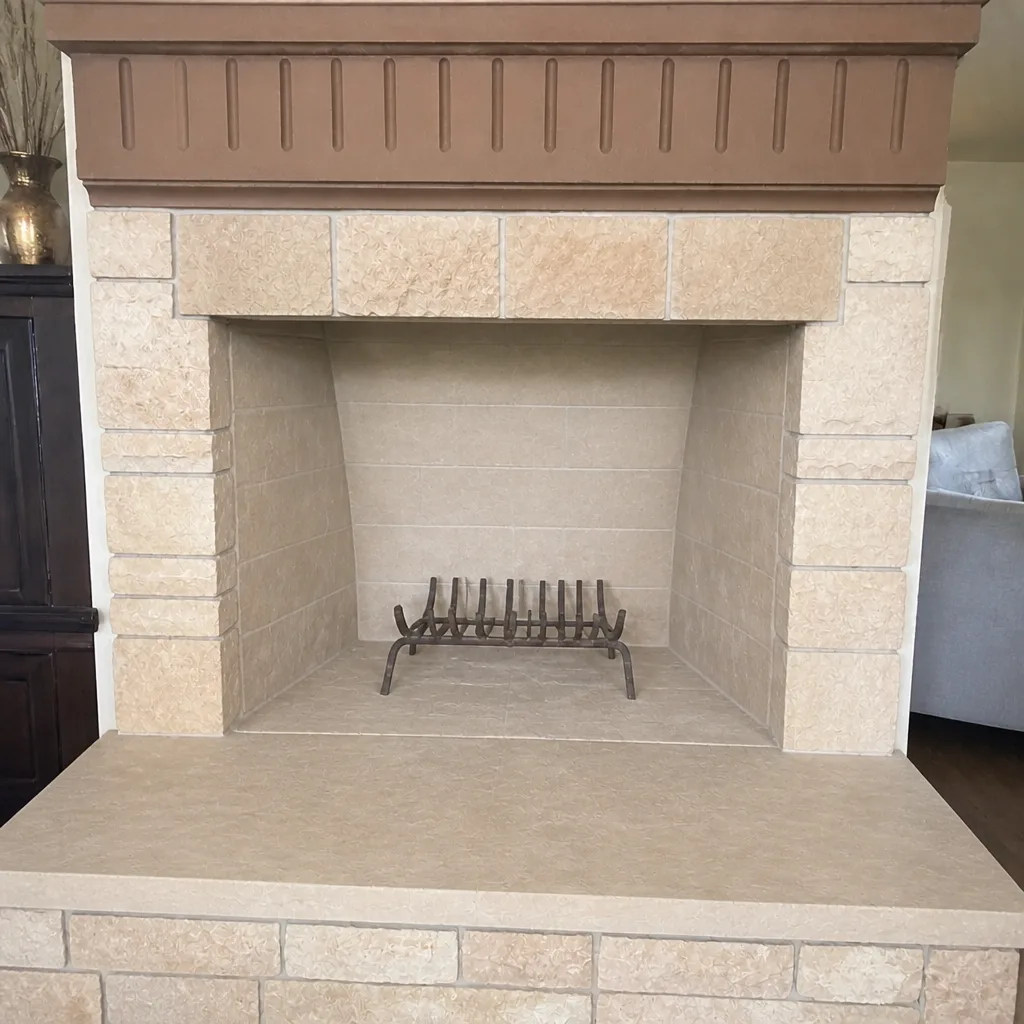 After
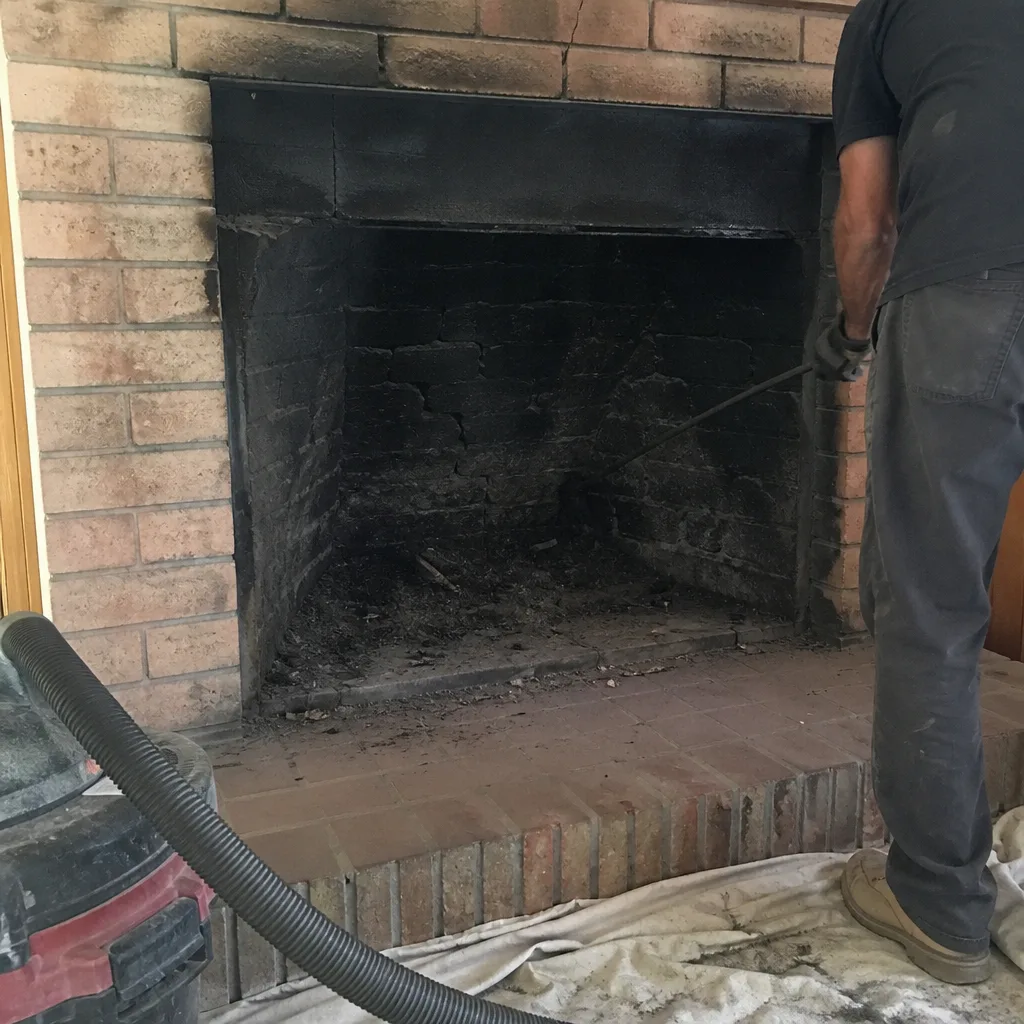 Before
 After
 Before
 After
When to Call a Professional
Call a professional chimney technician when your wood-burning flue hasn’t been swept in a year or more of regular use, when you see glazed or sticky creosote on the flue wall, or when you notice a strong odor from the fireplace between burns. Call when you see cracked masonry, a deteriorating crown, a loose cap, or water stains on the chimney chase. Call immediately if you ever hear a loud roaring sound from the flue or smell smoke in a room that shouldn’t have it, because those can point to a chimney fire or a blocked flue. Carbon monoxide risk is real with any fuel-burning appliance, and a blocked or damaged flue is one way it happens. Chimney Sweep Glendale offers free estimates in Glendale; call (833) 734-6139. We answer 24/7, with fast dispatch from 7am to 7pm, Sunday through Friday.
Frequently Asked Questions
A standard sweep-only cleaning in Glendale typically runs $150 to $260 in 2026, and a sweep bundled with a Level 2 camera inspection usually lands between $250 and $425. The written estimate you receive sets the final price, so ask for itemization before you book. Call (833) 734-6139 for an exact quote; estimates are free.
Only if the camera scan shows one is needed, and you should see that evidence yourself before agreeing to the work. A cracked or separated clay tile liner, a rusted factory-built liner, or a flue with gaps at the joints can allow heat and combustion gases where they shouldn’t go. If the scan shows an intact flue, no liner is necessary. Ask to see the footage, and if it’s not offered, that’s a sign to get another opinion. Call (833) 734-6139 and we’ll show you what we find.
Sweep a wood-burning chimney annually during regular use, or whenever creosote reaches a quarter-inch on the flue wall. Light or occasional use can stretch it to every couple of years, but pair the sweep with a camera inspection. Gas fireplaces still need periodic inspection, just on a longer cadence. Call (833) 734-6139 to set up a sweep and inspection together.
Creosote builds on the flue wall and, at high enough accumulation, can ignite. That’s what a chimney fire is, and it can damage the liner and masonry in ways you won’t see from the room. Blocked or damaged flues also increase carbon monoxide risk with any fuel-burning appliance. Skipping a sweep doesn’t skip the risk, it banks it. Call (833) 734-6139 before the next burn season; estimates are free.
Almost always because the scopes differ. One quote is a sweep-only cleaning; the other includes the sweep plus a Level 2 camera inspection, a written report, and a named-brand component list. Material brand also changes the price, because a HeatShield resurfacing and a generic mortar patch are different jobs with different labor and lifetimes. Line up the line items and the difference usually explains itself. Call (833) 734-6139 if you want a quote itemized to compare.
Yes, and it’s one of the cheapest repairs on a chimney. Glendale’s summer heat opens hairline cracks in masonry crowns, and those cracks let water into the chimney chase, where it causes spalling and interior damage that’s far more expensive than the crown coat. A flexible crown coating applied early closes the gap before water does the expensive work. Call (833) 734-6139 for a free estimate on a crown evaluation.
The Bottom Line
Chimney cleaning cost in Glendale comes down to scope, not luck. A sweep-only service runs $150 to $260, and a sweep-plus-inspection bundle lands between $250 and $425; everything above that is add-on work itemized by job. The two quotes at the top of this guide weren’t competing for the same work. One was a cleaning. The other was a cleaning, a camera inspection, a written report, and a professional assessment. Read every quote line by line, ask what each line omits, and insist on seeing camera evidence before any repair is recommended. A brand-name component with a spec sheet costs more than an unnamed generic, and it’s the one you can hold a manufacturer to.
Sweep, inspect, and repair with documented materials means no handoff mid-problem. Call (833) 734-6139 for a free estimate. We answer 24/7, with fast dispatch from 7am to 7pm, Sunday through Friday.
Written by the team at Chimney Sweep Glendale.