
Last updated November 15, 2026
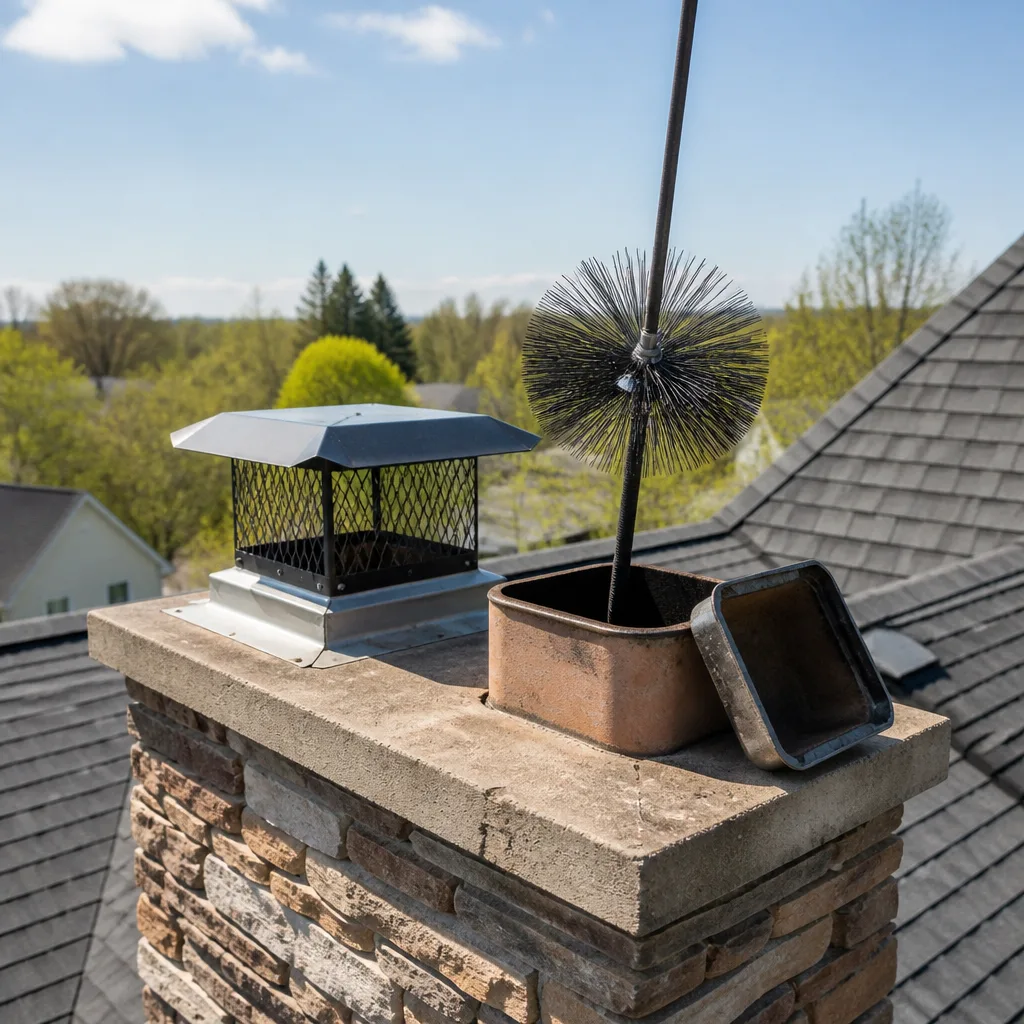 Sweep & inspection
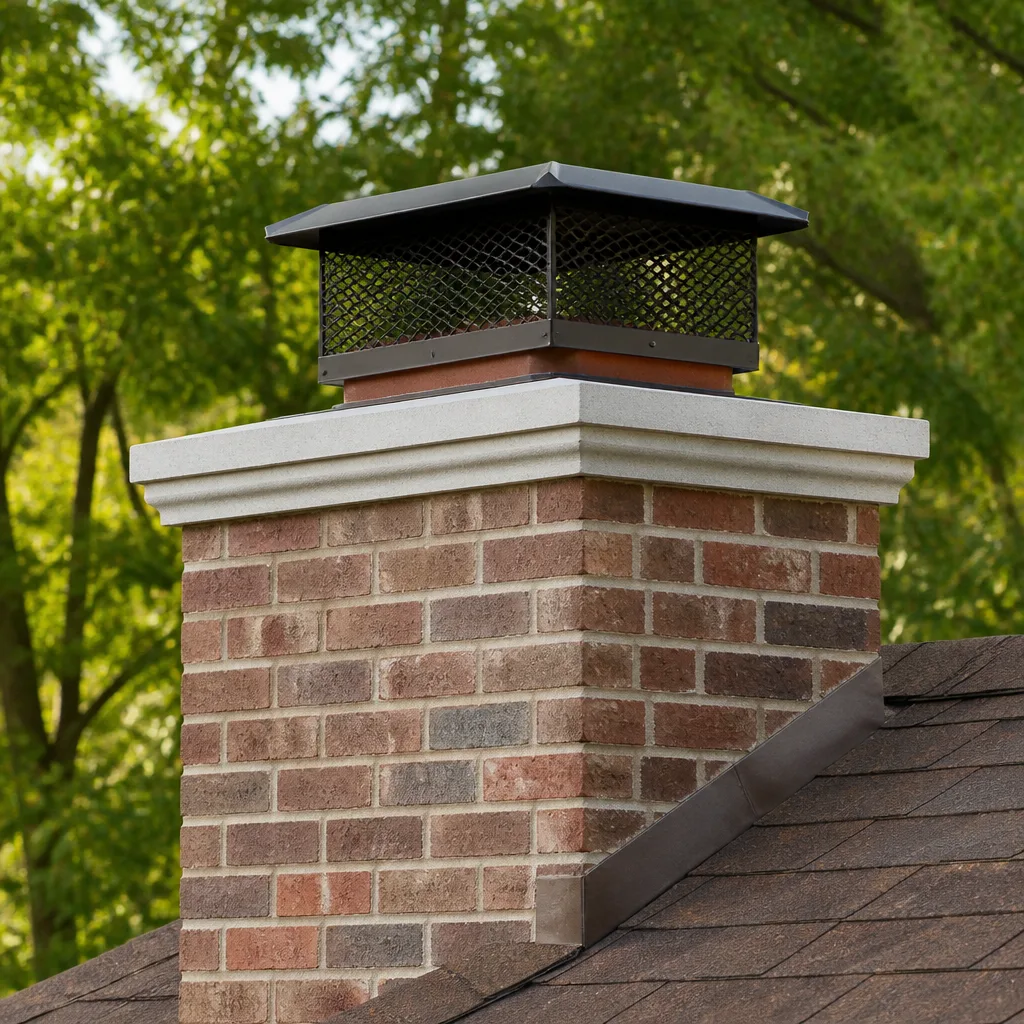 Caps & crowns
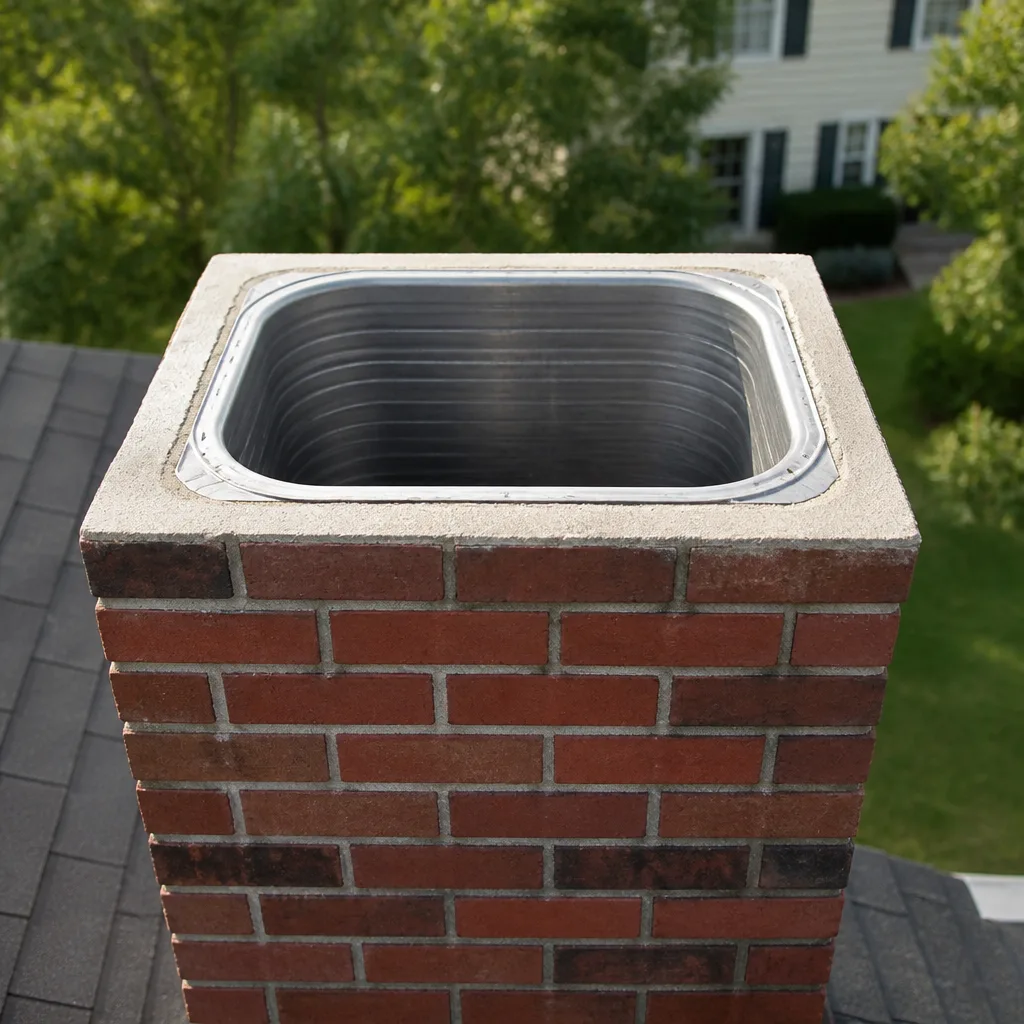 Flue relining
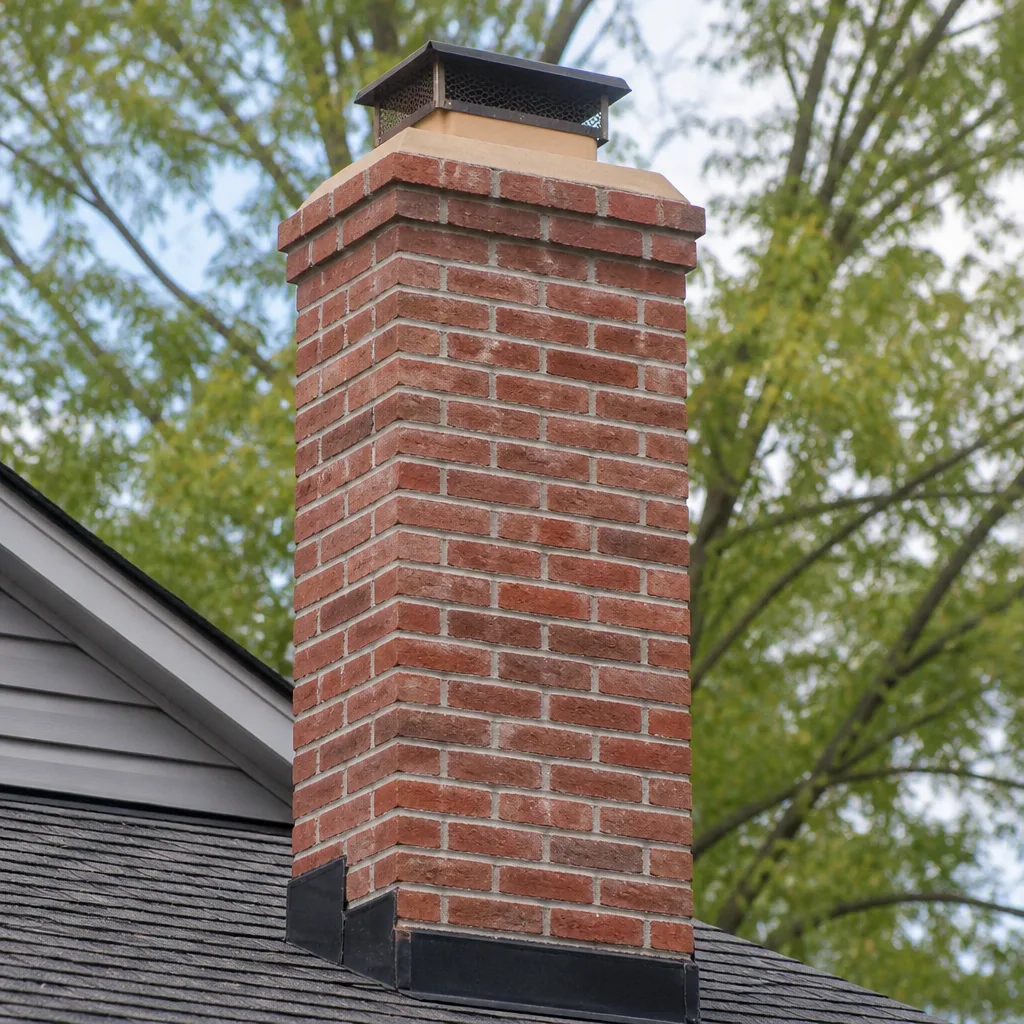 Masonry repair
 Gas fireplace service
Level 1 sweep and inspection to the NFPA 211 annual standard - flue, crown, cap, and flashing checked and photographed
Chimney sweep logs do not sweep chimneys. They loosen some creosote - which then falls where a brush and vacuum still have to collect it.
DIY vs Professional Chimney Cleaning: The Glendale Homeowner’s Decision Guide
You can buy a chimney brush kit for $40 and clean visible soot from your firebox. What you cannot do is inspect your flue liner for thermal cracks, and in Glendale’s heat-stressed chimney systems, that’s exactly where the dangerous failures hide. The DIY chimney cleaning argument almost always centers on money. That’s the wrong frame. The variable that actually matters is diagnostic capability: what a brush can remove versus what a trained eye and a camera can find. This guide walks through what’s genuinely safe to do yourself between professional cleanings, what isn’t, and how to decide which side of the line your chimney sits on.
Quick Answer
A homeowner with a brush can safely remove firebox ash and check the cap and damper from the ground, but cannot identify a Stage 2 creosote deposit, a hairline flue crack, or a deteriorating smoke chamber without professional tools and training. In Glendale, where many fireplaces burn intermittently rather than heavily, the deposits that form are often harder to read than the heavy-use soot most DIY guides describe. The decision itself comes down to one thing: whether your system needs cleaning or diagnosing. If you don’t know which, you need a professional sweep and inspection.
Chimney Sweep Glendale handles sweeping, inspection, and repair as a single trade, so nothing gets handed off mid-problem. Call (833) 734-6139 for a free estimate. We answer 24/7. Fast dispatch from 7am to 7pm, Sunday through Friday.
Styles & brands we work with
- Sweep & inspection
- Caps & crowns
- Flue relining
- Masonry repair
- Gas fireplace service
Table of Contents
- What DIY chimney cleaning can and can’t do
- Why Glendale’s usage pattern changes the math
- Three tasks that are safe between professional cleanings
- Four jobs that require professional tools and training
- Creosote degrees: what you’re actually looking at
- The insurance claim question nobody asks until it’s too late
- The decision framework: three DIY conditions, four pro conditions
- What a professional sweep and inspection actually involves
What DIY chimney cleaning can and can’t do
A homeowner with the right brush and a ladder can accomplish a narrow set of tasks safely. They can sweep soot from the flue walls in a straight, accessible chimney. They can clean ash from the firebox. They can look up from the hearth with a flashlight and see whether the damper opens and closes freely. That’s about the ceiling of what DIY gets you.
What a brush cannot do is tell you anything about the condition of the chimney. A brush removes material. It doesn’t evaluate it. It won’t show you a thermal crack in a clay tile liner that’s opened up behind a layer of soot, or a smoke chamber that’s begun to spall internally, or a crown that’s developed a hairline split that lets water into the flue structure. Those are the findings that matter, and they come from inspection, not sweeping.
Here’s the honest split:
- What DIY can do: remove surface soot from the firebox and lower flue, clear ash, test the damper, check the cap and crown visually from the ground.
- What DIY cannot do: identify creosote stages beyond a visual impression, inspect the flue interior for cracks, detect draft problems, evaluate smoke chamber condition, verify liner integrity.
- What’s unsafe for anyone but a trained technician: roof-level work, rotary cleaning of glazed deposits, liner inspection by camera, any repair to the flue structure.
If your only goal is knocking down loose soot between professional cleanings, DIY works for that narrow purpose. If your goal is knowing whether your chimney is safe to burn in, it doesn’t. Those are different questions, and a lot of the DIY-versus-professional debate gets muddled by not separating them.
Why Glendale’s usage pattern changes the math
Glendale chimneys tend to burn in bursts. A few fires during a cold snap, then weeks of disuse, then a stretch of regular evening fires, then nothing for a month. That pattern is common across the Valley, and it produces a very different deposit profile from a chimney that runs hard all winter.
In a heavy-use chimney, you build up a lot of soot relatively quickly, and it’s visible. You can see it accumulate, you know roughly when a cleaning is due, and the cleaning is about volume. In an intermittent-use chimney, the deposits form more slowly and glaze differently. Soot that sits on the flue wall between burn cycles has time to absorb moisture and undergo the chemistry that hardens it toward a glazed creosote stage. That’s a harder deposit to remove, and it’s less visible from the firebox. A homeowner burning recreationally often has no visual cue that anything is building up.
Idle periods add a second factor. When a chimney sits through Glendale’s hot months, moisture from the air interacts with whatever residue is on the flue walls. Materials can spall, mortar joints can loosen, and the flue structure can shift. A brush won’t catch any of that, and a homeowner burning a few fires a month isn’t going to notice it unless someone looks.
So the usual logic that “if you don’t burn much, DIY is fine” is actually backwards in Glendale. Light, infrequent use produces deposits that are harder to read and easier to ignore, not easier to manage. The Chimney Sweep Glendale team sees this pattern regularly, and it’s one reason a professional inspection on a lightly used chimney matters as much as a heavy-use cleaning.
Three tasks that are safe between professional cleanings
Between professional sweep visits, there are three jobs a homeowner can do without any risk, and doing them consistently extends the time between cleanings and helps you spot problems early.
- Empty the firebox of cold ash. Once the firebox has cooled completely, shovel out accumulated ash into a metal container with a lid and dispose of it. Wait at least 24 hours after the last burn and assume there are hot embers buried in the ash pile. Never vacuum warm ash into a household vacuum.
- Check the cap and crown visually from the ground. With binoculars, look at the top of the chimney from your yard. You’re checking whether the cap is intact, whether the crown at the top of the chimney is cracked or chipped, and whether anything looks off-level or separated. You’re not climbing onto the roof to inspect it. Ground-level visual checks are safe. Roof work is not.
- Test the damper operation by hand. Open and close the damper from inside the firebox and confirm it moves freely through its full range. A damper that sticks, doesn’t fully open, or doesn’t fully close is a sign of rust, debris, or misalignment, and warrants a professional look before the next burn.
Notice what’s not on that list: no sweeping, no ladder work, no flue inspection, no creosote removal. Those jobs cross the line into tasks where a DIY attempt can either miss the real problem or create one. A homeowner who does the three tasks above is doing real maintenance. A homeowner who tries to sweep their own flue is usually doing something else without knowing it.
Four jobs that require professional tools and training
There are four specific jobs in chimney care that no homeowner should attempt, regardless of how handy they are. Each one requires either tools a homeowner doesn’t have, training most people don’t have, or a level of risk that isn’t worth taking on.
- Rotary cleaning for Stage 2 creosote. Glazed, hardened creosote doesn’t come off with a brush and a rope. It requires a rotary cleaning system that spins a cutting head against the flue wall at controlled speed. Doing this wrong can score the liner, crack a clay tile, or damage the smoke chamber. A homeowner with a brush physically cannot remove Stage 2 creosote, and trying to force it with an improvised tool can damage the flue.
- Camera inspection of liner integrity. A camera inspection requires a chimney camera and the training to read what the camera sees. Cracks, gaps, offset tiles, and liner separation are the findings that tell you whether the chimney is safe to use. Those findings are what a homeowner cannot get from any amount of DIY brushing.
- Smoke chamber resurfacing. The smoke chamber is the sloped transition between the firebox and the flue. Its surfaces take direct heat and are prone to deterioration. Resurfacing it is structural work, and we use HeatShield for it. It’s an industry-standard resurfacing system, and it is not the same thing as slapping on a DIY sealant, which can fail, trap moisture, or create a false sense of repair.
- Liner replacement or relining. When a liner has failed, the chimney is relined. We install DuraFlex flexible liner systems for this, and the materials are specified by the manufacturer for the exact job. A homeowner cannot safely install a flue liner, and the consequences of a poor installation are not something you can verify after the fact without a camera.
These four jobs are what separates a professional chimney sweep from a homeowner with a brush. No amount of YouTube research closes that gap, because the gap isn’t knowledge, it’s tools and diagnostic capability, and both are what you’re paying for.
Creosote degrees: what you’re actually looking at
Creosote forms in three recognizable stages, and most of the confusion around DIY cleaning comes from homeowners not knowing which stage they’re looking at.
- Stage 1: soot and flaky creosote. Loose, powdery, and visible. This is what a brush is designed to remove. Most of the time, what a homeowner sees from the firebox and calls “creosote” is Stage 1, and it comes off easily with mechanical brushing.
- Stage 2: hardened, glazed deposits. Creosote that has been heated and cooled repeatedly forms a dense, glazed layer that adheres to the flue wall. Brushing alone won’t touch it. Rotary equipment is required. Stage 2 is a fire risk because it can re-ignite when heated, and it’s the most common “why does my chimney need work” finding in Glendale’s intermittent-use chimneys.
- Stage 3: heavily glazed, puddled, or crusted deposits. The most advanced stage, and the most dangerous. Stage 3 creosote is a serious fire risk and usually indicates a chimney that needs thorough professional attention before further burning.
Here’s the diagnostic problem: from inside the firebox, a homeowner can see Stage 1 clearly. Stage 2 is often partially hidden and reads as “some buildup” to an untrained eye. Stage 3 can look like glossy black soot to someone unfamiliar with what they’re seeing. The only way to know which stage is present in a full length of flue is to look at all of it, with a camera, from top to bottom, which is exactly what a professional inspection does.
A chimney brush is designed for Stage 1. It is not designed to be a diagnostic tool. If you’re relying on a brush to tell you the condition of your chimney, you’re asking it to do a job it can’t do.
The insurance claim question nobody asks until it’s too late
Homeowners rarely think about what happens after a chimney fire until after the fire. It’s a fair question to ask in advance, because the answer affects how you should think about DIY cleaning.
Insurance policies typically include chimney and fireplace coverage, but most also carry maintenance conditions. A common clause requires the homeowner to keep the system in good repair and to demonstrate reasonable maintenance. When a chimney fire claim is filed, the adjuster typically asks for the maintenance history. If the chimney has no record of professional inspection and no professional cleaning on record, and the fire is traced to accumulated creosote, the claim can be complicated, reduced, or denied depending on the policy language and the adjuster’s read.
This is not a scare tactic. It’s a normal claim-handling question. Insurance is a contract with maintenance obligations, and chimney fires are one of the claim types where maintenance records carry weight. A homeowner who self-cleans without documentation is functionally operating without that record.
The inverse is also true. A documented professional sweep and inspection establishes a maintenance trail. It also gives the adjuster a clear “the chimney was inspected and cleaned on X date by a trained technician” fact, which makes a chimney fire claim much easier to process. That record has value beyond the cleaning itself.
We’re not in the business of giving insurance advice, and we recommend you read your own policy language or ask your agent what documentation your policy expects. But the practical point stands: a professional chimney repair history is evidence, and a homeowner’s self-cleaned chimney with no professional record is not. If you want to know what documentation your system should have, ask your insurer directly.
The decision framework: three DIY conditions, four pro conditions
Here’s the framework we recommend for the DIY-versus-professional decision. If an item lands in the DIY column, you’re in safe territory. If it lands in the professional column, it requires a trained technician.
DIY is reasonable when all three of these are true:
- You’re handling firebox ash removal and ground-level visual checks only, not flue cleaning.
- Your chimney has a documented professional cleaning and inspection within the last year, so you know the current condition of the flue.
- You have a clear, functional cap, an intact crown, and no visible structural issues from the ground.
A professional sweep is required when any one of these is true:
- It has been a year or more since your last professional inspection, regardless of how much you’ve burned.
- You have any reason to suspect Stage 2 or Stage 3 creosote (a glazed, hardened appearance inside the firebox, or a strong creosote smell).
- You’re experiencing draft problems, smoke rolling back into the room, or a fire that’s harder to start than it used to be.
- You’ve noticed any change in the chimney structure, cap, or crown from the ground, or you hear anything different when the flue warms up.
That’s the whole decision. If all three DIY conditions are met, you’re safe to do the limited maintenance described earlier. If any one of the four professional conditions is met, book a sweep. It’s really that clean a call, and most of the confusion comes from treating “I can do this myself” as a single question instead of four separate ones.
If you’re in Glendale and you don’t know where your chimney falls on this framework, that’s an answer in itself. A chimney that hasn’t been professionally documented recently belongs in the professional column by default.
What a professional sweep and inspection actually involves
A professional sweep is two jobs done in sequence: cleaning and inspection, with the inspection documented. Here’s what a typical visit looks like, in order.
- Setup and protection. Drop cloths go down, and the work area is sealed off from the rest of the house with a containment setup so soot and debris can’t migrate.
- Initial visual check. We look at the firebox, damper, smoke chamber, and firebox-to-flue transition before touching anything, so we have a baseline before the cleaning changes what’s visible.
- Cleaning. Brushing and rotary cleaning as needed, matched to what we found. Stage 1 soot comes off mechanically; Stage 2 creosote requires rotary equipment.
- Camera inspection. The flue is inspected top to bottom with a camera, and we look at every joint, tile, and transition. Findings are documented with photos.
- Report and recommendation. We walk you through what we found in plain language and tell you what needs doing, what can wait, and what doesn’t need doing at all. If a repair is needed, we specify the material and the scope in writing.
The materials matter a lot here. When repairs are called for, we use name-brand systems we can document: HeatShield for smoke chamber resurfacing and liner restoration, DuraFlex for flexible relining, and components from Gelco, Olympia Chimney, Famco, and Copperfield where they’re the right fit. Brand-name chimney components come with manufacturer specs and traceable parts, which means a repair can be verified rather than taken on trust. That’s a different posture from patch-and-go repair with unbranded sealants, and it’s the difference between a repair you can look up and one you’re just told was done.
The inspection itself is the part that matters most for safety. It’s what identifies a problem before it becomes a chimney fire or a structural repair. A cleaning without an inspection is a partial job.
Common Mistakes to Avoid
- Treating a brush kit as a complete chimney maintenance plan. A brush handles Stage 1 soot and nothing else. If it’s the only tool you own, your chimney has never actually been inspected, and that’s the gap that matters in Glendale’s intermittent-use systems.
- Judging creosote by the firebox view. The firebox shows you the bottom of the flue, not the whole length of it. Stage 2 and Stage 3 deposits higher up are invisible from the hearth and won’t be diagnosed from a glance.
- Cleaning the flue and skipping the inspection. These are different jobs. A cleaning removes material; an inspection evaluates condition. Skipping the second one means you know less about your chimney after the job than you should.
- Assuming light use means low risk. In Glendale, light or seasonal burning produces glazed deposits more slowly but also more stubbornly, and idle periods let moisture interact with residue. Low volume doesn’t equal low risk.
- Climbing onto the roof for a “quick check.” Roof work is the leading cause of DIY chimney injury. Ground-level binocular checks are safe. Anything beyond that should be handled by a trained technician.
- Using an improvised tool to force off hardened creosote. Brushes are meant for Stage 1. Using chains, scrapers, or other workarounds on Stage 2 deposits can score or crack the liner, and the damage is often invisible without a camera.
- Not keeping a maintenance record. A professional sweep log matters for insurance claims and for establishing when the chimney was last inspected. A self-cleaned chimney with no documentation is harder to defend if a claim arises.
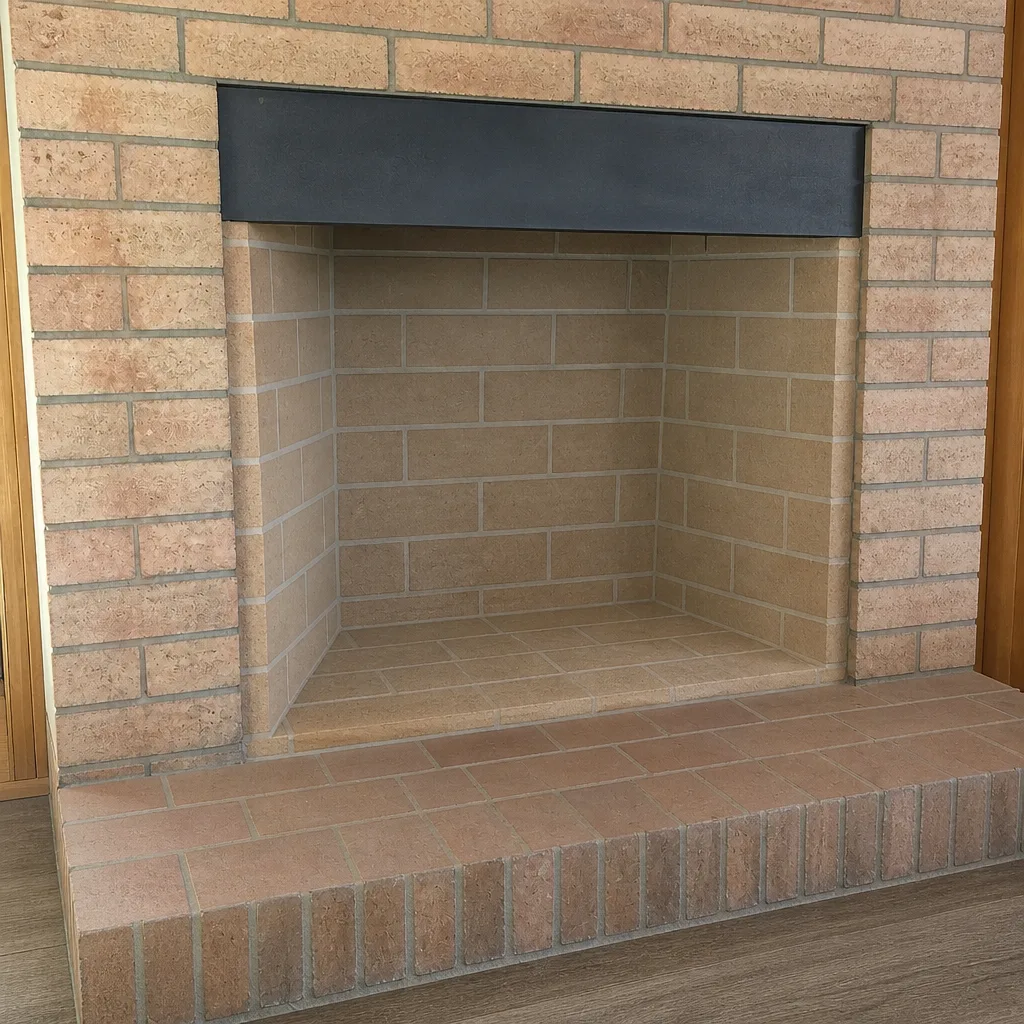
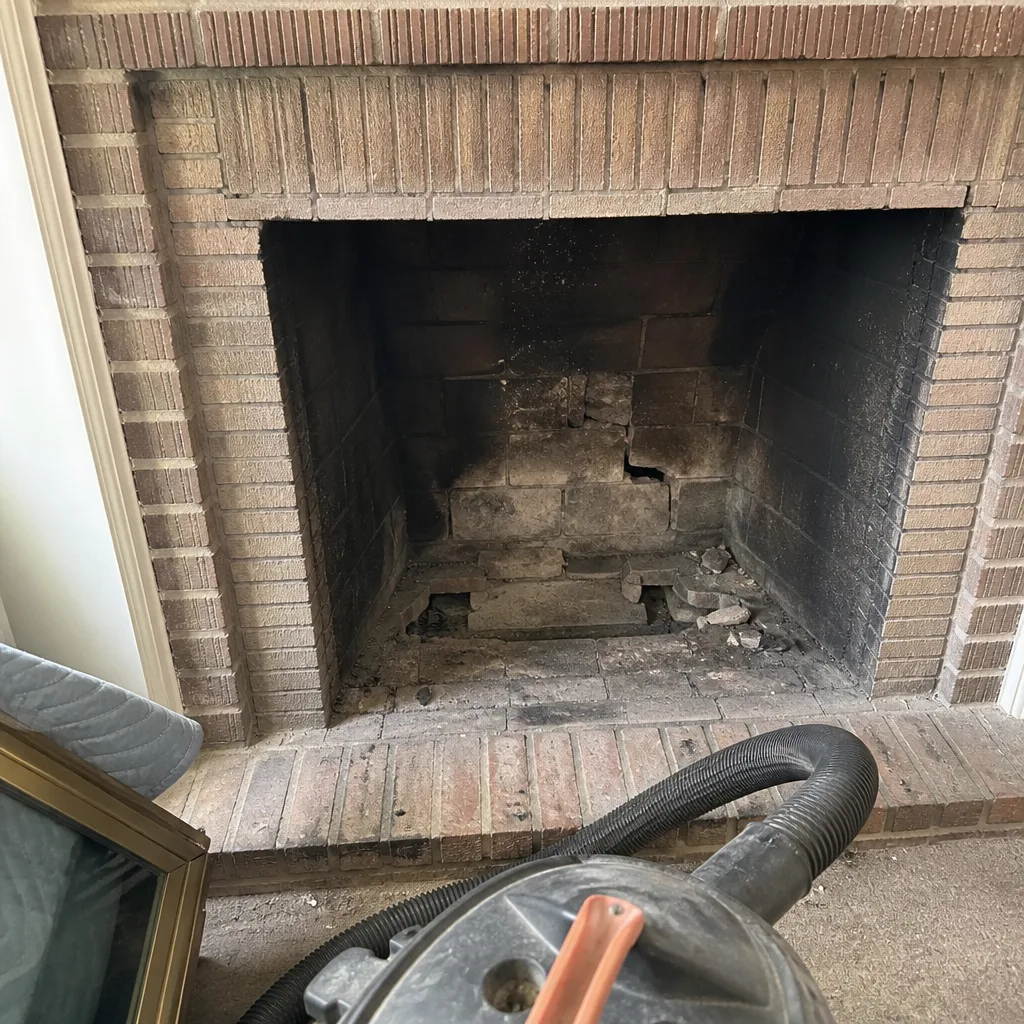
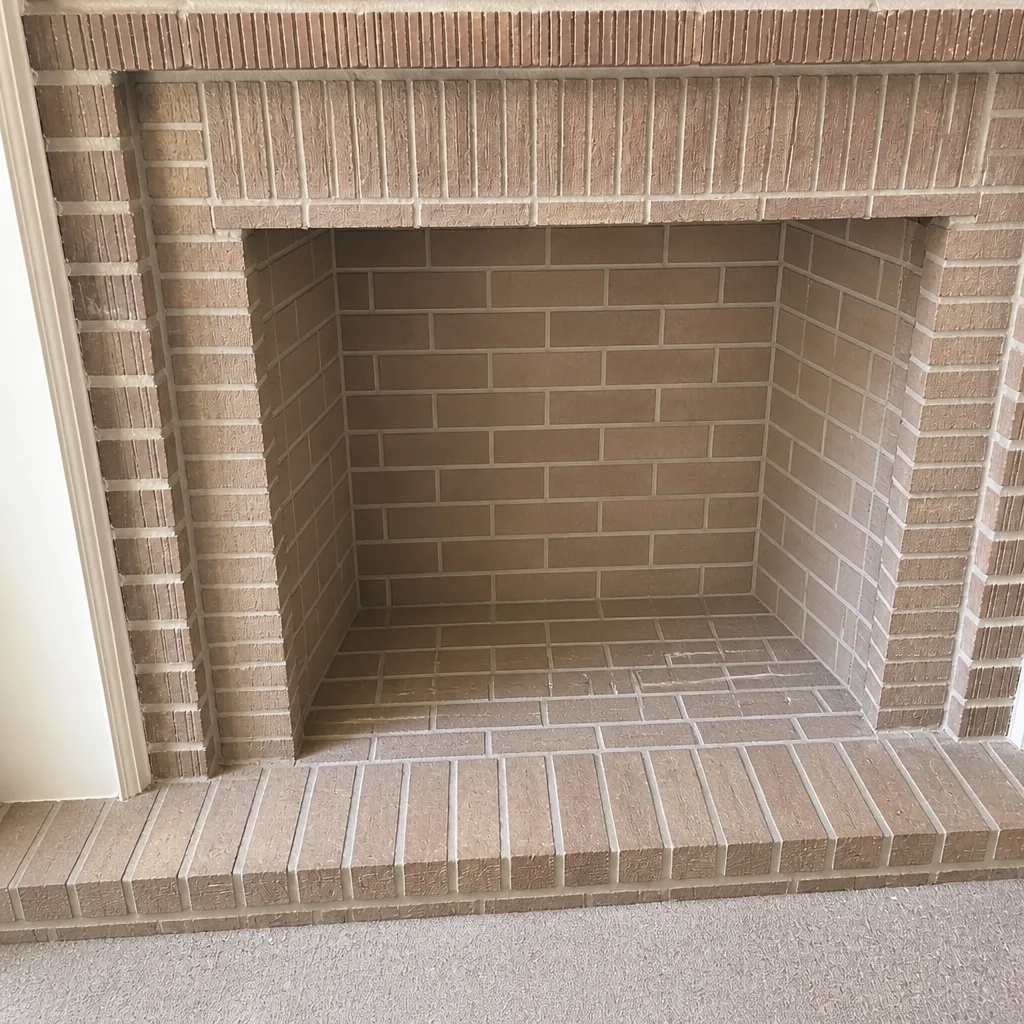
See the difference
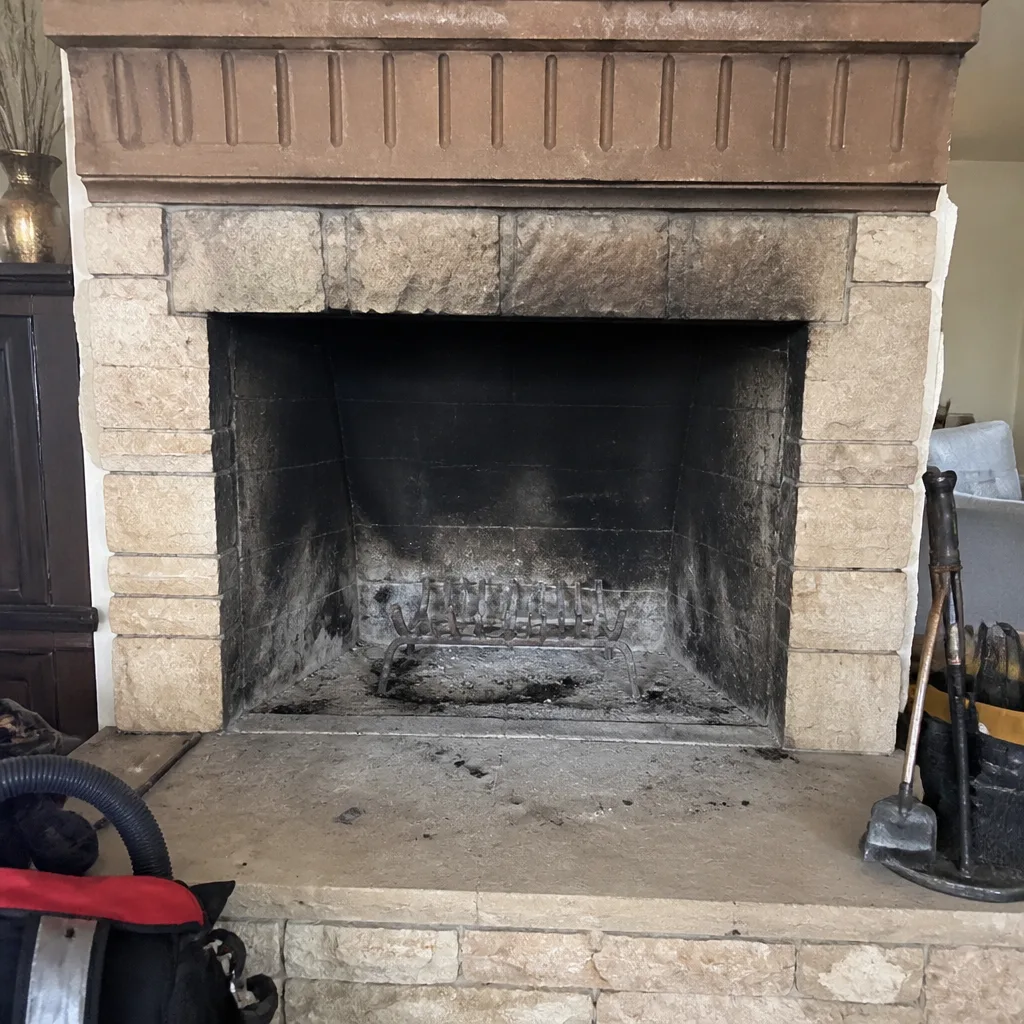 Before
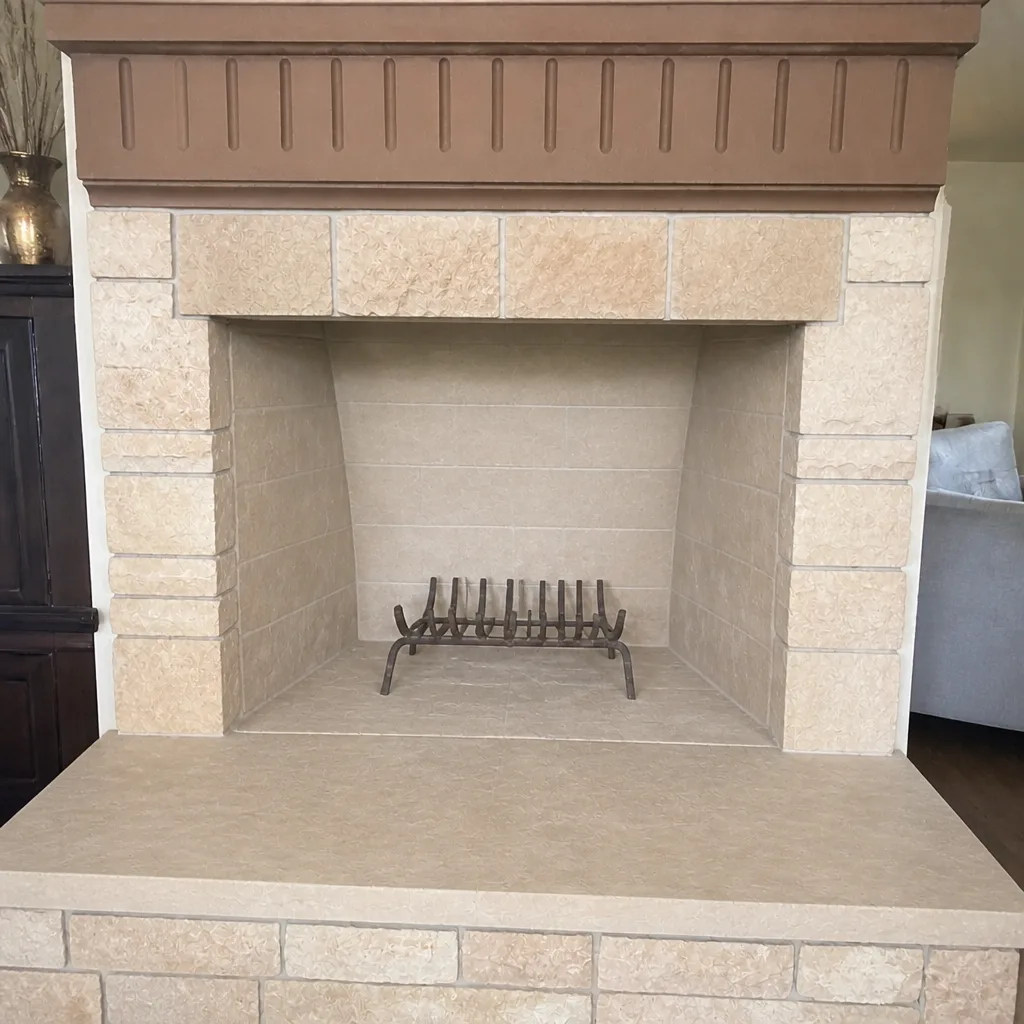 After
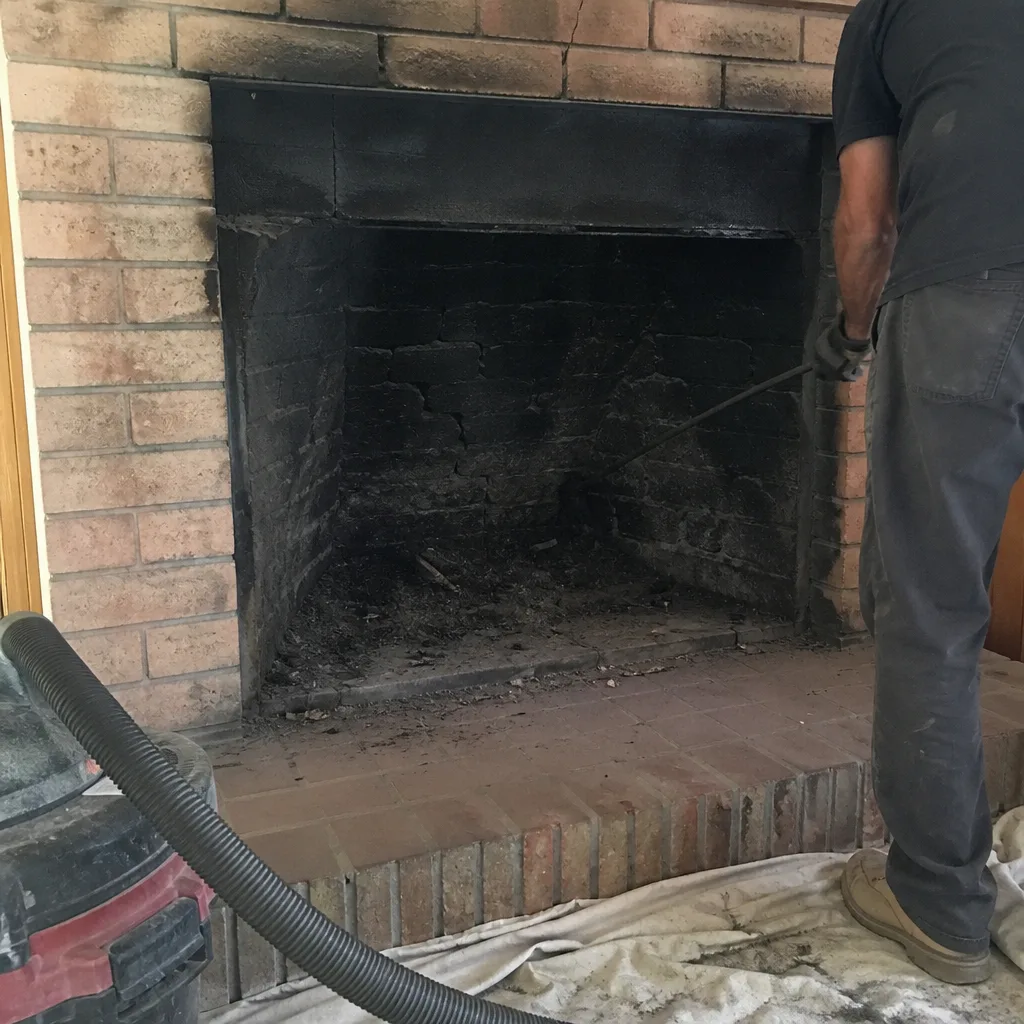 Before
 After
 Before
 After
When to Call a Professional
Call a professional if it has been a year or more since the last inspection, if you see glazed or hardened creosote inside the firebox, if you smell creosote when the fireplace is cold, if smoke rolls into the room when you burn, or if anything about the chimney’s structure, cap, or crown looks different from the ground. Call if you’ve never had a professional inspection on record and you’re planning to use the fireplace this season. Call if you’re selling the home and need documentation. Call if your chimney has had any change in behavior, including harder lighting, weaker draft, or a different sound when the flue warms up. And call if you simply don’t know which stage of creosote is in your flue, because that uncertainty is the finding itself.
Chimney Sweep Glendale offers free estimates in Glendale. Call (833) 734-6139. We answer 24/7. Fast dispatch from 7am to 7pm, Sunday through Friday. Our technicians have up to 8 years of experience, and every job is a chimney job. Written estimates set the final price, and nothing is recommended without findings you can see for yourself.
Frequently Asked Questions
Surface soot removal from the firebox and lower flue is safe for a homeowner with the right brush, but anything involving the full flue requires professional tools and training. The risk in Glendale isn’t the brushing itself; it’s that a homeowner sweeping their own flue won’t catch Stage 2 creosote, liner cracks, or smoke chamber deterioration. Those are exactly the findings that turn into chimney fires. If your last professional inspection is more than a year old, your chimney needs one before your own maintenance is safe to rely on.
A standard chimney sweep in Glendale is a per-job price, set by the written estimate after we’ve seen the chimney and what’s in it. The estimate is free, and nothing gets booked until you’ve agreed to the price. Cleaning and inspection are typically bundled into a single visit, and repair work is quoted separately based only on what the inspection actually found. Call (833) 734-6139 for a free estimate. We answer 24/7.
The general rule is once a year, regardless of how much you burn. In Glendale, the intermittent-use pattern makes that annual inspection more important, not less, because the deposits that form are harder to read visually and the chimney sits idle for long stretches. A homeowner burning a handful of fires per season should still have an annual inspection, even if the sweep itself is minimal.
Yes, and that’s the core risk of DIY cleaning. A brush removes Stage 1 soot, but it doesn’t remove Stage 2 glazed creosote, and it doesn’t detect liner damage that makes a fire more likely. A chimney fire needs fuel (creosote) and a pathway (a damaged or deteriorated flue). A self-cleaned chimney can have both because the cleaning only addressed part of the problem. A professional sweep with camera inspection is what tells you whether either is present.
It depends on the policy, but you should expect the adjuster to ask for maintenance records. A chimney with no professional inspection on file is harder to defend in a claim than one with documented annual cleaning and inspection. We don’t give insurance advice, so read your own policy and ask your agent what documentation they expect. Whatever the answer, a professional sweep log is evidence a self-cleaned chimney doesn’t have, and that matters whether or not you ever file a claim.
A sweep removes material; an inspection evaluates condition. A sweep removes soot and creosote from the flue. An inspection uses a camera to look at the flue and its components for cracks, gaps, joint failures, and structural changes. Both matter, and in Glendale they’re usually done in the same visit. If you’re being offered one without the other, ask why. A sweep without an inspection is only half a job.
The Bottom Line
DIY chimney cleaning is safe when it’s confined to firebox ash removal, ground-level visual checks, and damper testing, and it’s only reliable when a professional inspection has confirmed the flue’s condition within the last year. It stops being safe the moment it becomes a substitute for inspection. The Glendale variable is usage: intermittent burning produces harder-to-read deposits, and idle periods let moisture work on the flue unnoticed. The decision framework is short. If your chimney has a recent professional inspection and all you’re doing is ash and visual checks, you’re fine. If any of the four professional conditions apply, book a sweep. The diagnostic finding, not the cost, is what keeps a chimney safe.
Visit our Glendale service page for local coverage details, or read more about chimney repair if you suspect your flue needs work beyond a cleaning.
Contact
If you’ve read this far and you’re still not sure where your chimney falls on the DIY-versus-professional line, that’s the answer: book a professional sweep and inspection and let the findings decide. We handle sweeping, inspection, and repair as a single trade, so there’s no handoff mid-problem. Nothing is recommended without evidence you can see for yourself, and we’ll tell you when work can safely wait. Call Chimney Sweep Glendale at (833) 734-6139 for a free estimate. We answer 24/7. Fast dispatch from 7am to 7pm, Sunday through Friday. Our technicians have up to 8 years of experience. Written estimates set the final price.
Written by the team at Chimney Sweep Glendale.