
Last updated November 15, 2026
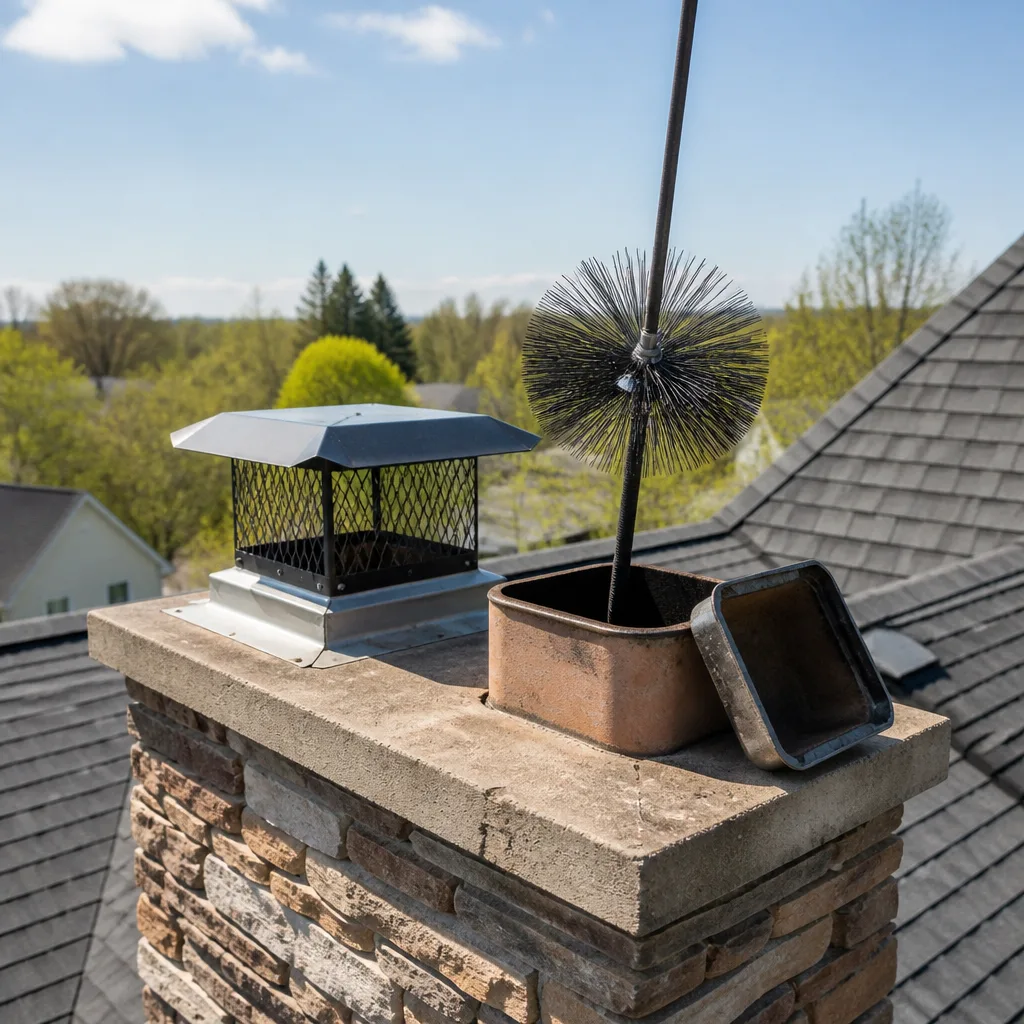 Sweep & inspection
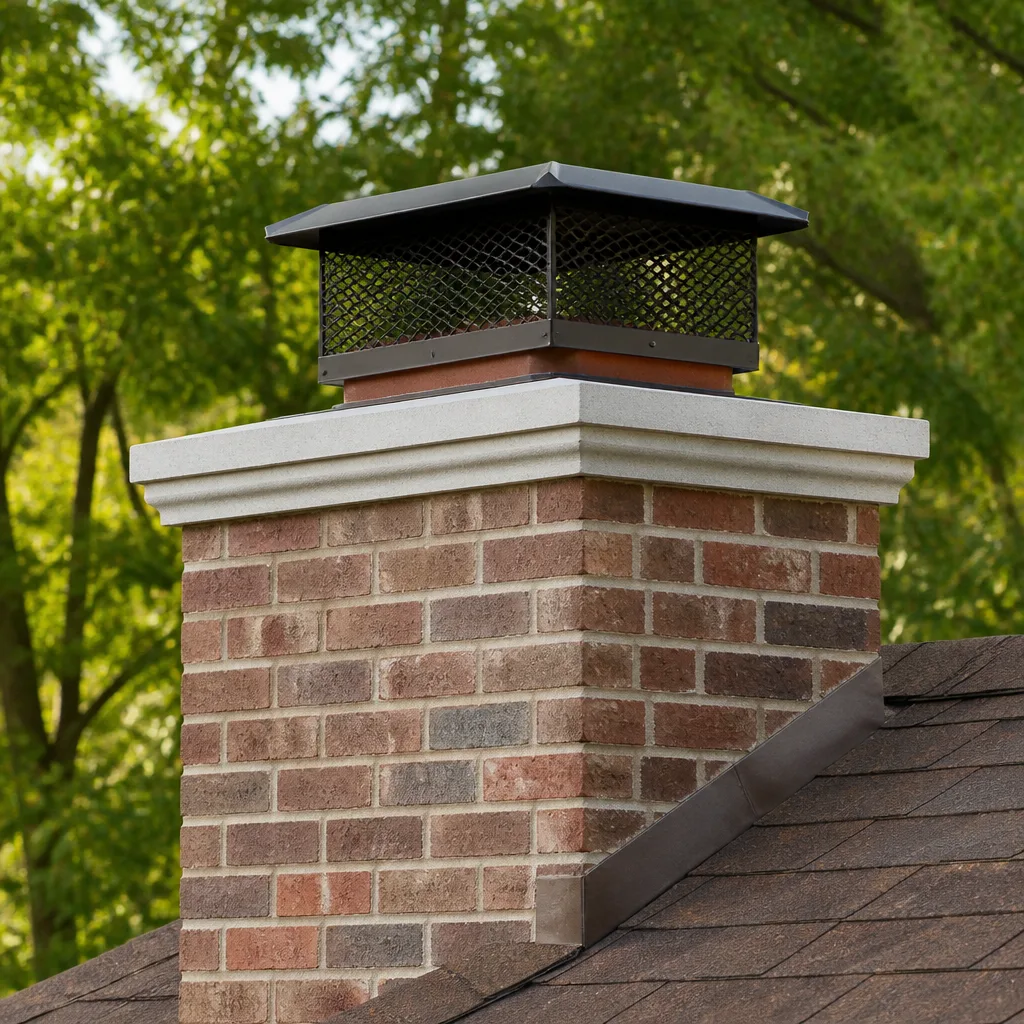 Caps & crowns
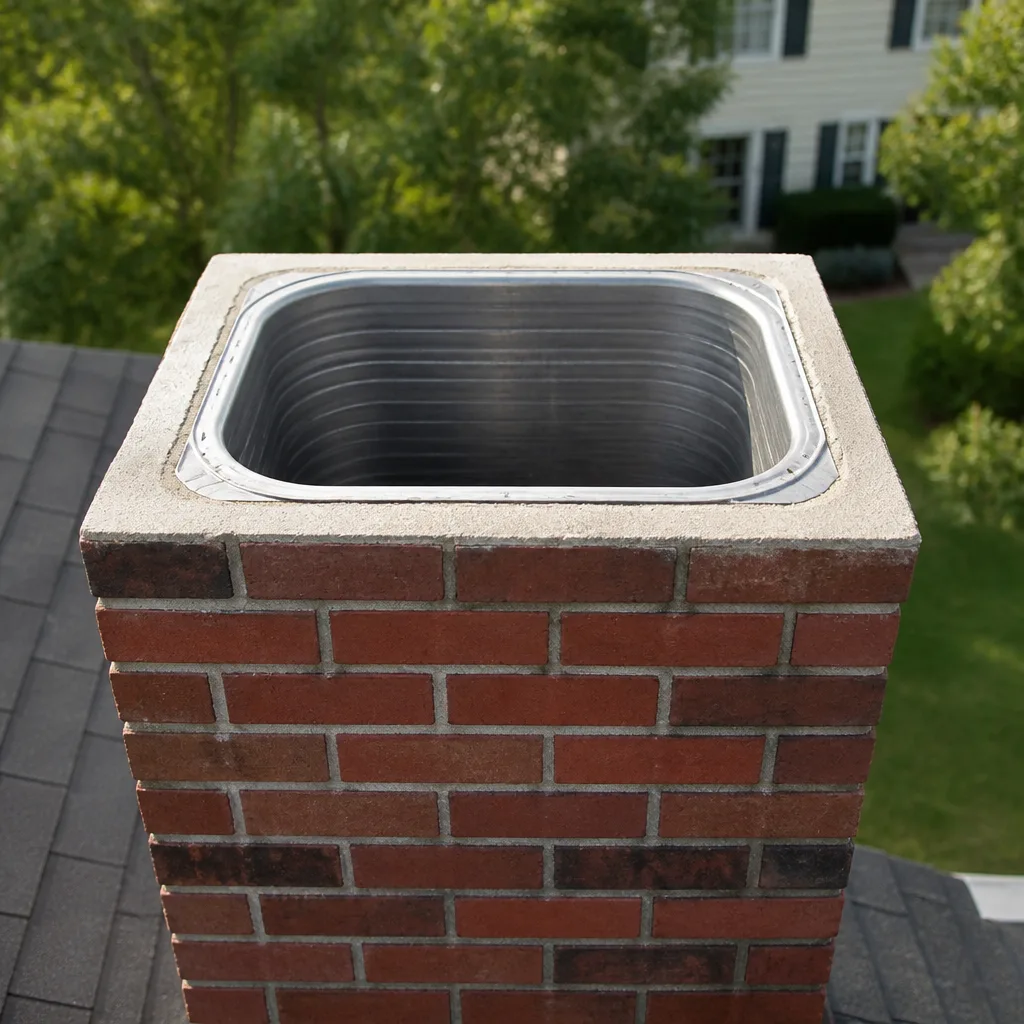 Flue relining
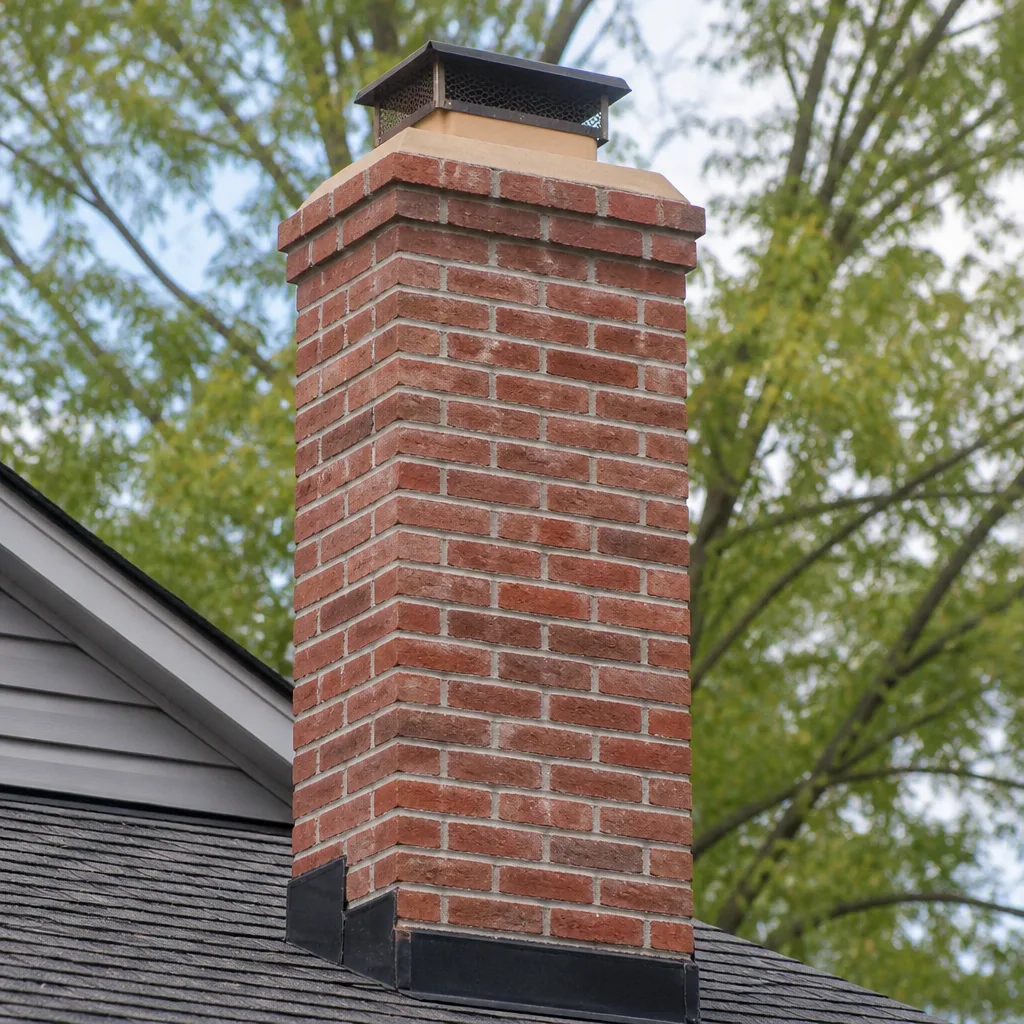 Masonry repair
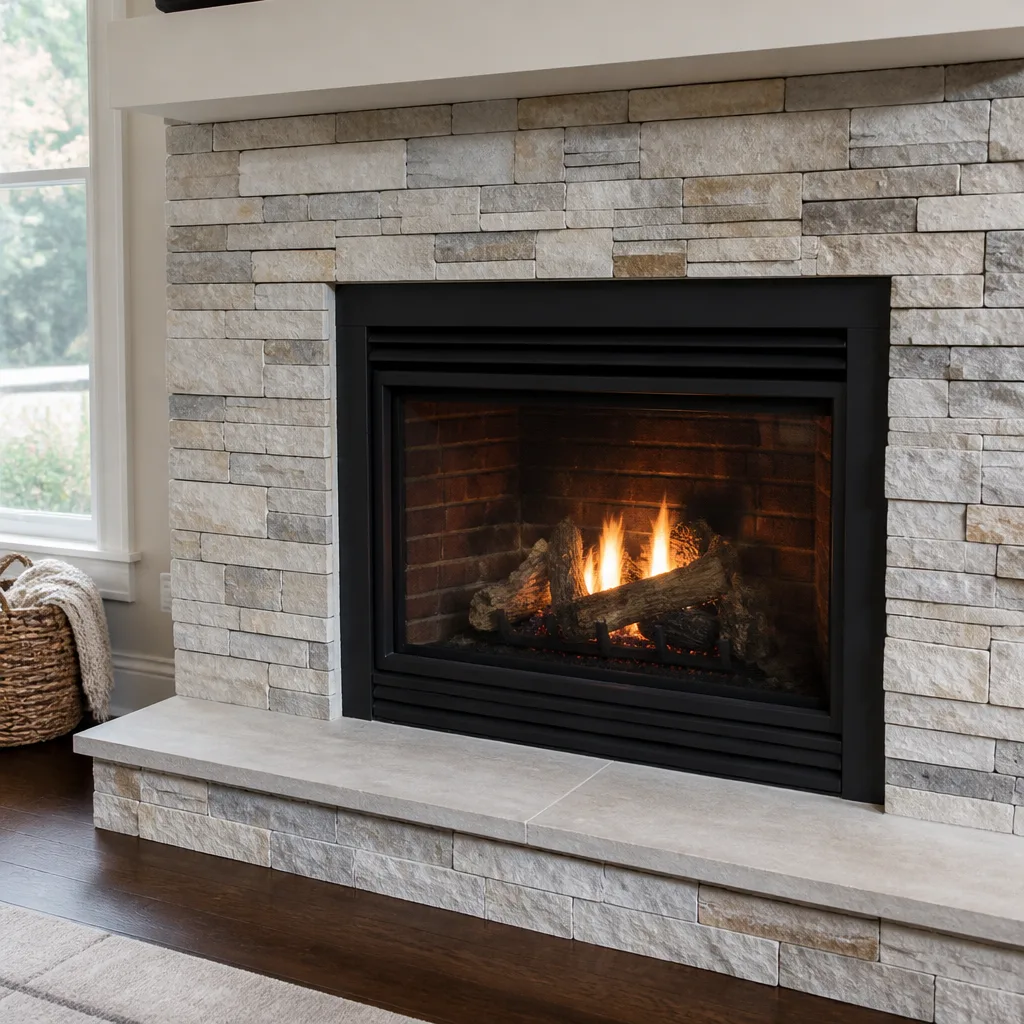 Gas fireplace service
Level 1 sweep and inspection to the NFPA 211 annual standard - flue, crown, cap, and flashing checked and photographed
Chimney sweep logs do not sweep chimneys. They loosen some creosote - which then falls where a brush and vacuum still have to collect it.
Chimney Sweep Maintenance Schedule: What to Do and When
If you burned fewer than four cords of wood last year, your chimney’s biggest threat isn’t creosote. It’s the mortar, the cap, and the animals that moved in during your off-season. The annual sweep reminder that shows up in the mail assumes everyone burns the same way, and in Glendale most of us don’t. Some homes run a gas log set for ambiance, some light a wood fire a dozen evenings a year, and some burn hard through our short season. This guide builds a maintenance schedule around what you actually burn and how often, covering pre-season timing, what you can check yourself, and which tasks need professional-grade materials.
Quick Answer
A chimney maintenance schedule should be set by usage, not by the calendar alone. Gas log sets need an annual inspection and cleaning roughly every other year, occasional wood burners under two cords a year need one sweep and inspection annually, and high-use wood fireplaces need sweeping based on buildup, often once a season plus a mid-season check. In Glendale, the right time to schedule is September, after monsoon debris settles and before the December fire season.
Styles & brands we work with
- Sweep & inspection
- Caps & crowns
- Flue relining
- Masonry repair
- Gas fireplace service
Table of Contents
- Why a One-Size-Fits-All Schedule Fails in Glendale
- Scheduling by Usage: Gas, Occasional Wood, and High-Use Fireplaces
- Why September Is the Right Month for a Glendale Sweep
- What Homeowners Should Check Between Professional Visits
- Tasks That Need Industry-Grade Materials vs. What You Can Do Yourself
- How to Document Chimney Condition Year Over Year
- The Annual Chimney Maintenance Checklist, Step by Step
- Common Mistakes to Avoid
- When to Call a Professional
- Frequently Asked Questions
Why a One-Size-Fits-All Schedule Fails in Glendale
Most chimney advice is written for places with long, cold winters and houses that burn steadily from October to April. Glendale isn’t that. Our burn season is short, our winters are mild, and a lot of homes have fireplaces that see a fraction of the use they were built for. A generic annual sweep reminder treats all of them the same, and that’s where it goes wrong.
When a fireplace sits idle for months, different problems develop than when it burns daily. The flue has time to accumulate moisture from the outside air. The cap screen collects debris and eventually fails. Birds and squirrels find an unused chimney appealing and move in. Mortar joints at the crown, exposed to sun and our dry air year after year, start to crack. None of these show up on a creosote-focused schedule, and all of them can mean trouble when you finally light that first fire.
The other side of the coin matters just as much. If you burn several cords of wood through December and January, creosote buildup can reach a stage where a sweep is needed mid-season, not just once a year. Glendale homes with actual burning fireplaces need eyes on the flue during the season, not just before it.
That’s why a maintenance schedule here has to be built from three inputs: what you burn, how much, and what shape the chimney structure is in. We’ve seen enough Glendale chimneys to know the generic calendar ignores all three.
Scheduling by Usage: Gas, Occasional Wood, and High-Use Fireplaces
The first step in building your schedule is honest categorization. Which describes your fireplace?
Gas log sets. Gas burns cleaner than wood, but it isn’t maintenance-free. Gas logs produce moisture and can leave a light deposit in the flue. The venting and the appliance itself need checking. An annual inspection catches venting problems, debris, and animal intrusion, and a cleaning is usually needed roughly every other year unless you notice an issue. Glendale homes that run a gas log set for winter ambiance fall here.
Occasional wood burners (under two cords a year). This is most wood-burning Glendale fireplaces. The flue builds creosote slowly, but the chimney structure takes the brunt of our climate the rest of the year. Schedule one professional sweep and inspection each year, in September, and don’t skip it just because you didn’t burn much.
High-use wood fireplaces. If you burn two or more cords in a season, buildup happens faster than an annual sweep can track. Plan a pre-season sweep in September and a mid-season check once you’re burning regularly, then a second sweep at the end of the season if buildup warrants it. The precise interval depends on what you burn and how hot the fire runs; a full inspection tells you where you stand rather than guessing.
- Gas: annual inspection, cleaning about every other year.
- Occasional wood (under 2 cords): one sweep and inspection each year, September.
- High-use wood (2+ cords): pre-season sweep, mid-season check, end-of-season sweep if needed.
- Any fireplace, idle or not: inspect the structure annually regardless of usage.
Why September Is the Right Month for a Glendale Sweep
The instinct is to book a sweep in November, right before the holidays and the first cold evenings. In Glendale, September is the smarter month, and the reason comes down to what happens between summer and winter.
Our monsoon season runs through the summer and into early fall, and it drops debris into chimney caps and screens. Leaf litter, twigs, and grit collect on top of the cap screen and work their way into the flue opening. If you sweep in November, all of that sits there through the fall, and any animal that found the opening inviting has had months to settle in. A September sweep clears the summer debris and closes the chimney off before the season starts.
September also gives you a buffer. If the inspection turns up a cracked crown, a failing cap, or a damaged liner, you have time to schedule chimney repair before December, when the first genuinely cold evenings settle in and everyone else wants their chimney looked at. Booking in September means a calmer appointment and time for a proper fix, rather than a rushed one when the fire weather arrives.
The final piece is the burning itself. Our real fire weather tends to arrive in December, so a September cleaning means the flue is clean, dry, and inspected well before the first fire. If you’re in Glendale and you aren’t sure whether September or later fits your situation, a quick call settles it. You can find more about how we handle a chimney sweep and the timing behind it.
What Homeowners Should Check Between Professional Visits
A professional sweep once a year is the backbone of chimney care. But a lot can happen between visits, and a few minutes of checking on your own catches problems early. These checks are about observation, not repair. If something looks wrong, note it and mention it when you book the inspection.
The cap and screen. From the ground, look at the top of the chimney. The cap should be intact and sitting level, and the screen should be free of matted debris. Torn or rusted screen is a sign animals can get in and sparks can get out.
The crown. The crown is the concrete surface at the very top around the flue. Look for visible cracks or crumbling edges. A cracked crown lets water into the chimney, and in our dry climate it’s more often sun exposure and age than freeze damage that does the harm.
The damper seal. Inside the firebox, the damper should sit closed with a snug seal. If light shows around the edges or you can feel a draft when it’s shut, the seal needs attention. A poorly sealed damper wastes heat and lets cold air and pests in during the off-season.
The firebox interior. Look at the firebrick and mortar. Cracks in the firebox lining and crumbling mortar joints are both worth flagging. Don’t try to fill major cracks with fireplace caulk; note them and have them assessed.
The flue, from the base. Look up into the flue from the firebox with a flashlight. You’re checking for obvious blockage (nests, debris), heavy soot, and any glazed creosote. If you see a shiny, hardened glaze, that’s a professional call.
None of these checks requires climbing a ladder or reaching into the flue. Height work on a roof is best left to trained professionals, so keep your checks to what you can see safely from the ground and the firebox. If you’re in Glendale and want a proper look at the whole system, the team handles a full chimney sweep and inspection in Glendale and the surrounding area.
Tasks That Need Industry-Grade Materials vs. What You Can Do Yourself
Not every chimney task is a professional job, and it helps to know the line. Some tasks are safe and sensible for a careful homeowner. Others need industry-grade materials and a trained installer, and trying to shortcut them costs more in the end.
What you can reasonably do yourself:
- Keep the cap screen clear of leaves and debris with a long-handled brush from the ground.
- Keep the area around the fireplace and hearth clear and free of stored items.
- Clean ash out of the firebox after the firebox is fully cold.
- Check and note the condition of the cap, crown, damper, and firebox as described above.
What needs professional-grade materials:
- Liner restoration. A worn flue liner gets resurfaced, and there’s a right way and a wrong way. We use HeatShield, an industry-standard resurfacing system, because it’s what professional chimney technicians specify for liner restoration. DIY sealants don’t offer the same documented performance or backing.
- Relining. When a liner needs replacing rather than resurfacing, a flexible liner system matters. We install DuraFlex liner systems, a product line trusted by chimney professionals. The fit and the documentation are what make a relining job last.
- Crown repair. A cracked or crumbling crown needs proper materials and application. We work with brands like Copperfield and Famco for components that carry documented specs and manufacturer backing.
- Damper and cap replacement. These are manufactured parts. A properly fitted, branded component is what you want, not a hardware-store approximation.
This is where a materials-first approach pays off. Chimney repair done with name-brand materials you can look up, rather than mystery compounds, is repair you can actually stand behind. Sweep, inspect, and repair handled start to finish without a handoff means nobody’s guessing at what was done. We use these brands because they’re what professional chimney techs specify, not because they’re the cheapest option. If you’re in Glendale and want to know what your liner needs, a full chimney repair assessment starts with the inspection.
How to Document Chimney Condition Year Over Year
A chimney changes slowly. That’s exactly why documentation matters. If you don’t have a record of what your chimney looked like last year, a new crack or a thinning liner seems to appear out of nowhere. With a record, you can see whether a condition is stable or getting worse, and decide what actually needs doing now versus what can wait.
When you get a sweep and inspection, you should leave with a written record, not just a verbal summary. Here’s what to keep:
- The inspection report. A good inspection tells you what was found, in plain language. Keep the report, and ask for the parts that matter: the flue condition, the crown, the cap, the damper, and the firebox.
- Photos. A camera inspection and photo report included with the visit gives you images of the flue and the key components. Compare them year to year. This is what turns a vague “the liner looks worn” into a clear “the liner is worn by this much, in this spot.”
- A short note on usage. Jot down roughly how much you burned and what you burned each season. That record tells you whether your schedule needs to tighten or can stay steady.
- Repair records. If something was repaired or replaced, note what was done, when, and with what material. Brand-name components come with traceable specs, which helps the next inspection.
With that file, you can spot trends. A crown crack that hasn’t changed in two years is a watch item. A crack that’s grown is a call. Photos that show gradual changes let you make a calm decision instead of a reactive one. If you’re in Glendale and want a proper record of your chimney’s condition, we can start you off with a full inspection of the system in Glendale.
The Annual Chimney Maintenance Checklist, Step by Step
Here’s the full schedule put into order. This is what a year of chimney maintenance looks like in Glendale when it’s built around your actual usage.
- Late summer (August to early September): clear the cap and screen. Check for summer debris from monsoon season, and clear what you can safely reach from the ground.
- September: book the professional sweep and inspection. This clears the flue and puts eyes on the crown, cap, damper, firebox, and liner before the season starts.
- September: review the inspection report and photos. Decide what needs repair now, what can wait, and what to check again next year. Schedule any repair with time to spare before December.
- November: do a homeowner check. Re-confirm the cap screen, crown, and damper seal. Make sure the firebox is clear and the area around the hearth is clean.
- December and mid-season: burn and watch. If you’re a high-use burner, watch for buildup and call for a mid-season check when you’re burning regularly. Notice any smoke in the room or a weak draft.
- End of season: clean out the firebox. Once it’s fully cold, remove ash and soot. Check the firebox and flue one last time from the base.
- Year-round: keep the file. Store the report and photos with your home records, and note usage.
Common Mistakes to Avoid
- Treating all fireplaces to the same schedule. A gas log set and a two-cord wood burner don’t accumulate problems at the same rate. Set the schedule by usage, not by a generic card in the mail.
- Skipping the sweep because you barely burned. In Glendale’s mild climate, the structure takes the brunt of the wear during the off-season. Low use doesn’t mean no inspection.
- Booking the sweep in November. That leaves summer debris sitting in the cap all fall and pushes you toward the December rush. September is the better month.
- Filling a firebox crack or a liner problem with a hardware-store sealant. Liner restoration and crown work need proper materials like HeatShield or Copperfield, not a caulk-and-hope fix that fails quietly.
- Doing roof-level work yourself. Checking the cap and crown from the ground is sensible. Climbing to reach the top is height work best left to trained professionals.
- Not keeping records. Without a report and photos from a year ago, you can’t tell a stable crack from a growing one, and every observation becomes a surprise.
- Ignoring the cap and damper. The biggest threats to a low-use chimney are outside the firebox: the cap, the crown, the damper seal, and animals moving in. Check them.
When to Call a Professional
Some situations are a straightforward schedule item; others mean you stop and make a call. Call a professional if you see glazed, shiny creosote in the flue, cracks in the firebox lining or mortar, a damaged or missing cap, a crown that’s cracking or crumbling, or a damper that won’t seal. Call if you smell smoke inside the house while burning, if the fire drafts weakly, or if you’ve seen signs of birds or animals in the chimney. Call if it’s been more than a year since your last inspection, or if you just moved into a Glendale home and don’t know its chimney history. When it’s time for a full look at the system, Chimney Sweep Glendale offers free estimates in Glendale. Call (833) 734-6139. We answer 24/7, with fast dispatch from 7am to 7pm, Sunday through Friday. Our technicians have up to 8 years of experience.
Frequently Asked Questions
Most homes need one professional sweep and inspection each year, scheduled in September, and gas log sets need about every other year unless an issue appears. High-use wood burners should add a mid-season check and another sweep at the end of the season if buildup warrants it. The right interval depends on what you burn and how much, not the calendar alone. Call (833) 734-6139 for an exact quote; estimates are free.
No. Low use means less creosote, but the chimney structure still takes the wear from our climate during the off-season. Mortar cracks, cap failures, animals, and damper seal problems all develop whether you burned or not. An annual inspection is the way to catch them before they become expensive. Call (833) 734-6139 for an exact quote; estimates are free.
September is the best month here. It clears the summer monsoon debris and closes the chimney off before the season starts, and it leaves time for any repair before December fire weather arrives. Booking later leaves debris sitting in the cap all fall and puts you in the December rush. Call (833) 734-6139 for an exact quote; estimates are free.
Yes. Gas burns cleaner than wood, but the appliance and venting still need an annual inspection, and a cleaning about every other year. Gas logs produce moisture that can affect the flue over time, and animals can find an idle vent just as easily as a wood flue. Call (833) 734-6139 for an exact quote; estimates are free.
You can safely do the observation-level checks: keeping the cap screen clear, cleaning out cold ash, and checking the cap, crown, damper seal, and firebox from the ground and the firebox. Liner restoration, relining, crown repair, and damper or cap replacement need proper materials and a trained installer. Call (833) 734-6139 for an exact quote; estimates are free.
A sweep should leave you with a written inspection report and photos, not just a clean flue. Those records let you compare condition year to year so a repair is never a surprise, and they tell you plainly what was found. If a report seems vague, ask questions until it’s clear. Call (833) 734-6139 for an exact quote; estimates are free.
The Bottom Line
Your chimney maintenance schedule should be built from what you burn and how much, not a generic calendar. In Glendale, that means a September sweep and inspection for most homes, a lighter schedule for gas log sets, and a mid-season check for high-use wood burners. The biggest threats to a low-use chimney come from the cap, the crown, and the damper, so check those between professional visits and keep a written record year over year. When repair is needed, brand-name materials like HeatShield and DuraFlex make the difference. We use them because they’re what professional chimney techs specify. Call (833) 734-6139 for a free estimate. We answer 24/7, with fast dispatch from 7am to 7pm, Sunday through Friday.
Written by the team at Chimney Sweep Glendale.
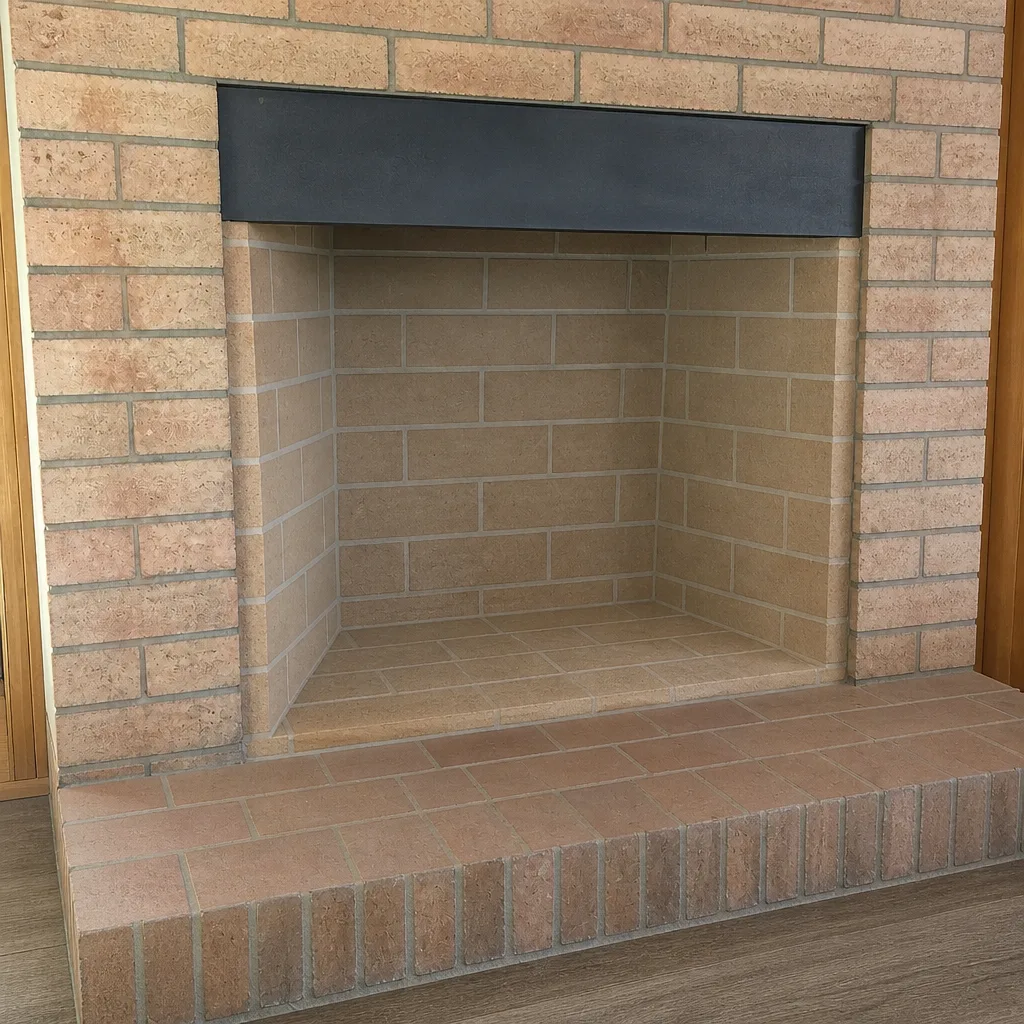
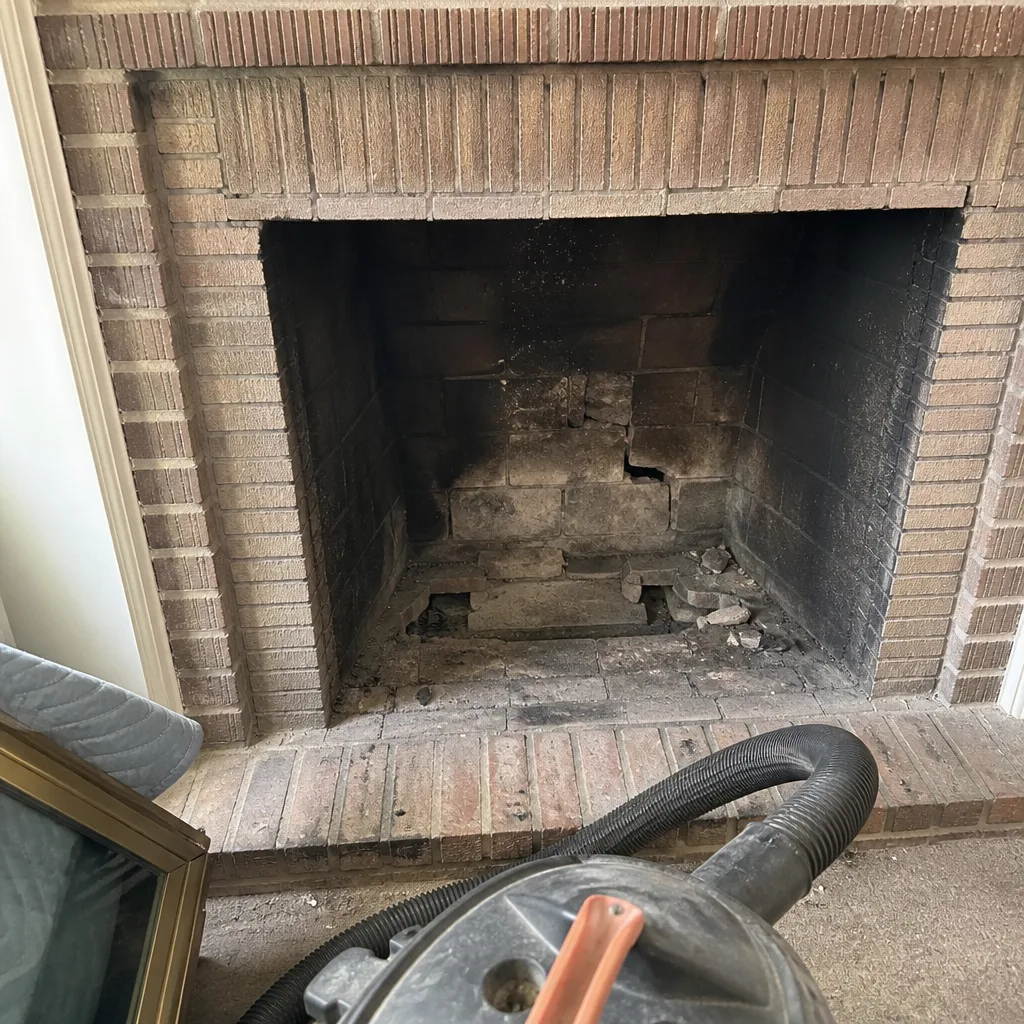
See the difference
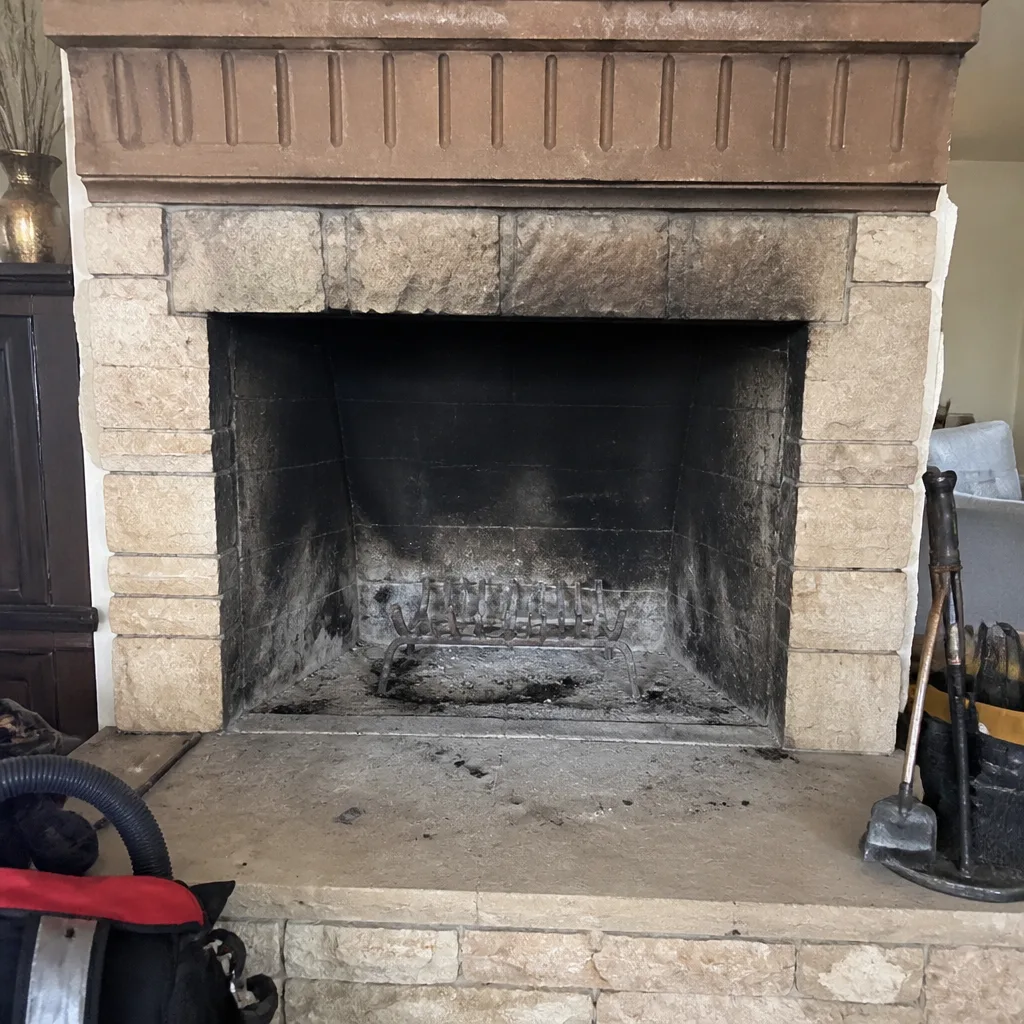 Before
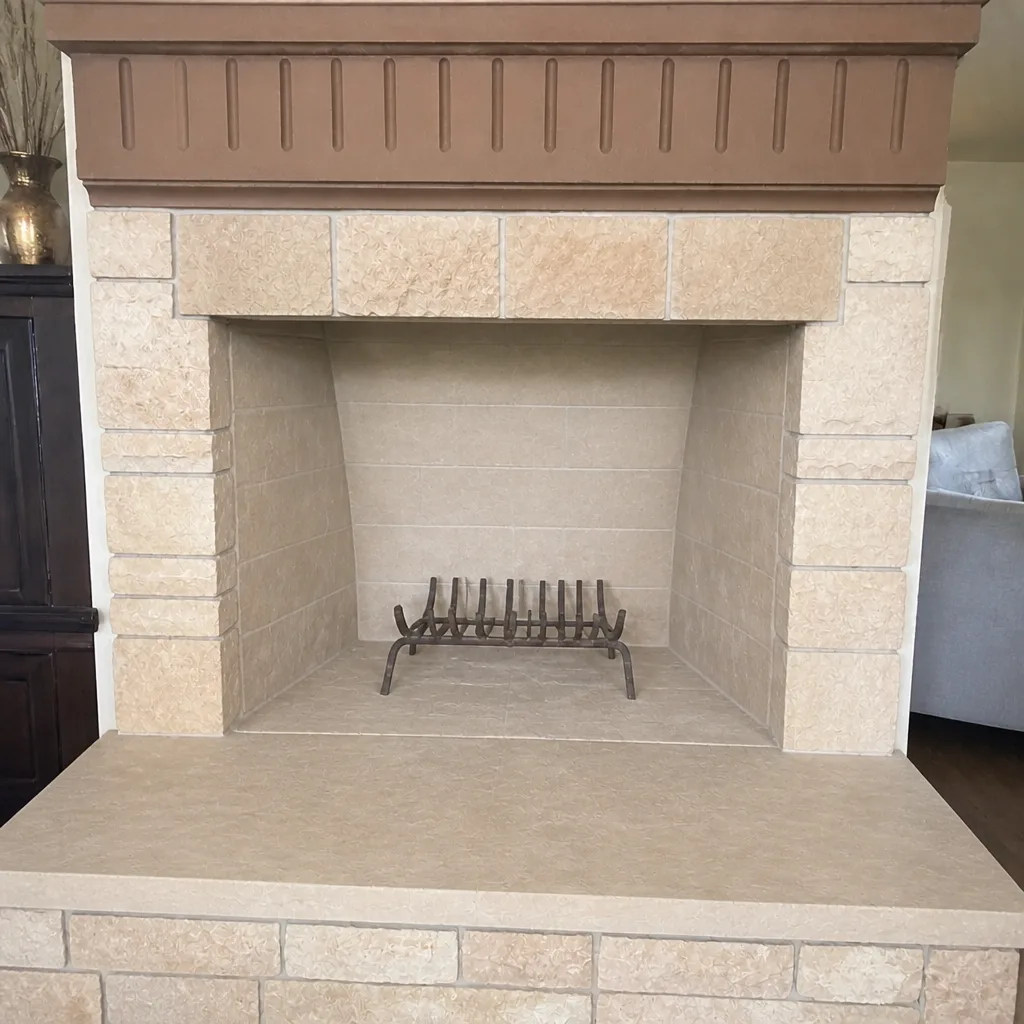 After
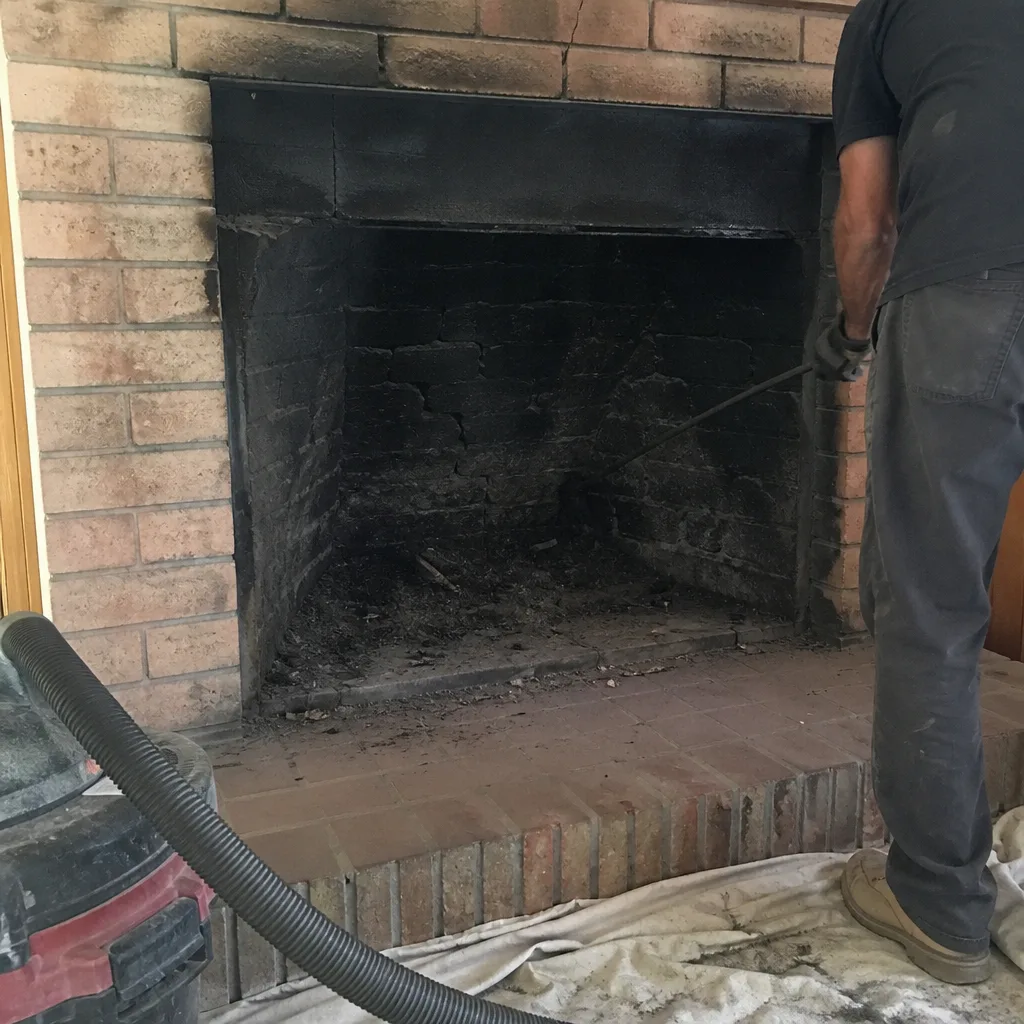 Before
 After
 Before
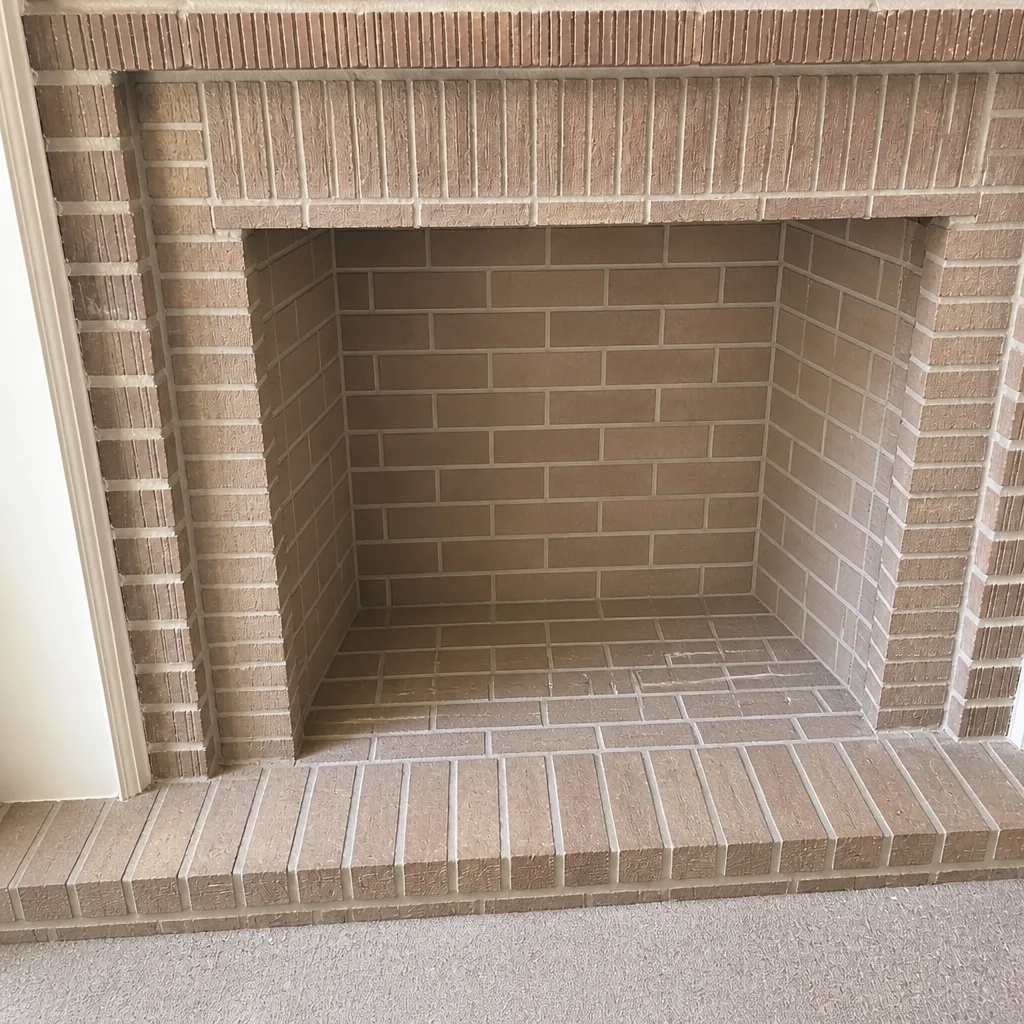 After