
Last updated November 15, 2026
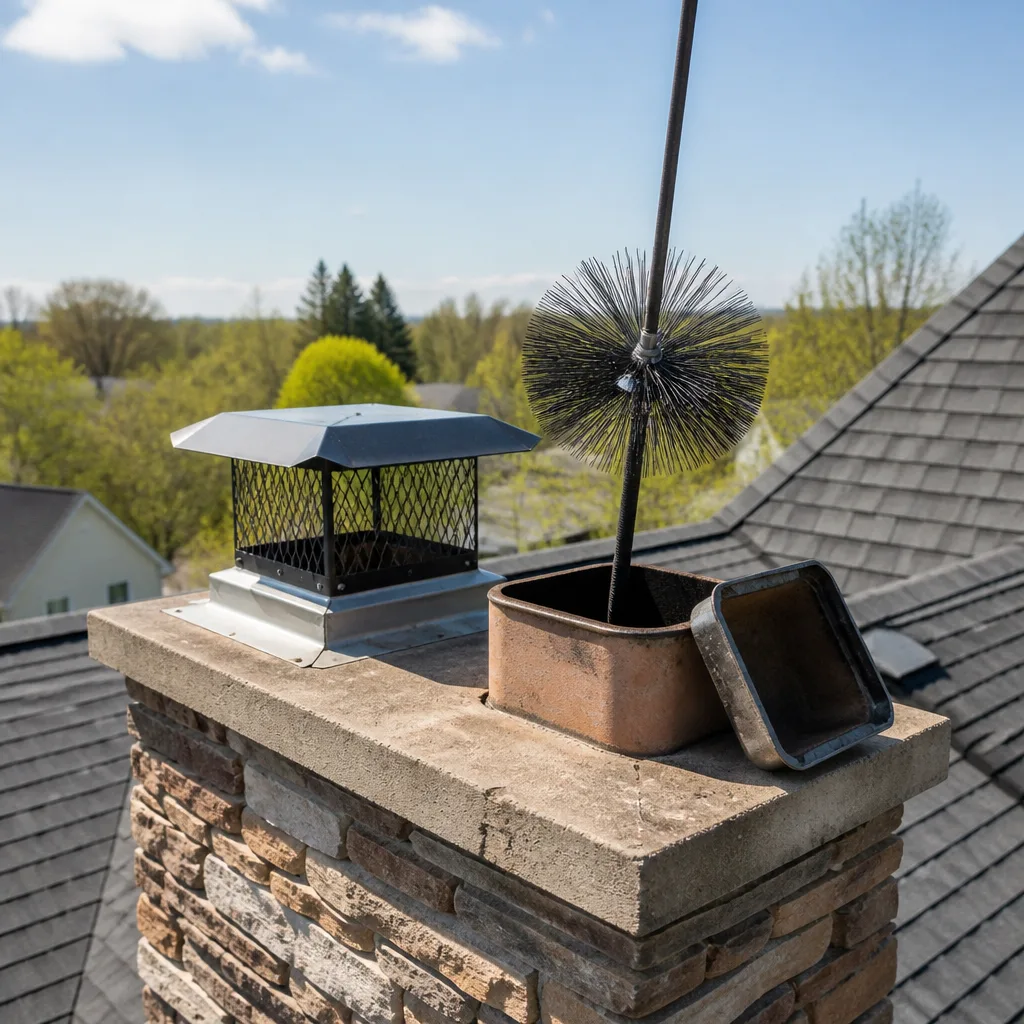 Sweep & inspection
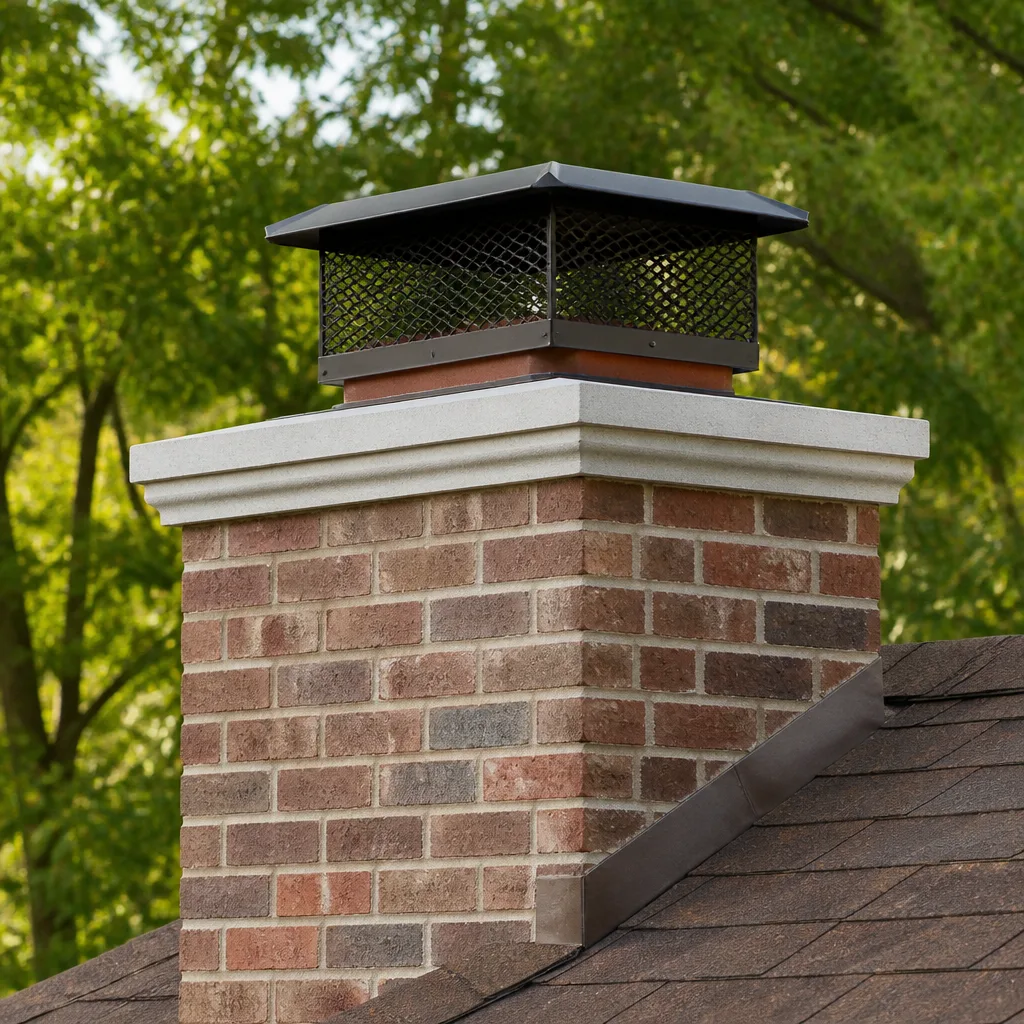 Caps & crowns
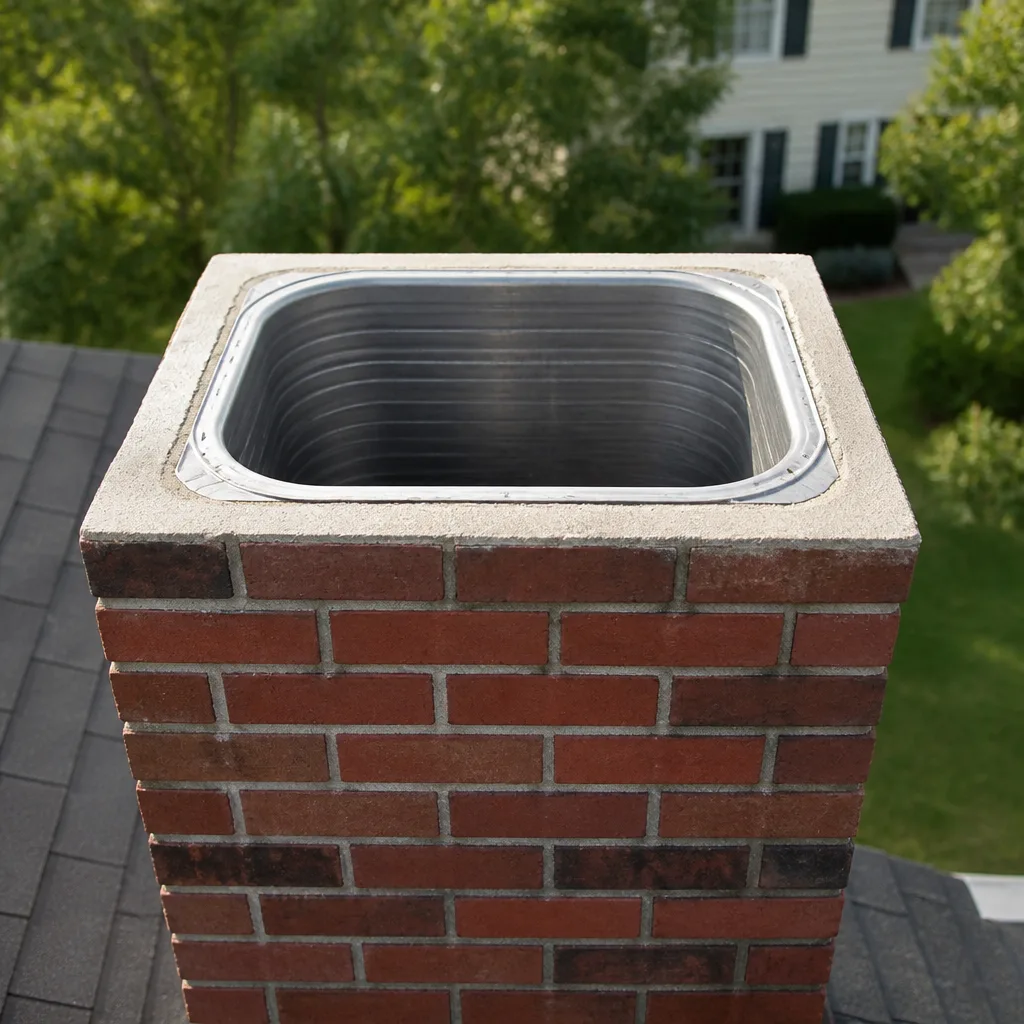 Flue relining
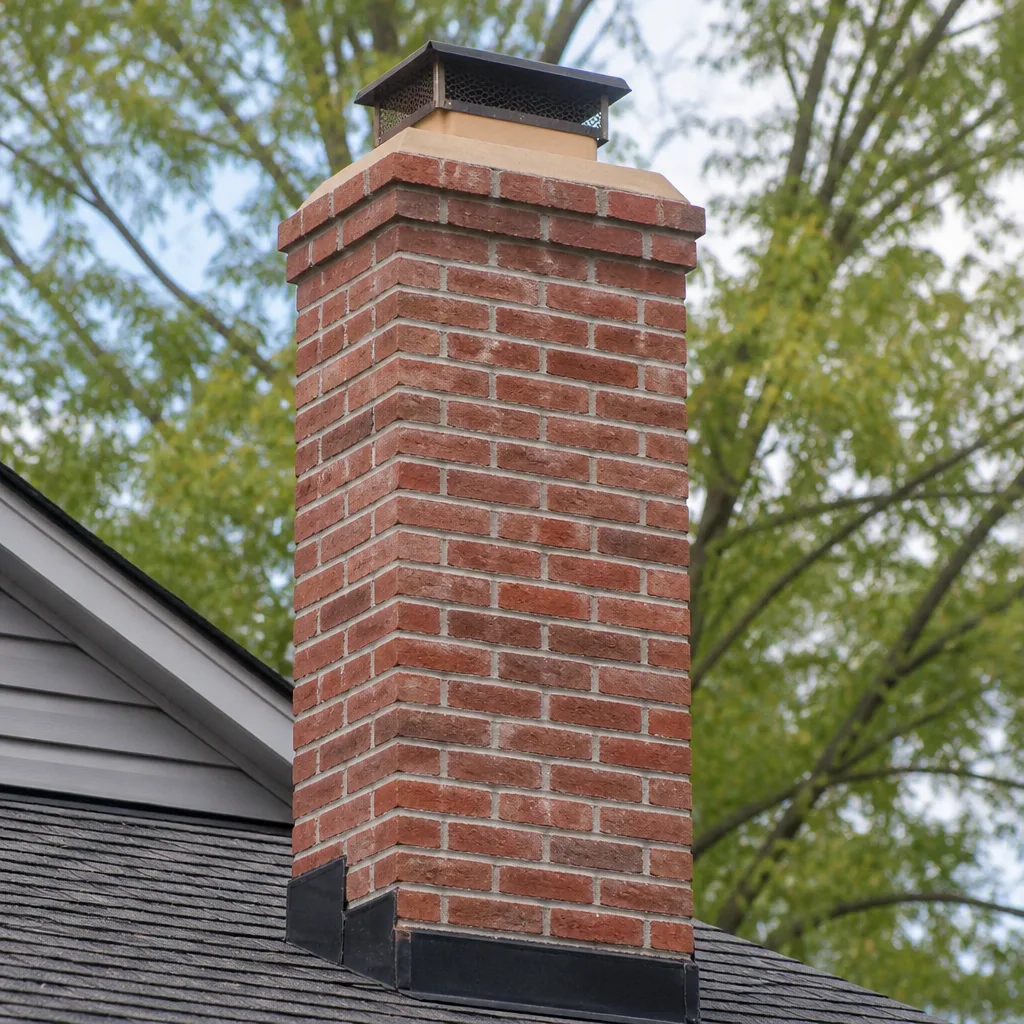 Masonry repair
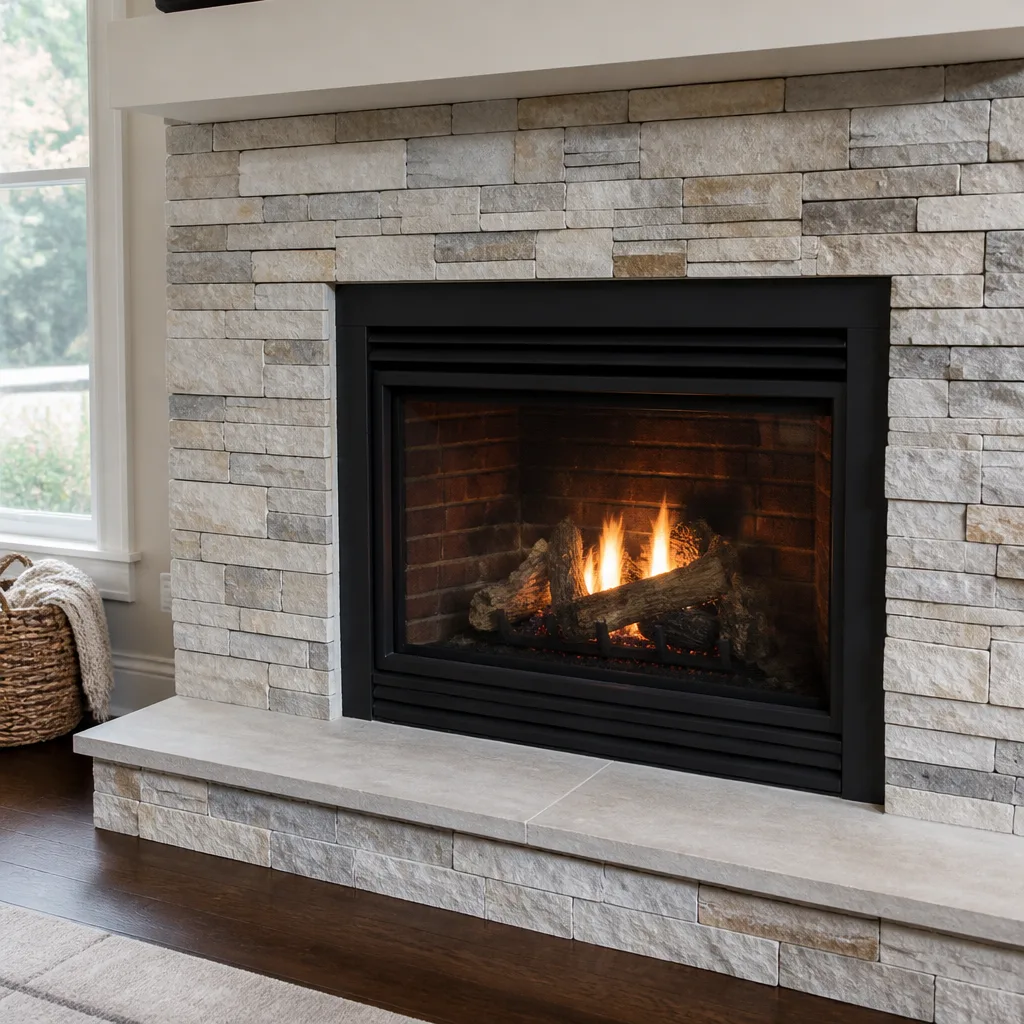 Gas fireplace service
Level 1 sweep and inspection to the NFPA 211 annual standard - flue, crown, cap, and flashing checked and photographed
Chimney sweep logs do not sweep chimneys. They loosen some creosote - which then falls where a brush and vacuum still have to collect it.
The Complete Guide to Chimney Cleaning in Glendale
Most Glendale homeowners burn fewer than 15 fires per year. You’d think that makes a chimney sweep optional. In our experience, it doesn’t. A lightly used chimney in Glendale fails inspection at rates comparable to heavy-use systems in colder states, and the reasons have almost nothing to do with firewood volume. Infrequent burning is its own risk category. The fire sits idle for nine months, the flue stays open, the desert does its work, and then the first cold night arrives. This guide covers what actually happens inside a Glendale chimney, why creosote still forms at low burn counts, how monsoon season loads a flue while it’s sitting unused, and what a professional cleaning appointment looks like from arrival to written report.
Quick Answer
Chimney cleaning in Glendale means removing soot, creosote, and the debris a desert summer pushes into an idle flue, then inspecting the system to confirm it’s safe to burn. A typical appointment includes a Level 1 or Level 2 inspection, mechanical sweeping with a camera check, and a written report of what was found. Most Glendale homes need it roughly once a year, based on condition rather than fire count.
Styles & brands we work with
- Sweep & inspection
- Caps & crowns
- Flue relining
- Masonry repair
- Gas fireplace service
Table of Contents
- Why Low-Use Fireplaces in Glendale Still Need Cleaning
- What Monsoon Season Does to an Idle Chimney
- Creosote Stages: What Stage 1, 2, and 3 Actually Mean
- CSIA Inspection Levels and When Each Applies
- What a Cleaning Appointment Looks Like Start to Finish
- Component-Grade Materials vs. Generic Substitutes
- What Chimney Cleaning Costs in Glendale
- Common Mistakes to Avoid
- When to Call a Professional
Why Low-Use Fireplaces in Glendale Still Need Cleaning
Here’s the part that surprises people: a chimney is not a passive pipe. It’s a system that reacts to every burn cycle and every stretch of neglect. In Glendale, the pattern looks different from the national advice you’ll read online, and that’s exactly why local conditions matter.
When you burn occasionally, you tend to burn less efficiently. A fire that gets lit for a few hours, run hot and fast, and then left to die creates a different deposit profile than a fire that runs all evening. Cooler flue gases, shorter burn durations, and repeated cold starts all favor incomplete combustion. Incomplete combustion produces creosote, and creosote sticks. National guides assume a heavy-burn household in a cold climate where the flue stays warm and the fire runs long. A Glendale fireplace burns a handful of times in December and January, and then nothing until the next winter. That’s a low-use pattern that still deposits.
There’s a second, quieter factor. Glendale winters are mild, so many homes switch between a wood-burning fireplace and a gas appliance or skip the fire altogether. A flue that never gets properly warmed, never gets a strong draft, and sits open for months is a flue where deposits harden slowly and debris settles. Soot you’d expect to burn off in a hot fire stays put.
Our technicians have up to 8 years of experience, and the pattern we see in Glendale homes is consistent: light use, deposits present, flue liners stressed from heat cycles and summer conditions. The cleaning need isn’t about how much you burn. It’s about what the system does between burns.
If you’ve been putting off a sweep because “we hardly ever use it,” that’s the exact reason to book one.
What Monsoon Season Does to an Idle Chimney
Monsoon season is the single biggest difference between chimney care in Glendale and chimney care in most of the country. From roughly July through September, wind, dust, and driven rain move through the Valley, and an uncovered chimney is a wide-open target.
Here’s what we find inside flues that sat open all summer:
- Blown dust and fine particulate. Desert dust is fine and abrasive. Wind-driven, it settles on flue walls and mixes with existing soot to form a crust that a homeowner can’t sweep out with a brush on a rod.
- Insect and bird nests. An open flue with a rain cap missing or damaged is a sheltered cavity. Nests block draft, and a blocked flue is a carbon monoxide path into the living space.
- Windborne debris. Leaves, twigs, palm fronds, and roofing granules end up in the firebox or on the smoke shelf. Some of it burns; some of it sits and smolders.
- Moisture intrusion. Driving rain enters the flue and interacts with creosote and masonry. Repeated wetting and drying is hard on older flue tile and mortar joints.
The compounding problem: a chimney that sits idle through monsoon season is a chimney with debris in it by autumn. When you light the first fire, that debris burns or melts and combines with fresh soot. The first cold-night fire of the season is often the dirtiest, and it’s the one people skip the inspection before.
Fall is the right time to schedule a sweep in Glendale. Get the summer debris out before the burning season, and confirm the cap and crown survived the storms. We can sweep and inspect the same visit, and our written report tells you what we found in plain language: what came out of the flue and whether the system is clear.
Creosote Stages: What Stage 1, 2, and 3 Actually Mean
Creosote is not one thing. It’s a family of deposits that form under different burn conditions, and the stage determines how it gets removed. Here’s the plain-language version.
- Stage 1: Sooty, flaky, light. Usually a thin dusting of black or gray soot with some flaky creosote. Removable with standard brushes and a thorough sweep. Most lightly used Glendale chimneys sit here or at the low end of Stage 2.
- Stage 2: Hard, glossy, crusty. This is where the chimney starts to fail inspection. Stage 2 creosote is denser, bonded to the flue wall, and may need mechanical removal beyond a standard brush. It can look like shiny black tar or a rough, brittle crust depending on how it formed.
- Stage 3: Glazed, dense, tar-like. The most serious stage. Glazed creosote has undergone repeated heating and cooling, has bonded hard to the liner, and is highly combustible. Removal generally requires a more involved process or a liner restoration or replacement, depending on the liner’s condition.
Why does a low-use Glendale chimney produce Stage 2 at all? The same reason a cold fire does it anywhere: cool flue gases, incomplete combustion, and prolonged idle periods. A fire that gets lit on a December evening and dies down while the flue is still cool deposits differently from a fire that runs continuously. And Glendale’s short burning season means deposits aren’t repeatedly burned off between fires.
The stage matters because it changes the plan. If a sweep removes Stage 1 deposits and the liner checks out, you’re done. If deposits are Stage 2 or 3, or if the flue liner has cracks or deterioration, we’ll show you the camera footage and talk through the options. Nothing gets recommended without evidence you can see.
CSIA Inspection Levels and When Each Applies
The Chimney Safety Institute of America (CSIA) defines three inspection levels, and the level should be chosen based on what’s being done to the system, not based on convenience. Here’s how each applies to a typical Glendale home.
- Level 1: Routine Annual Check. A visual inspection of the readily accessible portions of the chimney and flue, done with standard tools. This is the right level for a system that’s burning normally, hasn’t changed, and is being checked each year. If you’re burning firewood in a standard fireplace and nothing has changed, this is usually the match.
- Level 2: The Most Common Upgrade. This adds a camera scan of the flue interior and inspection of accessible areas beyond what a Level 1 covers. It’s appropriate when the system has changed or when there’s any hint of a problem: a new appliance, a recent fire, a chimney fire, a change in fuel type, a property sale, a liner concern, or a debris strike from monsoon storms. In Glendale, after a storm season or a move-in, Level 2 is often the right call.
- Level 3: Diagnostic Depth. This applies when a Level 1 or Level 2 inspection reveals a problem that requires access to concealed areas of the chimney, which may mean removing or opening portions of the chimney structure. It’s diagnostic, not routine, and it’s always tied to a specific concern found in a lower level.
The practical point: an inspector who only ever does Level 1 checks is telling you they don’t need to look inside. For a Glendale chimney that sat through monsoon, the camera is worth the time. On our inspections, the camera footage and a photo report are part of the visit, so you’re seeing the same thing we’re seeing.
For a full look at how our inspection service fits within the Chimney Sweep Glendale scope, that’s where we start on any job. Sweep, inspect, and repair get handled without a handoff to a second contractor.
What a Cleaning Appointment Looks Like Start to Finish
A professional chimney cleaning is a sequence, and knowing the steps takes the mystery out of it. Here’s what to expect on a typical Glendale visit.
- Arrival and setup. We lay drop cloths, set up a containment around the firebox, and connect a vacuum rated for fine soot. Nothing gets started until containment is in place, because soot travels.
- Initial check. Before any sweeping, we look at the firebox, the damper, the smoke chamber, the cap, and the crown. Any obvious obstruction or debris gets noted.
- Sweeping. The flue is swept with the appropriate brushes and rods for the liner material and deposit stage. We work from the top or the bottom depending on the configuration, and the vacuum runs throughout to hold the soot.
- Creosote assessment. As the deposits come out, we assess the stage and note anything that needs more than a sweep, particularly Stage 2 and Stage 3 deposits or glazed areas on the flue walls.
- Camera and inspection. A camera run through the flue shows the liner condition, joints, and any cracks, gaps, or deterioration. This is where the real information comes out.
- Cap and crown check. After a Glendale monsoon, the exterior matters as much as the interior. A missing or damaged cap, a cracked crown, or a loose flashing may explain debris or moisture problems.
- Written report and walk-through. You get a plain-language summary of what was found and what was cleaned. If something needs repair, we show you what we’re looking at and explain the options.
Most appointments follow this sequence in roughly one visit. If a repair is needed, the next step gets scheduled and priced in a written estimate, and nothing gets added without your approval. If work can safely wait, we’ll say so. If it can’t, we’ll show you why in the footage.
Component-Grade Materials vs. Generic Substitutes
Cleaning sometimes uncovers damage that needs a repair: a deteriorated flue, a cracked mortar joint, a failed smoke chamber. When that happens, the materials choice is what determines whether the fix holds. In our work, we specify industry components rather than generic substitutes, and there’s a reason.
When a flue liner needs restoration, we use HeatShield, a resurfacing system the industry has standardized on. It’s a product engineered for the interior of a flue, not a sealant applied and hoped for. When a liner needs replacement, we install a DuraFlex flexible liner system, which is a name you can look up and verify. We also work with Olympia Chimney and Gelco components depending on the job. Each product is documented, specified, and warranted. Generic materials may not come with the spec, and they don’t come with a manufacturer backing you can check.
Why it matters for a Glendale home specifically: heat-stressed flue liners are a real consequence of the local pattern. The liner goes through cold starts and intermittent hot fires, and then sits idle for months. When a liner is already stressed, a repair is best done with a product built for chimney conditions. A patch-the-gaps approach can hold briefly and fail again by the next burning season.
The other half of the materials story is who does the work. We’re a single-trade specialist: sweep, inspect, and repair, all handled by a team that does chimney work and nothing else. When a sweep uncovers a chimney repair need, you’re not handed to a general handyman or a roofing contractor who added chimneys to the list. That continuity matters because the person who saw inside your flue is the same team that plans the fix.
What Chimney Cleaning Costs in Glendale
Pricing for chimney cleaning in Glendale depends on the level of service, the deposit stage, and the condition of the system. The figures below are typical estimate ranges, not fixed prices. The written estimate sets the final number.
- Standard sweep (Level 1 sweep and inspection): the most common job for a lightly used Glendale fireplace with Stage 1 deposits.
- Sweep with Level 2 camera inspection: adds a full camera run and photo report; appropriate after monsoon season, on a move-in, or when the system has any change or concern.
- Heavy deposit removal: Stage 2 or Stage 3 creosote requires more time and mechanical care than a standard sweep.
- Liner restoration or replacement: priced per job based on the inspection findings, with materials and scope specified in writing.
- Masonry or crown repair: priced per job, based on what the inspection shows.
Two things keep the number predictable. First, the estimate is free, and the price is set per job by the written estimate. You know the cost before anything begins. Second, the camera inspection is included with the sweep, so you’re never guessing whether a repair is needed. You see it.
Be wary of anyone who quotes a number without looking inside the flue, and equally wary of anyone who recommends thousands in liner or masonry work without camera evidence. Our approach is simple: nothing is recommended without evidence you can see for yourself, and if work can wait, we’ll tell you it can wait. Call (833) 734-6139 for an exact quote. Estimates are free.
Common Mistakes to Avoid
- Skipping the sweep because of low use. A Glendale fireplace that burns a dozen fires a year still deposits creosote. The absence of heavy use is not the absence of risk.
- Not covering the flue through monsoon season. A missing or damaged cap is an open door for debris and rain. If the cap is gone or damaged, fix it before the next storm season, not after.
- Burning unseasoned wood to stretch the fire. Wet wood burns cool and produces more creosote. It’s a bad trade anywhere and a worse one in a chimney that’s already lightly used.
- Ignoring a chimney fire because it went out. A chimney fire can happen without anyone noticing it in the moment. Any sign of one, or any event you’re not sure about, warrants a camera inspection before the next burn.
- Letting a generalist guess at liner work. A liner that’s cracked or deteriorated is not a patch job with a caulk tube. Ask what product is being used and whether you can look it up.
- Not asking for the inspection report. A sweep that doesn’t leave you with a written record of findings is a sweep you can’t verify. Ask for the photo or written report.
- Assuming a cold fireplace is a safe fireplace. A blocked flue from a monsoon debris load or a bird nest is a carbon monoxide path, whether or not you’ve burned a fire since.
When to Call a Professional
Call a professional when you have any of these: a fire or smoke event you’re unsure about, a chimney that hasn’t been inspected in the last year, a move-in where the system’s history is unknown, a storm season that left debris in the flue, a change in the appliance or fuel type, or a crack or gap you can see in the firebox or smoke chamber. Carbon monoxide is the concern that makes a blocked or damaged flue more than a maintenance item, so any hint of one is a reason to get the system looked at before you burn again. We answer 24/7, with fast dispatch from 7am to 7pm, Sunday through Friday. Chimney Sweep Glendale offers free estimates in Glendale – call (833) 734-6139.
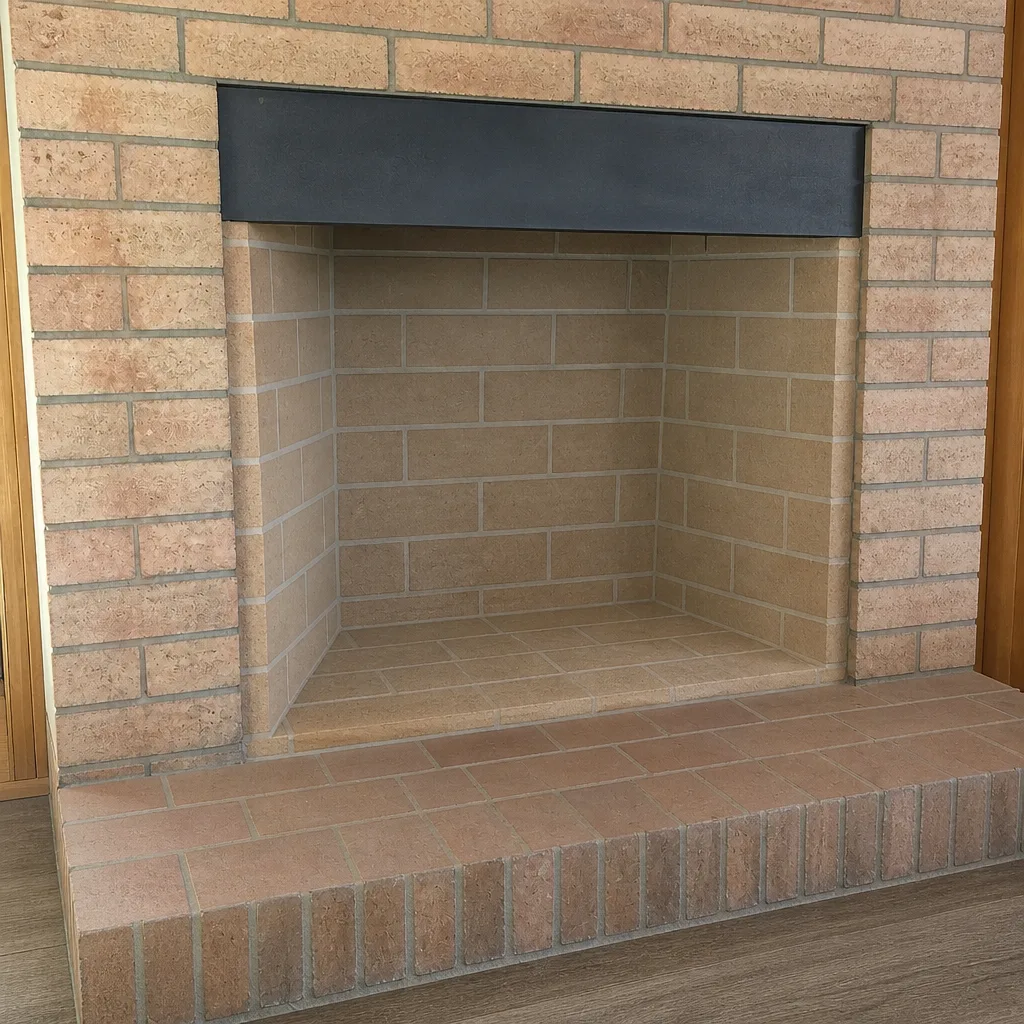
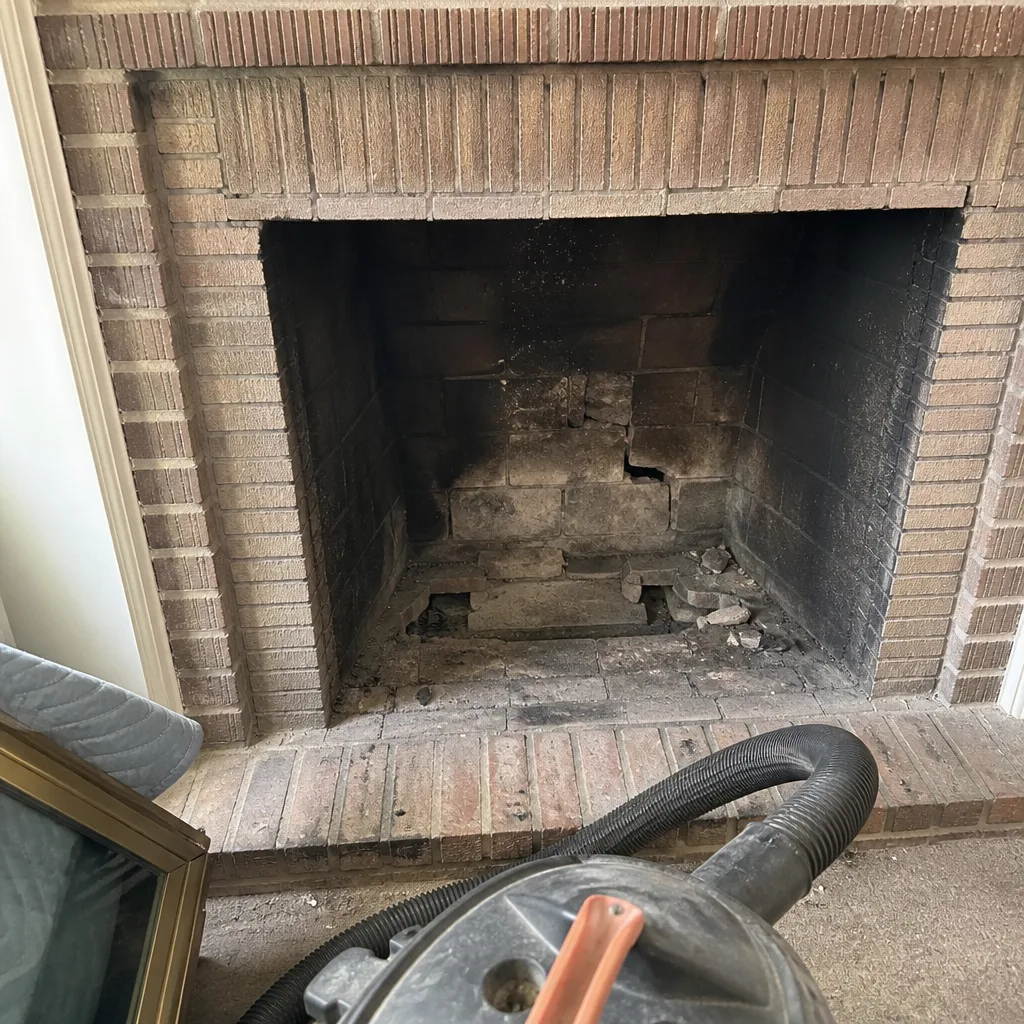
See the difference
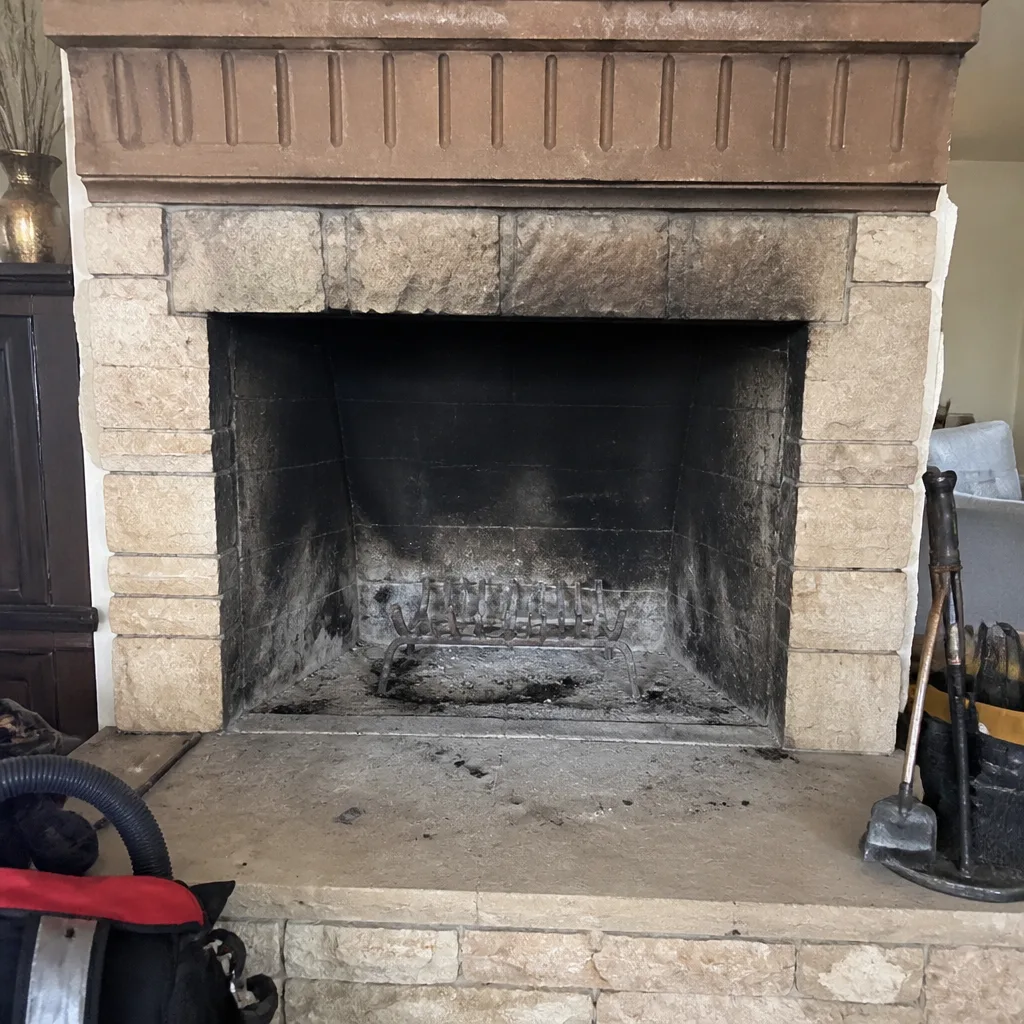 Before
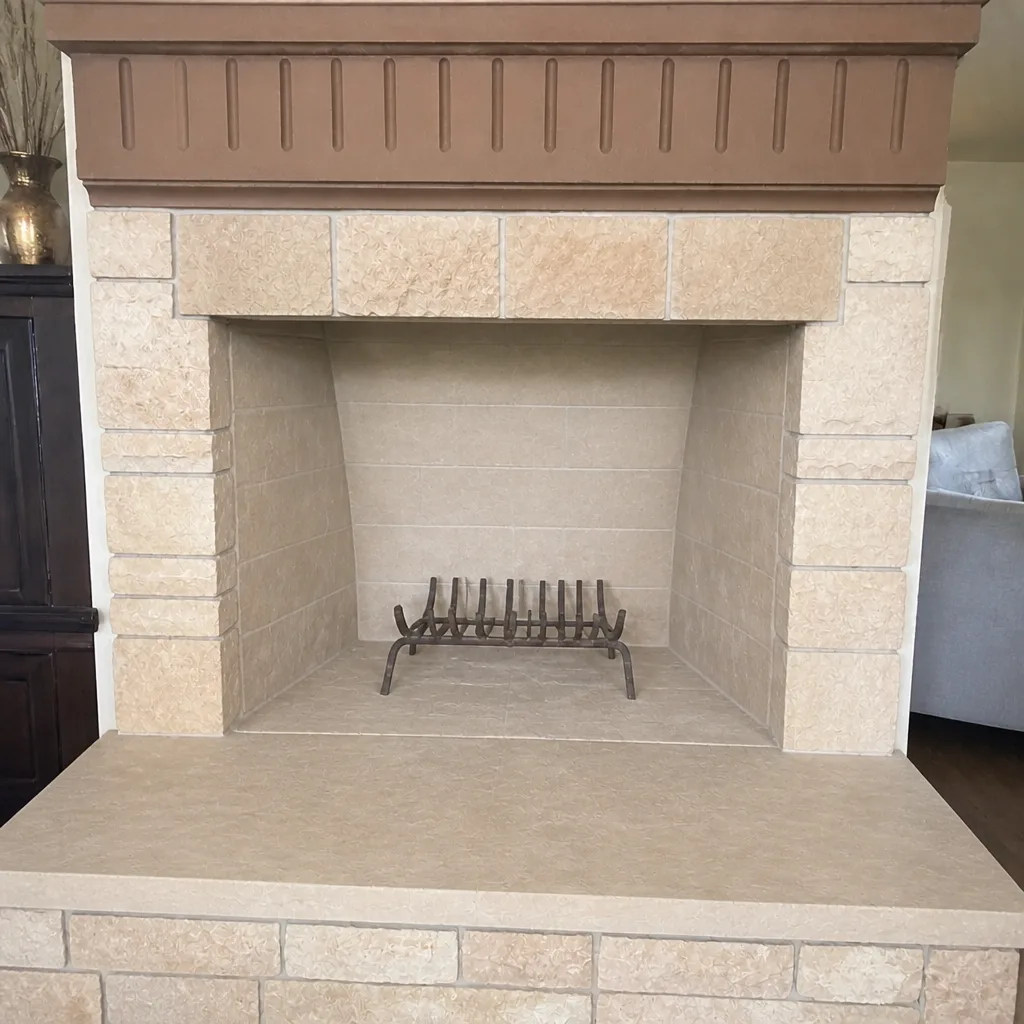 After
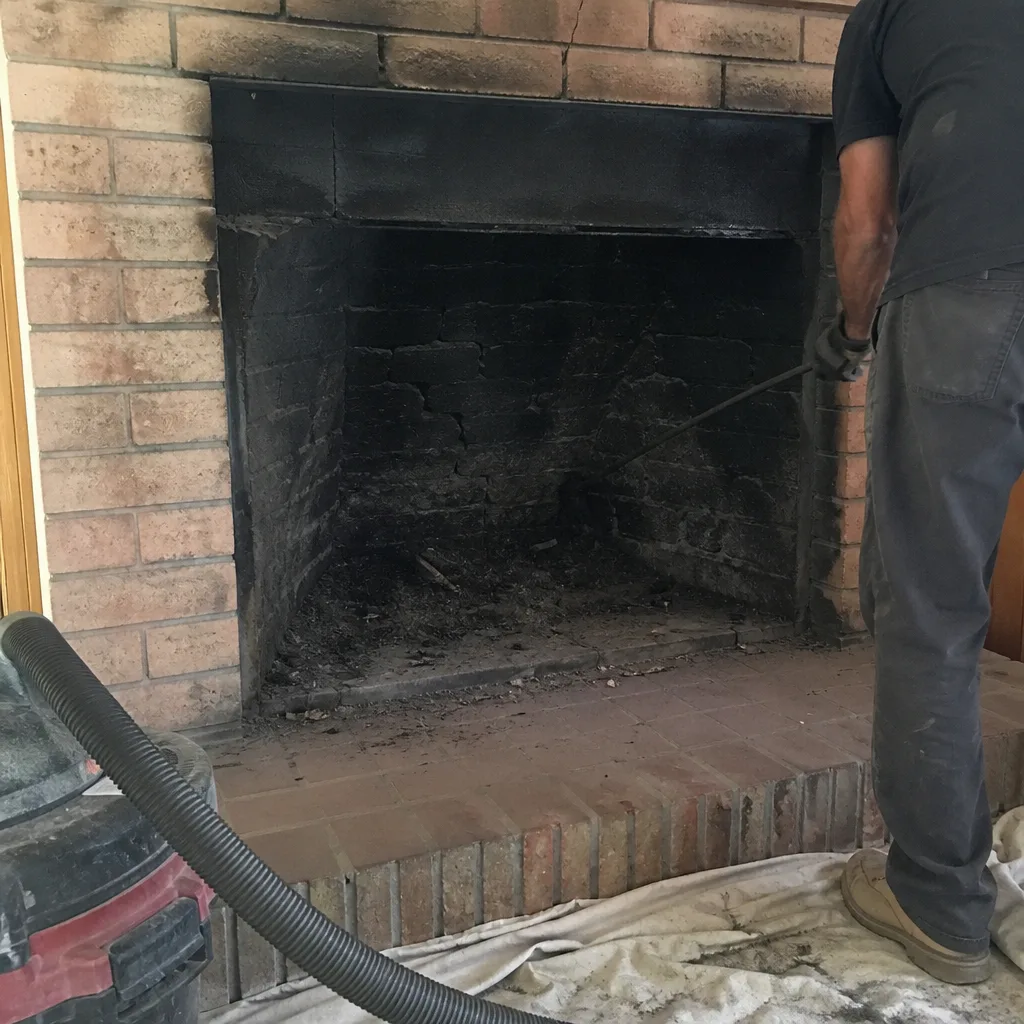 Before
 After
 Before
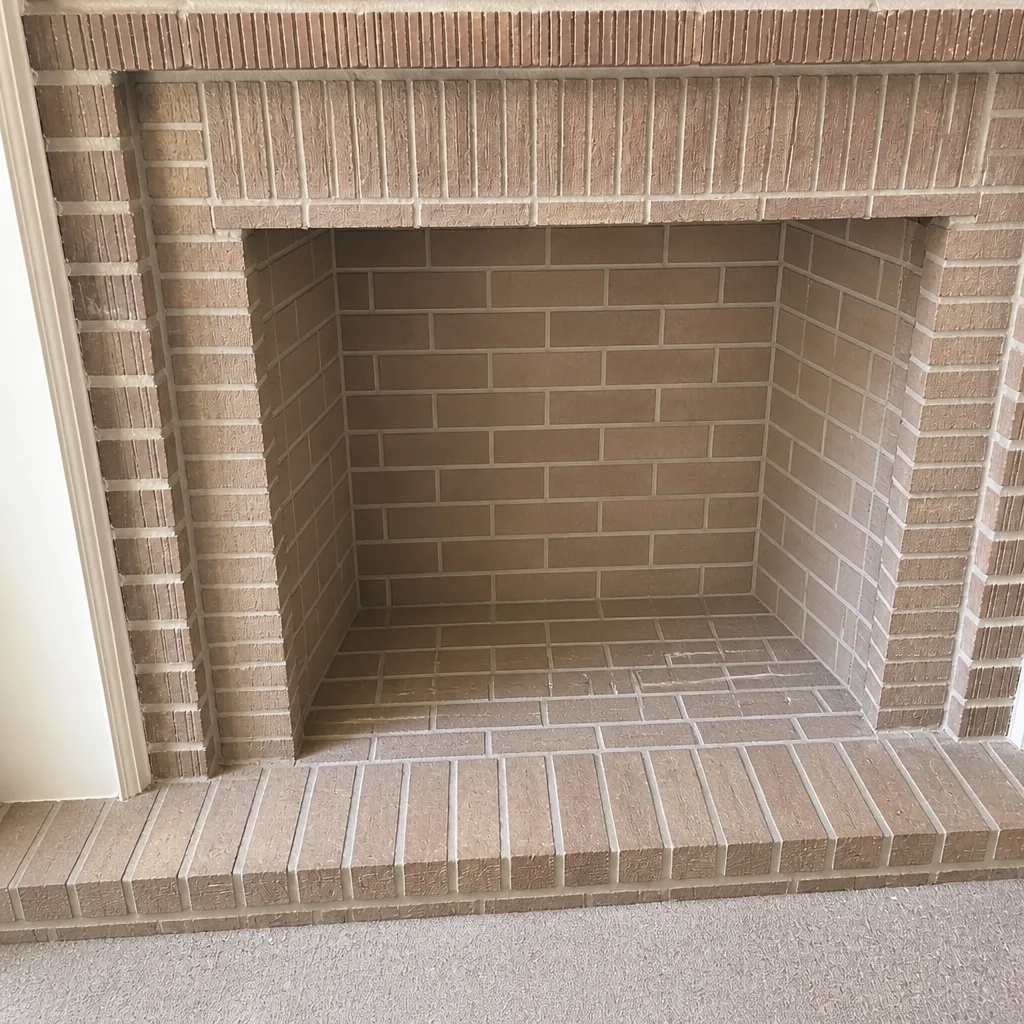 After
Frequently Asked Questions
It depends on the level of service and the deposit stage, but a standard sweep with inspection is the most common job for a lightly used Glendale fireplace, and heavy deposit removal or liner work is priced per job after the inspection. The estimate is free and the written estimate sets the final price. Call (833) 734-6139 for an exact quote – estimates are free.
Not always. A liner replacement is recommended when the camera inspection shows cracks, gaps, or deterioration that a sweep can’t fix, and you should see that footage before agreeing to anything. If heat-stressed or damaged liner is found, we’ll show you and explain the options; if it’s in good condition, we’ll say so. Call (833) 734-6139 for an exact quote – estimates are free.
Roughly once a year, based on condition rather than fire count. In our experience, the right interval for a Glendale home is set by what the inspection finds, not by how many fires you lit last winter.
Deposits build and harden, debris stays in the flue, and the system’s condition goes unchecked until a problem shows up as smoke, draft issues, or something worse. A blocked flue is a carbon monoxide path. Skipping the sweep doesn’t eliminate the risk; it just postpones the moment you find out. Call (833) 734-6139 for an exact quote – estimates are free.
Yes, and that’s often the right time. Monsoon wind and rain push debris into an open flue, so a sweep before the burning season clears it out and confirms the cap and crown are intact. Schedule it as part of the fall routine. We answer 24/7, with fast dispatch from 7am to 7pm, Sunday through Friday.
Yes. The sweep and inspection are handled together, with camera footage and a written report of what was found. That way you see the condition of the system and any repair needs in a single appointment. For a wider view of our service area, see our guide to Glendale.
The Bottom Line
Chimney cleaning in Glendale is not a soot-removal routine. It’s a check against the specific conditions that cause a lightly used chimney to fail inspection: creosote that forms at low burn counts, debris that a monsoon season pushes into an idle flue, and heat-stressed liners that need an honest look. Get the sweep done before the burning season, ask for the camera footage and the written report, and expect a straight answer about whether a repair can wait. Whether you need a routine chimney sweep or a full inspection, the goal is the same: a system you can burn with confidence.
We answer 24/7, with fast dispatch from 7am to 7pm, Sunday through Friday. Call (833) 734-6139 for a free estimate. Written by the team at Chimney Sweep Glendale.