
Last updated November 15, 2026
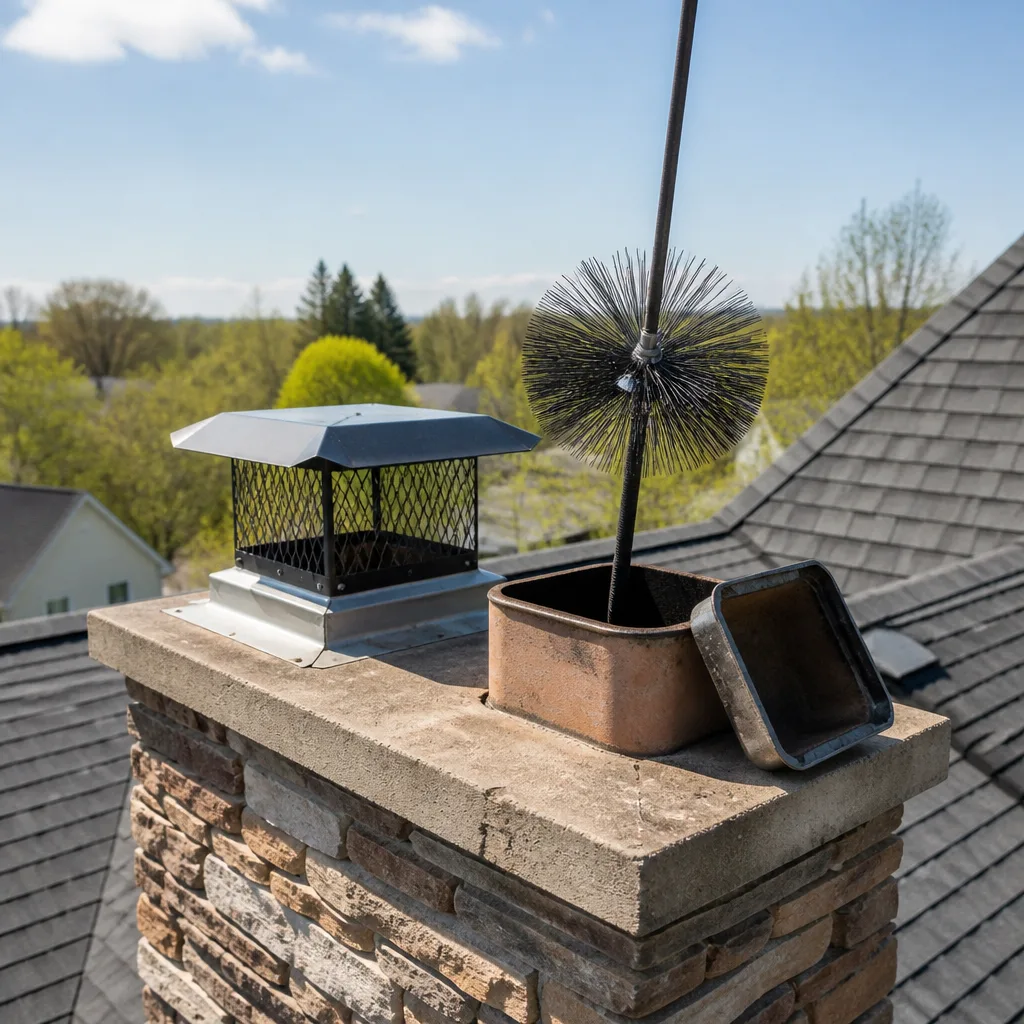 Sweep & inspection
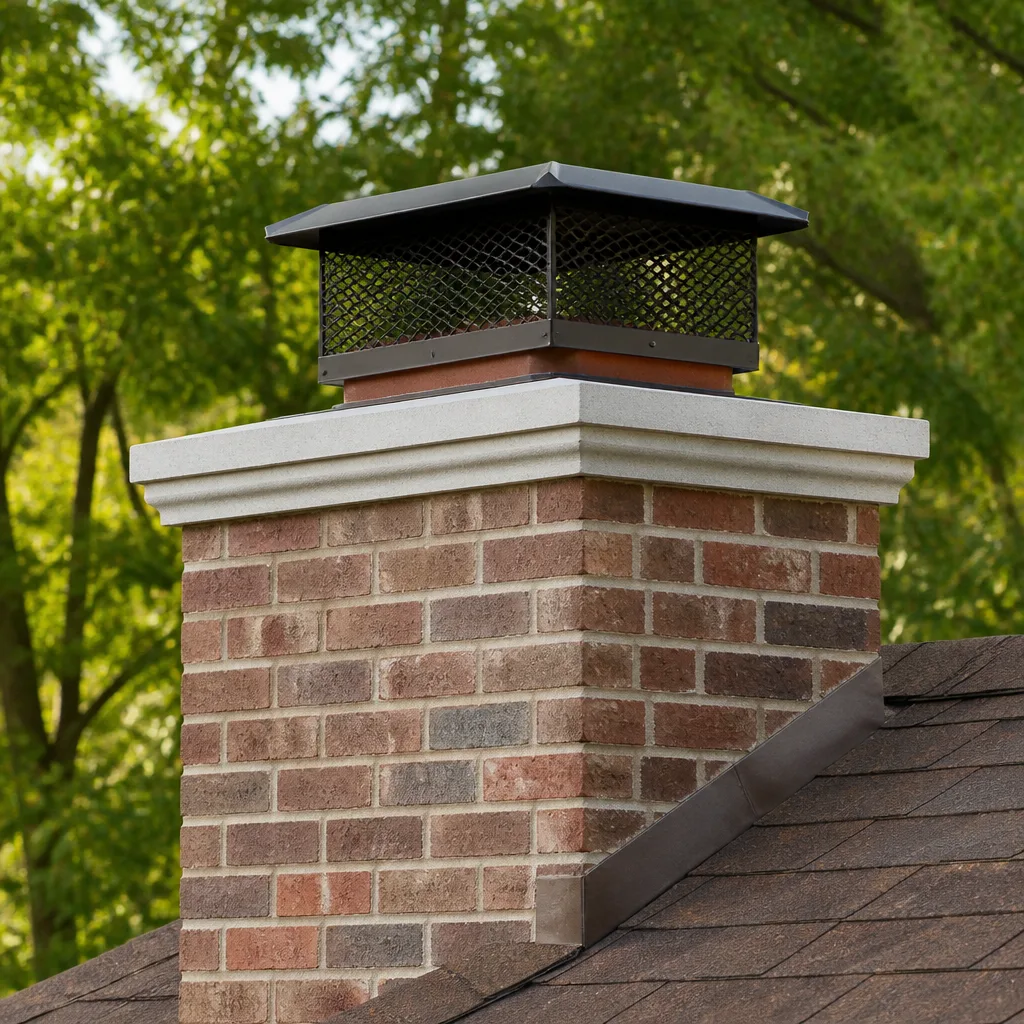 Caps & crowns
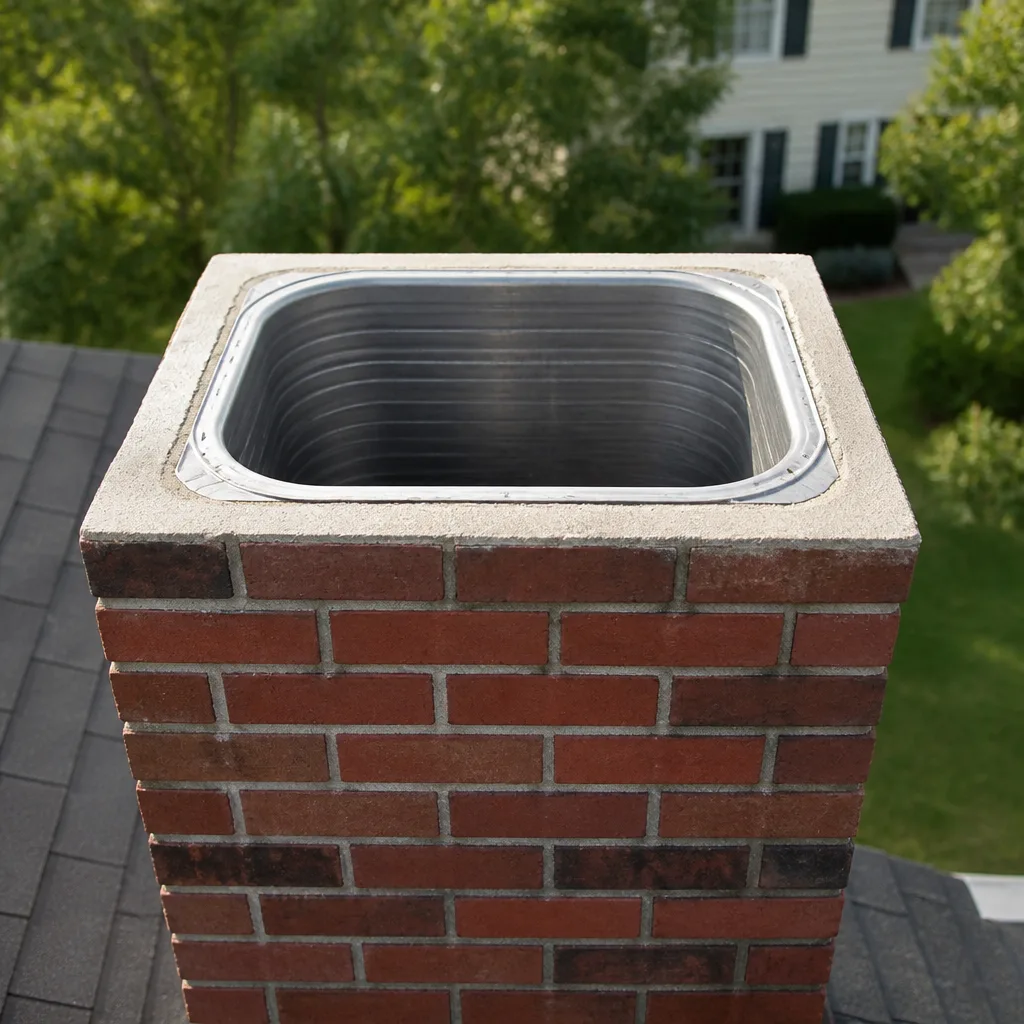 Flue relining
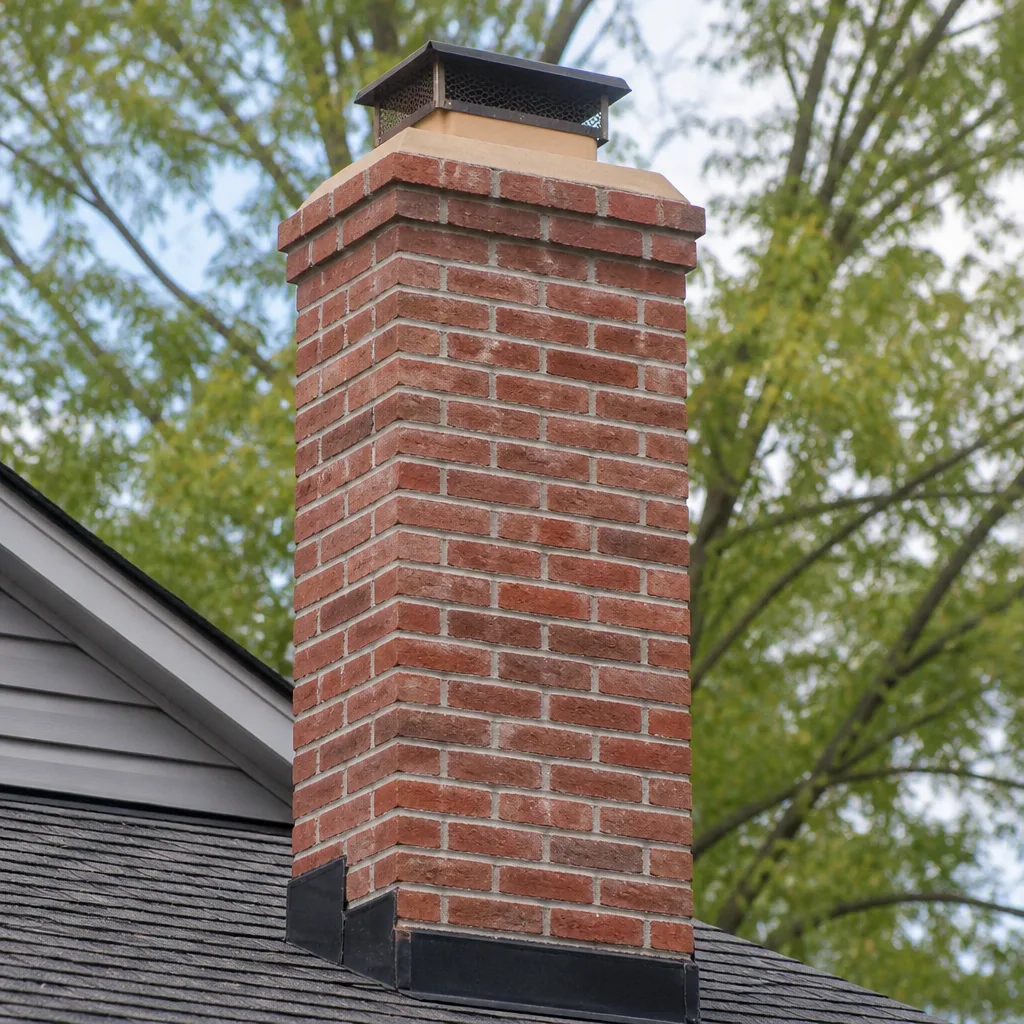 Masonry repair
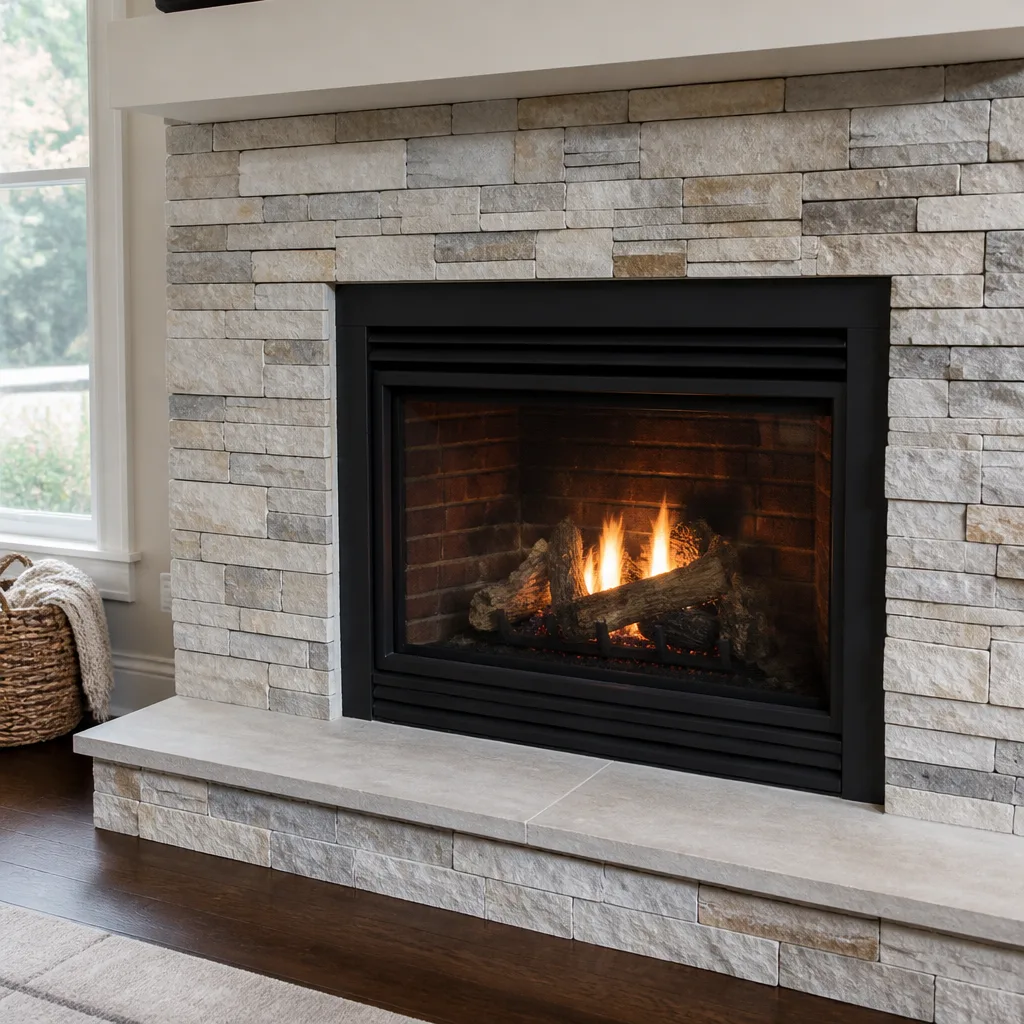 Gas fireplace service
Level 1 sweep and inspection to the NFPA 211 annual standard - flue, crown, cap, and flashing checked and photographed
Chimney sweep logs do not sweep chimneys. They loosen some creosote - which then falls where a brush and vacuum still have to collect it.
Chimney Sweep Troubleshooting in Glendale: Common Problems and How to Fix Them
A smoky firebox in Glendale is almost never caused by the same thing as a smoky firebox in Seattle. That surprises people who go looking for answers online and land on guides written for wet, cold climates. Glendale’s problem set is different: low humidity, homes sealed tight for air conditioning, months of non-use, and fuel that burns hot and fast. The result is a chimney that fails in predictable, diagnosable patterns, not random ones. This guide walks you through a symptom-first approach. You’ll learn what each smell, sound, and smoke behavior usually points to, what you can safely check yourself, and what genuinely needs a trained technician before it becomes a fire risk.
Quick Answer
Most chimney problems in Glendale trace to one of four causes: creosote and soot buildup restricting the flue, negative air pressure from a tightly sealed house causing backdraft, animal or debris blockages after a long off-season, or physical deterioration of the crown, flue tiles, or damper. The good news is each cause produces a distinct set of symptoms. If you can describe what the fire does, the smell, and where smoke appears, a technician can usually narrow it down before arriving.
Styles & brands we work with
- Sweep & inspection
- Caps & crowns
- Flue relining
- Masonry repair
- Gas fireplace service
Table of Contents
- Why Glendale’s Dry Climate Changes Chimney Failure Patterns
- Negative Air Pressure: The Two-Minute Backdraft Test
- Creosote Restriction vs. Structural Draft Problems
- Off-Season Blockages: What to Check Before Your First Fire
- Component-by-Component Failure Signals
- Symptom-to-Cause Quick Reference
- Prevention Calendar for Glendale Homeowners
- Common Mistakes to Avoid
Why Glendale’s Dry Climate Changes Chimney Failure Patterns
In humid climates, mortar stays slightly damp and masonry expands and contracts with moisture. In Glendale, the opposite happens: mortar dries out faster than the masonry unit it surrounds, and over years it becomes brittle and crumbly. You can spot the early signs on the crown, the concrete cap at the top of the chimney. Look for hairline cracks radiating from the flue opening, sandy grit in the gutter below the chimney, or a crown that’s pulling away from the flue tile.
The same dry cycle works on your flue tiles. Clay tiles are fired ceramic, and they’re tough, but the mortar joints between them are the weak link. Once those joints open, heat and combustion gases reach the brick or metal behind them. That’s the slow path toward a cracked flue and a real carbon monoxide risk. Here’s what to check from the ground with binoculars:
- Crown: cracks wider than a hairline, or any section that’s flaking off.
- Crown-to-flue joint: a visible gap where the concrete meets the tile.
- Flue tiles: spalling, missing chunks, or tiles leaning out of line.
- Mortar joints on the stack: joints that look recessed or sandy rather than full.
Symptoms show up inside too. A faint sandy grit accumulating on the firebox floor between uses usually means mortar is failing above. A metallic or earthy smell on the first cool evening after a long summer often points to the same thing. When we schedule a chimney repair visit, the first thing we do is document the crown and flue joints in photos so you can see exactly what we’re seeing. Branded materials matter here: we use HeatShield for liner resurfacing because it’s a system designed to restore a damaged clay flue from the inside, not a DIY sealant smeared over the problem.
Negative Air Pressure: The Two-Minute Backdraft Test
This is the failure mode the national guides miss. Glendale homes are built and operated to keep desert heat out, which means they’re sealed tight: weather-stripped doors, sealed attic hatches, tight windows, and heavy kitchen and bath exhaust fans. Every one of those exhaust fans pulls air out of the house. That air has to come from somewhere, and if the house is sealed up, it comes down the chimney.
That’s backdraft. Your fire is trying to push smoke up while the house is sucking air down. The symptoms are very specific:
- Smoke spills into the room for the first 30-60 seconds after lighting, then settles down.
- Smoke spills again when the kitchen exhaust fan or a bathroom fan runs.
- The fire seems lazy or refuses to draw on calm, mild evenings.
- A cold air smell comes down the chimney when the fireplace is off.
The two-minute test before you call
- Make sure the fireplace is completely cold and the firebox is clear.
- Crack a window about an inch on the same wall as the fireplace.
- Light a single sheet of newspaper, hold it near the open damper, and watch the smoke.
- If the smoke rises cleanly with the window cracked but spills with it closed, you have a pressure problem, not a chimney blockage.
That doesn’t mean there’s no cleaning to do. Creosote buildup still makes backdraft worse and any restriction in the flue amplifies the pressure effect. It means the diagnosis needs to include pressure, not just the brush. A tall flue on a mild evening in a tight house is a classic Glendale configuration, and in our experience it’s misread as “the chimney needs a sweep” more often than any other symptom. A proper inspection checks the flue from the top and bottom and tests draft under real conditions. That’s part of the chimney sweep visit, not a separate trip.
Creosote Restriction vs. Structural Draft Problems
Once you’ve ruled out backdraft, the next question is whether the flue is blocked or the flue is wrong. These are very different repairs with very different costs, and the smoke behavior sometimes tells you which one it is before anyone climbs on the roof.
Creosote restriction (a sweep fix)
- Smoke draws fine when the fire is small and hot, then spills as it grows.
- Draft improves noticeably after a burn but returns within a few fires.
- A strong, sharp, acrid smell when the fireplace is not in use.
- Visible black, glassy, or flaky buildup at the damper or smoke shelf.
Structural draft problem (a liner or cap fix)
- Smoke spills on every fire regardless of size or weather.
- Smoke rolls back even with a hot fire and the window cracked.
- The flue is undersized, over-length, or has a visible lean at the top.
- A missing or damaged cap lets wind and downdrafts straight into the flue.
A cap is the single most underrated piece of chimney hardware in our area. It keeps rain, birds, and debris out, and it deflects wind that otherwise drops straight down an open clay flue on a gusty afternoon. When a cap has been lost or is damaged, we replace it with a name-brand component, typically Olympia Chimney or Famco, because a generic cap that doesn’t fit correctly creates the same problem it was meant to solve. The rule of thumb: if the problem persists after a full cleaning, it’s structural, and the answer is a liner, cap, or liner restoration rather than another sweep.
Off-Season Blockages: What to Check Before Your First Fire
Glendale’s fireplaces sit unused for months. That’s the difference between us and cold-climate markets, where a chimney is typically in use most of the cold season. Long idle periods give animals, insects, and blown debris a lot of time to move in. Birds nest in the flue. Wasps build under the cap. Pack rats carry in twigs and shred. When you finally light that first fire in the fall, the flue can be partially or fully blocked, and the smoke has nowhere to go but back into the room.
A pre-season check takes a few minutes and doesn’t require climbing on anything:
- Shine a flashlight up the flue from the open firebox, past the damper. Look for daylight at the top. If you can’t see any, stop here and call.
- Look for nesting material in the firebox, on the smoke shelf, or hanging from the damper.
- Check the cap from the ground with binoculars. Missing cap, visible nest, or debris caught on the screen means a call.
- Smell the firebox after weeks of closed doors. A musty or animal smell is a sign something is living or has lived inside.
- Open the damper and confirm it moves freely and fully. A stuck damper can look identical to a blocked flue.
If any of those checks are inconclusive, don’t test with a fire. Call. We schedule Chimney Sweep Glendale pre-season visits ahead of the first cool evening in October and November for exactly this reason. A camera inspection shows you the flue interior on a screen and we walk you through it, so nothing is a guess. It’s a quick, inexpensive job when it’s scheduled ahead. It gets more involved once you’ve already lit the fire and the blockage has caught.
Component-by-Component Failure Signals
Chimneys fail component by component. Each part gives you a signal before it fails completely. If you learn the signals, you can describe the problem to a technician accurately enough that the visit is shorter and the fix is targeted.
Damper
A healthy damper opens smoothly, seats flat when closed, and stays where you put it. A failing damper feels gritty, binds partway, or drops shut on its own. If it shrieks or grinds when you open it, the pivot or the frame has warped from heat. A damper that won’t seal when closed means you’re losing heat up the house all summer and cold air is coming down the flue in winter.
Smoke chamber
The smoke chamber is the sloped space just above the damper that funnels smoke into the flue. When it deteriorates, its surfaces become rough, pitted, or cracked, and smoke swirls against them instead of sliding up. Symptoms: a smoky fireplace that’s worse as the fire gets hot, a smell that lingers for days after a burn, and visible gaps or crumbling mortar above the damper when you shine a light up. This is a common place for a restoration system like HeatShield to apply, because the fix is to resurface the interior, not to knock out and rebuild the whole thing.
Flue tiles
Clay flue tiles crack at the joints. When the crack opens, the flue can leak combustion gases into the space behind the tile, and heat can reach framing. Symptoms: a metallic smell, a persistent draft when the fireplace is off, or visible flaking and gaps from a camera inspection. Small cracks often still work but should be monitored; large ones need relining. DuraFlex flexible liner systems are what we install for that job, because a properly sized, brand-name liner is documented and warrantable and a generic substitute often isn’t.
Crown and stack
Covered above in the dry-climate section, but it’s worth repeating here: the crown is the first line of defense against moisture and the first thing to fail in a dry, sun-baked climate. Hairline cracks are common; gaps and spalling are not.
Symptom-to-Cause Quick Reference
Use this list as a starting point. It’s not a diagnosis, but it will help you describe the problem clearly when you call.
| Symptom | Most likely cause | Usual fix |
|---|---|---|
| Smoke spills on light-up, then settles | Negative air pressure | Draft test; possibly flue extension or open-upgrade |
| Smoke spills the whole burn, anytime | Flue blockage or structural draft problem | Sweep, then camera inspection |
| Acrid smell when fireplace is off | Creosote buildup | Sweep |
| Earth and musty smell; insects indoors | Animal or debris blockage | Removal, cap, screen |
| Grinding or stuck damper | Warped or worn damper | Damper replacement |
| Sandy grit on firebox floor | Mortar thinning at flue joints | Liner restoration or relining |
| Cold air down the flue when off | Missing cap or open damper | Cap, damper repair |
| Flaking, glassy black buildup | Advanced creosote | Professional sweep; inspect for damage |
None of these are worth guessing about once you’ve got a symptom you can name. A quick call is cheaper than a chimney fire.
Prevention Calendar for Glendale Homeowners
Timing matters more than most guides admit. In a mild climate, we’re dealing with a shorter fire season, and the useful work is done before and after it, not during.
- Late summer to early fall (August to October): pre-season inspection and sweep. This is when we catch the off-season blockage before it becomes a fire.
- First cool evening: two-minute backdraft test the first night you burn. Warm up the flue with a rolled-up newspaper to establish draft before laying a real fire.
- Mid-season (December to February): empty the ash box monthly, and check the firebox for new grit or smell. Note any change in behavior for the spring visit.
- Spring (March to May): post-season sweep and inspection. This is when we catch dry-season crown cracks before summer heat widens them and the first rain gets in.
- Year-round: keep the cap and screen intact. A missing cap is the number one cause of the seasonal problems we see.
If your fireplace burns gas, the calendar is different: gas logs still need annual inspection for creosote and to verify the flue is clear. Don’t assume a gas fireplace never needs attention. It does. When you’re ready to schedule, our Glendale team handles inspections, sweeps, and repairs under one roof, so you don’t get handed off mid-problem to a second contractor.
Common Mistakes to Avoid
- Burning unseasoned wood to “dry it out” in the firebox. Wet wood produces more creosote, not less. Season wood outside, covered but ventilated, for a full year before burning it.
- Testing a blocked flue with a fire. If your pre-season check shows any sign of a blockage, don’t light a fire to “see what happens.” The answer can be a flash fire or a room full of smoke.
- Treating a backdraft as a sweep problem. Cracking a window and still having smoke spill means the cause is pressure, not buildup. Cleaning won’t fix it, and you’ll pay twice.
- Ignoring hairline cracks in the crown. In Glendale’s dry, hot summers, a small crack widens quickly. Annual crown inspection catches it early when the repair is small.
- Using a generic cap or flue component to save a few dollars. A cap that doesn’t fit doesn’t seal, and an unbranded liner is unverified inside your chimney for decades. Name-brand components are what professional chimney technicians specify for a reason.
- Skipping a fireplace because “we barely use it.” Low-use fireplaces still need annual inspection. Bird nests, animal debris, and cracked flue tiles don’t care how often you burn.
- Assuming a gas fireplace needs no service. Gas units produce their own buildup, and the flue still needs to be verified clear. A routine inspection catches problems early.
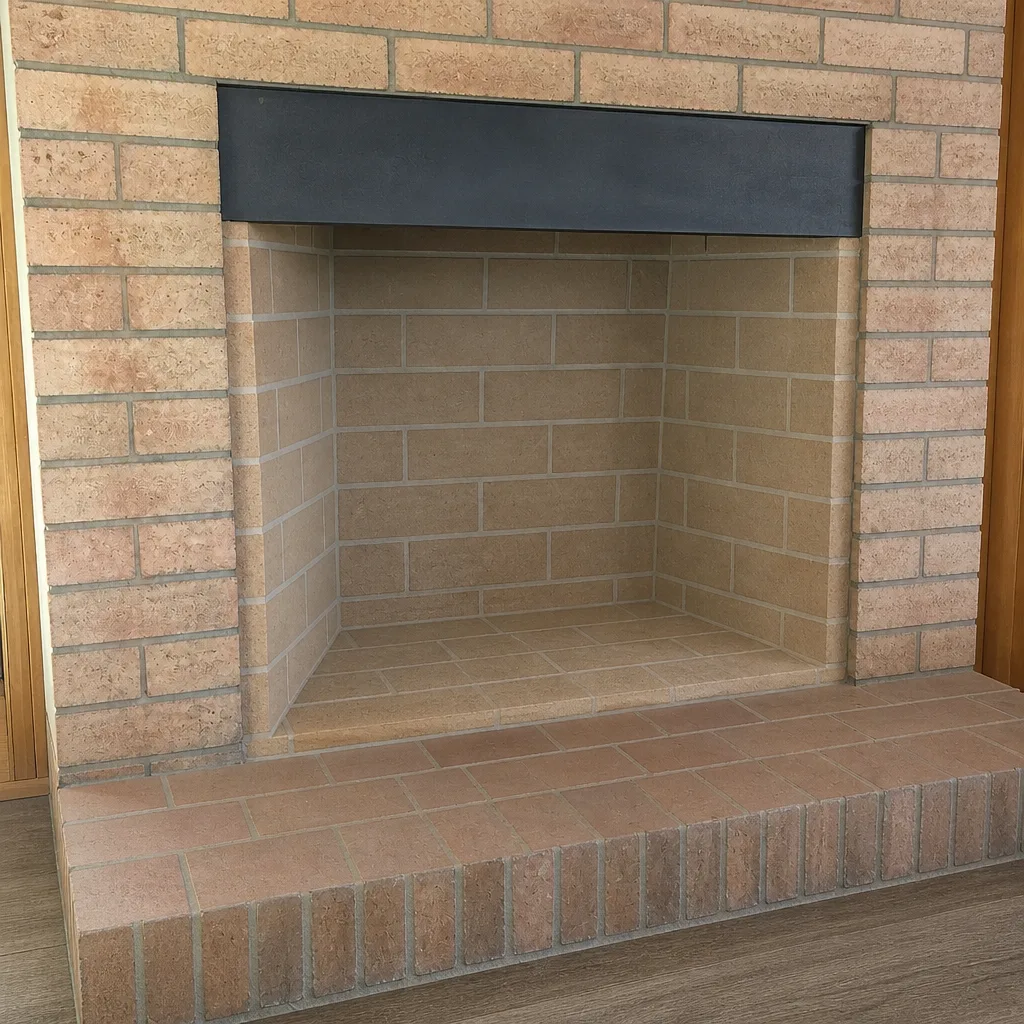
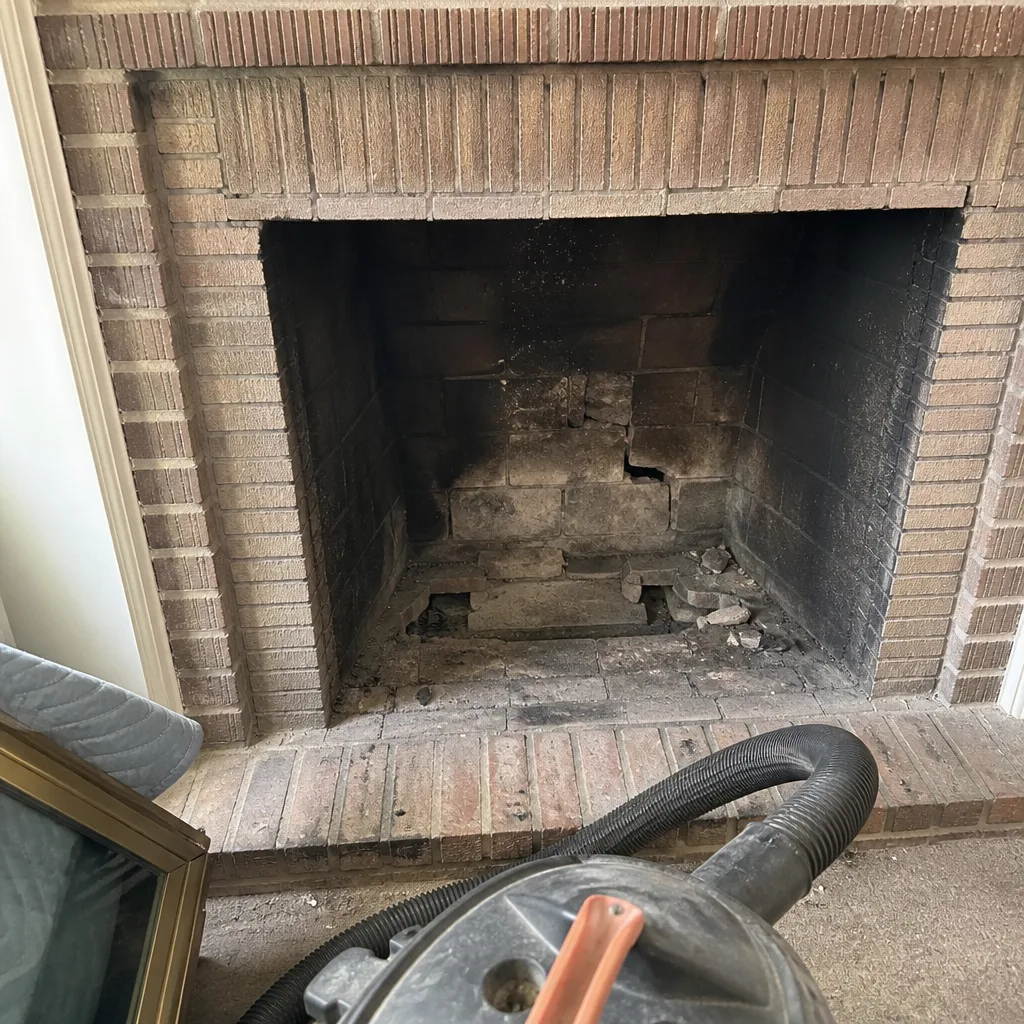
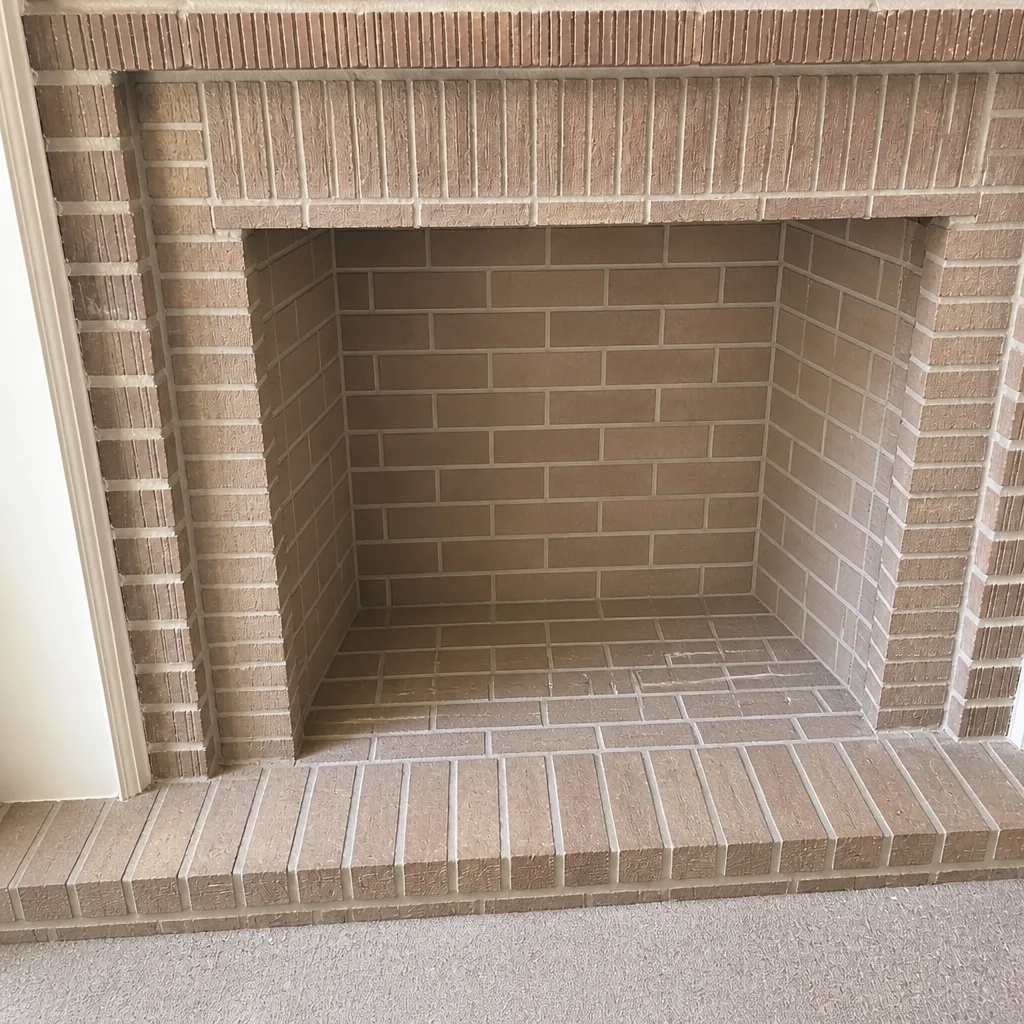
See the difference
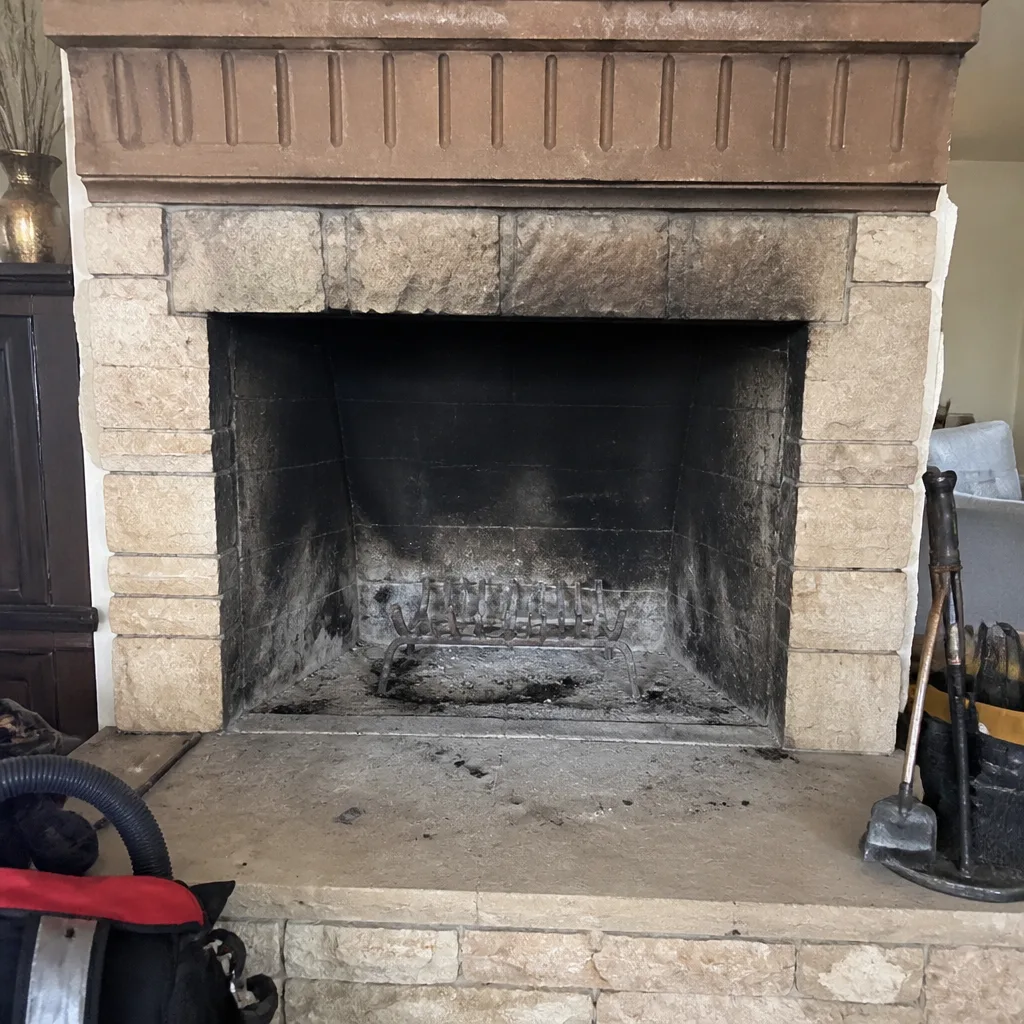 Before
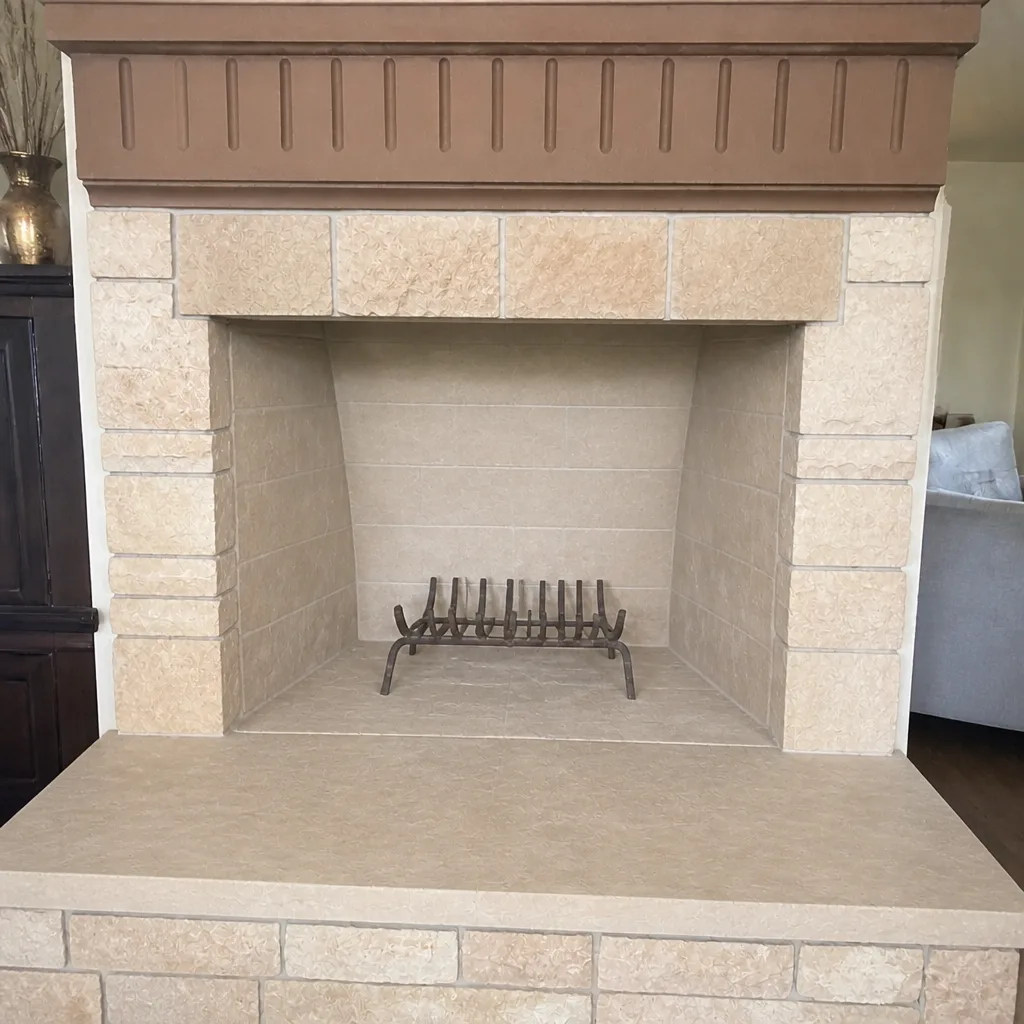 After
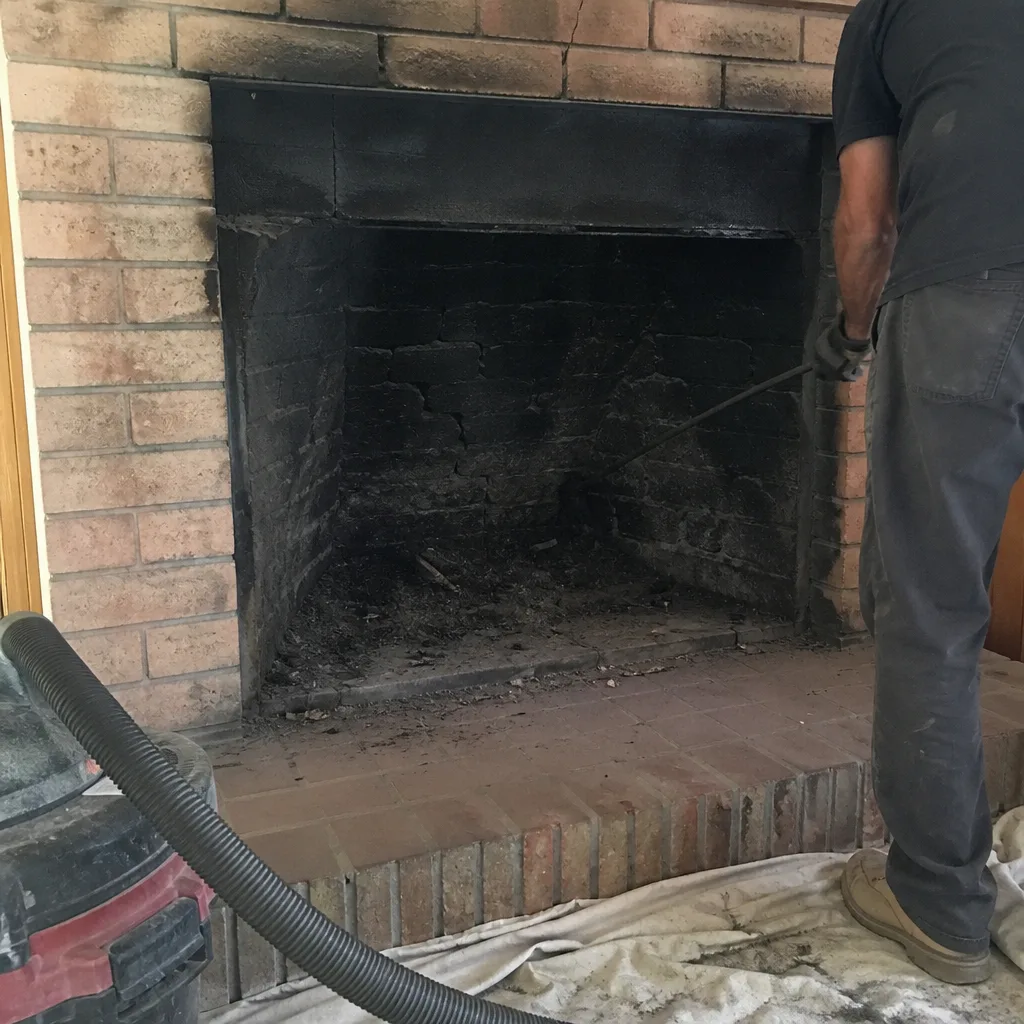 Before
 After
 Before
 After
When to Call a Professional
Call a chimney professional if you hear grinding or binding from the damper, see smoke spilling into the room on a normal fire, notice sandy grit accumulating on the firebox floor, smell a strong acrid or musty odor when the fireplace is off, or find any debris or nesting material in the firebox or flue. Call if a cap is missing or damaged. Call if crevice cracking, flue tile spalling, or crown gaps are visible from the ground. And call before your first fire of the season, especially in Glendale where months of non-use create a real risk of blockage. These are the situations where a quick, cheap visit prevents a very expensive fire. Chimney Sweep Glendale offers free estimates in Glendale – call (833) 734-6139. We answer 24/7. Fast dispatch from 7am to 7pm, Sunday through Friday.
Frequently Asked Questions
Most wood-burning fireplaces should be swept once a year, and that’s the general industry recommendation. In Glendale, the extra risk is off-season blockage, so an inspection before your first fire of the season catches more than an in-season sweep would. If you burn frequently or notice creosote buildup, schedule a sweep sooner. Call (833) 734-6139 for a booking – the estimate is free.
Most likely it’s negative air pressure, not a blockage, especially if the smoke settles once the flue warms up. Glendale homes are sealed tight against the heat, and exhaust fans pull air out of the house faster than it can get back in. Try the two-minute test: crack a window near the fireplace and light one sheet of newspaper. If the smoke rises with the window open but spills with it closed, you’ve found your cause. Call (833) 734-6139 for a draft test and inspection.
Only if the inspection shows your existing flue can’t safely contain combustion gases. A hairline crack or two doesn’t always mean a new liner; a large gap, spalling tiles, or visible failure at flue joints usually does. This is exactly why a camera inspection matters: the decision should rest on what’s visible inside the flue, not on a sales walkthrough. We use DuraFlex liner systems for relining when needed. Call (833) 734-6139 and we’ll walk you through the camera findings before you commit to anything.
A sweep removes soot, creosote, and debris from the accessible parts of the chimney. An inspection assesses the flue, crown, smoke chamber, damper, and cap for structural issues, and produces a report of what was found. In practice, we usually do both together, because the visual inspection is much clearer once the interior has been cleaned. Call (833) 734-6139 to book both.
Not always dangerous, but worth a look. Summer smells in a Glendale chimney usually come from one of three things: creosote releasing odor as the house heats up, an animal or debris blockage left from the off-season, or a stuck damper letting house air flow up the flue. The first two should be cleared before you burn. Call (833) 734-6139 to schedule a summer inspection.
The worst outcome is a chimney fire from creosote buildup, or carbon monoxide coming back into the house from a blocked or cracked flue. The less obvious outcome is a slow, expensive repair: cracks in the crown, moisture intrusion behind the flue tiles, or a damaged smoke chamber that was fine a year earlier. The annual sweep is a quick, low-cost way to catch both. Call (833) 734-6139 for a free estimate on a sweep or inspection.
The Bottom Line
Chimney problems in Glendale follow patterns tied to dry air, sealed homes, and long off-seasons. Learn the symptoms: smoke on light-up that settles (backdraft), acrid smell when off (creosote), musty smell after summer (blockage), grinding damper (worn part), sand on the firebox floor (mortar failing). Use the two-minute test when smoke spills. Check the cap and flue from the ground before your first fire of the season. And treat the annual inspection as the cheapest piece of chimney maintenance you’ll ever buy. Our technicians have up to 8 years of experience with the components these fireplaces are built around. If something isn’t behaving the way it should, call (833) 734-6139. We answer 24/7. Fast dispatch from 7am to 7pm, Sunday through Friday.
Written by the team at Chimney Sweep Glendale.