
Last updated November 15, 2026
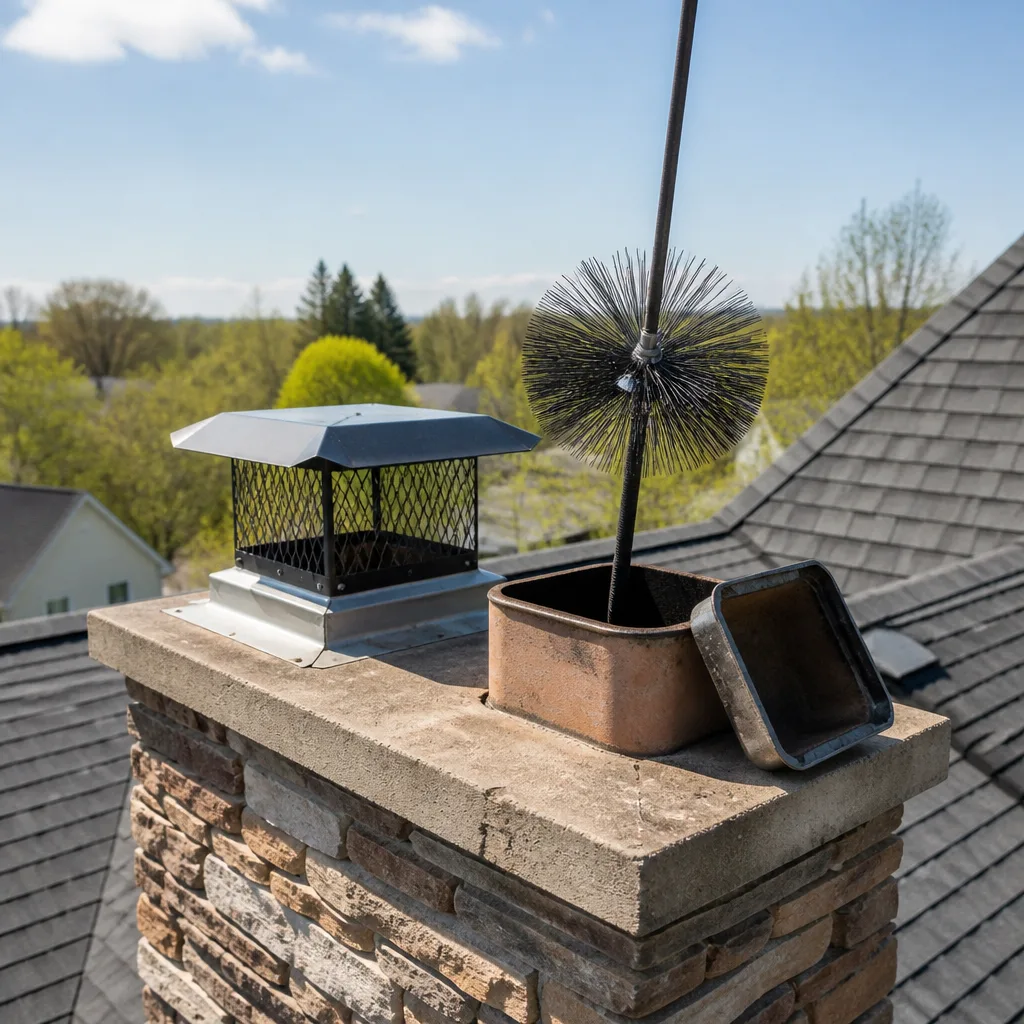 Sweep & inspection
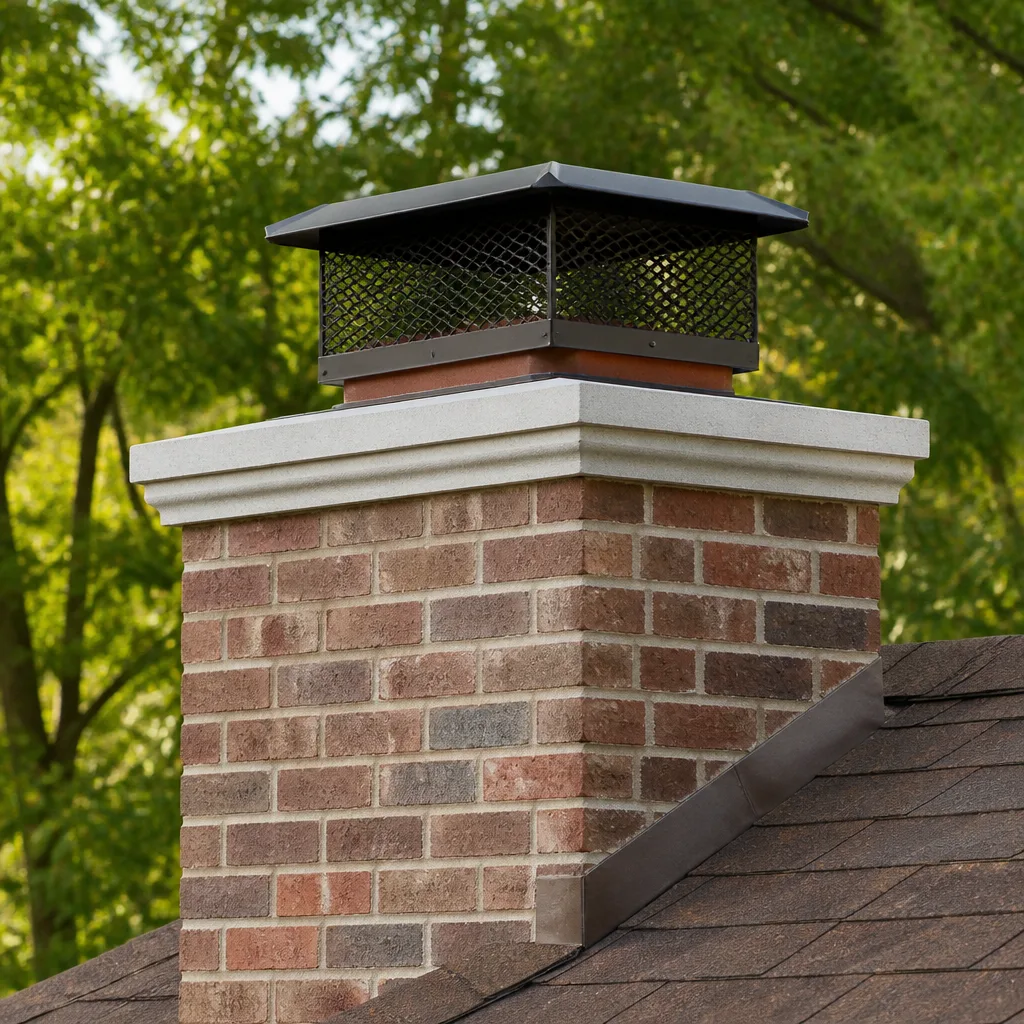 Caps & crowns
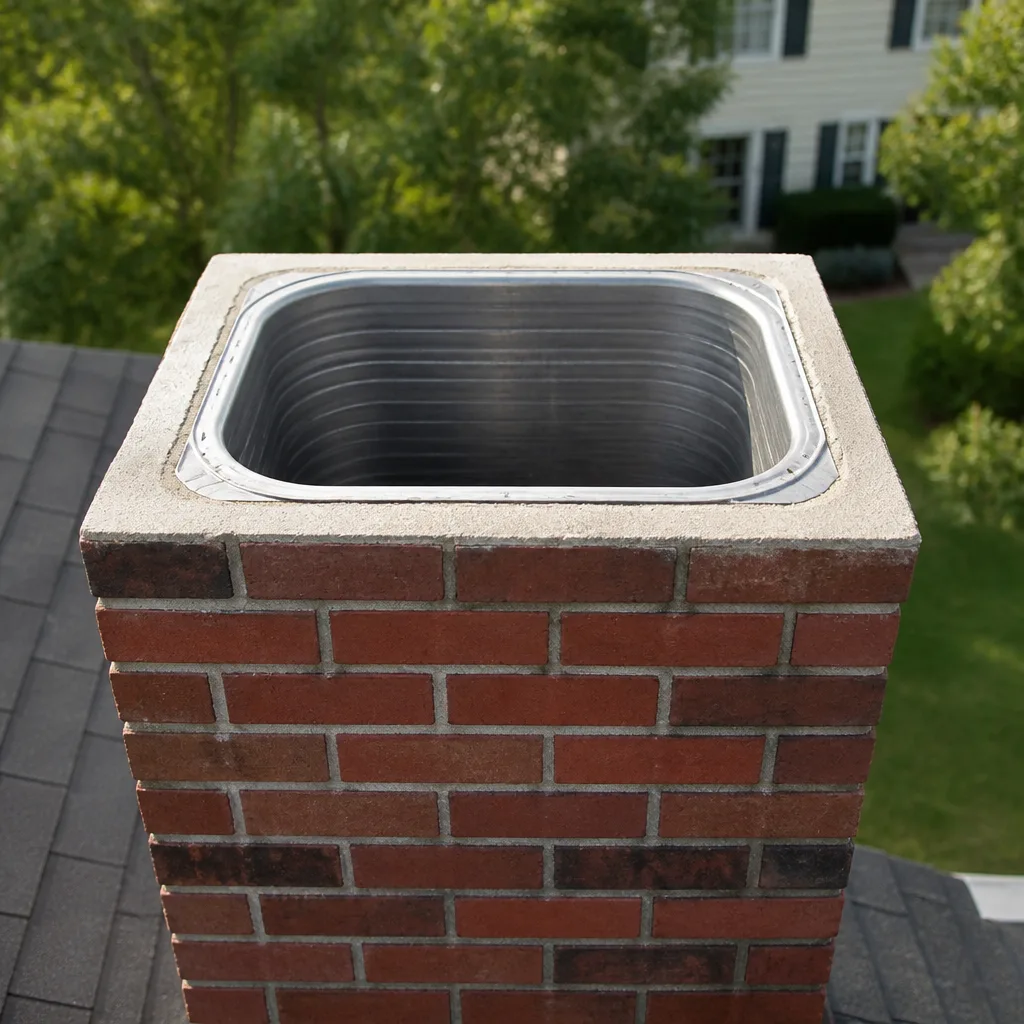 Flue relining
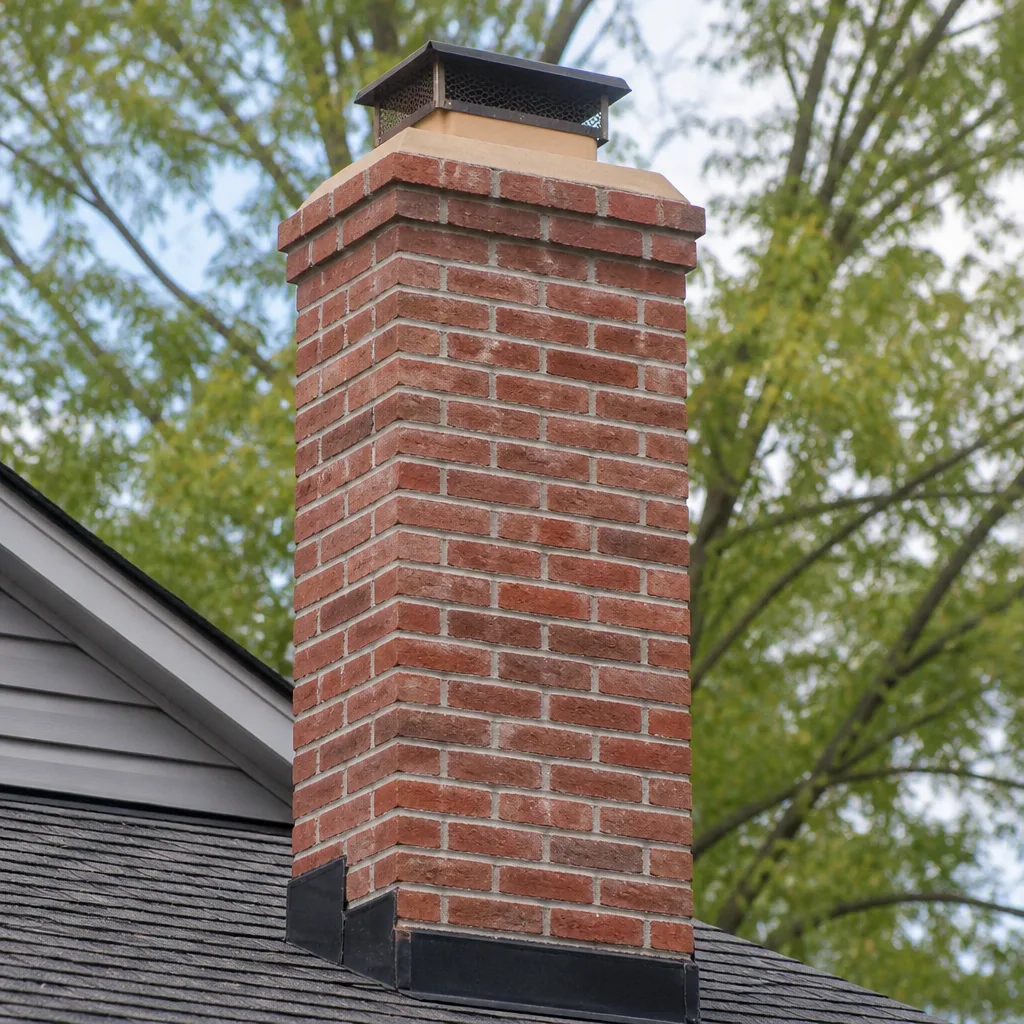 Masonry repair
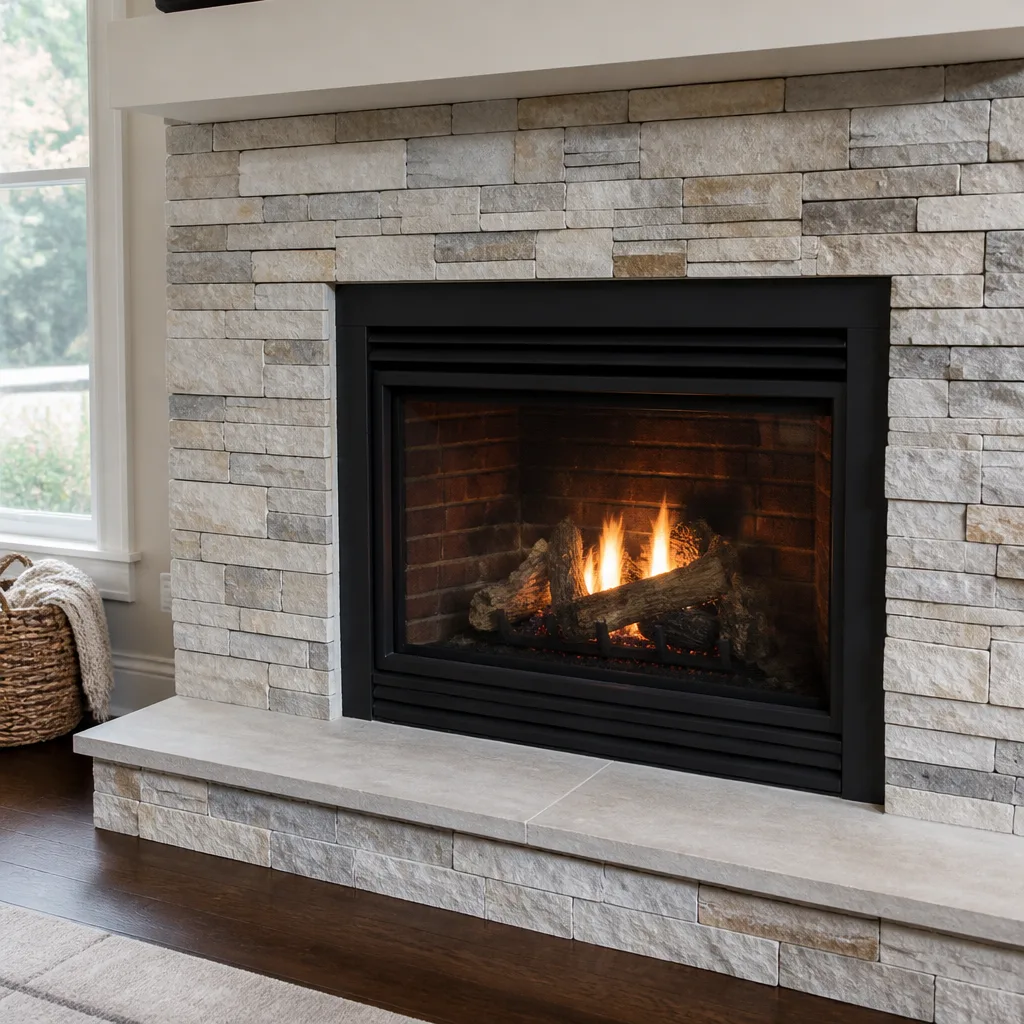 Gas fireplace service
Level 1 sweep and inspection to the NFPA 211 annual standard - flue, crown, cap, and flashing checked and photographed
Chimney sweep logs do not sweep chimneys. They loosen some creosote - which then falls where a brush and vacuum still have to collect it.
Seasonal Chimney Cleaning Care for Glendale: Year-Round Homeowner’s Guide
If your chimney sits unused from March through November, you don’t have an “off-season” – you have eight months of passive damage accumulation. Most chimney care advice is written for places with four real seasons, where the furnace runs half the year and moisture is a constant. Glendale doesn’t work that way. Our fireplaces run hard for a short window and then sit in dry desert heat for months, and that pattern creates a very different set of problems than a New England flue ever sees. This guide reframes the calendar around how fireplaces in Glendale are actually used: a long dormant stretch, a storm season, a short but intense burn window, and a closeout. You’ll learn what happens to the flue while you’re not burning, what to check after monsoon season, and how to prepare before the first fire of the year.
Quick Answer
Year-round chimney care in Glendale means inspecting and cleaning before the burn season starts in October, checking for storm and pest damage after monsoon season, monitoring during the December through February burn window, and securing the cap and damper when the fireplace goes idle. A sweep and inspection should happen at least once a year, and more often if you burn heavily or notice creosote or draft changes. The long idle period matters as much as the burn season, because heat, UV, and pests damage an unused chimney.
Styles & brands we work with
- Sweep & inspection
- Caps & crowns
- Flue relining
- Masonry repair
- Gas fireplace service
Table of Contents
- Why Glendale Chimneys Follow a Two-Phase Cycle, Not Four Seasons
- What Actually Happens Inside a Glendale Chimney During the Long Idle Period
- Post-Monsoon Inspection: What to Check Before the First Fire
- Pre-Burn Season Preparation: The October Checklist
- Mid-Season Monitoring During the Burn Window
- Post-Season Closeout: Securing the Chimney for the Dormant Stretch
- How Much Does Year-Round Chimney Care Cost in Glendale?
- Common Mistakes to Avoid
- When to Call a Professional
Why Glendale Chimneys Follow a Two-Phase Cycle, Not Four Seasons
The standard chimney-care calendar assumes four seasons and steady use. Spring cleaning, summer repairs, fall prep, winter burning. That model fits places where a furnace runs most of the year and a humidifier runs alongside it. In Glendale, the reality is a two-phase cycle: an extended idle period of roughly eight months, and a concentrated burn window of a few months when the fireplace actually earns its place in the house.
That split changes what can go wrong and when. During the burn window, the threats are the familiar ones: creosote buildup, draft problems, and heat damage. During the idle period, the threats shift entirely to what the desert does to an unused chimney – sun exposure, heat, dust, and pests. A homeowner following a standard four-season guide will do the right prep in fall and then ignore the chimney for the rest of the year, which is exactly backward for a Glendale home.
We frame the year in four working phases that fit how people here actually live:
- Idle period (roughly March through September): passive damage accumulation – UV on the cap, mortar drying out, pests moving in.
- Post-monsoon (late September through early October): the storm season has just passed, so this is the moment to look for what it left behind.
- Burn window (December through February): the active-use stretch, where creosote and draft issues surface.
- Closeout (March): securing the system for the long dormant stretch, which protects it until next fall.
This is the practical reason we recommend a sweep and inspection once a year regardless of how much you burn – the annual visit is calibrated to when damage is most likely to have happened, not just to what’s in the flue. If your fireplace is your only seasonal heat source, the calendar matters even more, because a failed draft or a blocked flue in the middle of the burn window is a real safety problem, not an inconvenience.
The rest of this guide walks through each phase with the specific checks that apply in Glendale’s climate. If you’re new to the area or just taking over a home with a fireplace you haven’t used yet, start with an inspection before anything else – more on that in the pre-burn section below.
What Actually Happens Inside a Glendale Chimney During the Long Idle Period
An unused chimney isn’t resting. It’s sitting in dry heat, sun, and dust for most of the year, and that combination attacks the same materials that make a chimney work. In our experience, the damage from the idle period is what catches Glendale homeowners off guard, because it happens silently and leaves no smoke, smell, or noise to warn them.
Here’s what we look for when we inspect a chimney that’s been sitting since spring:
Mortar desiccation and joint failure
The mortar joints in a masonry chimney hold the brick and flue tiles together and keep the whole assembly airtight. In a dry, hot climate, those joints can dry out and crumble over time. The failure is gradual, so a homeowner won’t notice it until a joint has opened up enough to let smoke or heat escape where it shouldn’t. That’s a fire risk above the roofline and a draft problem inside the firebox. A trained eye catches early joint failure years before it becomes structural, which is one reason the annual inspection is worth doing even when nothing seems wrong.
Pest intrusion
Birds, squirrels, and wasps treat an open flue as prime real estate, especially during the months when nothing is burning. A nest or debris pile narrows or blocks the flue, and the first fire of the season can push smoke and carbon monoxide back into the house instead of up the chimney. A proper chimney cap is the primary defense, and a cap that’s been in place for a while needs a look too – nesting material often accumulates on top of it as much as inside.
Cap seal and crown degradation from UV and heat
The chimney cap, crown, and any sealant at the top of the flue take the brunt of the sun. UV and repeated heat cycles break down seals over time, and once the crown or cap seal fails, water from the occasional monsoon rain can get into the masonry. Water and masonry don’t mix well anywhere, and the drying-out that follows in a hot climate can widen cracks. A cap that looks fine from the ground can be loose, cracked, or missing fasteners when you get up close.
Dust and debris accumulation
Wind-blown dust settles into the firebox and flue over months. It’s harmless in small amounts, but a deep accumulation combined with pest debris can reduce draw and make the first fire of the year smoke into the room. A simple sweep clears it.
What you can check from the ground, without getting on the roof or reaching into the flue:
- Look at the cap – is it straight, intact, and firmly seated?
- Check the firebox for nests, droppings, or debris.
- Open and close the damper to confirm it moves freely.
- Look for staining or crumbling mortar at the roofline.
Anything beyond that – the flue interior, the mortar joints above the roofline, the crown – is a job for a trained technician on a safe setup. Roof work and flue access are genuinely dangerous, so we don’t recommend homeowners go up to inspect. If you’re not sure what you’re seeing, that’s a good reason to book an inspection rather than guess.
Post-Monsoon Inspection: What to Check Before the First Fire
Glendale’s summer storm season is the one event in the year that can physically move things on and around a chimney. Wind-driven rain, blowing dust, and debris don’t care that you haven’t lit a fire in months. The weeks after the monsoon passes are the best window to check what the storms left behind, before the fireplace gets used again.
Post-monsoon inspection priorities, in order of what we check first:
- Crown and cap condition. Storms are the usual trigger for a cracked crown or a cap that’s shifted. Both are cheap to fix early and expensive to ignore, since water intrusion into masonry causes real damage over the following dry months.
- Mortar and flashing at the roofline. Wind and rain can open up flashing seals where the chimney meets the roof, and that’s a leak path straight into the attic or ceiling below. A technician checks this from the roof safely.
- Flue condition and debris. Storm debris, dust, and pest material often end up in the flue or on top of the damper. A blocked flue is the reason the first fire of the year backs up into the room, and it’s also a carbon monoxide risk, so this check isn’t optional.
- Firebox and interior. Look for staining, cracking, or loose material in the firebox and on the smoke shelf. Staining that wasn’t there in spring is a sign something moved or cracked over the summer.
- Damper operation. Confirm the damper opens, closes, and seals fully. A damper that doesn’t close properly leaks heated air in winter and lets in pests and dust the rest of the year.
If the inspection turns up damaged masonry or a crown that needs rebuilding, this is the time to schedule repair, not December. In our experience, repair work done with proper materials holds up far better than patch-and-go fixes. That’s why we specify brand-name products – a HeatShield resurfacing system for liner restoration, or a DuraFlex flexible liner where the existing flue can’t be saved – rather than generic sealants that look right the day they go on and fail within a season or two. The brand matters because the specs, the fit, and the manufacturer backing are documented, and you can look them up.
The point of the post-monsoon check is simple: catch everything the storm did before the burn window starts. A homeowner who waits until the first cold night to light a fire is asking the chimney to reveal its problems the hard way.
Pre-Burn Season Preparation: The October Checklist
October is the single most important month on the Glendale chimney calendar. The burn window is short but real, and everything that needs to happen for a safe season should be finished before the first fire. Ideally, the sweep and inspection are booked in late September or early October, before the pre-holiday rush starts.
Here’s the preparation sequence we recommend for a Glendale home heading into the burn season:
- Book the annual sweep and inspection. A proper sweep removes creosote and debris from the flue, and the inspection verifies the whole system – chimney, firebox, cap, damper, and liner – is ready to use. Our chimney sweep and inspection are handled start to finish by the same team, so nothing gets handed off to a second contractor mid-problem.
- Review the inspection report in plain language. A good report tells you exactly what was found and what needs attention, with no guesswork about whether a repair is truly necessary. If something can safely wait, it should say so, and the decision should be yours.
- Deal with any creosote buildup. Creosote is the main fire hazard in a wood-burning chimney. A flue that has heavy creosote from last season, or from unseasoned wood, needs a thorough cleaning before it’s used again.
- Confirm the damper and cap. The damper should open and close smoothly, and the cap should be intact and securely fastened. A missing or damaged cap lets pests and rain straight into the flue.
- Check the firebox and liner. Cracks in the firebox or damaged liner tiles are reasons to schedule chimney repair before the season starts, not during it.
- Test the draft before you need it. A small test fire on a cool evening confirms the flue is drawing properly. If smoke backs up, stop and call us before lighting another.
If any of this turns up a problem – a failing liner, a cracked crown, damaged mortar – the fix should happen now, while the calendar has room. Once the burn window opens, scheduling gets tighter and a homeowner is more likely to light a fire in a chimney that isn’t fully safe.
Safety matters here, and we don’t want to be vague about it. Creosote ignition and carbon monoxide are the two real hazards in a chimney, and both are the direct result of skipped cleaning or ignored defects. The fix is not complicated; it just has to happen before the season starts.
Mid-Season Monitoring During the Burn Window
Once the fire’s burning regularly, usually from December into February in Glendale, the job shifts from preparing to watching. This is the phase where problems show up in use, and a homeowner who knows the signs catches them before they become serious.
Mid-season things to watch for:
- Smoke backing into the room. A chimney that used to draw well and suddenly doesn’t is telling you something changed – creosote buildup, a blocked flue, or a damper issue. Stop using the fireplace and get it inspected.
- A change in the smell or a strong draft. A draft that pulls cold air down the flue hard, or a smell in the room when no fire is burning, can indicate a damper that isn’t sealing or a flue problem.
- Staining around the firebox or on the chimney exterior. New staining means moisture or smoke is getting where it shouldn’t.
- Loose or crumbling material visible in the firebox. This is a sign of heat damage or failing mortar, and it should be checked before the next fire.
- Creosote buildup on the flue walls. You may not see this yourself, but if you burn daily and the last sweep showed heavy creosote, a mid-season sweep may be warranted. In our experience, heavy burners in a short, intense season can accumulate creosote faster than the calendar suggests.
The dramatic humidity swings of a desert winter matter here. Glendale winters are mild, but the shift between dry, warm days and cold nights stresses the firebox and mortar joints. A fire that burns hot during a cold snap and then sits cold for a few days goes through real thermal cycling, and cracks that start small can widen. That’s why we recommend keeping an eye on the firebox and the flue through the season, rather than assuming a chimney that worked in December will still work perfectly in February.
We also recommend a mid-season look at the creosote level if you burn daily. It takes seconds to schedule a check and far longer to deal with a chimney fire. If anything on the list above shows up, call us – our team inspects before recommending, and a Chimney Sweep Glendale appointment includes a clear report of what was found.
Post-Season Closeout: Securing the Chimney for the Dormant Stretch
When the burn season ends, usually sometime in March, the chimney enters the long dormant stretch. The way you close it out determines how much it’s damaged by the time October comes back around. Closeout is the step most homeowners skip, and it’s the one that protects everything you spent the season keeping safe.
The closeout checklist:
- Sweep one last time. Removing creosote and ash before the flue sits idle keeps acidic residue from eating into the liner walls over the long months. It also means you’re starting next season from a clean baseline.
- Inspect the cap and crown. Confirm the cap is intact and firmly attached, and that the crown has no new cracks. A damaged cap is an invitation for pests and water all summer.
- Check the damper. Close it and confirm it seals. A damper left open lets hot air and dust into the house and gives pests a way in.
- Look at the masonry and flashing. Note any new cracks, staining, or loose mortar so it can be scheduled for repair before the next season, not during it.
- Note any repairs to plan. If the inspection flagged something – a liner that needs replacing, a crown that needs rebuilding – the good news is that the dormant stretch is the ideal window to do the work. The system isn’t in use, the weather is dry, and there’s no deadline pressure.
The closeout inspection is also where brand-name materials earn their keep. If a liner needs replacing, a DuraFlex flexible liner system carries manufacturer specs and documented fit, which is what you want for a component that’s going to sit untouched through eight months of desert heat. The material quality matters because the idle period is when a cheap, unbranded component quietly fails.
One more note on the closeout: this is also the natural time to plan next season’s service. Booking a sweep for late September or early October, right after the monsoon, means you’re working with the calendar instead of against it. A Glendale homeowner with a fireplace in regular use should plan on an inspection every year, with the sweep timed to match the actual burn window.
How Much Does Year-Round Chimney Care Cost in Glendale?
Chimney care costs vary by what the job actually needs, but the annual baseline is a sweep plus an inspection. A typical sweep and inspection together usually fall in the $150 to $350 range for a standard single-flue chimney in this market. Repair work is priced separately, and any estimate we give is an estimate until a written proposal sets it. Here’s a rough breakdown of what to expect across the year:
| Service | Typical Timing | Estimated Cost Range |
|---|---|---|
| Annual sweep and inspection | Late September or October | $150 – $350 |
| Mid-season sweep (heavy burners) | January or February | Quoted per job |
| Post-monsoon inspection and cap check | September | Often combined with the annual sweep |
| Crown repair or rebuild | Idle period | Quoted per job after inspection |
| Liner repair or resurfacing (HeatShield) | Idle period | Quoted per job after inspection |
| Liner replacement (DuraFlex) | Idle period | Quoted per job after inspection |
We don’t publish a repair price because a quote has to come from what’s actually in the flue, and any company that gives a flat repair number over the phone is guessing. What we can commit to is this: one sweep fee, agreed before booking, and an inspection report that tells you exactly what was found and what the written estimate covers. Nothing gets recommended without evidence you can see for yourself.
For a yearly budget, most Glendale homeowners can plan on the sweep and inspection as the fixed annual cost, and treat repairs as separate line items that come up only when the inspection actually finds a problem. Call (833) 734-6139 for an exact quote – estimates are free.
Common Mistakes to Avoid
We’ve seen the same handful of avoidable problems on Glendale chimneys over and over. Each one is easy to skip past and expensive to recover from.
- Skipping the idle-period check entirely. The eight months the fireplace isn’t burning are when cap and crown damage, pest intrusion, and mortar failure develop. An annual inspection timed to catch those problems early is far cheaper than repairing the fallout in the fall.
- Waiting for the first cold night to schedule service. Calling in December means finding a slot during the season when scheduling gets tight. Book the sweep in late September or early October, right after the monsoon, and you’re set before the burn window opens.
- Ignoring the cap because the firebox looks fine. A missing or damaged cap is the single most common cause of pest and water intrusion, and it’s invisible from the living room. Check it visually at the closeout and have it inspected by a technician on a safe setup.
- Treating a mid-season draft change as “normal.” If the chimney stops drawing properly, something changed. Smoke backing up or a sudden draft problem is a signal to stop burning and get it looked at, not to open a window and tough it out.
- Using a generalist for chimney work. A handyman with a brush might clean a flue, but the inspection and repair knowledge that protects a chimney system comes from single-trade focus. A technician who only works on chimneys is more likely to catch a failing liner or a crown that needs rebuilding than someone whose time is split across unrelated home services.
- Assuming an unused chimney needs less attention than a used one. In a desert climate, the opposite is closer to the truth. An unused chimney accumulates the kind of damage that only gets worse with heat and time.
- Putting off closeout until “next month.” Every month the chimney sits without a cap check is another month of sun and heat on the masonry. Close it out as the season ends, and schedule repairs for the dormant stretch when there’s no deadline.
When to Call a Professional
Some of this you can handle yourself – a visual check from the ground, opening and closing the damper, and looking into the firebox. The rest should go to a trained technician. Call a professional if you haven’t had the chimney inspected in more than a year, if the last sweep showed substantial creosote, if you’ve noticed smoke backing into the room, if you see staining or crumbling material on the firebox or chimney, or if the cap and crown haven’t been checked in some time. If you’re planning to light the first fire of the season and haven’t had the chimney looked at, that’s the moment to call.
Chimney Sweep Glendale offers free estimates in Glendale – call (833) 734-6139. We answer 24/7. Fast dispatch from 7am to 7pm, Sunday through Friday. Our technicians have up to 8 years of experience, and every job is a chimney job – nothing gets divided between unrelated trades.
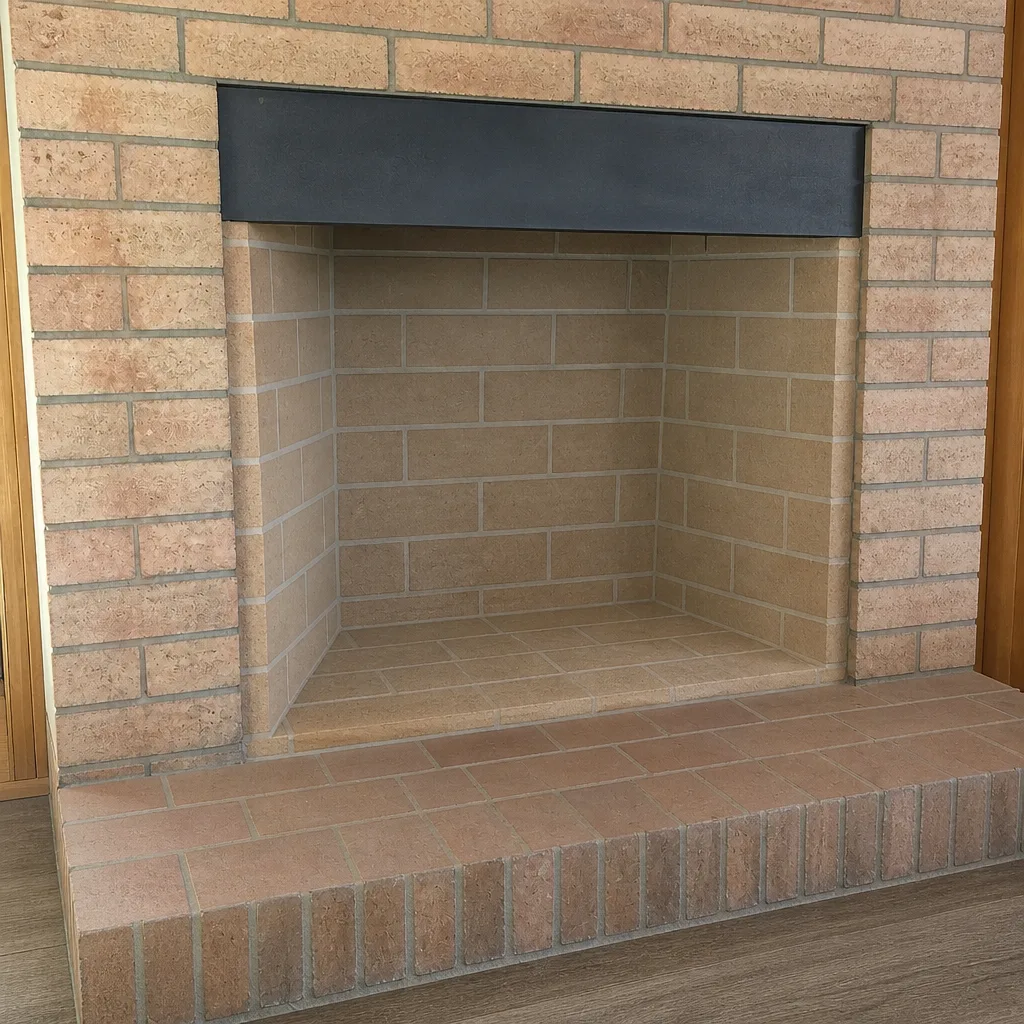
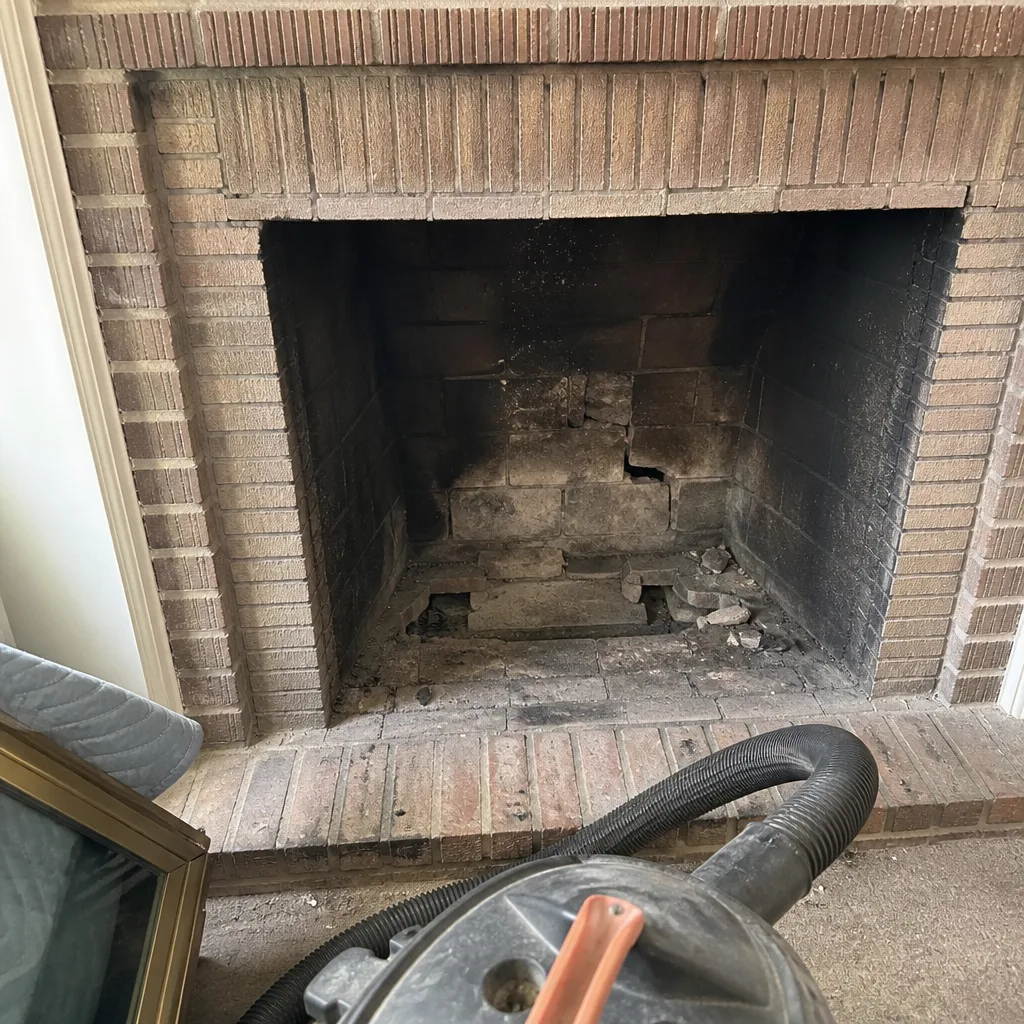
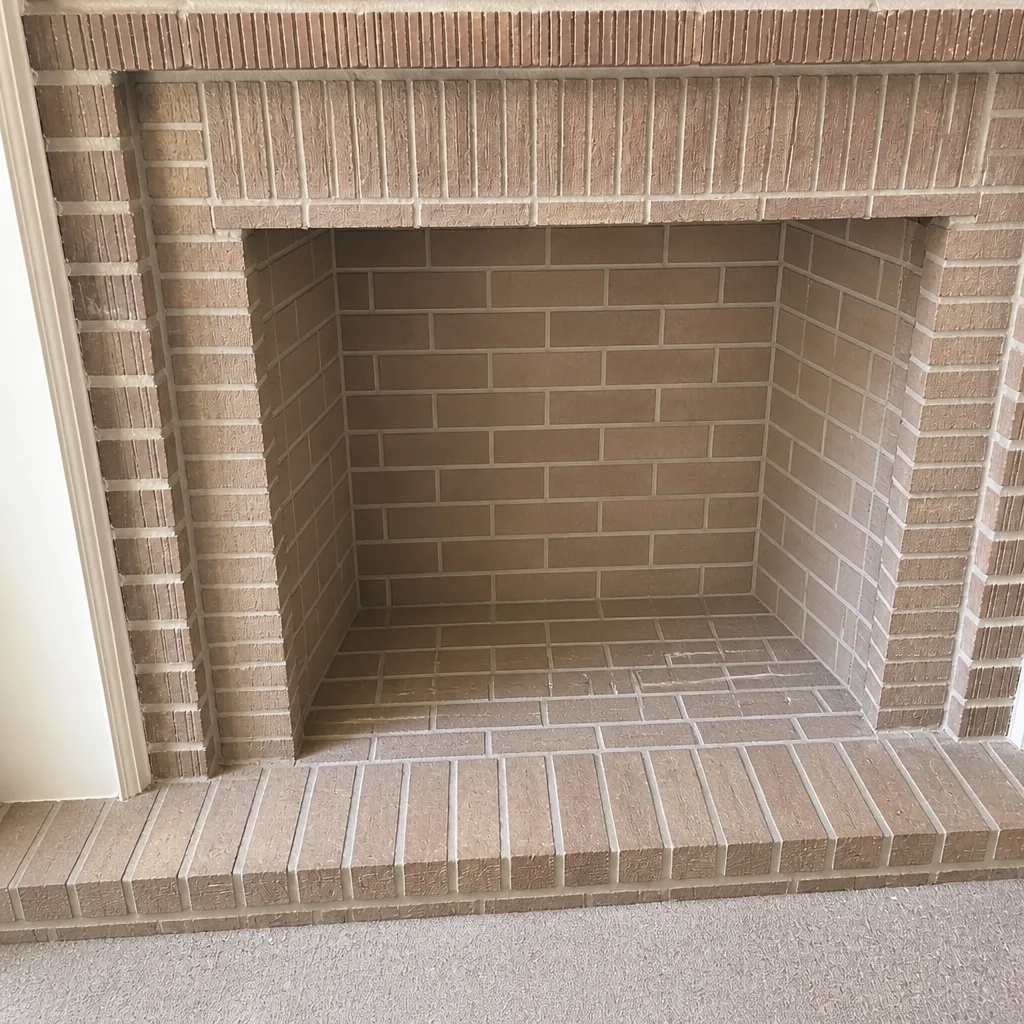
See the difference
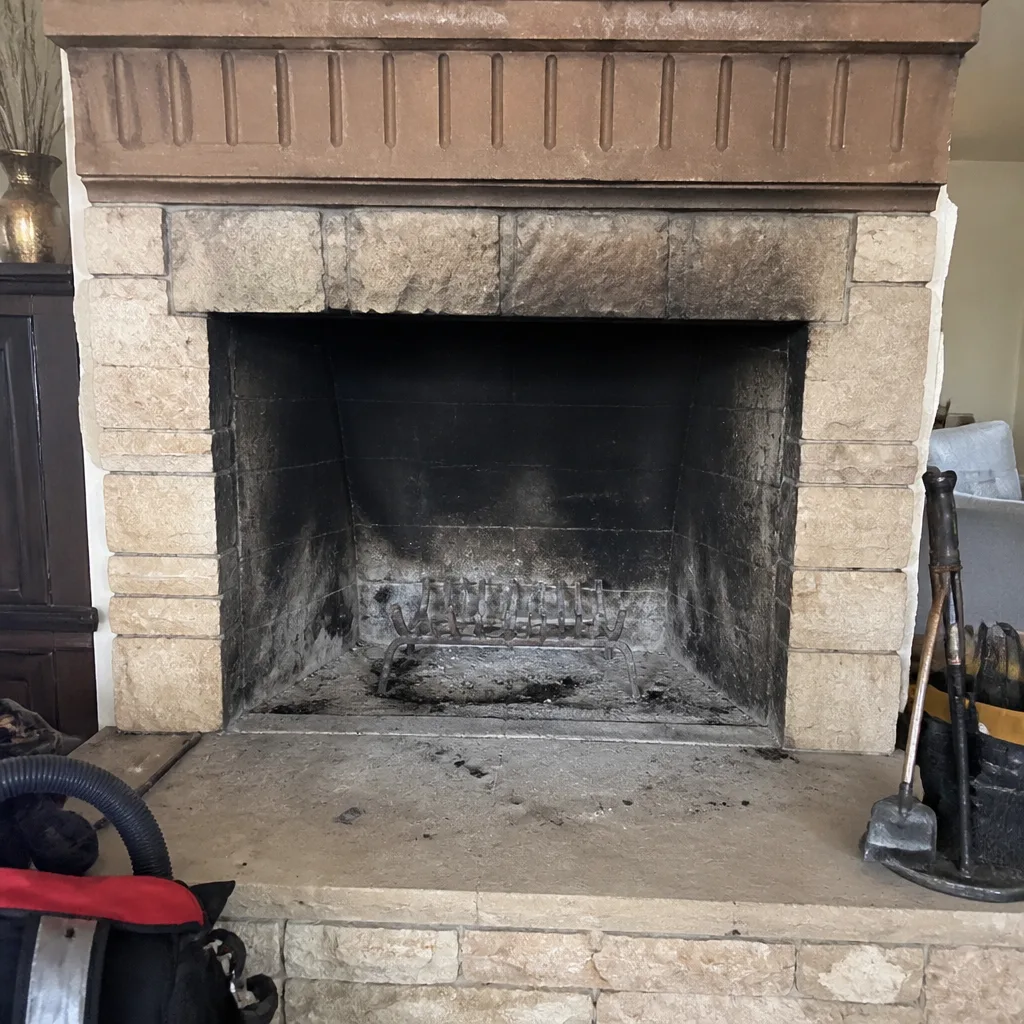 Before
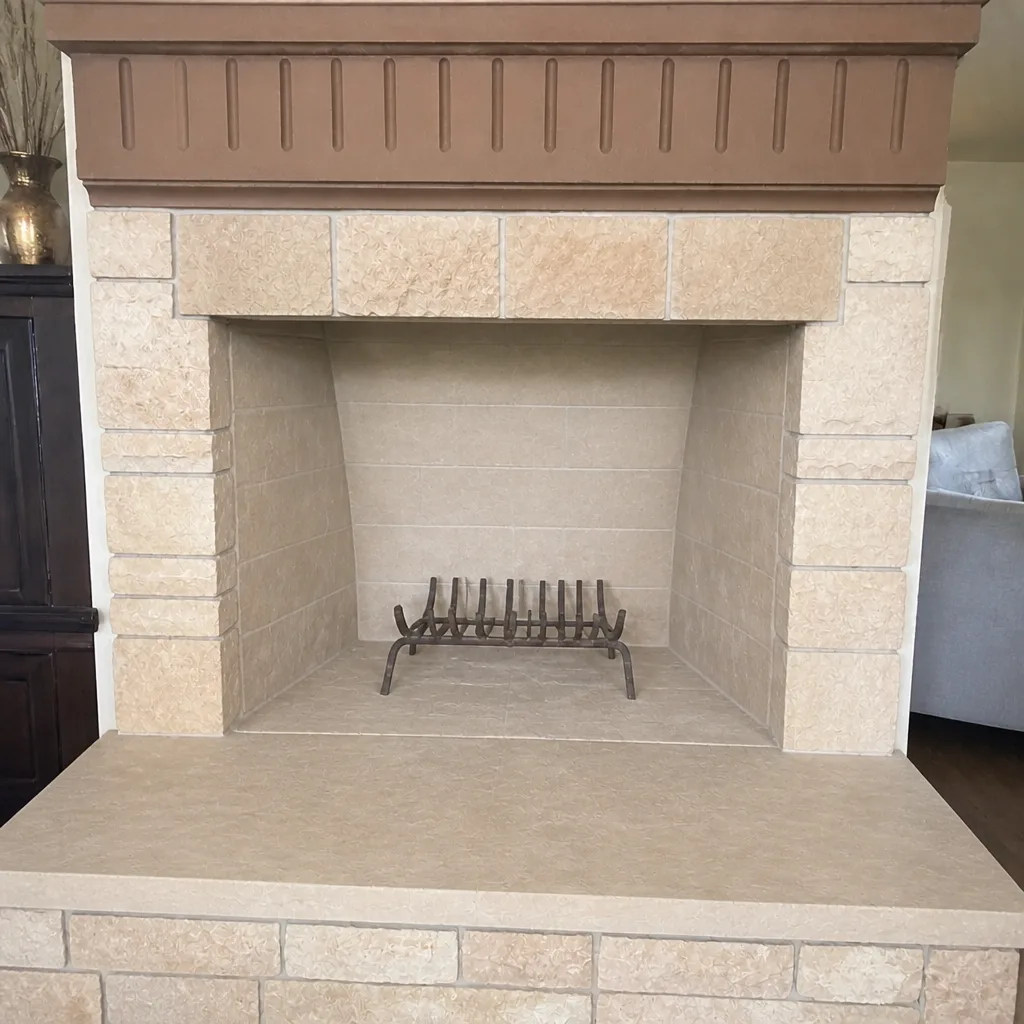 After
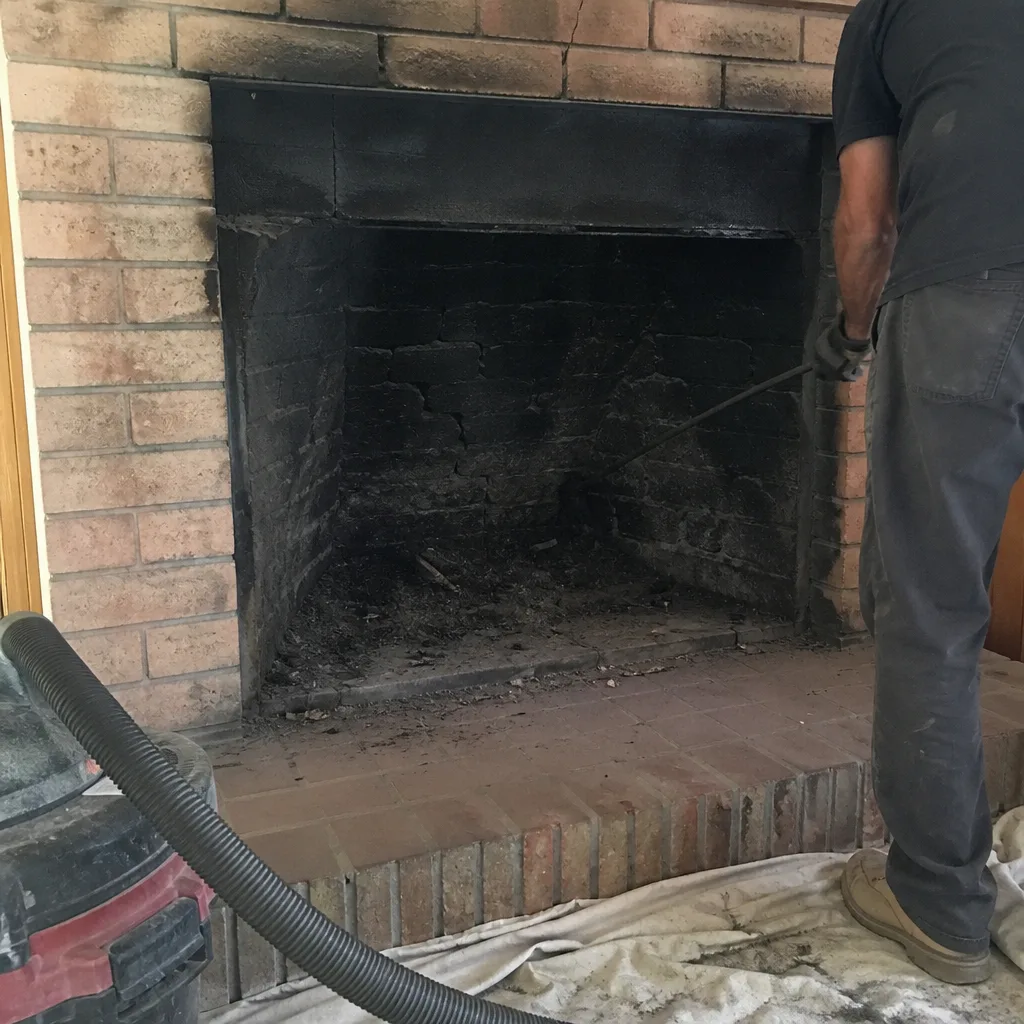 Before
 After
 Before
 After
Frequently Asked Questions
Once a year is the right baseline for most Glendale homeowners, timed to late September or early October before the burn window opens. If you burn daily through the season or the last sweep found heavy creosote, a mid-season check may be warranted. Call (833) 734-6139 for an exact quote – estimates are free.
Not always. A liner needs replacing when it’s cracked, deteriorated, or the wrong size for the appliance, and that should be shown to you on camera or in the inspection report before anyone recommends it. If the liner is sound, there’s no reason to replace it – a good inspection will tell you which it is. Call (833) 734-6139 for an exact quote – estimates are free.
Skipping a year doesn’t usually cause an immediate problem, but it lets creosote build up and lets idle-period damage – pest intrusion, cap and crown degradation, mortar drying – go unchecked. The risk compounds over time. The real hazard is a chimney fire or carbon monoxide from a blocked or damaged flue, which is why the annual check is worth keeping on schedule. Call (833) 734-6139 for an exact quote – estimates are free.
Yes. In Glendale’s climate, the eight months without a fire are when UV and heat degrade cap seals and crowns, mortar dries and cracks, and pests move into an open flue. An unused chimney needs care, not neglect, and the annual inspection is where those problems get caught. Call (833) 734-6139 for an exact quote – estimates are free.
For a sweep or inspection, same-day service is often possible when you call. Repair work depends on the scope and materials, so the timeline is set once the inspection report and written estimate are in your hands. Call (833) 734-6139 for an exact quote – estimates are free.
A typical sweep and inspection together usually fall in the $150 to $350 range for a standard single-flue chimney, with the written estimate setting the final price. Anything the inspection turns up is quoted separately, and nothing gets recommended without evidence you can see. Call (833) 734-6139 for an exact quote – estimates are free.
The Bottom Line
Glendale’s chimney calendar is a two-phase cycle, not a four-season one: a long dormant stretch where heat, UV, and pests quietly damage the system, and a short, intense burn window where creosote and draft problems surface. The four phases of proper care – the post-monsoon check, the October pre-burn sweep and inspection, mid-season monitoring, and the March closeout – map to how Glendale homeowners actually use their fireplaces. Do all four, and you protect the flue, the cap, and the masonry through the year. Skip any of them, and the damage that follows tends to show up all at once. Call (833) 734-6139 for a free estimate and a clear inspection before your next fire.
Written by the team at Chimney Sweep Glendale.